
Coconut Oil for Dogs Fleas: Best 7 Expert Tips!
Coconut oil has surged in popularity as a natural remedy for flea control—but does it really work? Many pet owners turn to this pantry staple hoping for a safe, chemical-free solution to keep their dogs itch-free and pest-free. While coconut oil offers soothing properties and mild repellent effects, it’s not a standalone cure for infestations. Understanding how, when, and why to use it—alongside expert-backed strategies—can make all the difference in your dog’s comfort and health. Let’s explore how coconut oil fits into a smart, holistic flea management plan.
How Coconut Oil May Help with Fleas on Dogs
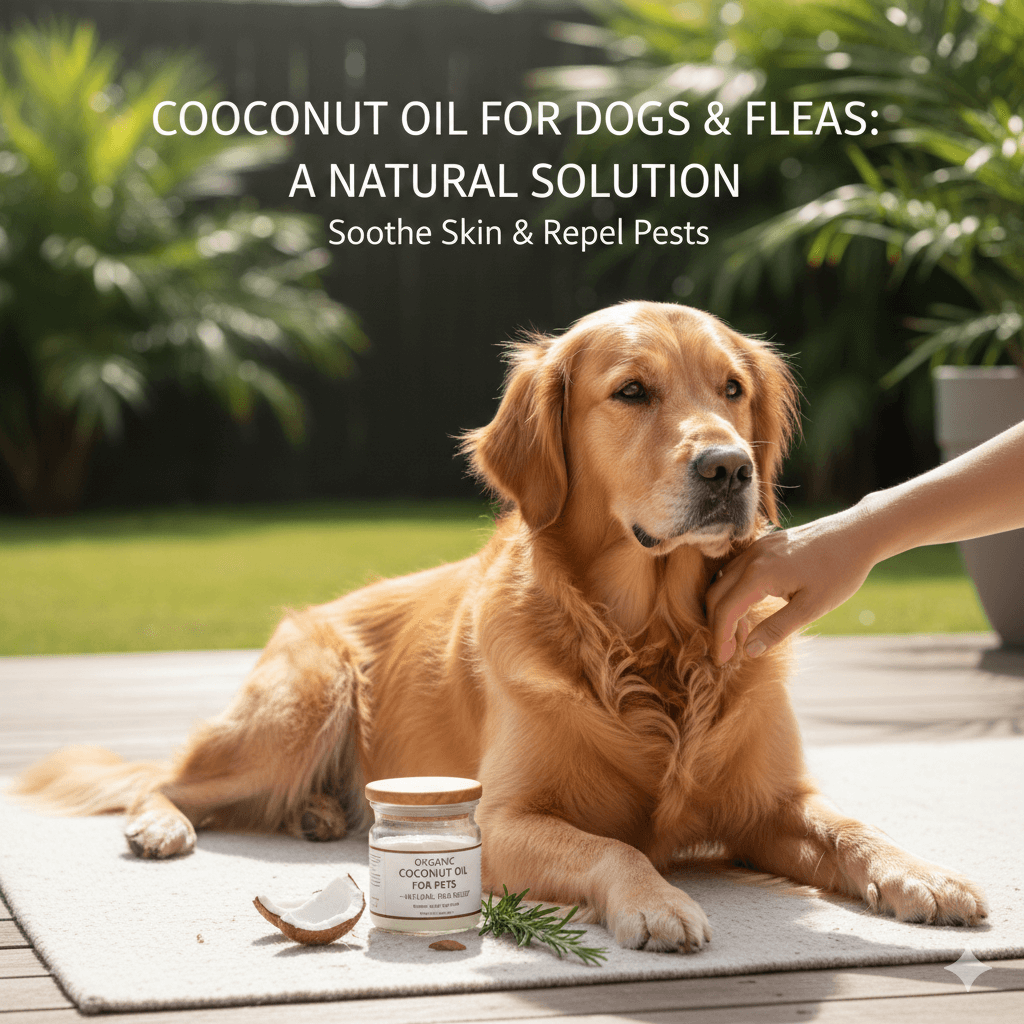
Coconut oil contains lauric acid, a medium-chain fatty acid shown to have insect-repelling properties. When applied topically, it can create a slippery barrier that makes it harder for fleas to latch onto your dog’s skin and fur. While it won’t kill fleas instantly like chemical treatments, it may reduce flea activity and soothe irritated skin. Here’s how it works in practice:
- Natural Repellent Action:
Lauric acid in coconut oil has been shown in limited studies to deter fleas and ticks, offering a mild protective effect when massaged into the coat. - Soothes Itchy, Inflamed Skin:
Flea bites often cause redness and scratching; coconut oil’s anti-inflammatory and moisturizing properties can calm irritated areas and promote healing. - Creates a Physical Barrier:
The oily texture makes the coat less hospitable for fleas to grip, potentially reducing new bites during peak flea season. - Supports Skin and Coat Health:
Regular use may improve overall skin resilience and coat shine, making your dog less attractive to pests over time. - Safe for External Use (When Used Properly):
Unlike many chemical sprays, coconut oil is non-toxic if licked in small amounts—ideal for sensitive dogs or households with children.
While promising as a complementary tool, coconut oil should never replace vet-approved flea preventatives in areas with high infestation risk or for dogs with flea allergy dermatitis.
Limitations and Risks of Using Coconut Oil for Fleas
Despite its natural appeal, coconut oil isn’t a magic solution—and it comes with important caveats. Overestimating its power can delay effective treatment and worsen your dog’s discomfort. Be aware of these realistic constraints:
- Does Not Kill Flea Eggs or Larvae:
Coconut oil offers no effect on the flea life cycle in your home, meaning infestations can persist or rebound quickly. - Not Effective Against Heavy Infestations:
In severe cases, topical oils won’t stop constant biting; your dog may need prescription medication to break the cycle. - Can Cause Greasy Coat or Clogged Pores:
Over-application may lead to a matted, oily coat or even folliculitis in dogs with sensitive skin. - Potential for Gastrointestinal Upset:
If your dog licks large amounts, it may cause diarrhea or pancreatitis—especially in breeds prone to fat sensitivity like Miniature Schnauzers. - May Interfere with Other Topical Treatments:
Applying coconut oil before or after spot-on flea medications can reduce their absorption and effectiveness.
Always consult your veterinarian before starting any natural flea regimen, especially if your dog has existing skin conditions or allergies.
Check this guide 👉Flea Allergy Dermatitis in Dogs: Best 7 Expert Tips!
Check this guide 👉Dog Fleas vs Cat Fleas: Best 7 Health Tips!
Check this guide 👉Garlic for Dogs and Fleas: Best 7 Expert Tips!
Benefits of Coconut Oil | Important Cautions to Consider |
|---|---|
Mild flea repellent due to lauric acid | Not a substitute for vet-approved preventatives |
Reduces itching and skin irritation | Ineffective against flea eggs and larvae |
Non-toxic in small topical amounts | Can cause greasy coat or skin issues if overused |
Improves coat shine and skin health | May trigger digestive upset if ingested excessively |
Easy to apply at home | Should not be mixed with chemical flea treatments |
Best Practices for Applying Coconut Oil to Your Dog
If you choose to use coconut oil as part of your flea strategy, proper application maximizes benefits while minimizing risks. Follow these vet-informed tips for safe, effective use:
- Use Virgin or Cold-Pressed Coconut Oil:
Choose unrefined, food-grade oil without additives or preservatives to ensure purity and skin safety. - Patch Test First:
Apply a small amount to your dog’s inner thigh and wait 24 hours to check for allergic reactions or irritation. - Apply Sparingly to Affected Areas:
Focus on hotspots like the base of the tail, belly, and neck—using just enough to lightly coat the skin without saturation. - Massage Gently into the Coat:
Use your fingertips to work the oil down to the skin, where fleas feed, rather than just on fur tips. - Avoid Eyes, Ears, and Open Wounds:
Keep oil away from sensitive areas to prevent discomfort or infection, especially if your dog scratches excessively.
Reapply every 2–3 days during flea season, but discontinue if you notice increased itching, redness, or your dog starts licking obsessively.
Integrating Coconut Oil Into a Holistic Flea Prevention Plan
For best results, treat coconut oil as one piece of a broader flea defense system. Combining it with environmental control and proven preventatives creates a sustainable, pet-friendly approach:
- Vacuum and Wash Bedding Frequently:
Fleas thrive in carpets and dog beds; weekly deep cleaning disrupts their life cycle at home. - Use Vet-Approved Monthly Preventatives:
Pair coconut oil with oral or topical medications like fluralaner or selamectin for full-spectrum protection. - Maintain a Clean Yard:
Keep grass short and remove leaf litter to reduce outdoor flea habitats, especially in warm, humid climates. - Support Immune and Skin Health:
Feed a balanced diet rich in omega-3s and consider probiotics to strengthen your dog’s natural defenses against pests. - Monitor for Flea Allergy Dermatitis (FAD):
Even one flea bite can trigger severe itching in allergic dogs—seek veterinary care if symptoms persist beyond mild irritation.
A layered strategy ensures your dog stays protected without over-relying on any single method—natural or pharmaceutical.
Breeds and Life Stages That May Benefit Most
While coconut oil can be used on many dogs, certain groups may gain extra advantages—or require extra caution—based on their physiology and lifestyle:
- Dogs with Sensitive Skin or Allergies:
Breeds like French Bulldogs or Westies often react poorly to chemical flea products; coconut oil offers a gentler alternative for mild cases. - Puppies Over 12 Weeks:
Older puppies can tolerate small amounts of topical coconut oil, but always check with your vet before use. - Senior Dogs on Medication:
Coconut oil may complement existing treatments without adding drug interactions, but confirm safety with your veterinarian first. - Indoor-Only Dogs in Low-Risk Areas:
For pets with minimal flea exposure, coconut oil may provide sufficient seasonal deterrence when combined with good hygiene. - Dogs with Dry or Flaky Coats:
The moisturizing effect can improve skin condition year-round, making them less prone to secondary infections from scratching.
As always, individual needs vary—what works for one dog may not suit another, even within the same breed.
When to Skip Coconut Oil and Seek Professional Help
Natural remedies have their place, but some situations demand immediate, science-backed intervention. Don’t delay veterinary care if you observe these signs:
- Visible Fleas or Flea Dirt in Large Amounts:
Black specks that turn red when wet indicate active infestation requiring stronger treatment. - Hair Loss, Scabs, or Open Sores:
These signal advanced skin damage or infection that won’t resolve with oil alone. - Restlessness, Sleep Disruption, or Constant Biting:
Severe discomfort means your dog needs fast-acting relief, not gradual home care. - Signs of Anemia (Pale Gums, Weakness):
Especially in small puppies or heavily infested dogs, fleas can cause dangerous blood loss. - No Improvement After 3–5 Days of Home Care:
Persistent symptoms suggest coconut oil isn’t enough—and time is critical in breaking the flea cycle.
Your vet can prescribe fast-acting flea treatments and rule out other conditions like mites or bacterial infections that mimic flea allergy.
Additional Tips for Using Coconut Oil Safely and Effectively
Beyond flea control, coconut oil can support your dog’s overall wellness—but only when used thoughtfully and in moderation. These extra guidelines help you maximize benefits while avoiding common pitfalls:
- Store Coconut Oil Properly:
Keep it in a cool, dry place away from sunlight to prevent rancidity; solid form is normal below 76°F (24°C) and safe to use. - Use Food-Grade Only:
Never apply cosmetic or refined coconut oil with added fragrances or chemicals—opt for organic, virgin, cold-pressed varieties labeled for human consumption. - Start with Small Amounts:
Whether used topically or orally, begin with a tiny dose (¼ tsp for small dogs, ½–1 tsp for larger breeds) to assess tolerance. - Combine with Omega-3s for Skin Health:
Pairing coconut oil with fish oil can enhance anti-inflammatory effects and improve coat condition more effectively than either alone. - Wipe Off Excess After 2–3 Hours:
To avoid greasy buildup or staining furniture, gently towel off leftover oil once it’s had time to absorb into the skin.
Used wisely, coconut oil becomes more than a flea aid—it’s a gentle, multi-purpose tool in your pet care toolkit.
Frequently Asked Questions About Coconut Oil for Dogs Fleas
Does coconut oil kill fleas on contact?
No—it may repel or deter fleas due to lauric acid, but it doesn’t kill adult fleas, eggs, or larvae effectively.
How often can I apply coconut oil to my dog for fleas?
Every 2–3 days is sufficient; daily use may lead to greasy skin or clogged pores.
Can I mix coconut oil with essential oils for better flea control?
Avoid this unless directed by a vet—many essential oils (like tea tree) are toxic to dogs, even in small amounts.
Is coconut oil safe if my dog licks it off?
In small quantities, yes—but large ingestions can cause diarrhea or pancreatitis, especially in sensitive breeds.
Should I use coconut oil instead of flea shampoo?
Not for active infestations. Use medicated shampoos first, then coconut oil afterward for soothing and maintenance.
A Balanced Approach to Flea-Free Comfort
Coconut oil for dogs with fleas isn’t a cure-all—but it can be a thoughtful part of a kinder, more holistic care routine. When used wisely, it offers gentle relief from itching, adds shine to the coat, and gives peace of mind to owners seeking natural options. Yet true protection comes from combining this kitchen staple with vigilant hygiene, proven preventatives, and professional guidance when needed. Your dog’s comfort is worth more than shortcuts or myths. By blending nature’s gifts with modern veterinary science, you create a safer, happier life—one where fleas don’t get the final say.

Is Rawhide Bad for Cats? Best 7 Expert Tips! – Discover the risks, safe alternatives, and expert advice to keep your feline friend healthy and happy.

Is Rawhide Bad for Dogs? Best 7 Expert Tips! – Discover the risks, benefits, and safer alternatives to rawhides for your dog’s chewing needs.

Understanding Anorexia in Cats: Best 7 Expert Tips! – Learn why cats stop eating, spot warning signs, and discover how to help your feline regain appetite safely.

Understanding Anorexia in Dogs: Best 7 Expert Tips! – Learn causes, symptoms, and solutions to help your dog regain appetite and stay healthy.