
Understanding Clear Fluid-Filled Cysts on Cats
Clear fluid-filled cysts on cats can be alarming for pet owners, but they are often benign and manageable with proper care. These cysts, which may appear under the skin or on visible areas, are typically filled with a clear, watery fluid and can vary in size. Recognizing their causes and treatment options helps ensure your cat’s comfort and well-being while addressing any underlying health concerns.
Common Causes of Clear Fluid-Filled Cysts in Cats
Clear fluid-filled cysts in cats can arise from a variety of factors, ranging from minor skin irritations to more complex underlying health conditions. Understanding the potential causes helps pet owners identify whether the cyst requires immediate veterinary attention or can be monitored at home. These cysts often result from disruptions in the skin’s normal function, leading to the accumulation of clear fluid beneath the surface. While many are harmless, some may indicate an infection, injury, or systemic issue that needs addressing. Recognizing these triggers empowers you to take proactive steps in managing your cat’s health effectively.
- Trauma or Injury:
Blunt force, bites, or scratches can damage tissue, causing fluid to accumulate as part of the healing process. This is often localized and resolves naturally over time. - Allergic Reactions:
Environmental allergens like pollen, cleaning products, or flea saliva can irritate the skin, leading to fluid-filled bumps as part of an inflammatory response. - Infections or Parasites:
Bacterial or fungal infections, as well as parasitic infestations like mites, may cause cysts to form as the body attempts to isolate the affected area. - Blocked Glands or Ducts:
Sebaceous glands or sweat ducts can become clogged, resulting in the buildup of clear fluid under the skin. This is particularly common in areas with high gland concentration. - Underlying Health Conditions:
Conditions like feline acne, autoimmune diseases, or even cancerous growths can mimic the appearance of benign cysts, necessitating professional evaluation.
Identifying the root cause is essential for determining the appropriate treatment plan and ensuring your cat’s long-term health.
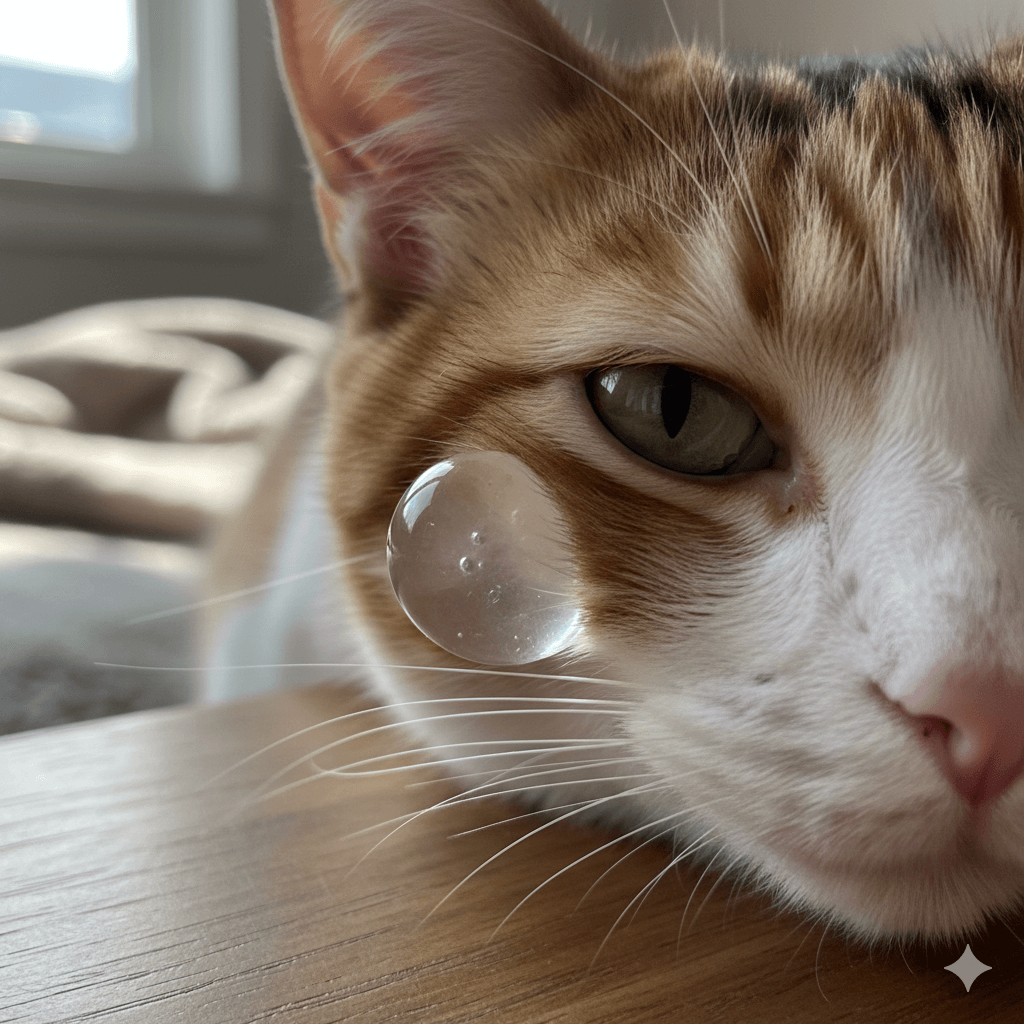
Symptoms and Signs of Clear Fluid-Filled Cysts
Recognizing the signs of a clear fluid-filled cyst ensures you can differentiate it from other skin issues and respond appropriately. These cysts often present with visible swelling, but additional symptoms may accompany them, depending on their size, location, and underlying cause. Monitoring your cat closely helps detect any changes that might indicate complications or worsening conditions. Early intervention prevents discomfort and reduces the risk of secondary infections.
- Visible Swelling Under the Skin:
Cysts typically appear as soft, round lumps filled with clear fluid, often located on the abdomen, limbs, or head. - Redness or Warmth Around the Area:
Inflammation surrounding the cyst signals irritation or possible infection requiring veterinary assessment. - Behavioral Changes:
Cats may lick, bite, or scratch excessively at the cyst due to discomfort, potentially worsening the condition. - Mobility Issues:
If the cyst is near a joint or limb, it may impede movement, causing limping or reluctance to jump or climb. - Leakage or Rupture:
Some cysts may burst, releasing clear fluid and leaving the area vulnerable to bacterial contamination.
Understanding these symptoms allows you to act promptly and minimize risks to your cat’s well-being.
Check this guide 👉Cystinuria in Cats: Best 7 Expert Tips!
Check this guide 👉Understanding Pilar Cyst in Cats: Best 7 Expert Tips!
Check this guide 👉What to Do When Your Cat Has an Open Cyst: Best 7 Tips!
Preventive Measures | Warning Signs to Watch For |
|---|---|
Regular grooming and skin checks | Rapid increase in cyst size |
Balanced diet rich in omega-3 fatty acids | Leakage of pus or foul odor |
Flea and parasite prevention | Redness, warmth, or swelling around the area |
Clean living environment | Excessive licking or scratching at the cyst |
Routine vet check-ups | Lethargy or loss of appetite accompanying the cyst |
Diagnosing Clear Fluid-Filled Cysts in Cats
Accurate diagnosis is crucial to rule out serious conditions and determine the best course of action for treating your cat’s cyst. Veterinarians use a combination of physical examinations, diagnostic tests, and patient history to assess the nature of the cyst and its potential impact on your cat’s health. A thorough evaluation ensures that benign cysts are not mistaken for more severe issues like tumors or abscesses. Working closely with your vet provides clarity and peace of mind during uncertain times.
- Physical Examination:
The vet inspects the cyst’s size, shape, texture, and location to gather initial insights into its nature. - Fine Needle Aspiration (FNA):
A small sample of the fluid is extracted and analyzed to confirm whether it’s benign or indicative of infection or malignancy. - Ultrasound Imaging:
This non-invasive technique visualizes the cyst’s structure and detects abnormalities within deeper tissues. - Biopsy Testing:
In cases where malignancy is suspected, a tissue sample is sent to a lab for further analysis. - Blood Work and Allergy Tests:
These tests identify systemic conditions or allergies contributing to cyst formation.
Proper diagnosis lays the foundation for effective treatment and long-term management.
Treatment Options for Clear Fluid-Filled Cysts
Once diagnosed, veterinarians recommend various treatment options based on the cyst’s severity, underlying cause, and your cat’s overall health. Mild cases may resolve on their own, while more complex scenarios require medical intervention to prevent complications. The goal is always to alleviate discomfort, reduce inflammation, and address any root causes contributing to the cyst’s development. Following your vet’s guidance ensures optimal outcomes for your cat.
- Warm Compress Application:
Gentle heat applied to the area encourages drainage and reduces swelling without causing harm. - Antibiotics or Antifungals:
If infection is present, medications are prescribed to eliminate pathogens and promote healing. - Surgical Removal:
Persistent or large cysts may need surgical excision to prevent recurrence and ensure complete resolution. - Steroid Injections:
Anti-inflammatory drugs reduce swelling and discomfort, particularly in cases of allergic reactions. - Lifestyle Adjustments:
Identifying and removing allergens or irritants from your cat’s environment minimizes future cyst formation.
Each treatment option targets specific needs, ensuring your cat receives personalized care tailored to their condition.
Preventing Clear Fluid-Filled Cysts in Cats
Prevention plays a vital role in reducing the likelihood of cyst formation and maintaining your cat’s skin health. Simple, proactive measures create a safer environment and minimize exposure to potential triggers. By addressing risk factors early, you can protect your cat from unnecessary discomfort and frequent veterinary visits. Prevention not only saves time and money but also enhances your cat’s quality of life significantly.
- Regular Grooming:
Frequent brushing removes dirt, debris, and allergens that could irritate the skin and lead to cysts. - Balanced Diet:
High-quality nutrition supports skin health, strengthening the barrier against infections and irritants. - Parasite Control:
Flea prevention, deworming, and tick control eliminate parasites that may contribute to cyst development. - Clean Living Spaces:
Regularly disinfecting bedding and play areas reduces exposure to bacteria, fungi, and allergens. - Routine Vet Check-Ups:
Annual exams catch early warning signs of skin issues before they escalate into larger problems.
Preventive care ensures your cat remains happy, healthy, and free from avoidable skin complications.
Long-Term Management of Recurring Cysts
For cats prone to recurring clear fluid-filled cysts, long-term management becomes essential to maintain their comfort and well-being. Chronic cysts often require ongoing monitoring, lifestyle adjustments, and regular veterinary consultations to address underlying issues effectively. Understanding how to manage these conditions empowers you to provide consistent, high-quality care throughout your cat’s life. With dedication and vigilance, even persistent cysts can be kept under control.
- Allergy Testing and Immunotherapy:
Identifying specific allergens through testing allows for targeted desensitization treatments or environmental modifications. - Customized Skincare Products:
Medicated shampoos or topical solutions soothe irritated skin and reduce the frequency of cyst outbreaks. - Supplements for Skin Health:
Omega-3 fatty acids, biotin, and zinc support skin integrity and reduce inflammation over time. - Monitoring Changes Closely:
Keeping a detailed record of cyst occurrences helps track patterns and identify potential triggers. - Collaborative Care Plans:
Working with your vet to develop a tailored management strategy ensures all aspects of your cat’s health are addressed holistically.
Long-term success hinges on consistency, education, and open communication with your veterinarian.
When to Seek Emergency Veterinary Care
While many clear fluid-filled cysts are harmless, certain signs indicate the need for immediate veterinary attention. Delayed treatment can lead to complications such as infection, abscess formation, or systemic illness. Recognizing these red flags allows you to prioritize your cat’s health and seek timely intervention when necessary. Acting swiftly protects your cat from unnecessary pain and suffering.
- Rapid Increase in Size:
A cyst growing quickly suggests internal pressure or fluid buildup, warranting urgent evaluation. - Signs of Infection:
Pus discharge, foul odor, or fever indicates bacterial involvement requiring antibiotics. - Difficulty Breathing or Swallowing:
Cysts near the throat or airways compromise respiratory function, posing a life-threatening risk. - Unexplained Weight Loss or Lethargy:
Systemic symptoms suggest the cyst may be linked to a more serious underlying condition. - No Improvement After Home Care:
If the cyst persists despite warm compresses or other remedies, professional intervention is needed.
Early recognition of emergencies ensures your cat receives the care they need to recover fully and thrive.
“Cysts are hollow spaces within tissues that contain either liquid or solidified materials; the contents may be made up of natural bodily secretions (e.g., sebum) or abnormal breakdown products such as dead cells or keratin.”
— Krista Williams, BSc, DVM, CCRP
Frequently Asked Questions About Clear Fluid-Filled Cysts in Cats
What causes clear fluid-filled cysts in cats?
These cysts often result from trauma, blocked glands, infections, or allergic reactions. Identifying the exact cause requires veterinary evaluation.
Are clear fluid-filled cysts dangerous for cats?
Most are benign and resolve on their own, but some may indicate underlying conditions like infections or tumors, requiring professional care.
Can I pop or drain the cyst at home?
No—popping or draining the cyst increases the risk of infection and should only be done by a veterinarian under sterile conditions.
How long does it take for a cyst to go away?
Mild cysts typically resolve within 1–2 weeks with proper care, while persistent or recurring ones may need medical treatment.
When should I take my cat to the vet for a cyst?
Seek veterinary care if the cyst grows rapidly, leaks pus, causes discomfort, or doesn’t improve after 7–10 days of monitoring.
Supporting Your Cat Through Cyst Management
Clear fluid-filled cysts on cats may seem daunting at first, but understanding their causes, symptoms, and treatment options empowers you to provide the best possible care. Whether the cyst is a minor irritation or a sign of something more serious, early intervention and consistent management make all the difference. By staying vigilant, maintaining preventive measures, and working closely with your veterinarian, you ensure your cat remains comfortable and healthy throughout their life. Remember, every small step you take contributes to their well-being—a testament to the bond you share and the love you provide.

Is Rawhide Bad for Cats? Best 7 Expert Tips! – Discover the risks, safe alternatives, and expert advice to keep your feline friend healthy and happy.

Is Rawhide Bad for Dogs? Best 7 Expert Tips! – Discover the risks, benefits, and safer alternatives to rawhides for your dog’s chewing needs.

Understanding Anorexia in Cats: Best 7 Expert Tips! – Learn why cats stop eating, spot warning signs, and discover how to help your feline regain appetite safely.

Understanding Anorexia in Dogs: Best 7 Expert Tips! – Learn causes, symptoms, and solutions to help your dog regain appetite and stay healthy.