
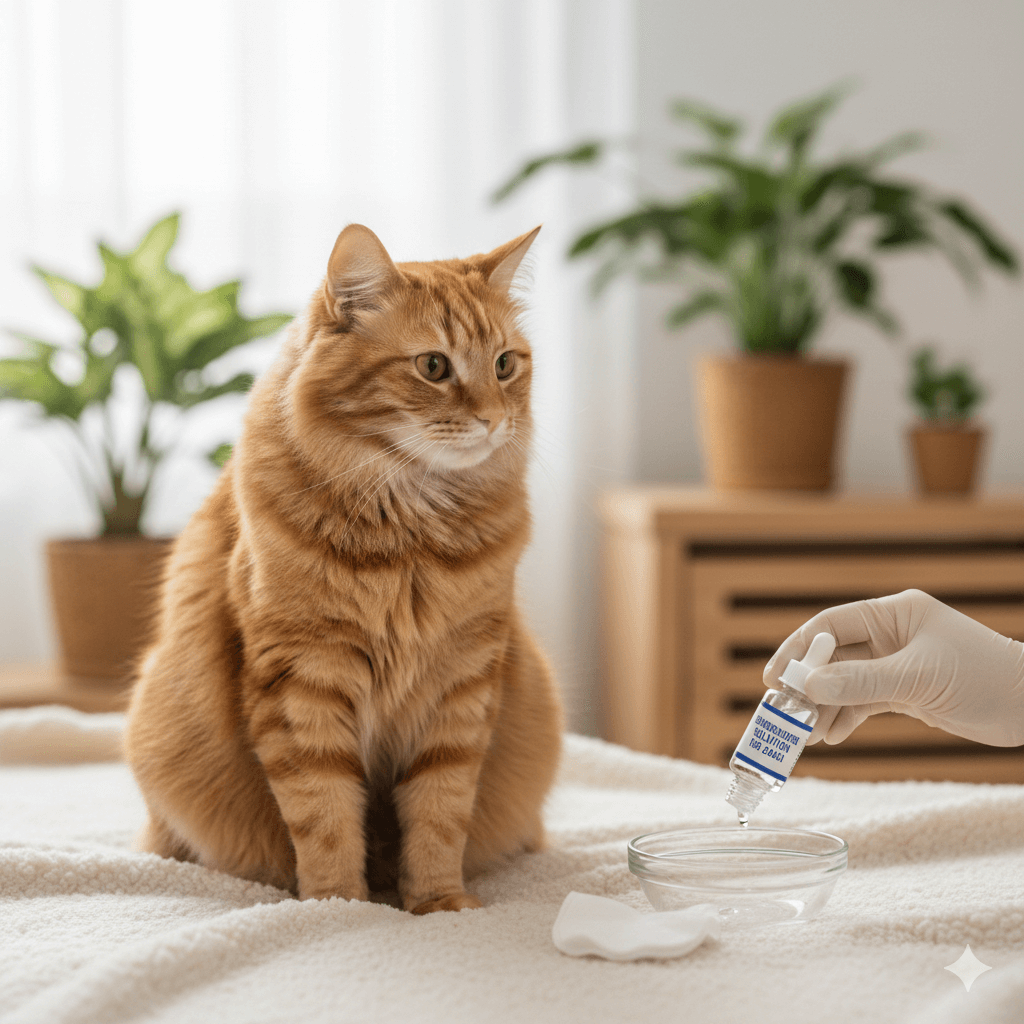

Chlorhexidine for Cats: Best 7 Expert Tips!

Chlorhexidine for Cats: Best 7 Expert Tips!

Understanding Chlorhexidine for Cats: Best 7 Expert Tips!

When it comes to keeping your feline friend clean and protected from infection, chlorhexidine is a go-to antiseptic trusted by veterinarians worldwide. This gentle yet effective solution is commonly used for wound care, skin infections, and oral hygiene in cats. While it’s widely available and generally safe, using it correctly is crucial—especially since cats are more sensitive than dogs to certain ingredients. Misuse can lead to irritation or even toxicity if ingested in high concentrations. With the right guidance, chlorhexidine can be a powerful ally in your cat’s health routine.

Common Uses of Chlorhexidine in Feline Care

Chlorhexidine is valued for its broad-spectrum antimicrobial properties, making it ideal for managing minor skin and oral issues in cats. It’s frequently recommended for at-home care when used under veterinary supervision. Here are the most typical applications:

 
  • Wound Cleaning:
    Vet-recommended for gently disinfecting small cuts, scrapes, or surgical sites to prevent bacterial infection.
     
  • Skin Infection Management:
    Often used in diluted sprays or shampoos to treat conditions like pyoderma or bacterial dermatitis.
     
  • Dental Hygiene Support:
    Found in cat-safe oral rinses to reduce plaque, gingivitis, and bad breath when applied properly.
     
  • Pre-Surgical Prep:
    Used by clinics to sanitize skin before procedures due to its fast-acting, non-stinging formula.
     
  • Ear Cleaning (in Specific Formulations):
    Some veterinary ear cleaners contain low-dose chlorhexidine to combat yeast and bacteria—never use undiluted versions.
 

When applied correctly and in appropriate concentrations, chlorhexidine offers safe, effective support for common feline health challenges.

Chlorhexidine for Cats: Best 7 Expert Tips!

Safe Concentration Guidelines for Cats

Not all chlorhexidine products are safe for cats—concentration matters greatly. Felines metabolize chemicals differently than dogs or humans, so using human or dog formulations can be dangerous. Always follow these vet-approved standards:

 
  • 0.05% to 0.2% for Oral Use:
    Only ultra-dilute, alcohol-free, cat-specific oral rinses should be used near the mouth to avoid toxicity.
     
  • 0.2% to 2% for Topical Skin Use:
    Most safe cat shampoos, sprays, and wound cleansers fall within this range; higher concentrations risk chemical burns.
     
  • Avoid Alcohol-Based Formulas:
    Alcohol increases skin absorption and can cause severe irritation or systemic effects if licked.
     
  • Never Use >4% Solutions:
    Concentrations above 2% are generally unsafe for cats; above 4%, they pose serious toxicity risks.
     
  • Check for Added Ingestion Hazards:
    Avoid products with xylitol, essential oils, or phenol derivatives, which are toxic even in tiny amounts.
 

Using the correct dilution isn’t just best practice—it’s essential for your cat’s safety during treatment.

Safe Applications
Critical Avoidances
Diluted (≤2%) sprays for minor wounds
Undiluted or industrial-strength solutions
Vet-formulated oral rinses (≤0.12%)
Human mouthwashes or dog dental products
Chlorhexidine shampoos prescribed by a vet
Homemade mixtures or guesswork dilutions
Ear cleaners with low-dose chlorhexidine
Applying near eyes or mucous membranes
Post-surgical cleaning (vet-directed)
Use on deep, puncture, or infected wounds without vet approval

Potential Risks and Side Effects to Monitor

While chlorhexidine is generally well-tolerated, cats can experience adverse reactions—especially if the product is misused or ingested. Vigilance during and after application helps catch issues early:

 
  • Skin Irritation or Redness:
    Overuse or high concentrations may cause dryness, flaking, or chemical burns, particularly on sensitive areas.
     
  • Oral Ulceration or Drooling:
    If a non-cat-safe rinse is used, it can lead to mouth sores, excessive salivation, or refusal to eat.
     
  • Toxicity from Ingestion:
    Cats grooming treated areas may swallow chlorhexidine—high doses can cause vomiting, tremors, or liver stress.
     
  • Allergic Reactions (Rare):
    Signs include swelling, hives, or difficulty breathing; seek emergency care if observed.
     
  • Eye Exposure Risks:
    Accidental contact can cause severe corneal damage; rinse immediately with saline and call your vet.
 

Most side effects are preventable with proper product selection and application technique—always prioritize feline-specific formulations.

How to Apply Chlorhexidine Safely at Home

Correct application minimizes risks and maximizes healing benefits. Whether treating a wound or supporting dental health, follow these vet-backed steps for stress-free care:

 
  • Wear Gloves and Restrain Gently:
    Prevent licking during application by using a towel wrap or having a helper hold your cat calmly.
     
  • Dilute Only as Directed:
    Never mix your own solution—use pre-diluted, veterinary-approved products labeled for cats.
     
  • Apply with Clean Gauze or Spray:
    Dab (don’t rub) on affected skin; for oral use, apply with a finger brush or syringe per instructions.
     
  • Prevent Immediate Grooming:
    Use an E-collar if needed until the area is dry to avoid ingestion of the antiseptic.
     
  • Store Securely:
    Keep all chlorhexidine products out of reach to prevent curious paws or accidental spills.
 

Consistent, careful use turns chlorhexidine into a quiet but powerful tool in your feline first-aid kit.

Alternatives When Chlorhexidine Isn’t Suitable

Some cats are too sensitive for chlorhexidine, or the condition may call for a different approach. Thankfully, safer or gentler options exist under veterinary guidance:

 
  • Veterinary-Grade Povidone-Iodine (Diluted):
    Effective against bacteria and fungi, but must be diluted to “tea-colored” strength and used cautiously.
     
  • Hypochlorous Acid Sprays:
    Non-toxic, no-rinse solutions like Vetericyn are safe if licked and great for wounds or hot spots.
     
  • Prescription Antibiotic Ointments:
    For bacterial skin infections, your vet may prescribe topical or oral antibiotics instead.
     
  • Enzymatic Oral Gels:
    For dental care, chlorhexidine-free enzymatic toothpastes or water additives offer a safer daily option.
     
  • Medicated Shampoos with Miconazole or Ketoconazole:
    Used for fungal or mixed infections when chlorhexidine alone isn’t enough.
 

Always consult your vet before switching—what works for one cat may not suit another’s unique needs.

Special Considerations for Kittens, Seniors, and Sick Cats

Vulnerable cats require extra caution with any topical antiseptic—even one as common as chlorhexidine. Their reduced organ function or fragile skin changes risk profiles significantly:

 
  • Kittens Under 12 Weeks:
    Immature liver enzymes make them more prone to toxicity; avoid unless explicitly directed by a vet.
     
  • Senior Cats with Kidney or Liver Disease:
    Reduced detox capacity increases systemic absorption risk—use lowest effective dose only.
     
  • Cats with Open Sores or Eczema:
    Compromised skin absorbs more product; patch-test first and monitor closely for reactions.
     
  • Brachycephalic or Grooming-Obsessive Cats:
    Flat-faced breeds or over-groomers are more likely to ingest topical treatments—use E-collars proactively.
     
  • Cats on Other Medications:
    Drug interactions are rare but possible; always disclose chlorhexidine use during vet visits.
 

For these cats, “less is more”—minimal, targeted use under professional oversight is key.

What Your Veterinarian Wants You to Know

During a consultation, your vet will emphasize safety, precision, and observation when using chlorhexidine. Understanding their perspective helps you partner effectively in your cat’s care:

 
  • It’s Not a Cure-All:
    Chlorhexidine treats surface bacteria but won’t heal deep infections, allergies, or underlying diseases.
     
  • Label Reading Is Non-Negotiable:
    “For animal use” doesn’t mean “for cats”—always confirm the product is feline-safe before buying.
     
  • Rinse May Be Required (or Forbidden):
    Some formulations need rinsing; others are leave-on. Follow label directions exactly.
     
  • Overuse Breeds Resistance:
    Frequent, unnecessary use can disrupt healthy skin flora and reduce effectiveness over time.
     
  • Report Any Reaction Immediately:
    Even mild drooling or pawing at the mouth after oral use warrants a call to your clinic.
 

Your vet sees chlorhexidine as a tool—not a solution—and wants you to use it wisely, not routinely.

Frequently Asked Questions About Chlorhexidine for Cats

Can I use human chlorhexidine mouthwash on my cat?

Absolutely not—human products contain alcohol, xylitol, or high concentrations that are toxic to cats.

Only if it’s a cat-specific product at ≤0.2% concentration and applied correctly; otherwise, ingestion can cause illness.

Typically once or twice daily—but always follow your vet’s exact instructions for frequency and duration.

No—it’s antibacterial, not antifungal. Ringworm requires antifungal treatments like terbinafine or itraconazole.

Only if it’s part of a veterinary-formulated ear cleaner; never put plain chlorhexidine solution in the ear canal.

Caring for Your Cat with Confidence and Caution

Using chlorhexidine for your cat can feel reassuring—after all, it’s a trusted tool in veterinary medicine. But true care lies not just in having the right product, but in using it with knowledge, restraint, and deep respect for your cat’s unique biology. Every drop applied should carry intention: enough to protect, never enough to harm. By choosing feline-specific formulations, observing closely, and partnering with your veterinarian, you turn a simple antiseptic into a quiet act of love. In the end, your cat’s well-being depends not on what you use, but how thoughtfully you use it.

Newfoundland Dog Personality: Best 7 Expert Tips!

Newfoundland Dog Personality: Best 7 Expert Tips! – Discover the gentle, loyal, and protective nature of this giant breed perfect for families.

Can Hot Pavement Burn Your Cats Paws? Best 7 Expert Tips!

Can Hot Pavement Burn Your Cats Paws? Best 7 Expert Tips! – Learn how to protect your cat’s paws from hot surfaces and prevent painful burns this summer.

Can Hot Pavement Burn Your Dogs Paws? Best 7 Expert Tips!

Can Hot Pavement Burn Your Dogs Paws? Best 7 Expert Tips! – Learn how to protect your dog’s paws from hot surfaces and ensure safe summer walks.

Irish Wolfhound Size: Best 7 Expert Tips!

Irish Wolfhound Size: Best 7 Expert Tips! – Discover the ideal height, weight, and care tips for this majestic giant breed. Learn how to manage their impressive stature responsibly.

Leave a Reply

Your email address will not be published. Required fields are marked *


