

Chiropractic for Cats: Best 7 Expert Tips!

Chiropractic for Cats: Best 7 Expert Tips!

Chiropractic for Cats: Best 7 Expert Tips!

When your feline friend seems stiff, reluctant to jump, or unusually withdrawn, they might be dealing with musculoskeletal discomfort—often overlooked in cats. Chiropractic care for cats is a gentle, non-invasive approach that’s gaining traction among holistic pet owners and integrative veterinarians. While cats expertly mask pain, subtle changes in behavior or mobility can signal underlying spinal or joint issues. With proper assessment and skilled handling, feline chiropractic may support better movement, comfort, and overall well-being. Discover how this specialized care works and whether it could benefit your quiet companion.

How Feline Chiropractic Works

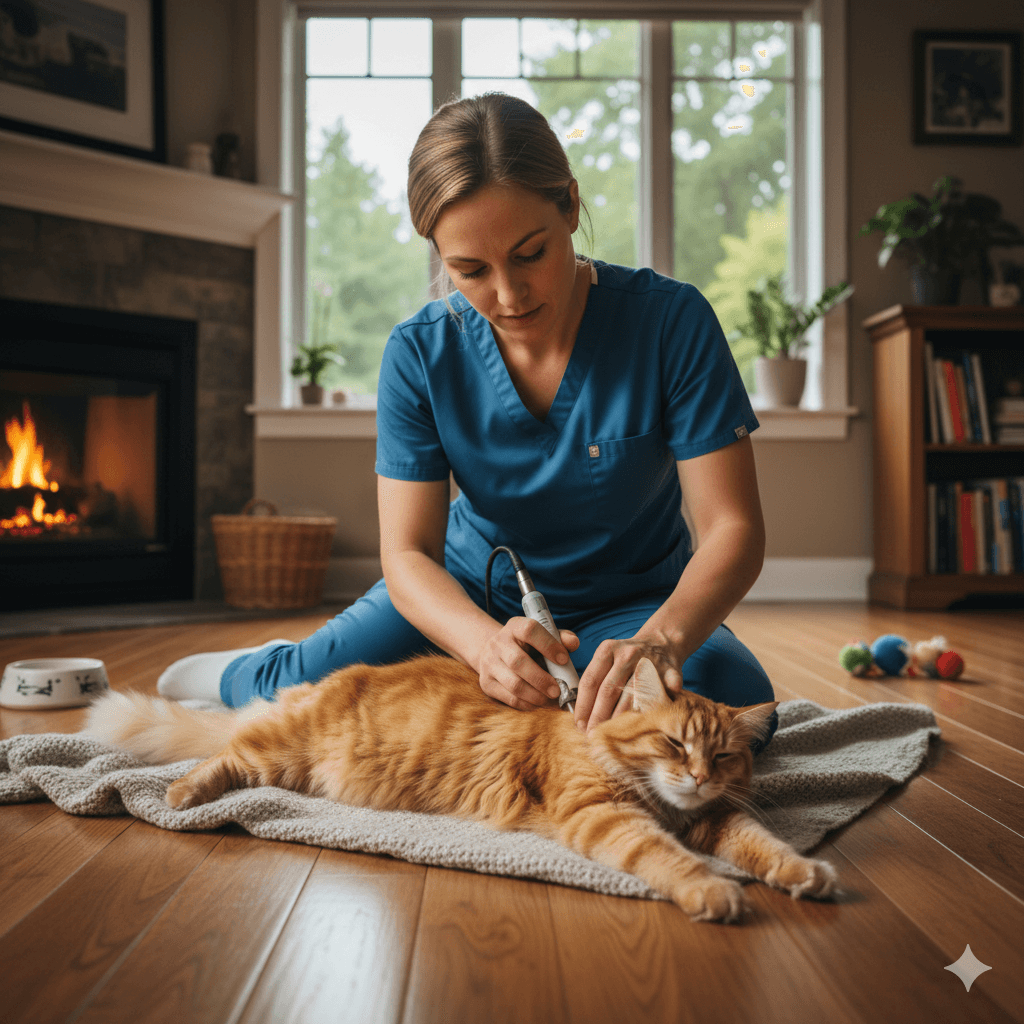
Chiropractic for cats focuses on restoring proper alignment and function to the spine and nervous system through precise, low-force adjustments. Unlike human chiropractic, feline techniques are extremely gentle—often using fingertip pressure—tailored to a cat’s small, sensitive frame. The goal isn’t to “crack” bones but to ease nerve interference and improve mobility. Most cats tolerate sessions well, especially when introduced calmly and by a certified animal chiropractor.

 
  • Gentle Spinal Adjustments:
    Small, controlled movements help realign vertebrae that may be slightly misaligned (subluxated), relieving nerve pressure.
     
  • Nervous System Support:
    Proper spinal alignment enhances communication between the brain and body, potentially improving organ function and healing.
     
  • Pain Relief Without Medication:
    Offers a drug-free option for managing discomfort from arthritis, injury, or age-related stiffness.
     
  • Improved Mobility and Flexibility:
    Cats may regain ease in jumping, stretching, or grooming after a series of adjustments.
     
  • Complementary to Veterinary Care:
    Used alongside conventional treatment, not as a replacement—always under the guidance of a licensed vet.
 

When performed correctly by a trained professional, chiropractic care can be a safe, supportive tool in your cat’s wellness toolkit—especially for senior or active indoor cats.

Chiropractic for Cats: Best 7 Expert Tips!

Signs Your Cat Might Benefit from Chiropractic Care

Cats rarely limp or cry out in pain, so musculoskeletal issues often go unnoticed until they affect daily life. Watch for subtle behavioral or physical cues that could indicate spinal tension or joint dysfunction:

 
  • Reluctance to Jump or Climb:
    Suddenly avoiding high perches or struggling to leap onto furniture can signal back or hip discomfort.
     
  • Changes in Grooming Habits:
    Overgrooming one area (like the belly or flank) or neglecting grooming altogether may reflect pain or restricted movement.
     
  • Stiff or Awkward Gait:
    Walking with a stiff back, uneven steps, or a “bunny-hopping” rear end warrants closer attention.
     
  • Sensitivity to Touch:
    Flinching, growling, or moving away when you pet their spine or base of the tail may indicate tenderness.
     
  • Posture or Tail Changes:
    A hunched back, tucked tail, or asymmetrical stance can reveal underlying spinal misalignment.
 

These signs don’t always mean chiropractic is needed—but they’re valid reasons to consult a vet who can assess whether it’s a suitable option.

Behavioral Indicators
Physical Signs to Observe
Avoiding favorite high spots
Stiffness when rising from rest
Reduced play or exploration
Uneven muscle tone along the spine
Hiding more than usual
Difficulty tucking paws under body
Irritability during handling
Asymmetrical tail carriage
Decreased litter box use (due to discomfort)
Shifting weight off one side while standing

Conditions That May Respond to Chiropractic Support

While not a cure-all, feline chiropractic has shown supportive benefits for several common conditions—especially when integrated into a broader wellness plan. Always rule out serious illness with your vet first:

 
  • Osteoarthritis:
    Age-related joint degeneration often causes stiffness; adjustments may ease movement and reduce compensatory strain.
     
  • Post-Trauma Recovery:
    After falls, slips, or accidents, gentle realignment can aid healing and prevent chronic misalignment.
     
  • Intervertebral Disc Disease (IVDD):
    In mild cases, chiropractic may help maintain mobility and nerve function alongside medical management.
     
  • Chronic Limping or Lameness:
    When diagnostics find no fracture or infection, spinal misalignment could be contributing to gait issues.
     
  • Neurological Symptoms of Unknown Origin:
    Subtle nerve interference might manifest as weakness or coordination problems—adjustments can support nervous system clarity.
 

Chiropractic shines as part of a proactive, integrative approach—never as a standalone treatment for serious diagnoses.

What to Expect During a Feline Chiropractic Session

A typical session begins with a thorough evaluation by a certified animal chiropractor (often a vet or vet-approved practitioner). Your cat’s posture, gait, and spinal mobility are assessed gently. The adjustment itself takes just minutes and uses light pressure—many cats even purr!

 
  • Initial Consultation & Exam:
    Includes medical history review and hands-on assessment of joint motion and muscle tone.
     
  • Gentle Palpation:
    The practitioner locates areas of restricted movement or tension along the spine and pelvis.
     
  • Precise Adjustments:
    Using fingertip thrusts, they apply minimal force to restore motion—no twisting or forceful maneuvers.
     
  • Post-Adjustment Observation:
    Your cat may seem relaxed, sleepy, or even more energetic within hours as nervous system flow improves.
     
  • Follow-Up Plan:
    Most cats need 2–4 sessions initially, then maintenance every few months depending on age and condition.
 

The entire experience should feel calm and stress-free—never forceful or alarming for your sensitive companion.

Safety, Risks, and Choosing the Right Practitioner

Chiropractic for cats is safe when performed by a qualified professional—but risks exist if done incorrectly. Untrained handling can cause injury, so vetting your practitioner is essential:

 
  • Certification Matters:
    Look for credentials from institutions like the American Veterinary Chiropractic Association (AVCA) or IVCA.
     
  • Must Work with Your Veterinarian:
    Ethical practitioners require veterinary approval before treatment and collaborate on your cat’s care plan.
     
  • Avoid “Miracle Cure” Claims:
    Legitimate chiropractors don’t promise to cure cancer, kidney disease, or other systemic illnesses.
     
  • Monitor Your Cat Closely:
    Mild soreness for 24 hours is normal; worsening pain, lethargy, or vocalization requires immediate vet contact.
     
  • Not Suitable for All Cats:
    Those with fractures, spinal instability, or active infections should not receive adjustments.
 

When done right, chiropractic is a respectful, low-risk modality that honors your cat’s physiology and instincts.

Integrating Chiropractic into Your Cat’s Holistic Wellness Plan

Chiropractic care works best as one piece of a larger wellness strategy focused on prevention, comfort, and longevity. Pair it with other supportive practices for optimal results:

 
  • Regular Veterinary Check-Ups:
    Annual exams (or biannual for seniors) catch issues early before they require intensive intervention.
     
  • Joint Supplements:
    Omega-3s, glucosamine, and chondroitin can complement spinal health from the inside out.
     
  • Environmental Enrichment:
    Provide ramps, low perches, and soft bedding to reduce jumping strain and support mobility.
     
  • Gentle Massage or Acupressure:
    At-home touch therapy can maintain flexibility between professional sessions.
     
  • Stress Reduction Techniques:
    Calm environments lower muscle tension—use pheromone diffusers, routine feeding, and quiet spaces.
 

By weaving chiropractic into a thoughtful care routine, you honor your cat’s natural grace while proactively supporting their golden years.


Signs That Chiropractic Care Is Working in Your Cat

After a chiropractic session, subtle but meaningful changes may appear—often within hours or days. These positive indicators suggest your cat’s nervous system and musculoskeletal alignment are responding well to treatment. Keep an eye out for these encouraging signs:

 
  • Increased Mobility:
    Your cat starts jumping onto favorite perches again or moves more fluidly when turning or stretching.
     
  • Improved Grooming Habits:
    They return to thorough self-care, especially reaching areas they previously avoided due to stiffness.
     
  • Relaxed Posture:
    Instead of a hunched or tense stance, your cat lies stretched out or curls comfortably without guarding their spine.
     
  • Better Mood and Interaction:
    A previously withdrawn or irritable cat may seek affection, purr more, or engage in gentle play.
     
  • Consistent Litter Box Use:
    Reduced discomfort can lead to more normal bathroom habits, especially if reluctance was pain-related.
 

When these changes occur, it’s a strong signal that chiropractic support is helping your cat feel more like themselves again.

Frequently Asked Questions About Chiropractic for Cats

Is chiropractic safe for senior cats?

Yes—when performed gently by a certified animal chiropractor, it’s often especially beneficial for aging cats with arthritis or stiffness.

Ask if they’re certified by AVCA or IVCA and whether they require veterinary referral or collaborate with your vet.

Indirectly, yes—spinal alignment may improve nerve function to the colon, but only after ruling out medical causes like megacolon.

Some may be wary initially, but skilled practitioners use patience and treats; most cats relax once they feel the gentle touch.

Many owners notice subtle improvements—like easier jumping or better posture—within 24 to 48 hours after the first session.

Supporting Your Cat’s Comfort Through Gentle, Informed Care

Your cat’s quiet strength often hides discomfort—but with attentive observation and integrative tools like chiropractic care, you can help them move through life with greater ease. Whether they’re a spry senior slowing down or an agile hunter recovering from a misstep, their spine and nervous system deserve compassionate support. By choosing qualified practitioners, prioritizing safety, and combining adjustments with loving daily care, you honor their dignity and resilience. In the end, the goal isn’t just pain relief—it’s preserving the joyful leaps, contented stretches, and peaceful purrs that define your feline friend’s spirit for years to come.

 
Is Rawhide Bad for Cats? Best 7 Expert Tips!

Is Rawhide Bad for Cats? Best 7 Expert Tips! – Discover the risks, safe alternatives, and expert advice to keep your feline friend healthy and happy.

Is Rawhide Bad for Dogs? Best 7 Expert Tips!

Is Rawhide Bad for Dogs? Best 7 Expert Tips! – Discover the risks, benefits, and safer alternatives to rawhides for your dog’s chewing needs.

Understanding Anorexia in Cats: Best 7 Expert Tips!

Understanding Anorexia in Cats: Best 7 Expert Tips! – Learn why cats stop eating, spot warning signs, and discover how to help your feline regain appetite safely.

Understanding Anorexia in Dogs: Best 7 Expert Tips!

Understanding Anorexia in Dogs: Best 7 Expert Tips! – Learn causes, symptoms, and solutions to help your dog regain appetite and stay healthy.

Leave a Reply

Your email address will not be published. Required fields are marked *