
Cheyletiella in Cats: Best 7 Expert Tips!

Cheyletiella in Cats: Best 7 Expert Tips!

Cheyletiella in Cats: Recognizing the “Walking Dandruff” That’s More Than Meets the Eye

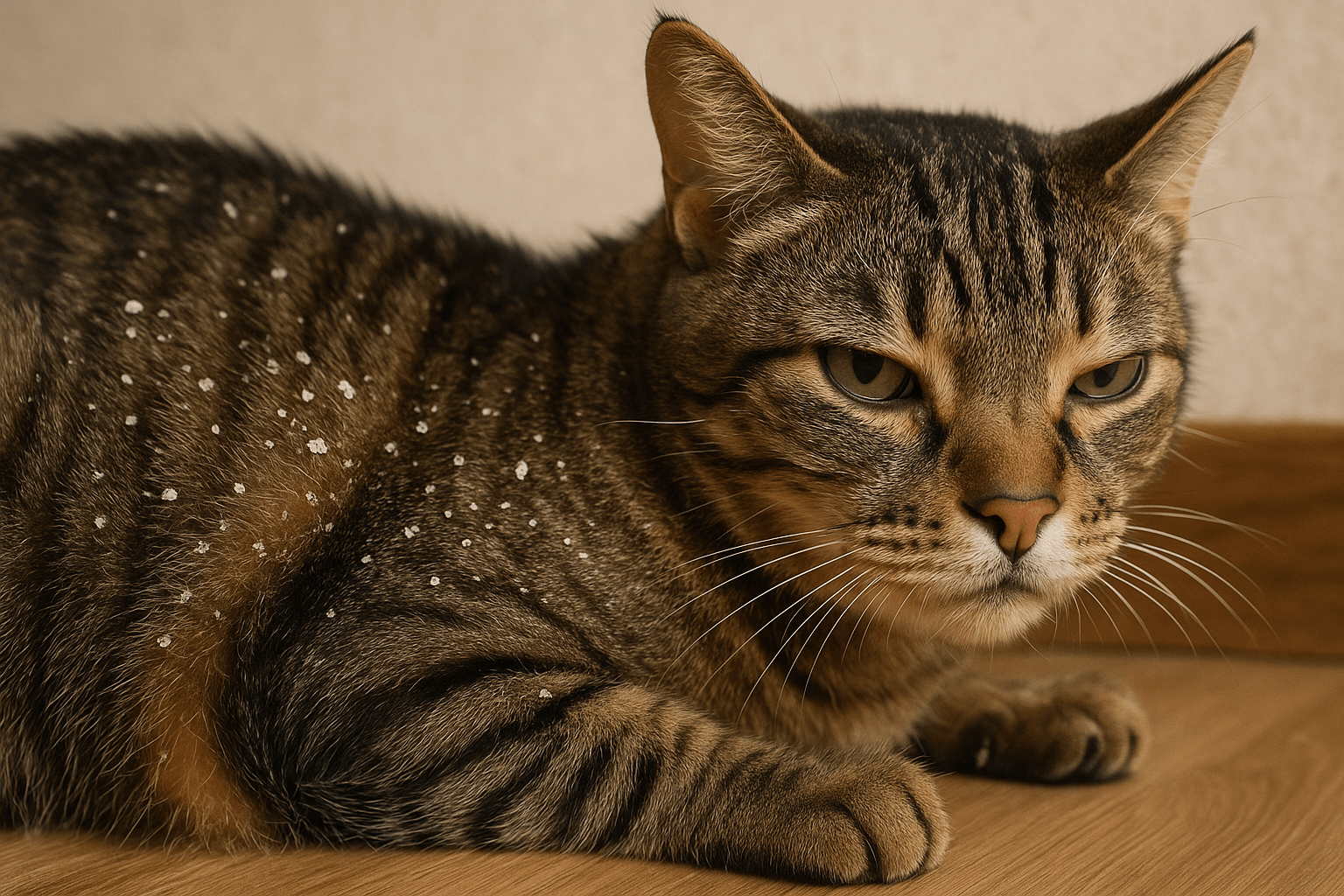
If you’ve noticed your cat looking unusually flaky—with skin that seems to move on its own—you might be dealing with Cheyletiella mites. Often nicknamed “walking dandruff,” this highly contagious skin condition affects cats of all ages, especially those in multi-cat households or shelters. While not usually life-threatening, it causes significant discomfort and can spread to humans. Timely recognition and proper treatment are key to restoring your cat’s comfort and preventing household-wide irritation. Let’s explore what Cheyletiella is, how to spot it, and the best steps forward.

What Is Cheyletiella in Cats?


Cheyletiella is a parasitic mite infestation that lives on the surface of a cat’s skin, feeding on skin debris and tissue fluids. Unlike other mites that burrow, Cheyletiella stays superficial—yet it triggers intense itching and visible flaking. The mites are large enough to be seen with the naked eye under good lighting, often appearing as tiny white specks crawling through dandruff-like scales.

 
  • Species involved:
    The most common culprit in cats is Cheyletiella blakei, though C. parasitovorax and C. yasguri can also affect felines or spread from dogs.
     
  • Surface-dwelling parasite:
    These mites live on the keratin layer of the skin, not beneath it—making them easier to detect but still irritating.
     
  • Highly contagious:
    Direct contact with an infested animal or contaminated bedding, brushes, or environments can transmit the mites quickly.
     
  • Zoonotic potential:
    Humans in close contact may develop temporary itchy red bumps, especially on arms or chest—but the mites can’t complete their life cycle on people.
     
  • Common in stressed or young cats:
    Kittens, senior cats, or those with weakened immunity (e.g., in shelters) are at higher risk due to less effective grooming or immune response.
 

Though easily treatable, Cheyletiella shouldn’t be ignored—it won’t resolve on its own and can worsen without intervention.

Cheyletiella in Cats: Best 7 Expert Tips!

Classic Signs and Symptoms to Watch For


Early detection makes treatment faster and more effective. Cheyletiella often starts subtly, so knowing the red flags helps you act before your cat becomes miserable.

 
  • Excessive dandruff along the back:
    The most telltale sign—large, moving flakes, especially between the shoulder blades or along the spine.
     
  • Mild to moderate itching:
    Some cats scratch frequently; others show little itchiness, making visual signs even more important.
     
  • Hair loss or thinning coat:
    Chronic infestation may lead to patchy fur, particularly in areas the cat can’t groom well.
     
  • Red, irritated skin:
    Secondary inflammation or infection can occur if scratching breaks the skin.
     
  • Visible mites (with magnification):
    Under bright light or with a magnifying glass, you may see tiny, slow-moving white specks among the flakes.
 

If you notice these signs—especially “dandruff that moves”—schedule a vet visit rather than assuming it’s dry skin.

At-Home Observations Veterinary Confirmation Needed
Flaky skin that seems to shift Microscopic mite identification
Mild scratching or grooming changes Rule out ringworm or allergies
Recent contact with shelter cats Skin scraping or combing test
Human family members with itchy bumps Assessment for secondary infection
No improvement with regular bathing Treatment plan for all pets in home

How Vets Diagnose Cheyletiella


Diagnosis is usually straightforward, but it requires professional tools to distinguish Cheyletiella from other skin issues like seborrhea, allergies, or fungal infections.

 
  • Deep skin scraping:
    Though mites live superficially, vets may gently scrape to collect samples for microscopic exam.
     
  • Flea combing test:
    Combing the cat’s back and examining debris under a microscope often reveals live mites or eggs.
     
  • Clear tape impression:
    Pressing clear tape to flaky areas and examining it under magnification can capture mites non-invasively.
     
  • Response to trial treatment:
    In some cases, vets may start safe anti-parasitic treatment if symptoms strongly suggest Cheyletiella.
     
  • Differential diagnosis:
    Conditions like ringworm, food allergies, or demodicosis share similar signs—so ruling them out is essential.
 

Accurate diagnosis ensures targeted treatment and prevents unnecessary medication or delays.

Safe and Effective Treatment Options


Once confirmed, Cheyletiella is highly treatable with modern parasiticides. Because it’s contagious, all pets in the household usually need treatment—even if asymptomatic.

 
  • Topical parasiticides (e.g., selamectin, moxidectin):
    Applied monthly, these are often effective and convenient, especially for cats averse to oral meds.
     
  • Oral isoxazolines (e.g., fluralaner, sarolaner):
    Single-dose or monthly chews that kill mites quickly—used off-label but widely supported by vets.
     
  • Lime sulfur dips:
    An older but still effective option, especially for kittens or cats who can’t tolerate other medications.
     
  • Environmental decontamination:
    Wash bedding, vacuum thoroughly, and disinfect surfaces—mites can survive off-host for up to 10 days.
     
  • Repeat treatments:
    Because mite eggs aren’t always killed by the first dose, a second treatment 2–4 weeks later is often needed.
 

Always follow your vet’s protocol—never use dog-specific products, as many are toxic to cats.

What NOT to Do When Treating Cheyletiella


Well-meaning mistakes can delay recovery or put your cat at risk. Avoid these common pitfalls during treatment.

 
  • Use over-the-counter “anti-dandruff” shampoos:
    These won’t kill mites and may dry the skin further, worsening irritation.
     
  • Skip treating other pets:
    Asymptomatic dogs or cats can harbor mites and reinfest your treated cat.
     
  • Assume it’s gone after one treatment:
    Mite eggs hatch over time—stopping early invites recurrence.
     
  • Use permethrin-based products:
    Extremely toxic to cats—even trace amounts from dog flea treatments can be fatal.
     
  • Ignore environmental cleaning:
    Mites linger in carpets, couches, and cat trees—cleaning is part of the cure.
 

Patience and thoroughness are your allies in fully eradicating this itchy intruder.

Preventing Future Infestations


Once your cat is mite-free, prevention helps avoid repeat outbreaks—especially in multi-pet homes or if you foster cats.

 
  • Quarantine new cats:
    Keep newcomers isolated for 2–3 weeks and monitor for flaking or itching before introducing them.
     
  • Maintain monthly parasite prevention:
    Many vet-recommended preventives also cover Cheyletiella and other mites.
     
  • Regular grooming:
    Brushing helps you spot early flaking and removes loose skin cells that mites feed on.
     
  • Clean shared items weekly:
    Wash beds, blankets, and toys in hot water; vacuum furniture and floors frequently.
     
  • Boost immune health:
    A balanced diet, low-stress environment, and routine vet care support natural resistance.
 

Prevention is far easier than treatment—especially since Cheyletiella spreads silently.

Special Considerations for Kittens and Senior Cats


Young and older cats need tailored care due to their increased vulnerability and sensitivity to medications.

 
  • Kittens under 8 weeks:
    Many standard parasiticides aren’t approved—lime sulfur dips are often the safest option.
     
  • Gentle handling during treatment:
    Stress can worsen symptoms; keep sessions calm and brief.
     
  • Monitor for dehydration or lethargy:
    Intense itching or skin damage can affect fragile cats more severely.
     
  • Avoid oral meds in seniors with kidney issues:
    Discuss safer topical alternatives with your vet.
     
  • More frequent follow-ups:
    Vets may recommend check-ins every 2 weeks during treatment to ensure progress.
 

With careful management, even the most delicate cats can recover fully and comfortably.

Frequently Asked Questions

Is Cheyletiella in cats contagious to humans?

Yes—temporarily. Humans may develop itchy red bumps, but the mites can’t reproduce on human skin and die off in a few days.

Most cats improve within 1–2 weeks, but full resolution typically takes 3–4 weeks with proper treatment and environmental cleaning.

Yes. Mites can hitchhike on clothing, shoes, or new pets—so even strictly indoor cats aren’t immune.

Yes. Once mites are eradicated and skin heals, hair usually regrows completely within a few weeks.

Always see a vet first. Many skin conditions mimic Cheyletiella, and incorrect treatment can worsen the issue or harm your cat.

Final Thoughts – Clear Skin, Happy Cat


Cheyletiella in cats might sound alarming, but with prompt care, it’s a manageable—and curable—condition. The key is early recognition, accurate diagnosis, and treating both your cat and your home as a system. By staying observant and proactive, you can restore your feline friend’s smooth coat and comfort while protecting your whole household. Remember: that “dandruff” might be walking—but with your help, it won’t stick around for long.

Understanding Cryptosporidium in Cats: Best 7 Expert Tips!

Understanding Cryptosporidium in Cats: Best 7 Expert Tips! – Spot symptoms, treat safely, and stop parasite spread in your home.

Understanding Cryptosporidium in Dogs: Best 7 Expert Tips!

Understanding Cryptosporidium in Dogs: Best 7 Expert Tips! – Learn symptoms, treatment & prevention for this stubborn gut parasite.

Understanding Syringomyelia in Cats: Best 7 Expert Tips!

Understanding Syringomyelia in Cats: Best 7 Expert Tips! – Recognize signs, manage pain, and support your cat’s neurological health with vet-backed guidance.

Understanding Syringomyelia in Dogs: Best 7 Expert Tips!

Understanding Syringomyelia in Dogs: Best 7 Expert Tips! – Expert insights on symptoms, MRI diagnosis, pain management & quality of life.

Leave a Reply

Your email address will not be published. Required fields are marked *