
Chewy Medicine for Dogs: Best 7 Expert Tips!
Giving medication to dogs can be a daily battle—but chewy medicine for dogs offers a tasty, stress-free solution that turns pills into treats. Designed to mask bitter flavors with appealing textures and aromas, these soft chews improve compliance and make treatment easier for both pets and owners. Whether managing chronic conditions or short-term illnesses, chewable formulas can simplify your routine significantly. With vet-approved options widely available, finding the right one for your dog’s needs has never been more convenient. Understanding how to choose, administer, and store these medications ensures your pup stays healthy without the struggle.
How Chewy Medicine for Dogs Works
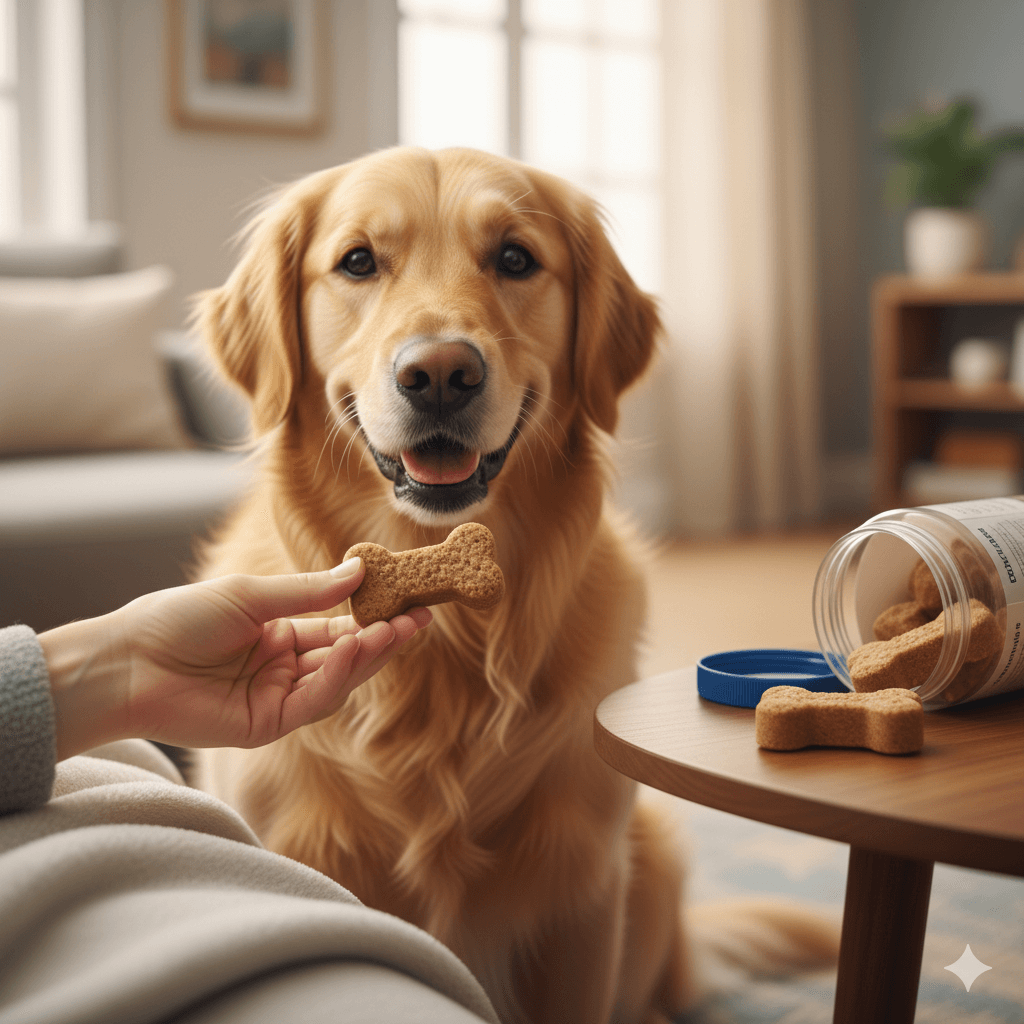
Chewy medicine for dogs combines pharmaceutical ingredients with palatable bases like chicken, beef, or liver flavoring to encourage voluntary consumption. Unlike traditional pills or liquids, these chews are formulated to be both effective and enjoyable, increasing the likelihood your dog will take their dose without resistance. Most are soft, easy to chew—even for seniors or small breeds—and often resemble premium dog treats in appearance and smell.
- Palatability-Driven Design:
Chewable medications use food-grade flavorings and binders that appeal to canine taste preferences, reducing rejection or spitting out. - Precise Dosage in Treat Form:
Each chew contains an exact amount of active ingredient, ensuring accurate treatment without the guesswork of splitting pills. - Faster Absorption Potential:
Some chewy formulas dissolve more readily in the stomach than coated tablets, potentially speeding up therapeutic effects. - Stress Reduction for Both Sides:
Eliminating the need to pry open jaws or hide pills in food lowers anxiety during medication time for dogs and owners alike. - Variety for Different Conditions:
Chewy medicines now exist for allergies, joint health, anxiety, heartworm prevention, and even antibiotics—covering a wide medical spectrum.
Because they blur the line between treatment and treat, chewy medications often lead to better long-term adherence and improved health outcomes.
Common Types of Chewy Medications Available
From preventive care to chronic disease management, the range of chewy medicine for dogs has expanded dramatically in recent years. Veterinarians often recommend these formats for improved compliance, especially in picky or anxious pets. Knowing what’s available helps you discuss options during your next appointment:
- Flea, Tick, and Heartworm Preventives:
Brands like NexGard, Simparica, and Sentinel offer monthly chews that protect against parasites with high acceptance rates. - Joint and Mobility Supplements:
Glucosamine, chondroitin, and MSM are commonly delivered in soft chews to support aging or active dogs’ joint health. - Calming and Anxiety Aids:
Formulas with CBD (where legal), L-theanine, or thiamine come in chew form to ease stress from thunderstorms, travel, or separation. - Antibiotics and Antifungals:
Certain prescription medications, like some forms of cephalexin or fluconazole, now come in veterinary-approved chewable versions. - Allergy and Itch Relief:
Apoquel and Cytopoint alternatives in chew format help manage allergic dermatitis without injections or bitter tablets.
Always confirm with your vet that the chewable version is appropriate for your dog’s weight, condition, and medical history before switching.
Check this guide 👉High Anxiety Dog Medication: Best 7 Expert Tips!
Check this guide 👉Parasite Medicine for Dogs: Best 7 Expert Tips!
Check this guide 👉Dog Firework Medication: Best 7 Expert Tips!
Benefits of Chewy Medicine | Important Considerations |
|---|---|
High acceptance rate in most dogs | Not all medications are available in chew form |
No need to hide pills in food | Some chews contain calories—adjust daily food intake |
Easier to administer to seniors or small breeds | Always verify active ingredients to avoid duplication |
Reduces stress during treatment | Store properly—many chews are sensitive to heat and moisture |
Often vet-recommended for compliance | Never give human chewable meds—dosage and ingredients differ |
How to Choose the Right Chewy Medicine for Your Dog
Not all chewy medications are created equal—selection should be based on your dog’s health needs, preferences, and lifestyle. A “tasty” chew is only beneficial if it’s safe, effective, and appropriate for your specific situation. Work with your veterinarian to make an informed choice:
- Assess Your Dog’s Condition:
Match the medication to the diagnosis—joint chews won’t help with infections, and calming aids won’t treat parasites. - Check Ingredient Transparency:
Reputable brands list all active and inactive ingredients clearly; avoid products with vague labeling or unverified claims. - Consider Caloric Content:
Some chews contain 20–50 calories each—important for overweight dogs or those on strict diets. - Verify Veterinary Approval:
Over-the-counter chews vary in quality; prescription chews undergo stricter efficacy and safety testing. - Trial Small Quantities First:
Even “tasty” chews may be rejected by picky eaters—ask your vet for samples before committing to a large supply.
Choosing wisely ensures your dog gets both the right treatment and a positive medication experience.
Administering Chewy Medicine Safely and Effectively
Even the tastiest chew requires proper handling to ensure full dosage and safety. Mistakes in administration can reduce effectiveness or cause accidental overdose—especially with preventives or prescription meds. Follow these best practices every time:
- Give as Directed—Never Split or Double Up:
Chewable doses are calibrated for specific weight ranges; altering them without vet guidance risks under- or over-dosing. - Monitor for Full Consumption:
Watch your dog eat the entire chew—some may spit out part of it or drop it to eat later, leading to incomplete treatment. - Avoid Mixing with Other Treats Initially:
While tempting to mix with food, giving the chew alone helps confirm your dog ate it and allows you to assess palatability. - Wash Hands After Handling:
Even though they look like treats, these are medications—always wash hands to prevent accidental human exposure. - Use Positive Reinforcement:
Pair the chew with praise or a non-medicated treat afterward to build a positive association with medication time.
Consistency and attention to detail turn chewy medicine into a reliable, low-stress part of your dog’s health routine.
Potential Risks and Side Effects to Watch For
While generally safe, chewy medicine for dogs isn’t risk-free. Some dogs may react to inactive ingredients, and others might experience expected side effects from the active drug itself. Vigilance during the first few doses is essential:
- Allergic Reactions:
Watch for hives, facial swelling, vomiting, or difficulty breathing—rare but serious signs requiring immediate vet care. - Digestive Upset:
Mild diarrhea, gas, or soft stools can occur as your dog adjusts to new ingredients or additives in the chew base. - Overconsumption Danger:
Because they resemble treats, dogs may eat multiple chews if left unattended—store them securely out of reach. - Ingredient Sensitivities:
Dogs with food allergies (e.g., chicken, beef) may react to flavored chews—opt for hypoallergenic or novel protein bases if needed. - Drug Interactions:
If your dog takes other medications, confirm with your vet that the chew won’t interfere with absorption or efficacy.
Most dogs tolerate chewy medicine well, but knowing what to monitor ensures quick action if issues arise.
Special Tips for Picky Eaters and Senior Dogs
Some dogs turn up their nose even at the most aromatic chews—especially seniors with reduced smell or dental pain. For these sensitive individuals, extra strategies can make all the difference in successful treatment:
- Warm the Chew Slightly:
Microwaving for 2–3 seconds (cooled first!) can enhance aroma and make it more enticing for older dogs. - Pair with a Favorite Food:
Lightly smear the chew with a tiny amount of peanut butter (xylitol-free) or low-sodium chicken broth to boost appeal. - Choose Softer Formulas:
Seniors with missing teeth or gum disease may prefer ultra-soft or gel-based chews over denser options. - Administer During Calm Moments:
Give medication during relaxed times—not right after play or meals—when your dog is most receptive. - Consult Your Vet About Alternatives:
If your dog consistently refuses chews, ask about liquid, transdermal, or injectable options for the same medication.
With patience and adaptation, even the most finicky or frail dog can benefit from modern chewable treatments.
Expert Tips for Maximizing Effectiveness of Chewy Medicine
To get the most out of chewy medicine for dogs, it’s not just about giving the dose—it’s about how, when, and with what mindset you deliver it. These expert-backed strategies help ensure your dog receives full therapeutic benefit while maintaining trust and cooperation during treatment:
- Follow Storage Instructions Precisely:
Many chewable medications degrade in heat or humidity—store them in a cool, dry place as directed to preserve potency. - Integrate into a Daily Routine:
Give the chew at the same time each day (e.g., after breakfast) to build predictability and reduce resistance over time. - Avoid Calling It “Medicine” Out Loud:
Dogs pick up on tone—even saying “Here’s your pill!” with hesitation can trigger suspicion; keep your voice light and upbeat. - Use Only as Prescribed—No Extra Chews:
Even if your dog begs for another, never exceed the recommended dose—some active ingredients can be harmful in excess. - Track Response and Side Effects:
Keep a simple journal noting energy levels, stool quality, and behavior changes to share with your vet during follow-ups.
By treating chewy medicine as part of a caring ritual—not a chore—you turn treatment into a moment of connection that supports both physical and emotional well-being.
“Chewable medications are made in the form of a treat, which can make administering medications easier for pets who don’t take pills well—saving time, reducing stress, and improving compliance for both pet and owner.” — Dr. Shannon Cabell, DVM, MBA
Frequently Asked Questions About Chewy Medicine for Dogs
Can I give my dog human chewable medicine like ibuprofen or aspirin?
No—many human medications are toxic to dogs. Never give over-the-counter human drugs without explicit veterinary instruction.
Are all chewy dog medicines available over the counter?
No—many, like heartworm preventives or Apoquel, require a prescription to ensure safety and proper dosing.
Do chewy medicines expire?
Yes—always check the expiration date. Expired chews may lose potency or develop harmful bacterial growth.
Can puppies take chewy medicine?
Some are approved for puppies as young as 8 weeks, but weight and age restrictions vary—always verify with your vet first.
What if my dog vomits after taking a chew?
Contact your vet—they may advise re-dosing (depending on timing) or switching to a different formulation.
Making Medication Time a Positive Experience
Chewy medicine for dogs has transformed a once-dreaded chore into a moment of connection and care. By removing the struggle, these innovative formats honor both your dog’s dignity and your commitment to their well-being. Whether managing a lifelong condition or navigating a temporary illness, the right chew can ease the journey for everyone involved. Remember, consistency, communication with your vet, and compassion are the true keys to success. With the right approach, your dog won’t just take their medicine—they’ll wag their tail through it.

Is Rawhide Bad for Cats? Best 7 Expert Tips! – Discover the risks, safe alternatives, and expert advice to keep your feline friend healthy and happy.

Is Rawhide Bad for Dogs? Best 7 Expert Tips! – Discover the risks, benefits, and safer alternatives to rawhides for your dog’s chewing needs.

Understanding Anorexia in Cats: Best 7 Expert Tips! – Learn why cats stop eating, spot warning signs, and discover how to help your feline regain appetite safely.

Understanding Anorexia in Dogs: Best 7 Expert Tips! – Learn causes, symptoms, and solutions to help your dog regain appetite and stay healthy.