
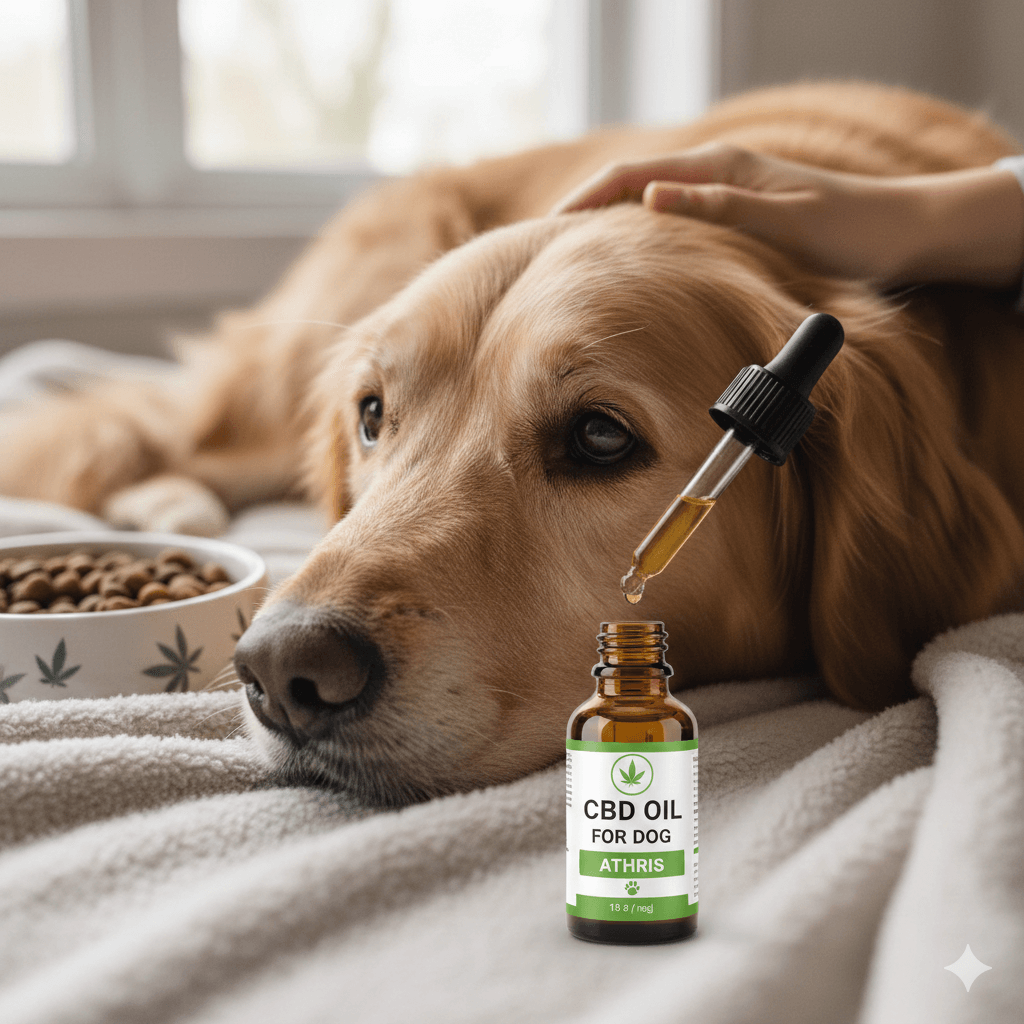

CBD Oil for Dog Arthritis: Best 7 Expert Tips!

CBD Oil for Dog Arthritis: Best 7 Expert Tips!

Understanding CBD Oil for Dog Arthritis: Best 7 Expert Tips!


If your dog is slowing down, struggling to climb stairs, or showing stiffness after rest, arthritis might be the culprit. While it’s a common condition—especially in aging or large-breed dogs—it doesn’t mean your furry companion must suffer in silence. CBD oil has emerged as a promising natural option to ease joint pain and improve mobility. But with so much information (and misinformation) out there, how do you use it wisely? These seven expert-backed insights will help you navigate CBD for canine arthritis safely, effectively, and compassionately.

What Is CBD Oil and How Does It Work for Arthritic Dogs?


CBD (cannabidiol) is a non-psychoactive compound derived from hemp that interacts with your dog’s endocannabinoid system—a network that regulates pain, inflammation, and immune response. Unlike THC, it won’t make your dog “high,” but it may help modulate discomfort and support joint health. When used correctly, CBD oil can be a gentle complement to conventional arthritis management:

 
  • Natural Anti-Inflammatory Properties:
    CBD may reduce inflammation in joints by influencing cellular pathways linked to swelling and cartilage breakdown.
     
  • Pain Signal Modulation:
    It appears to alter how pain signals are transmitted to the brain, potentially lowering your dog’s perception of discomfort.
     
  • Anxiety and Stress Relief:
    Chronic pain often leads to restlessness or irritability; CBD’s calming effects can improve emotional well-being during flare-ups.
     
  • Improved Mobility Over Time:
    Many owners report gradual increases in activity—like walking farther or rising more easily—after consistent use.
     
  • Fewer Side Effects Than NSAIDs:
    Compared to long-term use of medications like carprofen, CBD typically causes milder reactions (e.g., mild drowsiness or dry mouth).
 

When integrated thoughtfully into your dog’s wellness plan, CBD oil can offer meaningful relief without the risks of harsh pharmaceuticals.

CBD Oil for Dog Arthritis: Best 7 Expert Tips!

Choosing the Right CBD Product for Your Arthritic Dog


Not all CBD oils are created equal—especially in an unregulated market. Selecting a safe, effective product requires attention to sourcing, formulation, and transparency:

 
  • Full-Spectrum vs. Broad-Spectrum vs. Isolate:
    Full-spectrum contains trace THC (<0.3%) and other beneficial plant compounds; broad-spectrum removes THC but keeps other cannabinoids; isolates are pure CBD. Full or broad-spectrum often work better due to the “entourage effect.”
     
  • Third-Party Lab Testing (Certificate of Analysis):
    Always choose brands that publish up-to-date COAs verifying CBD content, purity, and absence of heavy metals, pesticides, or solvents.
     
  • Hemp Sourced from Organic Farms:
    U.S.-grown, organically cultivated hemp reduces exposure to contaminants that could harm your dog’s sensitive system.
     
  • Pet-Specific Formulations:
    Human CBD oils may contain unsafe additives (like xylitol or essential oils). Opt for products made exclusively for dogs, with appropriate dosing.
     
  • Clear Dosage Instructions:
    The bottle should state milligrams of CBD per drop or milliliter, allowing precise, weight-based dosing.
 

A high-quality product is the foundation of safe and effective relief—never compromise on verification or formulation.

Key Selection Criteria
What to Avoid
Third-party lab reports
Products without COAs
Organic, U.S.-grown hemp
Unknown or foreign sources
THC <0.3% (legal limit)
THC levels above 0.3%
MCT oil or hemp seed carrier
Propylene glycol or artificial flavors
Clear mg/mL concentration
Vague labels like “high potency”

Determining the Correct Dosage for Arthritis Relief


Dosing CBD isn’t one-size-fits-all—it depends on your dog’s weight, severity of arthritis, metabolism, and the product’s concentration. Start low, go slow, and observe closely:

 
  • General Starting Guideline:
    0.2–0.5 mg of CBD per pound of body weight, given twice daily (e.g., a 50-lb dog = 10–25 mg total per day).
     
  • Titration Over Time:
    Begin at the low end for 5–7 days. If no improvement, increase by 0.1–0.2 mg/lb every few days until you see results or reach a safe upper limit (~1 mg/lb).
     
  • Administer with Food for Better Absorption:
    CBD is fat-soluble—giving it with a meal containing healthy fats boosts bioavailability and effectiveness.
     
  • Consistency Is Crucial:
    Unlike painkillers that work instantly, CBD builds up in the system. Allow 1–2 weeks of regular use before judging its impact.
     
  • Track Response in a Journal:
    Note changes in mobility, mood, sleep, and appetite to identify the optimal dose and timing for your dog.
 

Patience and precision turn guesswork into a tailored, effective regimen that truly supports joint comfort.

Potential Side Effects and Safety Considerations


While generally well-tolerated, CBD isn’t risk-free—especially when combined with other medications or used in dogs with underlying conditions:

 
  • Mild Drowsiness or Lethargy:
    Especially at higher doses; usually temporary as your dog adjusts. Reduce the amount if it interferes with normal activity.
     
  • Dry Mouth and Increased Thirst:
    CBD may reduce saliva production, so ensure fresh water is always available.
     
  • Temporary Diarrhea or Upset Stomach:
    Often caused by the carrier oil (like MCT); try giving with food or switching formulations.
     
  • Drug Interactions with Liver-Metabolized Meds:
    CBD affects liver enzymes (CYP450 system), potentially altering blood levels of drugs like phenobarbital, NSAIDs, or steroids.
     
  • Not Suitable for All Dogs:
    Puppies, pregnant dogs, or those with severe liver disease should avoid CBD unless explicitly approved by a veterinarian.
 

Always inform your vet before starting CBD—especially if your dog is on other treatments for arthritis or chronic illness.

Integrating CBD into a Holistic Arthritis Management Plan


CBD works best as part of a comprehensive approach that addresses arthritis from multiple angles—nutrition, exercise, and environmental support included:

 
  • Weight Management:
    Excess weight strains joints; a lean body dramatically reduces pain and slows disease progression.
     
  • Joint-Supportive Diet & Supplements:
    Omega-3 fatty acids, glucosamine, chondroitin, and green-lipped mussel enhance cartilage health alongside CBD.
     
  • Low-Impact Exercise Routine:
    Daily short walks, swimming, or underwater treadmill therapy maintain muscle strength without overloading joints.
     
  • Comfortable Sleeping Area:
    Orthopedic dog beds on warm, draft-free floors help reduce morning stiffness and pressure sores.
     
  • Physical Therapy or Acupuncture:
    These modalities can amplify CBD’s effects by improving circulation, flexibility, and nerve function.
 

Combining strategies creates synergy—each element reinforcing the others for greater overall comfort and longevity.

Special Considerations for Senior Dogs and High-Risk Breeds


Certain dogs are more prone to debilitating arthritis due to age, genetics, or conformation. They need extra vigilance when using CBD:

 
  • Large & Giant Breeds (e.g., German Shepherds, Great Danes):
    Prone to hip and elbow dysplasia; may need higher doses or earlier intervention.
     
  • Senior Dogs Over Age 7:
    Reduced liver and kidney function means slower CBD metabolism—start with lower doses and monitor closely.
     
  • Dogs with Preexisting Liver Conditions:
    Since CBD is processed by the liver, these pets require vet supervision and possibly adjusted protocols.
     
  • Post-Surgical Arthritis (e.g., after TPLO):
    CBD can support recovery by managing pain without the GI risks of NSAIDs during healing.
     
  • Dogs on Long-Term Pain Meds:
    CBD may allow gradual reduction of pharmaceuticals—but only under veterinary guidance to avoid rebound pain.
 

For these vulnerable groups, personalized care isn’t optional—it’s essential for safety and quality of life.

What to Expect During the First Few Weeks of Use


Results don’t happen overnight. Most dogs show subtle improvements within days, but full benefits often emerge after consistent use:

 
  • Days 1–3:
    Your dog may seem slightly calmer or sleep more deeply, but pain relief might not yet be noticeable.
     
  • Days 4–7:
    You might observe easier rising from rest, less whimpering when moving, or increased interest in light activity.
     
  • Weeks 2–3:
    Stiffness decreases, especially in the morning; stairs or car entry become less daunting.
     
  • Week 4 and Beyond:
    Many owners report sustained comfort, improved mood, and greater willingness to engage in gentle play or walks.
 

If no change occurs after 3–4 weeks at an appropriate dose, CBD may not be effective for your dog—and that’s okay. Every pet responds differently.

Frequently Asked Questions About CBD Oil for Dog Arthritis

Is CBD oil legal for dogs in the U.S.?

Yes—as long as it’s derived from hemp with less than 0.3% THC, it’s federally legal under the 2018 Farm Bill.

Some dogs show subtle changes in 3–5 days, but full effects typically build over 2–4 weeks of consistent use.

Only under veterinary supervision—CBD can interact with medications metabolized by the liver, altering their effectiveness.

No—quality CBD oil contains no psychoactive THC and should never cause intoxication in dogs.


Not recommended—human products may contain unsafe ingredients like xylitol, alcohol, or flavorings toxic to dogs.

Supporting Your Arthritic Dog with Compassion and Care


Arthritis doesn’t have to define your dog’s golden years. With thoughtful tools like CBD oil—used wisely, alongside proven wellness strategies—you can restore comfort, preserve dignity, and reignite joy in their daily life. Every slow walk, every wag at mealtime, every peaceful nap on a soft bed is a victory worth celebrating. By choosing informed, gentle care, you honor the loyalty your dog has given you for years. And in their quiet eyes, you’ll find the greatest reward: the knowledge that they feel safe, loved, and finally, at ease.

 
Newfoundland Dog Personality: Best 7 Expert Tips!

Newfoundland Dog Personality: Best 7 Expert Tips! – Discover the gentle, loyal, and protective nature of this giant breed perfect for families.

Can Hot Pavement Burn Your Cats Paws? Best 7 Expert Tips!

Can Hot Pavement Burn Your Cats Paws? Best 7 Expert Tips! – Learn how to protect your cat’s paws from hot surfaces and prevent painful burns this summer.

Can Hot Pavement Burn Your Dogs Paws? Best 7 Expert Tips!

Can Hot Pavement Burn Your Dogs Paws? Best 7 Expert Tips! – Learn how to protect your dog’s paws from hot surfaces and ensure safe summer walks.

Irish Wolfhound Size: Best 7 Expert Tips!

Irish Wolfhound Size: Best 7 Expert Tips! – Discover the ideal height, weight, and care tips for this majestic giant breed. Learn how to manage their impressive stature responsibly.

Leave a Reply

Your email address will not be published. Required fields are marked *


