
CBD Oil for Cat Arthritis: Best 7 Expert Tips!
If your once-playful cat now hesitates before jumping, seems stiff in the morning, or avoids being touched near their joints, arthritis may be the culprit. While it’s common in older felines, this painful condition doesn’t have to define their golden years. Many pet parents are turning to CBD oil as a natural option to support joint comfort and mobility. Though research is still evolving, early evidence and veterinary insights suggest CBD may offer gentle relief when used responsibly. With the right guidance, you can help your cat move more freely—and live more joyfully—every single day.
Recognizing Arthritis in Your Feline Friend
Cats are masters at hiding discomfort, so subtle behavioral shifts are often the only clues to underlying joint pain. Early detection allows for timely intervention, whether through conventional treatment, lifestyle changes, or complementary options like CBD oil. Watch for these common—but often overlooked—signs of feline arthritis:
- Reluctance to Jump or Climb:
Your cat may avoid high perches, hesitate before leaping onto furniture, or miss jumps they once nailed effortlessly. - Reduced Grooming:
Arthritic pain in the spine or hips can make twisting and licking difficult, leading to a matted or unkempt coat. - Litter Box Accidents:
If your cat starts eliminating outside the box, it could be due to pain from stepping into a high-sided litter tray. - Irritability or Withdrawal:
A previously affectionate cat may hiss when picked up or isolate themselves in quiet corners to avoid interaction. - Stiff Gait or Lameness:
You might notice a stiff walk, especially after naps, or a slight limp that comes and goes with activity or weather changes.
While these signs can mimic other conditions, persistent changes warrant a veterinary exam to confirm arthritis and rule out other causes.
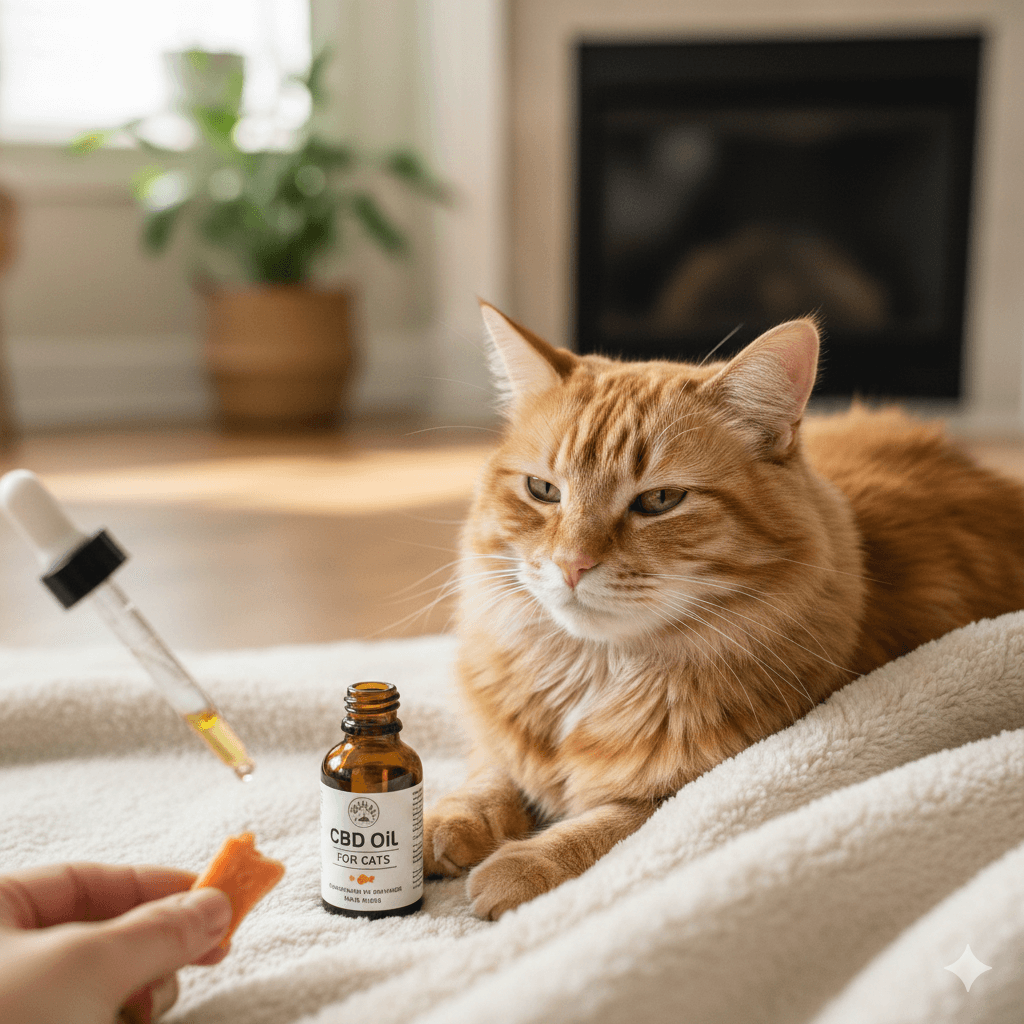
How CBD Oil May Support Arthritic Cats
CBD (cannabidiol) is a non-psychoactive compound derived from hemp that interacts with your cat’s endocannabinoid system—a network that helps regulate pain, inflammation, and mood. Unlike THC, it won’t make your cat “high,” but it may modulate discomfort and improve quality of life. Though feline-specific studies are limited, growing anecdotal evidence and preliminary research suggest potential benefits:
- Natural Anti-Inflammatory Effects:
CBD may help reduce chronic inflammation in joints, addressing a root cause of arthritis pain rather than just masking symptoms. - Pain Signal Modulation:
By influencing receptors in the nervous system, CBD might alter how pain signals are processed in the brain and spinal cord. - Improved Mobility and Activity:
Many owners report their cats become more willing to play, stretch, or explore after consistent CBD use. - Anxiety and Stress Reduction:
Chronic pain often leads to tension; CBD’s calming properties may help ease emotional distress alongside physical discomfort. - Fewer Side Effects Than Some Medications:
Compared to long-term NSAID use (which can stress feline kidneys), high-quality CBD oil is generally well-tolerated when dosed properly.
While not a cure, CBD oil can be a thoughtful addition to a multi-modal arthritis management plan under veterinary supervision.
Check this guide 👉How Much CBD Oil Should I Give My Cat? Best 7 Expert Tips!
Check this guide 👉Coconut Oil for Cat Fleas: Best 7 Expert Tips!
Check this guide 👉Is Mineral Oil Safe for Cats? Best 7 Expert Tips!
Potential Benefits of CBD Oil | Important Considerations for Use |
|---|---|
May reduce joint inflammation | Always choose THC-free, pet-specific formulas |
Supports natural pain relief | Start with the lowest effective dose |
Encourages better sleep and rest | Avoid human CBD products—they may contain unsafe additives |
Enhances overall well-being | Effects can take 1–2 weeks to become noticeable |
Complements other joint supplements | Monitor for rare side effects like mild drowsiness or dry mouth |
Choosing the Right CBD Product for Your Cat
Not all CBD oils are created equal—especially for sensitive species like cats. Selecting a safe, effective product requires attention to sourcing, formulation, and transparency. A poor-quality product won’t just be ineffective; it could pose health risks. Prioritize these key factors:
- Third-Party Lab Testing (COAs):
Reputable brands provide Certificates of Analysis from independent labs verifying CBD content and absence of THC, heavy metals, pesticides, or solvents. - Full-Spectrum vs. Broad-Spectrum vs. Isolate:
For cats, broad-spectrum (THC-free but with other beneficial cannabinoids) is often preferred over full-spectrum due to THC sensitivity. - Organic Hemp Source:
Hemp absorbs toxins from soil, so organic farming ensures a cleaner, safer extract for your feline companion. - Cat-Specific Formulation:
Look for products designed for cats—proper concentration (typically 1–5 mg/mL), flavorless or mildly flavored, and free of xylitol, essential oils, or artificial ingredients. - Clear Dosage Instructions:
The label should include dosing by weight (e.g., mg per kg) and a calibrated dropper for precise administration.
When in doubt, consult your veterinarian—they may even carry trusted brands in-clinic or recommend specific products.
Safe Dosing Guidelines for Arthritic Cats
Dosing CBD for cats requires caution and patience. Less is often more, especially since feline metabolisms differ significantly from dogs or humans. Starting low and going slow minimizes risks and helps you find the “sweet spot” for your individual cat:
- Begin with 0.1–0.25 mg of CBD per kg of body weight, twice daily:
For a 5 kg (11 lb) cat, that’s roughly 0.5–1.25 mg per dose—often just 1–2 drops of a low-concentration oil. - Observe for 5–7 Days Before Adjusting:
Effects may be subtle at first; track mobility, mood, and appetite in a journal to spot trends. - Increase Gradually if Needed:
If no improvement after a week, raise the dose by 0.1 mg/kg increments every 3–4 days—never doubling abruptly. - Administer with Food for Better Absorption:
CBD is fat-soluble; mixing it with a small amount of wet food or fish oil enhances uptake. - Never Force or Stress Your Cat:
If your cat resists oral drops, consider CBD-infused treats—but ensure accurate dosing and avoid fillers.
Consistency matters: CBD builds up in the system over time, so daily use yields better results than sporadic dosing.
Integrating CBD into a Holistic Arthritis Plan
CBD oil works best as part of a comprehensive approach to feline joint health—not as a standalone solution. Combining it with environmental, nutritional, and medical strategies creates a supportive ecosystem for your aging cat:
- Joint-Supportive Diet:
Feed a high-quality, anti-inflammatory diet rich in omega-3 fatty acids (EPA/DHA from fish oil) to complement CBD’s effects. - Weight Management:
Extra pounds strain arthritic joints; work with your vet to maintain a lean, healthy weight through portion control and gentle activity. - Home Modifications:
Add ramps, low-sided litter boxes, and soft orthopedic beds to minimize joint stress during daily routines. - Gentle Physical Therapy:
Short sessions of assisted stretching or passive range-of-motion exercises (taught by a vet) can maintain flexibility. - Regular Veterinary Check-Ups:
Arthritis progresses over time; biannual exams allow for treatment adjustments and early detection of complications.
This multi-layered strategy ensures your cat receives physical, emotional, and nutritional support—not just symptom suppression.
What to Expect—and What to Watch For
While many cats respond positively to CBD oil, results vary by individual. Most owners notice subtle improvements within 1–2 weeks: easier movement, more grooming, or renewed interest in interaction. However, it’s essential to remain vigilant for rare adverse reactions or signs that CBD isn’t the right fit:
- Positive Changes to Celebrate:
Increased willingness to jump, longer grooming sessions, more purring, or returning to favorite sunny spots. - Possible Mild Side Effects:
Temporary drowsiness, slight dry mouth (increased water intake), or mild digestive upset—usually resolve with dose adjustment. - Signs to Discontinue Use:
Vomiting, diarrhea, excessive lethargy, or behavioral changes like hiding or aggression warrant immediate cessation and vet consultation. - Lack of Improvement After 3–4 Weeks:
If no benefits emerge despite proper dosing, CBD may not be effective for your cat—and that’s okay. Other options exist. - Drug Interactions:
CBD can affect how the liver processes certain medications (e.g., some seizure drugs); always disclose CBD use to your vet.
Patience and observation are your greatest tools—your cat’s behavior will tell you whether CBD is helping.
Complementary Therapies to Pair with CBD for Arthritic Cats
While CBD oil can be a valuable tool, combining it with other gentle, vet-approved therapies often yields the best outcomes for cats with arthritis. A multimodal approach addresses pain from multiple angles and enhances overall well-being without overburdening your cat’s system. Consider integrating these supportive strategies alongside CBD:
- Omega-3 Fatty Acid Supplementation:
High-quality fish oil rich in EPA and DHA helps reduce joint inflammation naturally and supports skin, coat, and kidney health. - Glucosamine and Chondroitin:
These joint-building blocks may help slow cartilage breakdown and improve synovial fluid quality over time—especially when started early. - Therapeutic Laser or Cold Laser Therapy:
Offered by many veterinary clinics, this non-invasive treatment reduces pain and boosts cellular repair in affected joints. - Heated or Orthopedic Cat Beds:
Warmth soothes stiff joints, and memory foam beds reduce pressure on hips and spine—encouraging restful, pain-free sleep. - Controlled Environmental Enrichment:
Low-impact play with wand toys, puzzle feeders, or window perches keeps your cat mentally stimulated without straining joints.
Used together thoughtfully, these therapies create a nurturing ecosystem that supports mobility, comfort, and emotional balance—giving your arthritic cat the best possible quality of life.
Frequently Asked Questions About CBD Oil for Cat Arthritis
Is CBD oil safe for cats?
Yes, when it’s THC-free, properly dosed, and sourced from a reputable pet-specific brand. Always consult your veterinarian before starting.
How long does it take for CBD to work for cat arthritis?
Most owners see gradual improvements in 7–14 days, though full effects may take 3–4 weeks of consistent use.
Can I give my cat human CBD oil?
No. Human products may contain THC, artificial flavors, or dosing that’s unsafe for cats. Always use feline-formulated CBD.
Will CBD oil cure my cat’s arthritis?
No—arthritis is chronic and progressive. CBD may help manage pain and inflammation but won’t reverse joint damage.
Are there alternatives to CBD for cat arthritis?
Yes, including prescription pain relievers (like gabapentin), joint supplements (glucosamine/chondroitin), laser therapy, and acupuncture.
Helping Your Arthritic Cat Thrive with Compassionate Care
Arthritis may slow your cat down, but it doesn’t have to steal their joy. With empathy, observation, and tools like CBD oil used wisely, you can restore comfort and dignity to their daily life. Every gentle leap onto the windowsill, every contented purr during petting, and every morning stretch becomes a quiet victory—one you helped make possible. Your cat may not say “thank you,” but their relaxed eyes, smoother movements, and renewed curiosity will speak volumes. In the end, it’s not about erasing aging, but honoring it with love, patience, and the best support modern care can offer. Because every cat deserves to feel safe, comfortable, and cherished—right to the very last purr.

Is Rawhide Bad for Cats? Best 7 Expert Tips! – Discover the risks, safe alternatives, and expert advice to keep your feline friend healthy and happy.

Is Rawhide Bad for Dogs? Best 7 Expert Tips! – Discover the risks, benefits, and safer alternatives to rawhides for your dog’s chewing needs.

Understanding Anorexia in Cats: Best 7 Expert Tips! – Learn why cats stop eating, spot warning signs, and discover how to help your feline regain appetite safely.

Understanding Anorexia in Dogs: Best 7 Expert Tips! – Learn causes, symptoms, and solutions to help your dog regain appetite and stay healthy.