
Understanding the Causes of Cat Flatulence
Flatulence in cats, while not always a cause for concern, can sometimes indicate underlying health issues or dietary imbalances. Understanding the common triggers—from food choices to digestive sensitivities—helps you address this smelly problem effectively. By identifying and managing these causes, you can ensure your feline friend stays comfortable and your home remains odor-free.
Common Causes of Flatulence in Cats
Flatulence in cats is often a result of digestive disturbances caused by various factors. While occasional gas is normal, persistent or excessive flatulence may signal an underlying issue that requires attention. Identifying the root cause is essential for addressing the problem effectively and ensuring your cat’s comfort.
- Dietary Indiscretion:
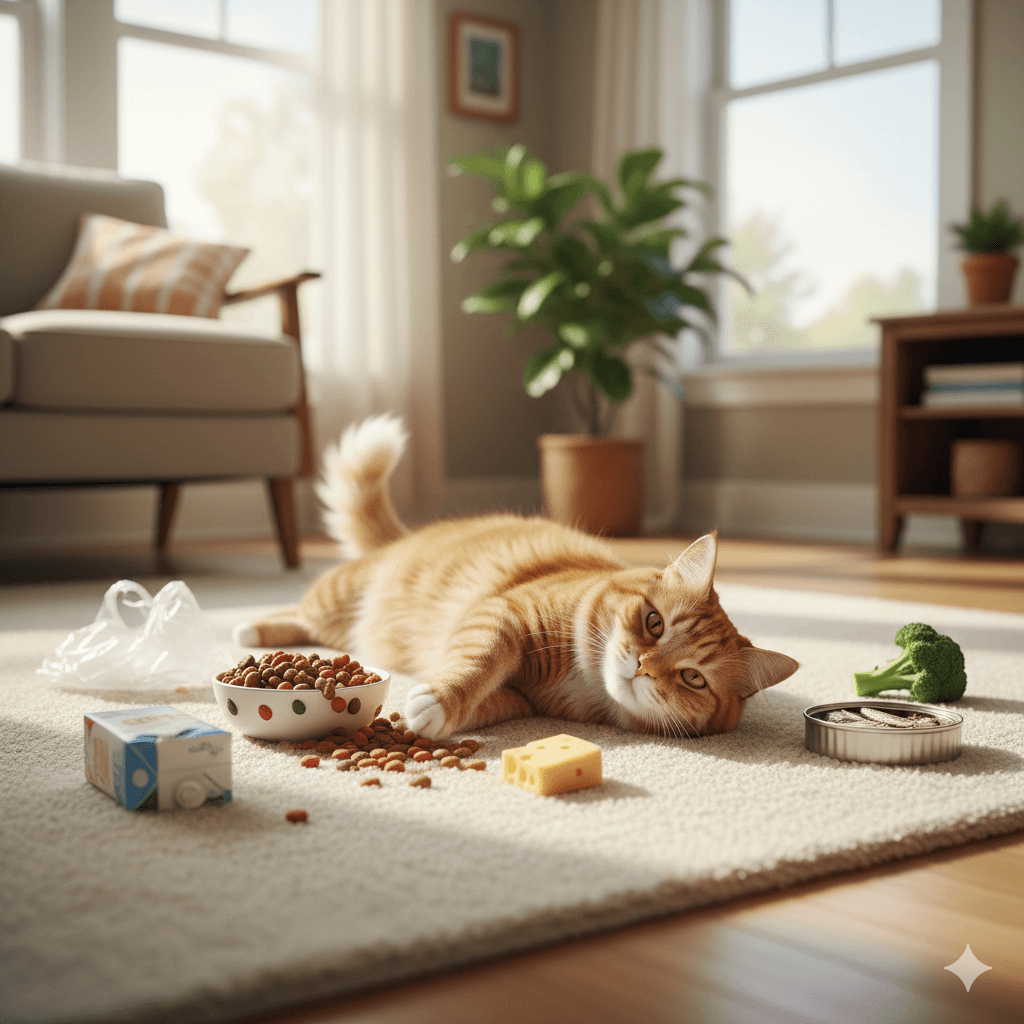
Cats are curious creatures and may ingest non-food items or inappropriate snacks, leading to digestive upset and gas. Consuming spoiled food or table scraps high in fat can also irritate their sensitive stomachs. - Food Intolerances or Allergies:
Certain ingredients, such as dairy, grains, or artificial additives, can trigger adverse reactions in cats. Lactose intolerance is particularly common, as many adult cats lack the enzyme needed to digest milk properly. - Low-Quality Cat Food:
Inexpensive or poorly formulated cat foods often contain fillers, by-products, and low-quality proteins that are difficult for cats to digest. These ingredients ferment in the gut, producing excess gas. - Eating Too Quickly:
When cats eat too fast, they tend to swallow air along with their food, which can lead to bloating and flatulence. This behavior is more common in multi-cat households where competition for food exists. - Underlying Health Conditions:
Conditions like inflammatory bowel disease (IBD), gastrointestinal parasites, or pancreatic insufficiency can disrupt digestion and contribute to excessive gas production. Chronic flatulence should always prompt a vet visit to rule out serious issues.
Understanding these causes allows you to make informed decisions about your cat’s diet and lifestyle, reducing the likelihood of uncomfortable gas episodes.
How Diet Influences Cat Flatulence
A cat’s diet plays a pivotal role in their digestive health, and certain dietary choices can significantly increase the risk of flatulence. By evaluating what your cat eats, you can identify potential culprits and make adjustments to minimize gas production.
- High-Fiber Diets:
While fiber aids digestion in humans, cats have limited tolerance for it. Excessive fiber in their diet can lead to fermentation in the colon, resulting in gas buildup. - Meat-Based Proteins vs. Plant-Based Fillers:
Cats are obligate carnivores, meaning their bodies are designed to process animal-based proteins efficiently. Plant-based fillers or vegetarian diets can overwhelm their digestive systems and cause gas. - Switching Foods Abruptly:
Sudden changes in diet disrupt the balance of gut bacteria, leading to temporary digestive upset and flatulence. Gradual transitions over 7–10 days help prevent this issue. - Treat Overload:
Excessive treats, especially those containing carbohydrates or artificial ingredients, can overload the digestive system and contribute to gas. Moderation is key to maintaining digestive harmony. - Moisture Content in Food:
Dry kibble lacks moisture, which can slow digestion and promote gas formation. Wet or raw foods provide hydration and support smoother digestion, reducing flatulence risks.
By focusing on high-quality, species-appropriate nutrition, you can significantly reduce the occurrence of flatulence in your cat while promoting overall digestive wellness.
Check this guide 👉Bacteria in Cat Poop: Best 7 Expert Tips!
Check this guide 👉Are Worms in Cat Poop Contagious? Best 7 Expert Tips!
Check this guide 👉Hookworms in Cat Poop: Best 7 Expert Tips!
Signs of Harmless Flatulence | Signs of Serious Concern |
|---|---|
Occasional mild gas | Frequent or foul-smelling gas |
No other symptoms present | Vomiting or diarrhea accompanies flatulence |
Normal appetite and energy levels | Weight loss or decreased appetite |
Temporary after dietary changes | Blood in stool or vomit |
Resolves within 1–2 days | Persistent flatulence despite interventions |
Signs That Cat Flatulence May Indicate a Serious Problem
While occasional flatulence is generally harmless, certain accompanying symptoms may indicate a more serious underlying condition. Recognizing these signs ensures timely veterinary intervention and prevents complications.
- Frequent Vomiting:
If your cat vomits regularly alongside passing gas, it could signal gastrointestinal obstruction, food allergies, or pancreatitis. Persistent vomiting warrants immediate attention. - Diarrhea or Constipation:
Changes in stool consistency, especially when paired with flatulence, suggest digestive distress or infection. Blood or mucus in the stool is particularly concerning. - Weight Loss or Decreased Appetite:
Unexplained weight loss or refusal to eat indicates malabsorption or systemic illness, both of which require thorough veterinary evaluation. - Lethargy or Weakness:
Flatulence accompanied by unusual tiredness or reluctance to move points to possible nutrient deficiencies or severe gastrointestinal issues. - Abdominal Pain or Swelling:
Cats showing signs of discomfort, such as hunching or vocalizing during bowel movements, may be experiencing intestinal blockages or other critical conditions.
Monitoring these symptoms closely helps differentiate between benign flatulence and potentially life-threatening problems. Early detection and treatment improve outcomes significantly.
How to Reduce Flatulence Through Dietary Adjustments
Dietary management is one of the most effective ways to address flatulence in cats. By making thoughtful changes to your cat’s meals, you can promote healthier digestion and minimize gas production.
- Choose High-Quality Protein Sources:
Opt for cat foods made with high-quality animal proteins like chicken, turkey, or fish. Avoid products containing meat by-products or plant-based proteins. - Limit Carbohydrates and Fillers:
Cats don’t need large amounts of carbs in their diet. Look for formulas with minimal grains, potatoes, or legumes, which can ferment in the gut and cause gas. - Introduce Probiotics:
Probiotic supplements or foods fortified with beneficial bacteria help restore gut flora balance, improving digestion and reducing flatulence. - Serve Smaller, More Frequent Meals:
Feeding smaller portions throughout the day prevents overeating and reduces the chance of swallowed air contributing to gas buildup. - Avoid Dairy Products:
Most adult cats are lactose intolerant. Eliminating milk, cheese, and other dairy items from their diet alleviates bloating and gas caused by undigested lactose.
These dietary strategies not only address flatulence but also enhance your cat’s overall digestive health and well-being.
Environmental Factors Contributing to Cat Flatulence
Your cat’s environment and daily habits can influence their digestive health and contribute to flatulence. Addressing these external factors creates a supportive atmosphere for better digestion.
- Stress and Anxiety:
Environmental changes, loud noises, or conflicts with other pets disrupt the gut-brain axis, leading to digestive issues and increased gas production. - Lack of Exercise:
Physical activity stimulates digestion and prevents stagnation in the gastrointestinal tract. Sedentary cats are more prone to bloating and flatulence. - Overcrowded Feeding Areas:
Competition for food in multi-cat households encourages rapid eating, which introduces excess air into the digestive system and causes gas. - Exposure to Toxic Substances:
Household chemicals, plants, or foreign objects ingested accidentally can irritate the stomach and intestines, leading to flatulence and other symptoms. - Inadequate Hydration:
Dehydration slows digestion and promotes constipation, both of which increase the likelihood of gas buildup in the colon.
Creating a calm, enriching environment supports your cat’s physical and emotional health, reducing the frequency of flatulence episodes.
When to Consult a Veterinarian About Cat Flatulence
While mild flatulence is rarely a cause for concern, certain situations necessitate professional veterinary care. Knowing when to seek help ensures your cat receives timely treatment and avoids complications.
- Persistent or Severe Flatulence:
If your cat experiences frequent or unusually strong-smelling gas despite dietary adjustments, further investigation is needed to identify hidden issues. - Blood in Stool or Vomit:
The presence of blood indicates serious gastrointestinal damage or infection requiring immediate medical attention. - Significant Weight Loss:
Rapid or unexplained weight loss alongside flatulence suggests malnutrition or systemic disease, both of which demand urgent care. - Behavioral Changes:
Cats exhibiting lethargy, aggression, or withdrawal due to discomfort may be suffering from chronic pain or illness that needs addressing. - No Improvement After Dietary Changes:
If modifying your cat’s diet fails to alleviate flatulence, diagnostic tests may reveal underlying conditions like IBD, parasites, or enzyme deficiencies.
Veterinary guidance provides clarity and peace of mind, ensuring your cat receives the best possible care.
Preventive Measures to Minimize Cat Flatulence
Preventing flatulence involves proactive measures to maintain your cat’s digestive health and overall well-being. Implementing these strategies minimizes the risk of gas buildup and promotes a harmonious household.
- Regular Veterinary Check-Ups:
Routine exams catch early signs of digestive issues before they escalate into chronic problems, allowing for timely intervention. - Maintain a Consistent Diet:
Avoid sudden food changes and stick to high-quality, easily digestible formulas tailored to your cat’s age, breed, and health needs. - Monitor Treat Intake:
Limit treats to no more than 10% of your cat’s daily caloric intake, choosing options free from artificial additives or high-carb ingredients. - Provide Mental and Physical Stimulation:
Interactive toys, climbing structures, and playtime sessions keep your cat active and engaged, supporting healthy digestion and stress reduction. - Secure Household Hazards:
Keep toxic substances, small objects, and inappropriate foods out of reach to prevent accidental ingestion and subsequent digestive upset.
Taking these preventive steps ensures your cat enjoys optimal digestive health and a happy, comfortable life.
“Cats that consume a lot of food very quickly might take in a lot of air while they eat. This causes an upset stomach and flatulence for some cats.” – Vanesa Farmer, DVM
Frequently Asked Questions About Cat Flatulence Causes
Why is my cat so gassy all of a sudden?
Sudden flatulence in cats can result from dietary changes, food intolerances, or stress. Check recent alterations to their diet or environment and consult your vet if symptoms persist.
Is it normal for cats to pass gas occasionally?
Yes, occasional flatulence is normal and often harmless. However, frequent or foul-smelling gas may indicate an underlying issue requiring attention.
Can hairballs cause flatulence in cats?
Hairballs typically don’t cause flatulence but can lead to gastrointestinal discomfort. Excessive grooming or shedding might contribute to digestive issues indirectly.
Are probiotics safe for cats with flatulence?
Yes, probiotics are generally safe and beneficial for cats with flatulence. They help restore gut flora balance and improve digestion when used as directed.
What foods should I avoid to prevent cat flatulence?
Avoid dairy products, high-fiber foods, artificial additives, and low-quality proteins. Stick to species-appropriate diets rich in animal-based proteins and minimal fillers.
Supporting Your Cat’s Digestive Health for a Happier Home
Flatulence in cats, while sometimes amusing, can also be a sign of digestive distress or underlying health issues. By understanding the causes—from dietary choices to environmental factors—you empower yourself to take proactive steps toward your cat’s well-being. Whether through thoughtful nutrition, regular vet check-ups, or enriching their environment, every effort you make contributes to a healthier, happier feline companion. Remember, addressing flatulence isn’t just about eliminating odors—it’s about ensuring your cat feels comfortable and cared for in every way. With patience, dedication, and expert guidance, you can create a harmonious home where both you and your furry friend thrive together.

Is Rawhide Bad for Cats? Best 7 Expert Tips! – Discover the risks, safe alternatives, and expert advice to keep your feline friend healthy and happy.

Is Rawhide Bad for Dogs? Best 7 Expert Tips! – Discover the risks, benefits, and safer alternatives to rawhides for your dog’s chewing needs.

Understanding Anorexia in Cats: Best 7 Expert Tips! – Learn why cats stop eating, spot warning signs, and discover how to help your feline regain appetite safely.

Understanding Anorexia in Dogs: Best 7 Expert Tips! – Learn causes, symptoms, and solutions to help your dog regain appetite and stay healthy.