
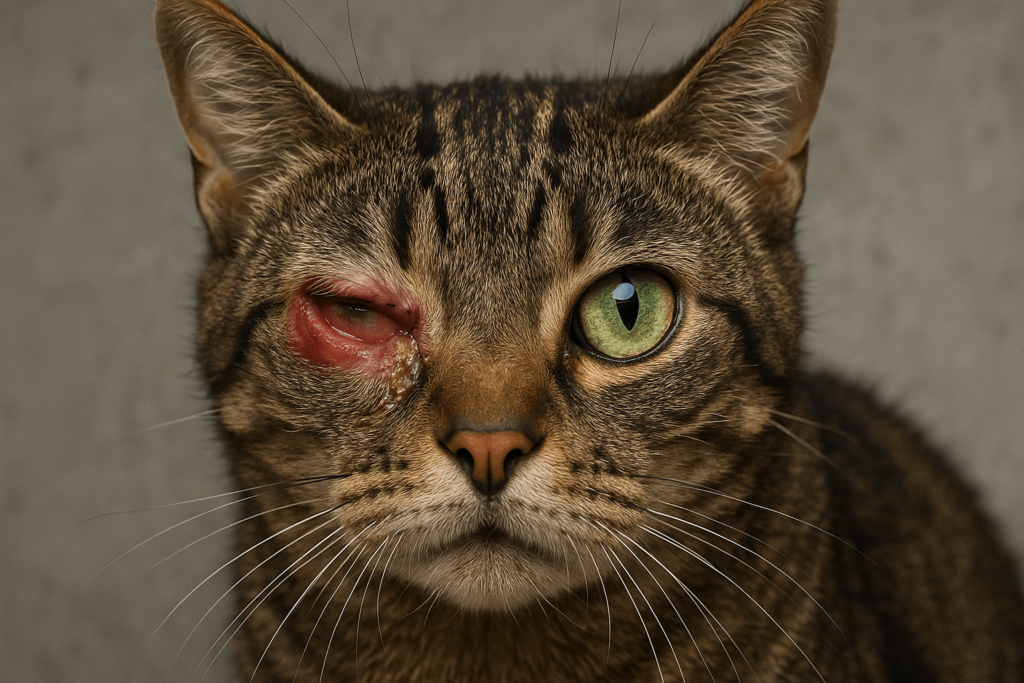

Causes of Cat Eye Infection: What Every Cat Owner Should Know
Cat eye infections are more common than many pet owners realize—and often more serious than they appear. Whether you notice watery discharge, squinting, redness, or cloudiness, these symptoms can signal anything from a mild irritation to a potentially vision-threatening condition. Understanding the causes of cat eye infection is the first step toward early detection, proper care, and preventing long-term complications. This guide explores the most frequent culprits behind feline eye issues and how you can protect your cat’s precious sight.
Common Infectious Causes of Cat Eye Infections
Eye infections in cats are frequently triggered by pathogens that target the delicate tissues of the eye. These microorganisms can spread rapidly, especially in multi-cat households or outdoor environments.
Feline Herpesvirus (FHV-1):
This highly contagious virus is the leading cause of upper respiratory infections and conjunctivitis in cats. It often flares during times of stress and can lead to chronic or recurrent eye issues.Chlamydia felis:
A bacterial infection that primarily causes conjunctivitis, especially in kittens and young cats. It spreads through direct contact and can affect both eyes over time.Mycoplasma spp.:
These bacteria contribute to mild to moderate eye inflammation and may occur alongside other infections like herpesvirus.Calicivirus:
While better known for causing oral ulcers and respiratory signs, feline calicivirus can also lead to secondary eye irritation and discharge.Fungal Infections (e.g., Cryptococcus):
Rare but serious, fungal infections typically affect immunocompromised cats and may cause swelling, cloudiness, or even vision loss if untreated.
Prompt veterinary attention is essential when an infectious agent is suspected—not only to preserve your cat’s eye health but to prevent transmission to other pets.
Non-Infectious Triggers of Eye Irritation and Inflammation
Not all eye issues stem from germs. Many cases are caused by environmental, physical, or systemic factors that irritate or damage ocular tissues.
Foreign Bodies:
Grass seeds, dust, or even loose eyelashes can lodge in the eye, causing redness, tearing, and rubbing.Allergies:
Cats can develop allergic reactions to pollen, mold, cleaning products, or perfumes, leading to watery, itchy eyes.Trauma or Injury:
Scratches from play, fights, or accidental bumps can result in corneal ulcers or inflammation that mimics infection.Dry Eye (Keratoconjunctivitis Sicca):
Though rare in cats compared to dogs, insufficient tear production can cause chronic irritation and secondary infections.Entropion or Ectropion:
These eyelid abnormalities—where the lid rolls inward or outward—can disrupt normal tear flow and expose the eye to irritation.
Identifying non-infectious causes is just as crucial as treating infections, since addressing the root issue prevents unnecessary antibiotic use and recurrence.
Check this guide 👉How Long Do Cat Eye Infections Last? Best 7 Expert Tips!
Check this guide 👉Cat Eye Inflammation: Best 7 Expert Tips!
Check this guide 👉Understanding Cat Eye Language: Best 7 Expert Tips!
| Infectious Causes | Non-Infectious Causes |
|---|---|
| Feline Herpesvirus (FHV-1) | Foreign bodies (dust, plant material) |
| Chlamydia felis | Environmental allergies |
| Mycoplasma bacteria | Trauma or corneal scratches |
| Feline calicivirus | Dry eye (KCS) |
| Fungal pathogens (e.g., Cryptococcus) | Eyelid abnormalities (entropion/ectropion) |
How Upper Respiratory Infections Lead to Eye Problems
Many cat owners are surprised to learn that a “cold” can quickly turn into a serious eye issue. In felines, the eyes and nasal passages are closely connected anatomically and immunologically.
Shared Mucosal Pathways:
The tear ducts drain into the nasal cavity, allowing viruses like herpesvirus to spread easily from the nose to the eyes.Weakened Local Immunity:
During respiratory illness, the eye’s natural defenses may be compromised, making secondary bacterial infections more likely.Nasal Congestion Forces Mouth Breathing:
This dries out the eyes and reduces protective blinking, increasing irritation and infection risk.Stress from Illness Triggers Herpes Reactivation:
Cats who carry latent FHV-1 often experience eye flare-ups during or after any illness.Kittens Are Especially Vulnerable:
Their immature immune systems struggle to control viral replication, leading to severe conjunctivitis or corneal ulcers.
Treating the underlying respiratory condition often resolves the eye symptoms—but some cases require targeted ophthalmic therapy to prevent permanent damage.
Environmental and Lifestyle Risk Factors
Your home environment and your cat’s daily habits play a significant role in eye health, often more than you might expect.
Multi-Cat Households:
Close contact increases the risk of contagious infections like chlamydia or herpesvirus spreading from one cat to another.Outdoor Access:
Cats that go outside face higher exposure to allergens, trauma from fights, and pathogens in soil or water.Poor Air Quality:
Smoke, strong cleaning chemicals, or airborne dust can irritate sensitive feline eyes.Inadequate Grooming:
Long-haired cats may develop tear staining or bacterial buildup around the eyes if facial fur isn’t kept clean.Infrequent Veterinary Checkups:
Subtle eye changes can go unnoticed until they become advanced—regular exams catch problems early.
Modifying these risk factors—even small changes like using fragrance-free detergents or keeping outdoor cats indoors during allergy season—can significantly reduce infection rates.
Signs That Indicate a Serious Eye Infection
Not all eye discharge is cause for alarm, but certain symptoms warrant immediate veterinary care to prevent vision loss or systemic illness.
Cloudy or Hazy Cornea:
This may indicate a corneal ulcer or uveitis, both of which require urgent treatment.Persistent Squinting or Holding Eye Closed:
Pain is a red flag—cats rarely show discomfort unless it’s significant.Green or Yellow Discharge:
Purulent discharge often signals bacterial infection, especially if it’s thick and foul-smelling.Swollen Eyelids or Protruding Third Eyelid:
These suggest inflammation or nerve involvement that needs professional evaluation.Changes in Pupil Size or Eye Color:
Uneven pupils or a red/blue tint can point to glaucoma, trauma, or internal eye disease.
Never wait to see if symptoms “go away on their own.” The eye is a delicate organ—delaying care can mean the difference between full recovery and permanent damage.
Diagnostic Steps Vets Use to Identify the Cause
Accurately diagnosing the cause of a cat eye infection requires more than a visual exam. Veterinarians use a combination of tools and tests to pinpoint the issue.
Fluorescein Stain Test:
A harmless orange dye highlights corneal ulcers or scratches under blue light.Schirmer Tear Test:
Measures tear production to rule out dry eye, especially in chronic cases.Cytology or Culture Swabs:
Collects cells or discharge to identify bacteria, fungi, or abnormal immune cells.PCR Testing:
Detects viral DNA (like FHV-1) from eye swabs with high accuracy, even in latent cases.Intraocular Pressure Measurement:
Checks for glaucoma if the eye appears enlarged or painful.
These diagnostics ensure treatment is precise—avoiding guesswork and preventing unnecessary medication.
Treatment Options Based on Underlying Cause
Effective treatment depends entirely on the root cause. A one-size-fits-all approach can delay healing or worsen the condition.
Antiviral Eye Drops (e.g., Cidofovir, Idoxuridine):
Used for confirmed or suspected herpesvirus infections to suppress viral replication.Antibiotic Ointments or Drops:
Prescribed for bacterial causes like chlamydia or secondary infections from ulcers.Anti-Inflammatory Medications:
Help reduce swelling and pain but are used cautiously to avoid masking worsening conditions.Lubricating Artificial Tears:
Support healing in dry eye or post-viral cases by keeping the cornea moist.Environmental Management + Immune Support:
L-Lysine (though debated), stress reduction, and isolation during outbreaks help control recurrent herpes.
Always complete the full course of treatment—even if the eye looks better—unless your vet advises otherwise.
Frequently Asked Questions About Cat Eye Infections
Why does only one of my cat’s eyes look infected?
Many causes—like trauma or a foreign body—affect only one eye. However, contagious infections often start in one eye and spread to the other within days.
Can I use human eye drops on my cat?
No. Many human eye products contain ingredients that are toxic or ineffective for cats. Always use veterinary-approved medications.
How long does a cat eye infection last?
Viral conjunctivitis may improve in 5–10 days but can recur. Bacterial infections typically respond within 3–5 days of proper antibiotics. Chronic cases may require weeks of care.
Is my cat’s eye infection contagious to other pets or humans?
Feline herpesvirus and chlamydia are highly contagious to other cats—but not to dogs or humans. Still, practice good hygiene and isolate affected cats.
When should I take my cat to the vet for an eye issue?
At the first sign of squinting, cloudiness, colored discharge, or if your cat is rubbing their eye excessively. Early intervention prevents complications.
Protect Your Cat’s Vision with Knowledge and Care
Eye health is a window into your cat’s overall well-being—and often one of the first places illness reveals itself. By understanding the causes of cat eye infection, you’re better equipped to spot warning signs early, seek timely care, and create a safer, cleaner environment that supports long-term ocular health. Never ignore subtle changes; your vigilance today can preserve your cat’s bright, curious gaze for years to come.
Understanding Cryptosporidium in Cats: Best 7 Expert Tips! – Spot symptoms, treat safely, and stop parasite spread in your home.
Understanding Cryptosporidium in Dogs: Best 7 Expert Tips! – Learn symptoms, treatment & prevention for this stubborn gut parasite.
Understanding Syringomyelia in Cats: Best 7 Expert Tips! – Recognize signs, manage pain, and support your cat’s neurological health with vet-backed guidance.
Understanding Syringomyelia in Dogs: Best 7 Expert Tips! – Expert insights on symptoms, MRI diagnosis, pain management & quality of life.


