
Understanding Cat Wheat Allergies: What You Need to Know
Wheat allergies in cats are more common than many pet owners realize, often manifesting as skin irritation, digestive upset, or respiratory issues. Identifying and managing this condition is crucial for ensuring your feline friend’s comfort and well-being. By recognizing the symptoms early and making dietary adjustments, you can provide relief and improve their quality of life.
Symptoms of Wheat Allergy in Cats
Wheat allergies in cats often present with a range of symptoms that can vary in severity. These signs typically affect the skin, digestive system, or respiratory tract, making it essential to recognize them early. Since wheat is a common ingredient in many commercial cat foods, owners should be vigilant about changes in their cat’s health after introducing new diets. Persistent or worsening symptoms may indicate an allergic reaction and warrant veterinary attention.
- Itchy Skin and Hair Loss:
Cats with wheat allergies frequently develop intense itching, leading to excessive scratching, biting, or licking at their skin. This behavior often results in hair loss, bald patches, or secondary infections due to broken skin. - Red and Inflamed Skin:
Allergic reactions can cause redness, swelling, or scabs on the skin, particularly around the face, ears, paws, and belly. These areas may become sensitive to touch or develop a rash-like appearance. - Gastrointestinal Upset:
Vomiting, diarrhea, or frequent regurgitation are common digestive symptoms of wheat allergies. Some cats may also experience bloating or gurgling sounds from their abdomen after eating wheat-containing foods. - Respiratory Issues:
In rare cases, wheat allergies can trigger respiratory symptoms such as sneezing, coughing, or wheezing. These signs may be mistaken for other conditions like asthma or upper respiratory infections. - Chronic Ear Infections:
Recurrent ear infections or inflammation (otitis externa) are often linked to food allergies, including wheat. Cats may shake their heads, scratch their ears, or exhibit foul-smelling discharge.
Understanding these symptoms helps you identify potential wheat allergies and take proactive steps toward diagnosis and treatment. Early intervention minimizes discomfort and prevents long-term complications.
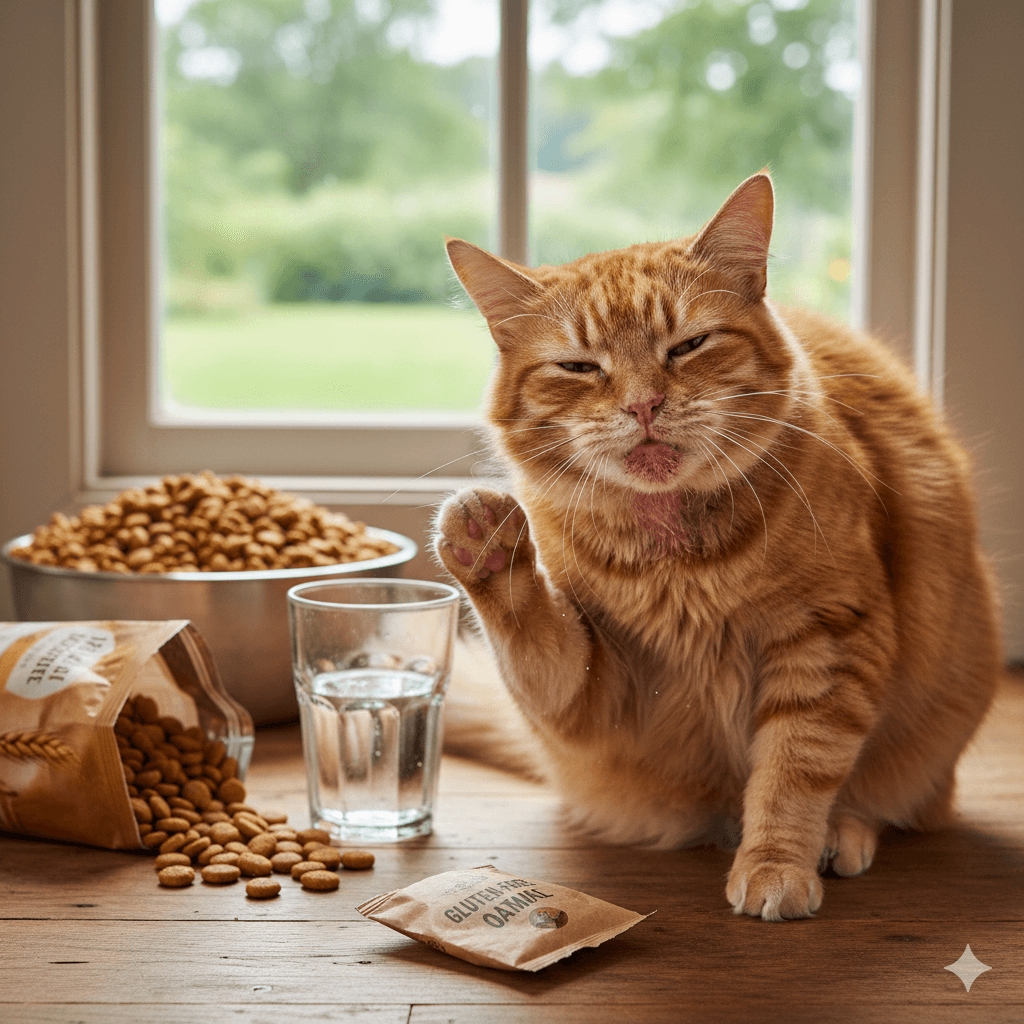
Causes of Wheat Allergies in Cats
Wheat allergies occur when a cat’s immune system mistakenly identifies wheat proteins as harmful invaders, triggering an inflammatory response. While the exact cause of this hypersensitivity remains unclear, several factors contribute to its development. Identifying these causes provides insight into why some cats are more prone to wheat allergies than others.
- Genetic Predisposition:
Certain breeds, such as Siamese or Devon Rex cats, may have a higher likelihood of developing food allergies, including those triggered by wheat. Genetics play a significant role in immune system sensitivity. - Immature Immune Systems:
Kittens and young cats with underdeveloped immune systems are more susceptible to allergens like wheat as their bodies learn to distinguish between safe and harmful substances. - Overexposure to Wheat:
Frequent inclusion of wheat in commercial cat foods increases the risk of sensitization over time. Repeated exposure can lead to an exaggerated immune response. - Environmental Triggers:
Stress, illness, or concurrent allergies (e.g., pollen or flea bites) can exacerbate wheat sensitivity, making symptoms more pronounced or difficult to manage. - Low-Quality Ingredients:
Poorly processed wheat or low-grade grains in cheap pet foods may contain contaminants or additives that irritate sensitive digestive systems.
By understanding these underlying causes, you can make informed decisions about your cat’s diet and lifestyle to reduce the risk of wheat-related issues.
Check this guide 👉Cat Allergic Reaction to Shampoo: Best 7 Expert Tips!
Check this guide 👉Cat Allergic to Pork Symptoms: Best 7 Expert Tips!
Check this guide 👉Does Fish Oil Help with Cat Allergies: Best 7 Expert Tips!
Lorem ipsum dolor sit amet, consectetur adipiscing elit. Ut elit tellus, luctus nec ullamcorper mattis, pulvinar dapibus leo.
Diagnosing Wheat Allergies in Cats
Diagnosing a wheat allergy requires careful observation and collaboration with your veterinarian. Since symptoms overlap with other conditions, pinpointing the exact cause can be challenging. A systematic approach ensures accurate identification of wheat as the allergen, allowing for targeted treatment and dietary adjustments.
- Detailed Medical History:
Your vet will review your cat’s medical records, diet history, and symptom timeline to identify patterns that suggest a wheat allergy. - Elimination Diet Trial:
A strict elimination diet removes all potential allergens, including wheat, for 8–12 weeks. Gradual reintroduction helps confirm whether wheat triggers symptoms. - Food Sensitivity Testing:
Blood tests or saliva analyses screen for specific antibodies against wheat proteins, though results may not always align with clinical signs. - Skin Patch Testing:
Small amounts of wheat extract are applied to shaved skin patches to observe localized reactions, providing additional diagnostic clues. - Ruling Out Other Conditions:
Conditions like parasites, infections, or other food allergies must be excluded to ensure wheat is the true culprit behind your cat’s symptoms.
Accurate diagnosis lays the foundation for effective management, ensuring your cat receives the care they need to thrive without wheat-related discomfort.
Best Alternatives to Wheat in Cat Food
Switching to wheat-free diets is essential for managing wheat allergies in cats. Fortunately, many high-quality alternatives provide balanced nutrition while avoiding problematic ingredients. Choosing the right substitutes ensures your cat enjoys a healthy, satisfying diet tailored to their needs.
- Grain-Free Formulas:
Grain-free cat foods replace wheat with nutrient-rich ingredients like sweet potatoes, peas, or lentils, offering safe carbohydrate sources. - Novel Protein Sources:
Diets featuring novel proteins like duck, venison, or rabbit minimize the risk of cross-reactivity with wheat-based foods. - Hydrolyzed Proteins:
Hydrolyzed protein formulas break down proteins into tiny molecules, reducing the likelihood of triggering an immune response. - Limited Ingredient Diets (LID):
LIDs contain minimal ingredients, focusing on one protein and one carbohydrate source to simplify allergen identification and management. - Homemade Meals:
Preparing homemade meals with vet-approved recipes allows complete control over ingredients, ensuring no hidden wheat exposure occurs.
Exploring these alternatives empowers you to create a customized feeding plan that supports your cat’s health and happiness.
Managing Wheat Allergies Through Diet
Dietary management is the cornerstone of treating wheat allergies in cats. By eliminating wheat and replacing it with hypoallergenic options, you can significantly improve your cat’s quality of life. Consistency and attention to detail are key to preventing accidental exposure and maintaining long-term wellness.
- Reading Labels Carefully:
Check ingredient lists for hidden sources of wheat, such as wheat flour, bran, or gluten, which may appear under different names. - Avoiding Cross-Contamination:
Ensure preparation surfaces, utensils, and storage containers are free of wheat residue to prevent accidental ingestion during mealtime. - Transitioning Gradually:
Introduce new foods slowly over 7–10 days to avoid upsetting your cat’s digestive system and monitor for adverse reactions. - Supplementing Nutrients:
Some wheat-free diets may lack essential vitamins or minerals; consult your vet about supplements to maintain optimal nutrition. - Monitoring Progress:
Track improvements in symptoms like itching, vomiting, or ear infections to evaluate the effectiveness of dietary changes.
With careful planning and consistent implementation, dietary adjustments offer lasting relief for cats with wheat allergies.
Preventing Wheat Exposure in Cats
Preventing wheat exposure is critical for managing allergies and avoiding flare-ups. Proactive measures reduce the risk of accidental ingestion and promote a safer environment for your feline companion. Awareness and diligence are vital to protecting your cat’s health.
- Choosing High-Quality Foods:
Opt for reputable brands that prioritize transparency and list all ingredients clearly on packaging to avoid hidden wheat derivatives. - Educating Family Members:
Ensure everyone in the household understands the importance of keeping wheat-containing foods away from your cat’s reach. - Securing Trash Cans:
Use pet-proof trash bins to prevent scavenging behaviors that could expose your cat to leftover wheat products or scraps. - Training Commands:
Teach commands like “leave it” to discourage your cat from investigating potentially harmful items on countertops or floors. - Regular Vet Check-Ups:
Routine exams help detect early signs of wheat exposure or related complications, allowing timely intervention.
These preventive strategies safeguard your cat’s well-being and reinforce a wheat-free lifestyle.
Long-Term Outlook for Cats with Wheat Allergies
While wheat allergies require ongoing management, most cats enjoy a high quality of life with proper care and attention. Understanding the long-term implications of this condition prepares you for sustained success in managing your cat’s health. Consistency and commitment are key to minimizing symptoms and maximizing comfort.
- Chronic Symptom Management:
Some cats may experience occasional flare-ups despite strict dietary adherence; prompt action reduces discomfort and prevents escalation. - Improved Coat and Skin Health:
Eliminating wheat often leads to shinier coats, reduced itching, and healthier skin, reflecting overall improved well-being. - Enhanced Digestive Function:
Switching to wheat-free diets stabilizes digestion, reducing episodes of vomiting, diarrhea, or bloating over time. - Strengthened Immune System:
Balanced nutrition supports immune resilience, lowering the risk of secondary infections or complications. - Increased Lifespan and Happiness:
With proper care, cats with wheat allergies live full, active lives, enjoying close bonds with their families and thriving in their environments.
By embracing these principles, you create a nurturing environment where your cat can flourish despite their wheat allergy.
“Since the same holds true for carbohydrates, the vegetables that are frequently used in cat foods—wheat, barley, and corn, for instance—would be excluded from the novel diet and replaced by, for example, potato.” — Carolyn McDaniel, VMD
Frequently Asked Questions About Wheat Allergies in Cats
Can cats outgrow wheat allergies?
Unlike some food intolerances, wheat allergies in cats are typically lifelong conditions that require ongoing management through dietary adjustments.
How long does it take to see improvement after switching diets?
Most cats show noticeable improvements within 4–8 weeks of starting a wheat-free diet, though full recovery may take longer depending on symptom severity.
Are wheat-free diets more expensive?
While high-quality wheat-free foods may cost slightly more, they often provide better nutrition and reduce vet bills associated with managing allergic reactions.
What if my cat accidentally eats wheat?
Monitor your cat closely for symptoms like itching or vomiting. If severe reactions occur, contact your vet immediately for guidance.
Can I feed my cat treats containing wheat?
Avoid all wheat-containing treats, as even small amounts can trigger allergic reactions in sensitive cats. Opt for hypoallergenic or grain-free alternatives instead.
Supporting Your Cat Through Wheat Allergy Challenges
Managing a wheat allergy in your cat requires patience, dedication, and a proactive approach to their health. By eliminating wheat from their diet and providing hypoallergenic alternatives, you create a foundation for long-term comfort and wellness. Regular veterinary check-ups, careful monitoring, and preventive measures ensure your cat thrives despite their sensitivity. Remember, every small step you take demonstrates your unwavering commitment to their happiness and well-being—a bond that grows stronger with each challenge overcome together.

Is Rawhide Bad for Cats? Best 7 Expert Tips! – Discover the risks, safe alternatives, and expert advice to keep your feline friend healthy and happy.

Is Rawhide Bad for Dogs? Best 7 Expert Tips! – Discover the risks, benefits, and safer alternatives to rawhides for your dog’s chewing needs.

Understanding Anorexia in Cats: Best 7 Expert Tips! – Learn why cats stop eating, spot warning signs, and discover how to help your feline regain appetite safely.

Understanding Anorexia in Dogs: Best 7 Expert Tips! – Learn causes, symptoms, and solutions to help your dog regain appetite and stay healthy.