

Cat Tail Injury: What You Need to Know
A cat’s tail is much more than just an adorable feature—it plays a crucial role in their balance, communication, and overall well-being. However, this delicate appendage is also prone to injuries due to its frequent movement and exposure. Whether caused by accidents, rough play, or underlying health issues, a cat tail injury can be alarming for pet owners. Understanding the causes, symptoms, and treatment options is essential to ensure your feline friend receives the care they need. In this blog post, we’ll explore everything you need to know about cat tail injuries, from prevention to recovery, so you can keep your cat happy and healthy.
Expert Insight on Self-Mutilation and Cat Tail Injuries
Some cat tail injuries are also the result of self-mutilation. Flea allergies, food allergies, and stress may contribute to this type of injury, says DiGiacomo. “But less commonly, self mutilation of the tail may be caused by a condition called feline hyperesthesia syndrome,” she says.
Common Causes of Cat Tail Injuries
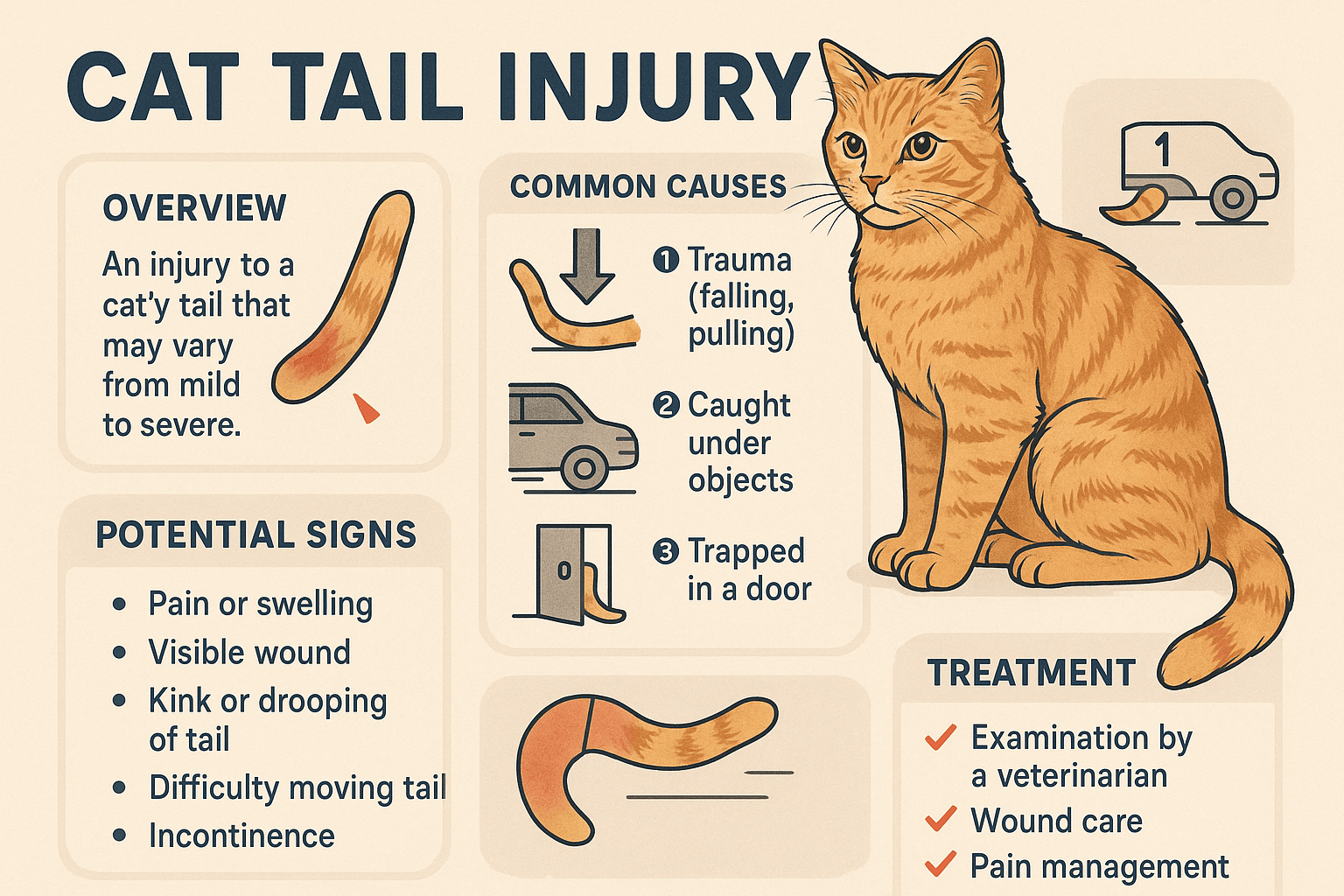
Cat tail injuries can occur in various ways, often stemming from everyday situations that may seem harmless at first glance. Recognizing these common causes can help you take preventive measures.
Accidents During Play:
Cats love to leap and chase toys, but landing awkwardly or getting stepped on can lead to tail trauma.Doors and Furniture Pinches:
A cat’s tail can get caught in doors or crushed under heavy furniture, causing bruising or fractures.Fights with Other Animals:
Aggressive encounters with other pets or wildlife can result in bites or scratches to the tail.Car Accidents:
Outdoor cats are particularly vulnerable to tail injuries from vehicles, which can cause severe trauma.Underlying Medical Conditions:
Issues like arthritis, nerve damage, or infections can weaken the tail and make it more susceptible to injury.
By being aware of these potential hazards, you can take steps to minimize risks and protect your cat’s tail from harm.
Signs Your Cat May Have a Tail Injury
Identifying a tail injury early is key to preventing complications. Look out for these signs that may indicate your cat is in pain or discomfort.
Visible Swelling or Bruising:
Swollen or discolored areas on the tail can signal trauma or internal damage.Limp or Dragging Tail:
If your cat’s tail appears limp or is dragging on the ground, it could indicate nerve damage or a fracture.Excessive Licking or Chewing:
Cats often lick or chew injured areas to soothe themselves, which can worsen the condition.Changes in Behavior:
A normally active cat may become lethargic or avoid activities they once enjoyed due to pain.Difficulty Using the Tail:
Inability to wag, flick, or lift the tail suggests possible injury or muscle strain.
Recognizing these symptoms allows you to seek veterinary care promptly, ensuring your cat receives the attention they need.
Check this guide 👉Are Cat Tails Sensitive? Best 7 Expert Tips!
Check this guide 👉Understanding Why Cats Swish Their Tails: Best 7 Expert Tips
Check this guide 👉Cat Losing Hair at Base of Tail: Best 7 Expert Tips!
Preventive Measures for Cat Tail Injuries | Treatment Options for Tail Injuries |
|---|---|
Supervise playtime to prevent accidents | Apply cold compresses for minor swelling |
Keep doors closed to avoid tail pinches | Administer prescribed pain relief medication |
Provide safe outdoor spaces | Use bandages or splints for fractures |
Regular vet check-ups for early detection | Antibiotics for infections or open wounds |
Discourage aggressive behavior with other pets | Surgery for severe nerve or bone damage |
How to Care for a Cat with a Tail Injury
Caring for a cat with a tail injury requires patience, attention, and proper guidance. Follow these steps to support your cat’s recovery process.
Keep Them Calm and Rested:
Limit physical activity to prevent further damage and allow the injury to heal properly.Monitor the Injury Daily:
Check for signs of improvement or worsening, such as increased swelling or discharge.Prevent Chewing or Licking:
Use an Elizabethan collar (cone) to stop your cat from irritating the injured area.Maintain Cleanliness:
Gently clean the area around the injury to prevent infections, following your vet’s instructions.Follow Veterinary Advice:
Adhere to prescribed treatments, medications, and follow-up appointments to ensure full recovery.
With proper care and vigilance, most cats recover well from tail injuries and regain their playful spirit.
When to Seek Veterinary Help for a Cat Tail Injury
While some minor injuries can heal on their own, others require professional intervention. Knowing when to consult a vet is vital for your cat’s health.
Severe Pain or Discomfort:
If your cat vocalizes in pain or seems unable to move, it’s time to see a vet immediately.Obvious Fractures or Deformities:
Visible breaks or misalignment in the tail should be evaluated by a professional.Loss of Bladder or Bowel Control:
This could indicate nerve damage affecting the tail and lower body, requiring urgent care.Persistent Bleeding or Open Wounds:
Uncontrolled bleeding or exposed tissue needs medical attention to prevent infection.No Improvement After Days:
If the injury doesn’t show signs of healing within a few days, consult your vet for further assessment.
Prompt veterinary care ensures that serious issues are addressed before they escalate.
Preventing Future Tail Injuries
Taking steps to prevent future tail injuries ensures your cat stays safe and injury-free. These proactive measures can make a significant difference in their day-to-day life.
Create a Safe Environment:
Remove hazards like loose wires, sharp objects, or unstable furniture that could harm your cat’s tail.Supervise Outdoor Time:
If your cat goes outside, monitor their activities or consider creating a secure outdoor enclosure.Teach Children to Handle Cats Gently:
Educate kids on how to interact with cats without pulling or stepping on their tails.Provide Adequate Space for Movement:
Ensure your home has enough room for your cat to move freely without bumping into obstacles.Regular Health Check-Ups:
Routine vet visits help identify potential issues before they lead to injuries.
By implementing these strategies, you can reduce the risk of future tail injuries and promote a safer environment for your cat.
Understanding Tail Anatomy
Understanding the anatomy of a cat’s tail can help you better grasp how injuries occur and why they’re so impactful. Here’s a breakdown of its structure and function.
Bones and Joints:
A cat’s tail consists of several small vertebrae connected by flexible joints, allowing for a wide range of motion.Muscles and Ligaments:
Strong muscles and ligaments enable precise control over tail movements, aiding balance and communication.Nerve Supply:
The tail is rich in nerves, making it highly sensitive and integral to spinal cord function.Blood Vessels:
Blood flow supports healing, but damaged vessels can complicate recovery in severe injuries.Role in Communication:
Cats use their tails to express emotions, making any loss of function particularly noticeable.
This knowledge highlights the importance of protecting your cat’s tail and addressing injuries promptly.
Emotional Impact of Tail Injuries on Cats
Tail injuries don’t just affect a cat physically—they can also have emotional consequences. Understanding these effects helps you provide holistic care during recovery.
Increased Anxiety:
Pain and restricted movement can make cats feel vulnerable, leading to heightened stress levels.Changes in Social Behavior:
Some cats may withdraw from interactions with humans or other pets while recovering.Reduced Confidence:
Injuries impacting balance or mobility can leave cats feeling unsure of their abilities.Dependence on Owners:
Cats may rely more heavily on their owners for comfort and reassurance during this time.Gradual Return to Normalcy:
As the injury heals, most cats regain their confidence and resume their usual routines.
Addressing both physical and emotional needs ensures a smoother recovery process for your beloved pet.
Frequently Asked Questions About Cat Tail Injuries
Can a cat’s tail heal on its own?
Minor injuries may heal naturally, but severe cases like fractures or nerve damage require veterinary treatment.
What should I do if my cat’s tail is broken?
Keep your cat calm, immobilize the tail if possible, and seek immediate veterinary care.
How long does it take for a cat’s tail to heal?
Healing times vary depending on the injury, ranging from a few weeks for minor issues to months for complex cases.
Can tail injuries affect a cat’s balance?
Yes, the tail plays a role in balance, so injuries may temporarily impact your cat’s coordination.
Are certain breeds more prone to tail injuries?
Breeds with long, thin tails, like Siamese cats, may be slightly more vulnerable to injuries due to their tail structure.
Supporting Your Cat Through Tail Injury Recovery
A cat tail injury can be distressing, but with prompt action and proper care, most cats recover fully and return to their lively selves. By understanding the causes, recognizing symptoms, and following expert advice, you can provide the best possible support for your feline companion. Remember, your cat relies on you to keep them safe and healthy—so stay vigilant, consult your vet when needed, and shower them with love during their recovery journey. With your care and dedication, your cat will soon be back to wagging their tail happily again.
Understanding Cryptosporidium in Cats: Best 7 Expert Tips! – Spot symptoms, treat safely, and stop parasite spread in your home.
Understanding Cryptosporidium in Dogs: Best 7 Expert Tips! – Learn symptoms, treatment & prevention for this stubborn gut parasite.
Understanding Syringomyelia in Cats: Best 7 Expert Tips! – Recognize signs, manage pain, and support your cat’s neurological health with vet-backed guidance.
Understanding Syringomyelia in Dogs: Best 7 Expert Tips! – Expert insights on symptoms, MRI diagnosis, pain management & quality of life.


