
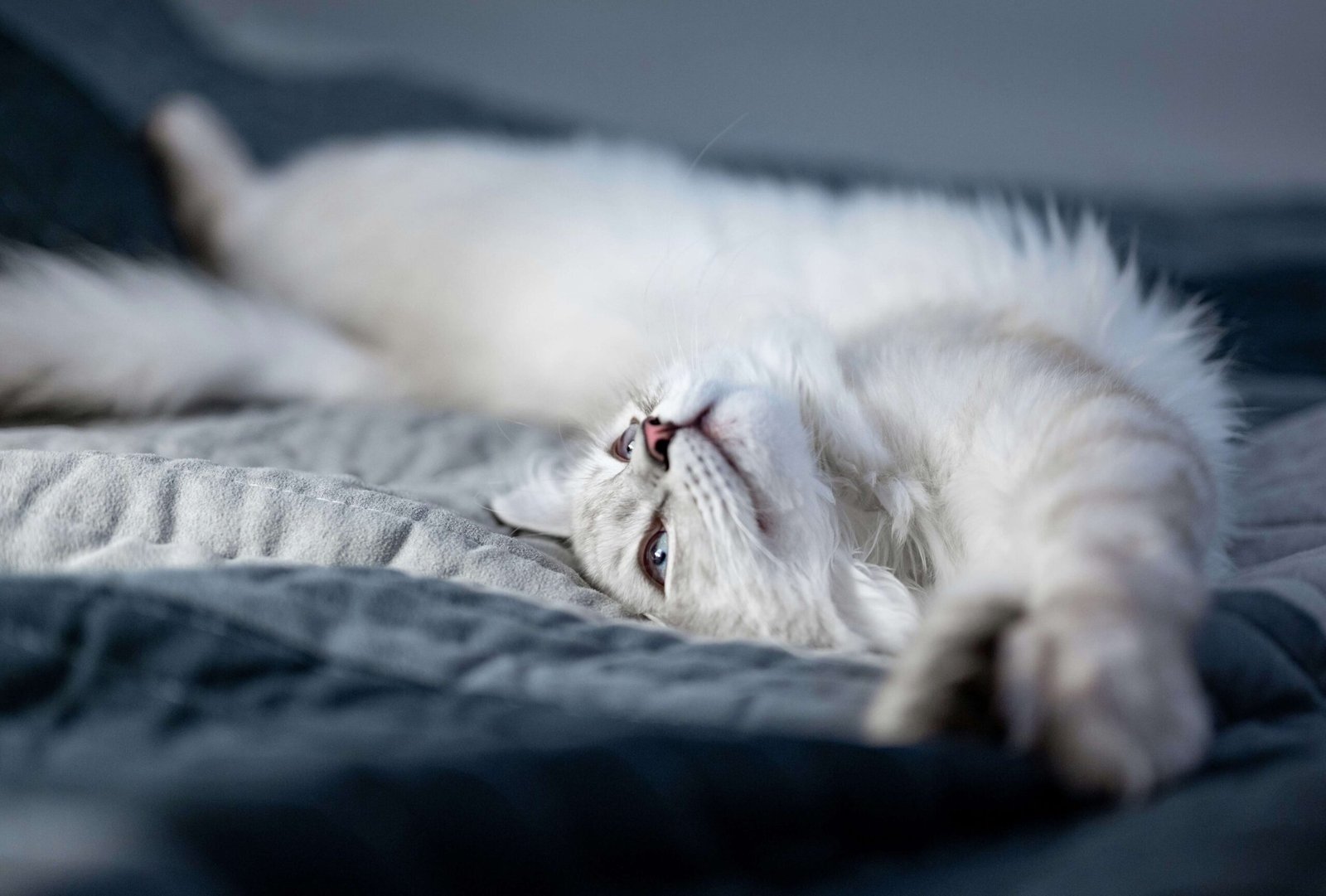
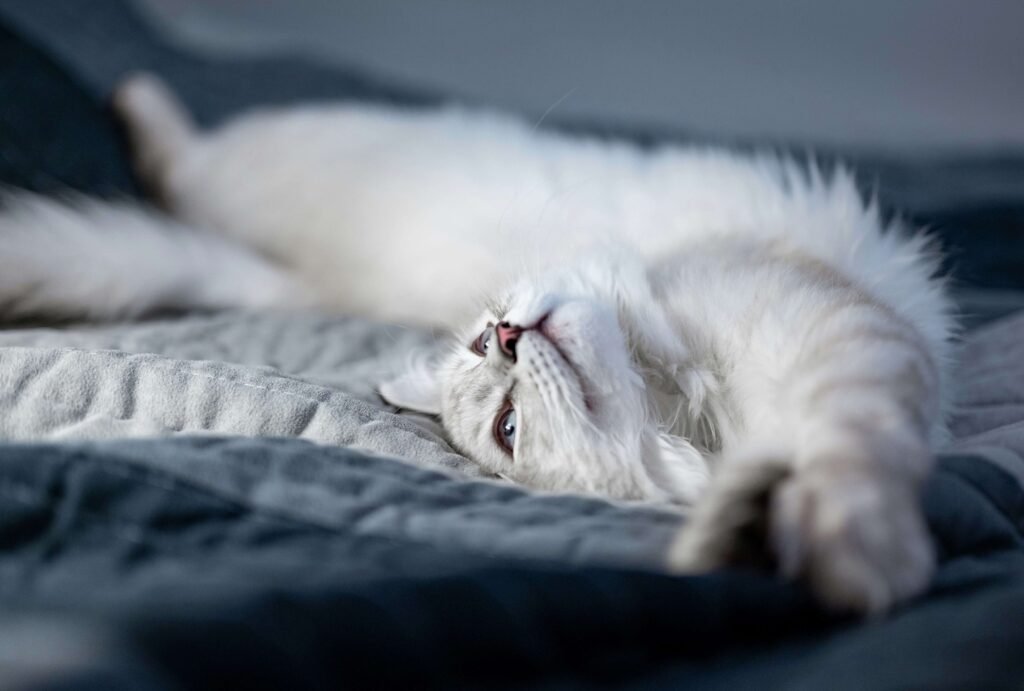

Cat Stretching: Best 7 Tips to Understand Relaxation!

Cat Stretching: Best 7 Tips to Understand Relaxation!

Why Do Cats Stretch So Much? The Science and Benefits of Cat Stretching


Cats are known for their graceful and frequent stretching, a behavior that has fascinated pet owners and scientists alike. Whether they’re waking up from a nap or preparing to leap onto a high perch, cats stretch in ways that seem almost ritualistic. But why do they do it? Is it purely physical, or does it serve a deeper purpose? From improving flexibility to signaling emotional states, cat stretching is more than just a cute quirk—it’s an essential part of feline health and communication. In this blog post, we’ll explore the reasons behind this iconic behavior, its benefits, and what it can tell us about our feline companions.

The Physical Benefits of Cat Stretching


Stretching plays a vital role in maintaining a cat’s physical well-being. These stretches aren’t just random movements—they’re carefully designed to keep their bodies agile and strong. Here’s how stretching benefits your cat’s health:

 
  • Improves Flexibility:
    Frequent stretching helps maintain a cat’s impressive range of motion, which is crucial for activities like jumping and climbing.

  • Enhances Muscle Tone:
    Stretching engages muscles throughout the body, helping to build and maintain lean muscle mass.

  • Prevents Stiffness:
    After long periods of rest, stretching helps loosen stiff joints and prevents discomfort during movement.

  • Promotes Circulation:
    Stretching increases blood flow to muscles and tissues, delivering oxygen and nutrients needed for optimal function.

  • Reduces Risk of Injury:
    By keeping muscles and joints supple, stretching minimizes the likelihood of strains or sprains during physical activity.


These physical benefits highlight why stretching is such an integral part of a cat’s daily routine, ensuring they stay fit and ready for action.

Cat Stretching: Best 7 Tips to Understand Relaxation!

Common Types of Cat Stretches and Their Meanings


Not all cat stretches are created equal—each type serves a specific purpose and can reveal insights into your cat’s mood or intentions. Understanding these stretches can deepen your bond with your furry friend.

 
  • The Full-Body Arch:
    When a cat arches their back while stretching, it often signals readiness for play or exploration.

  • The Front-Paw Stretch (Yoga Pose):
    This stretch, where the front paws extend forward while the hind legs remain tucked, is commonly seen after waking up and indicates relaxation.

  • The Side Twist Stretch:
    Cats perform this stretch by twisting their bodies sideways, often to relieve tension in their spine or prepare for a big leap.

  • The Hind-Leg Extension:
    Extending one or both hind legs behind them helps cats stretch their lower back and hips, promoting mobility.

  • The Paw-and-Claw Stretch:
    Spreading their paws wide and extending their claws sharpens their nails while simultaneously stretching their paw muscles.


By observing these stretches, you can gain a better understanding of your cat’s physical and emotional state.

Physical Benefits of Stretching
Behavioral Insights from Stretching
Improves overall flexibility
Indicates readiness for play or exercise
Enhances muscle tone and strength
Signals relaxation or contentment
Prevents stiffness and joint pain
Shows preparation for a jump or climb
Boosts circulation and energy levels
Relieves stress or tension
Reduces risk of injury during activity
Demonstrates territorial marking habits

How to Encourage Healthy Stretching Habits in Your Cat


While cats naturally stretch on their own, there are ways you can encourage healthy stretching habits to ensure they stay active and engaged. These tips will help you create an environment that promotes regular movement.

 
  • Provide Scratching Posts:
    Scratching posts allow cats to stretch their entire bodies vertically, enhancing flexibility and satisfying their natural instincts.

  • Offer High Perches:
    Placing shelves or cat trees at varying heights encourages jumping and stretching as they navigate their space.

  • Engage in Interactive Play:
    Use wand toys or laser pointers to inspire bursts of activity that naturally lead to post-play stretching.

  • Create a Stimulating Environment:
    Rotate toys, rearrange furniture, or introduce new objects to spark curiosity and encourage exploration.

  • Schedule Regular Playtime:
    Consistent play sessions not only strengthen your bond but also motivate your cat to stretch before and after activities.


By fostering an enriching environment, you can support your cat’s natural inclination to stretch and stay physically fit.

Signs That Your Cat’s Stretching May Indicate Health Issues


While most stretching is normal, certain behaviors or changes in your cat’s stretching patterns could indicate underlying health concerns. Being observant can help you catch potential problems early.

 
  • Excessive Stretching Accompanied by Limping:
    If your cat stretches excessively and appears to limp afterward, it may signal joint pain or arthritis.

  • Avoidance of Stretching Altogether:
    A reluctance to stretch could point to muscle soreness, stiffness, or other physical discomforts.

  • Frequent Back Arching Without Movement:
    Persistent back arching might suggest abdominal pain or digestive issues requiring veterinary attention.

  • Difficulty Reaching Normal Stretch Positions:
    Struggling to achieve typical stretches could be a sign of reduced flexibility due to age or injury.

  • Unusual Vocalizations During Stretching:
    Crying or meowing while stretching may indicate pain or discomfort that needs professional evaluation.


Monitoring your cat’s stretching habits can provide valuable clues about their overall health and well-being.

Fun Facts About Cat Stretching

Stretching isn’t just practical—it’s also fascinating! Here are some intriguing facts about why cats stretch and how it reflects their evolutionary history.

 
  • Instinctive Behavior from Wild Ancestors:
    Domestic cats inherited their stretching habits from wild ancestors who relied on agility for survival.

  • Aids in Marking Territory:
    Stretching against surfaces leaves scent marks, reinforcing territorial boundaries.

  • Helps Regulate Body Temperature:
    Stretching increases blood flow, which aids in warming up cold muscles.

  • Relieves Stress and Anxiety:
    Similar to humans practicing yoga, cats use stretching to release tension and calm themselves.

  • Enhances Hunting Skills:
    Daily stretching keeps cats nimble and prepared for quick, precise movements during hunting simulations.


These fun facts add depth to our appreciation of this seemingly simple yet profoundly meaningful behavior.

The Role of Age in Cat Stretching

As cats grow older, their stretching habits evolve, reflecting changes in their physical abilities and lifestyle. Understanding these shifts can help you adapt your care accordingly.

 
  • Kittens Stretch Playfully:
    Young cats stretch frequently as part of energetic play and rapid growth spurts.

  • Adult Cats Stretch Strategically:
    Adult cats focus on functional stretches to maintain peak performance for hunting and climbing.

  • Senior Cats Stretch Less Often:
    Older cats may stretch less due to joint stiffness or reduced activity levels.

  • Increased Warm-Up Time for Seniors:
    Elderly cats often require longer warm-ups before engaging in vigorous activities.

  • Supporting Aging Joints:
    Providing soft bedding and gentle exercises can help senior cats continue stretching comfortably.


Adapting to your cat’s changing needs ensures they remain active and comfortable throughout their life stages.


How Stretching Strengthens the Human-Cat Bond

Stretching offers more than physical benefits—it also strengthens the connection between you and your cat. Observing and interacting with your cat during these moments fosters trust and mutual enjoyment.

 
  • Encourages Positive Interactions:
    Gently mimicking your cat’s stretches during playtime builds rapport and reinforces bonding.

  • Provides Insight Into Their World:
    Watching your cat stretch gives you a glimpse into their emotions and intentions, deepening your understanding of their personality.

  • Creates Opportunities for Affection:
    Petting your cat during or after a stretch can enhance feelings of security and companionship.

  • Builds Routine and Predictability:
    Recognizing your cat’s stretching patterns establishes a comforting sense of routine for both of you.

  • Inspires Mindfulness Together:
    Sharing quiet moments while your cat stretches encourages mindfulness and relaxation for you as well.


Through stretching, you and your cat share a special language of care and connection that enriches your relationship.

Frequently Asked Questions About Cat Stretching

 
Why do cats stretch so much compared to other animals?

Cats stretch frequently because it helps maintain their agility and prepares their muscles for sudden bursts of energy.

Yes! Incorporating cat-inspired stretches can improve flexibility, reduce stress, and enhance overall well-being.

Absolutely. For example, a leisurely stretch may indicate contentment, while a quick stretch might signal readiness to play or hunt.

Always consult a healthcare professional before starting new exercises, especially if you have pre-existing conditions or injuries.

Even five to ten minutes of mindful stretching can yield significant benefits when done regularly.

Celebrating the Art of Cat Stretching


Cat stretching is far more than a charming habit—it’s a cornerstone of feline health, communication, and happiness. By understanding the physical and behavioral significance of stretching, you can better appreciate your cat’s unique needs and personality. Whether it’s watching them arch their back in preparation for a playful sprint or seeing them twist gracefully to scratch a post, these moments remind us of the beauty and complexity of our feline friends. So, the next time your cat strikes a pose, take a moment to marvel at the artistry and purpose behind every stretch.

Understanding Cryptosporidium in Cats: Best 7 Expert Tips!

Understanding Cryptosporidium in Cats: Best 7 Expert Tips! – Spot symptoms, treat safely, and stop parasite spread in your home.

Understanding Cryptosporidium in Dogs: Best 7 Expert Tips!

Understanding Cryptosporidium in Dogs: Best 7 Expert Tips! – Learn symptoms, treatment & prevention for this stubborn gut parasite.

Understanding Syringomyelia in Cats: Best 7 Expert Tips!

Understanding Syringomyelia in Cats: Best 7 Expert Tips! – Recognize signs, manage pain, and support your cat’s neurological health with vet-backed guidance.

Understanding Syringomyelia in Dogs: Best 7 Expert Tips!

Understanding Syringomyelia in Dogs: Best 7 Expert Tips! – Expert insights on symptoms, MRI diagnosis, pain management & quality of life.

Leave a Reply

Your email address will not be published. Required fields are marked *


