
Understanding Cat Steroid Shot for Allergies
If your cat is scratching relentlessly, losing fur, or suffering from inflamed skin, a steroid shot might be recommended to bring fast relief from allergy symptoms. While effective, these injections come with important considerations about safety, timing, and long-term use. Understanding how steroid shots work—and when they’re truly necessary—helps you make informed decisions alongside your veterinarian. Many cat owners see dramatic improvement within hours, but it’s crucial to weigh benefits against potential side effects. With the right guidance, steroid therapy can be a valuable tool in managing your feline friend’s allergic discomfort.
How Steroid Injections Work for Feline Allergies
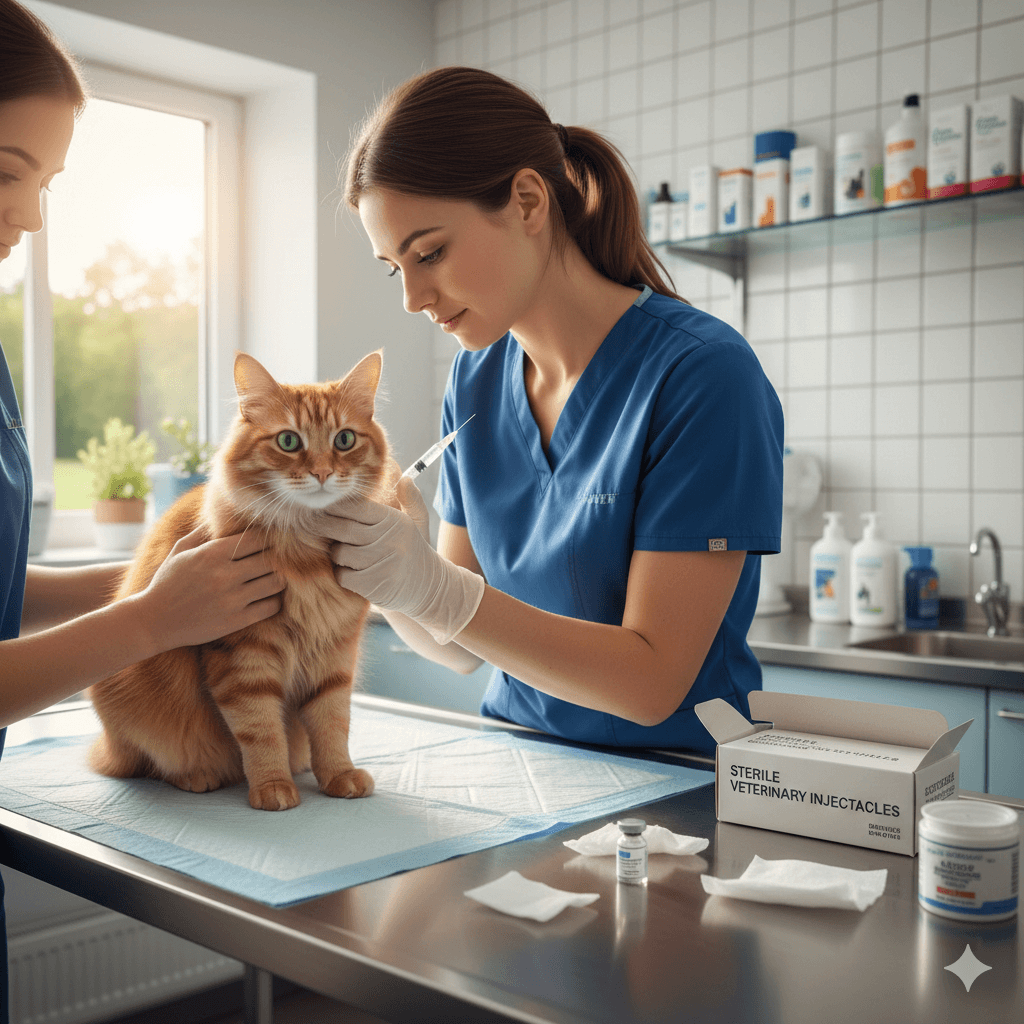
Steroid shots contain corticosteroids—powerful anti-inflammatory medications that suppress the immune system’s overreaction to allergens. When administered by a vet, they can quickly calm itching, swelling, and skin irritation in cats suffering from environmental, food-related, or insect-triggered allergies. The effects are often rapid and profound, offering relief that oral medications sometimes can’t match:
- Fast-Acting Relief:
Within 24 hours, many cats experience significant reduction in itching and skin inflammation, allowing rest and healing. - Long-Lasting Effects:
Depending on the formulation (e.g., methylprednisolone or dexamethasone), a single injection can last anywhere from 2 to 6 weeks. - Systemic Impact:
Unlike topical creams, injectable steroids circulate through the bloodstream, treating widespread allergic reactions across the body. - Immune Modulation:
Steroids reduce immune cell activity at the site of allergic response, minimizing histamine release and tissue damage. - Convenience for Resistant Cats:
For cats that refuse pills or ear drops, an injection ensures full dosing without the stress of daily medication battles.
While highly effective for acute flare-ups, steroid shots are not a long-term solution due to potential cumulative side effects.
Common Allergies Treated with Steroid Injections
Veterinarians often turn to steroid shots when a cat’s allergies significantly affect quality of life. These injections are especially useful for conditions that cause intense itching or secondary skin infections, where rapid control is needed:
- Flea Allergy Dermatitis:
Even a single flea bite can trigger severe itching in sensitive cats—steroids help break the itch-scratch cycle quickly. - Atopic Dermatitis:
Seasonal or year-round reactions to pollen, dust mites, or mold often respond well to short-term steroid therapy. - Food Allergy Flare-Ups:
While diet change is the real fix, steroids may be used temporarily to manage severe skin or gastrointestinal symptoms during transition. - Eosinophilic Granuloma Complex:
This immune-mediated condition causes painful ulcers or plaques on the lips, paws, or skin—often requiring steroid intervention. - Contact Allergies:
Reactions to shampoos, cleaning products, or fabrics can lead to localized inflammation that steroids help calm.
Accurate diagnosis is essential, as many skin conditions mimic allergies but require different treatments.
Check this guide 👉Does Fish Oil Help with Cat Allergies: Best 7 Expert Tips!
Check this guide 👉Cat Allergic to Bees: Best 7 Expert Tips!
Check this guide 👉Cat Allergy Vaccine: Best 7 Expert Tips!
Benefits of Steroid Shots | Important Considerations |
|---|---|
Rapid reduction in severe itching | Not suitable for long-term repeated use |
Effective for full-body symptoms | May mask underlying infections if used alone |
No daily dosing stress | Requires veterinary administration |
Helps break self-trauma cycles | Can suppress immune response temporarily |
Useful during allergy testing phase | Effects are temporary—doesn’t cure the cause |
Potential Side Effects and Risks
While steroid injections offer quick relief, they aren’t without risks—especially with frequent or prolonged use. Being aware of possible side effects helps you monitor your cat closely after treatment:
- Increased Thirst and Urination:
Corticosteroids can cause your cat to drink more water and urinate frequently, which may lead to accidents indoors. - Elevated Appetite and Weight Gain:
Many cats become ravenous after a shot, potentially leading to obesity if food intake isn’t managed carefully. - Risk of Diabetes Mellitus:
Repeated steroid use can induce insulin resistance, particularly in predisposed or older cats. - Suppressed Immune Function:
While helpful for allergies, this can make your cat more vulnerable to bacterial or fungal infections. - Skin or Coat Changes:
Thinning skin, poor hair regrowth, or a dull coat may appear with chronic steroid exposure.
Most short-term side effects resolve as the medication wears off—but always report unusual behavior to your vet.
When Steroid Shots Are Appropriate vs. When to Avoid
Not every allergic cat needs a steroid injection. Veterinarians carefully assess the severity, chronicity, and overall health before recommending this approach. Here’s how professionals decide:
- Ideal for Acute, Severe Flare-Ups:
When a cat is losing sleep, self-mutilating, or developing open sores from scratching, steroids offer crucial relief. - Contraindicated in Diabetic Cats:
Corticosteroids can worsen blood sugar control, making them risky for cats with diabetes. - Use with Caution in Senior Cats:
Older cats may have hidden kidney, heart, or liver issues that steroids could exacerbate. - Not First-Line for Mild Cases:
For minor itching, vets often try antihistamines, omega-3s, or topical therapies first. - Avoid if Infection Is Present:
Steroids can worsen bacterial, viral, or fungal skin infections by dampening the immune response.
Your vet will always weigh the urgency of symptom relief against your cat’s long-term health profile.
Alternative and Complementary Allergy Treatments
Steroid shots are powerful—but they’re just one tool in a broader allergy management plan. Many vets now combine or replace them with safer long-term strategies:
- Allergen-Specific Immunotherapy:
Custom allergy shots or oral drops gradually desensitize your cat to specific triggers, offering a potential “cure.” - Cyclosporine (Atopica):
An immune-modulating drug that controls allergies without steroid side effects, ideal for chronic cases. - High-Quality Omega-3 Fatty Acids:
Fish oil supplements reduce skin inflammation and improve coat health over time. - Hypoallergenic Diets:
For food allergies, prescription hydrolyzed or novel-protein diets eliminate triggers at the source. - Environmental Management:
Regular bathing, air purifiers, and strict flea prevention reduce exposure to airborne and contact allergens.
These approaches may take longer to work but support lifelong comfort without dependency on steroids.
Monitoring Your Cat After a Steroid Injection
Post-injection care involves more than just waiting for symptoms to fade—it includes active observation and communication with your vet. Here’s what to watch for in the days and weeks following treatment:
- Behavior Changes:
Lethargy, restlessness, or unusual aggression can signal discomfort or side effects. - Excessive Drinking or Urination:
Track water intake and litter box habits—if extreme, contact your vet promptly. - Return of Itching:
Note when symptoms reappear; this helps determine injection frequency or need for alternatives. - Weight or Appetite Shifts:
Sudden weight gain or constant begging may require dietary adjustments. - Signs of Infection:
Redness, discharge, or new sores could indicate a suppressed immune response allowing secondary issues.
Keep a simple journal—this data helps your veterinarian tailor future care with precision and caution.
Managing Long-Term Allergy Care After a Steroid Shot
A single steroid injection can provide swift relief, but true allergy management is an ongoing process. Once the immediate symptoms subside, it’s essential to implement strategies that reduce reliance on steroids and address your cat’s underlying sensitivities. Proactive, consistent care not only improves comfort but also supports long-term health:
- Schedule a Follow-Up Appointment:
Even if your cat seems better, a vet check ensures symptoms aren’t returning and no hidden complications have developed. - Begin an Elimination Diet Trial:
If food allergies are suspected, work with your vet to start a strict 8–12 week elimination diet using a novel or hydrolyzed protein source. - Introduce Environmental Allergen Control:
Use HEPA air filters, wash bedding weekly in hypoallergenic detergent, and vacuum frequently to reduce dust mites and pollen exposure. - Start a Skin and Coat Support Regimen:
Incorporate veterinarian-approved omega-3 fatty acids and topical moisturizing sprays to strengthen the skin barrier and reduce future flare-ups. - Track Seasonal Patterns:
Note when symptoms recur—this can reveal triggers like spring pollen or summer mold, allowing preemptive treatment next year.
Building a personalized, multi-pronged allergy plan helps your cat stay comfortable without depending on repeated steroid use.
“Sometimes, we use steroids as an injection, particularly in cats that are really challenging, when it comes to giving oral medications (by mouth). But keep in mind, the injectable steroids are going to have the most risks, out of all the different types of steroids available, so I really try to hold off on using steroid shots unless I absolutely have to.” — Dr. Brittany Lancellotti
Frequently Asked Questions About Cat Steroid Shot for Allergies
How long does a steroid shot last in cats?
Effects typically last 2 to 6 weeks, depending on the type (e.g., Depo-Medrol often lasts 4+ weeks).
Are steroid shots safe for cats?
Yes, when used occasionally and under veterinary supervision—but repeated use increases health risks.
Can a steroid shot cure my cat’s allergies?
No—it only manages symptoms. Identifying and avoiding the allergen is key to long-term control.
Will my cat’s fur grow back after the shot?
Often yes, once the itching stops and the skin heals, though regrowth may take weeks to months.
What’s the difference between oral steroids and injections?
Injections last longer and ensure full dosing, while oral forms allow more flexible dose adjustments.
Supporting Your Cat’s Comfort Beyond the Injection
A steroid shot can be a turning point in your cat’s allergy battle—but it’s not the finish line. True relief comes from a thoughtful, holistic approach that addresses root causes while protecting long-term health. Work with your veterinarian to build a sustainable plan that may include diet changes, environmental tweaks, or newer medications with fewer side effects. Most importantly, observe your cat closely: their behavior holds clues to what’s working and what’s not. With patience and partnership, you can move beyond temporary fixes toward a life of comfort, calm, and fewer shots. After all, your cat deserves more than just symptom suppression—they deserve to thrive.

Is Rawhide Bad for Cats? Best 7 Expert Tips! – Discover the risks, safe alternatives, and expert advice to keep your feline friend healthy and happy.

Is Rawhide Bad for Dogs? Best 7 Expert Tips! – Discover the risks, benefits, and safer alternatives to rawhides for your dog’s chewing needs.

Understanding Anorexia in Cats: Best 7 Expert Tips! – Learn why cats stop eating, spot warning signs, and discover how to help your feline regain appetite safely.

Understanding Anorexia in Dogs: Best 7 Expert Tips! – Learn causes, symptoms, and solutions to help your dog regain appetite and stay healthy.