
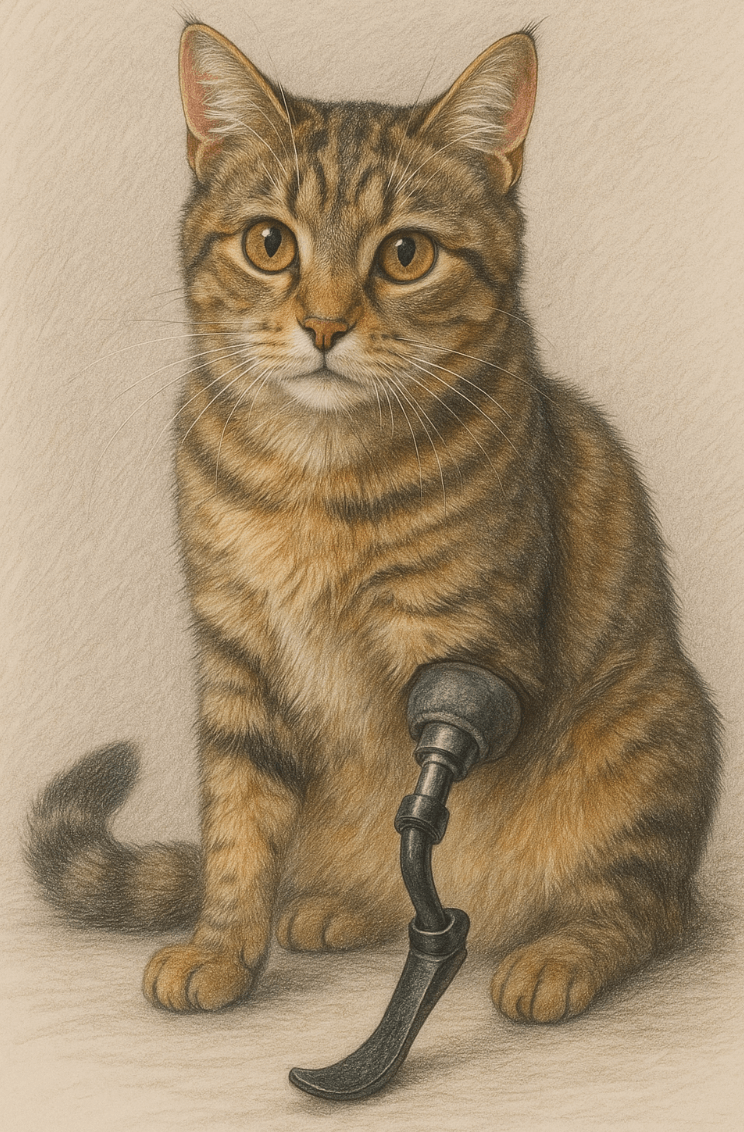
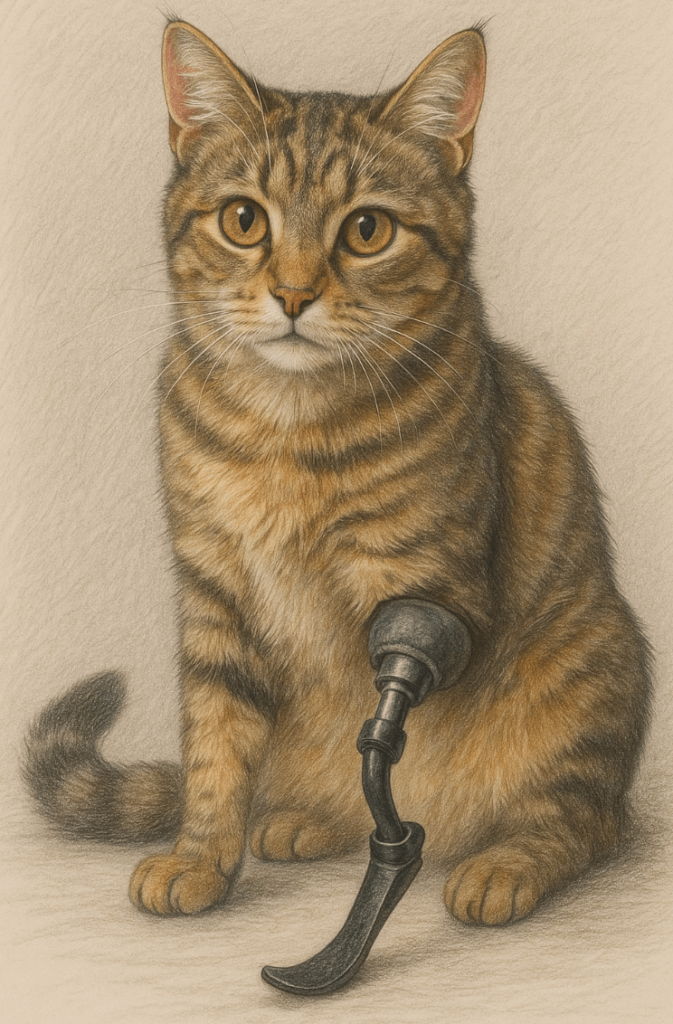

Cat Prosthetic Leg: Best 7 Expert Tips!

Cat Prosthetic Leg: Best 7 Expert Tips!

Cat Prosthetic Leg: A Lifeline for Feline Mobility


When a cat loses a limb due to injury, illness, or congenital conditions, it can feel like their world has been turned upside down. However, advancements in veterinary medicine and technology have made it possible for cats to regain mobility and lead fulfilling lives through prosthetic legs. These innovative devices not only restore physical function but also offer emotional benefits for both pets and their owners. Whether you’re considering a prosthetic leg for your feline friend or simply curious about this remarkable solution, this blog post will explore everything you need to know about cat prosthetics—from how they work to the incredible impact they can have on a cat’s life.

What Is a Cat Prosthetic Leg and How Does It Work?


A cat prosthetic leg is a custom-made device designed to replace a missing or damaged limb, allowing cats to move comfortably and confidently. Understanding its components and functionality can help you appreciate the science behind these life-changing tools.

 
  • Custom Design Process:
    Each prosthetic leg is tailored to fit the unique anatomy of the cat, ensuring comfort and proper alignment with their body.

  • Materials Used:
    Lightweight yet durable materials like silicone, carbon fiber, and medical-grade plastics are commonly used to create prosthetics that mimic natural movement.

  • Attachment Methods:
    Prosthetics are secured using straps, sockets, or harnesses that distribute weight evenly without causing discomfort or irritation.

  • Mobility Restoration:
    The prosthetic leg supports weight-bearing activities, enabling cats to walk, run, and play as if they had all four limbs.

  • Adjustability for Growth:
    For younger cats, prosthetics can be adjusted or replaced as they grow to accommodate changes in size and weight.


With careful design and fitting, a cat prosthetic leg becomes an extension of the animal’s body, empowering them to live life to the fullest.


Benefits of a Cat Prosthetic Leg


Investing in a prosthetic leg for your cat offers numerous advantages beyond just restoring mobility. Here’s how this innovation positively impacts feline health and happiness.

 
  • Improved Quality of Life:
    Cats with prosthetics can engage in normal activities, reducing frustration and enhancing overall well-being.

  • Pain Reduction:
    By redistributing pressure away from injured areas, prosthetics alleviate pain associated with compensatory movements.

  • Prevention of Secondary Issues:
    Without a prosthetic, overuse of remaining limbs can lead to arthritis or muscle strain; prosthetics help prevent these complications.

  • Increased Independence:
    Cats regain autonomy, allowing them to explore their environment without relying heavily on human assistance.

  • Emotional Bond Strengthening:
    Watching your cat thrive with a prosthetic fosters deeper connections between pet and owner, celebrating resilience and adaptability.


These benefits highlight why a prosthetic leg is more than just a medical device—it’s a pathway to renewed joy and vitality for your furry companion.

Cat Prosthetic Leg: Best 7 Expert Tips!
Types of Injuries Treated by Prosthetics
Key Features of Modern Cat Prosthetics
Amputations due to trauma
Custom-fitted for individual anatomy
Congenital limb deformities
Made from lightweight, durable materials
Nerve damage affecting limb function
Adjustable for growth and comfort
Severe fractures requiring partial removal
Designed for natural movement
Chronic joint diseases
Minimizes risk of skin irritation

How to Care for Your Cat’s Prosthetic Leg


Proper care and maintenance of your cat’s prosthetic leg ensure its longevity and effectiveness. Follow these guidelines to keep the device in top condition while prioritizing your cat’s comfort.

 
  • Regular Cleaning:
    Wipe down the prosthetic daily with mild soap and water to remove dirt and bacteria buildup.

  • Inspect for Wear and Tear:
    Check the prosthetic regularly for signs of damage, such as cracks or loose fittings, which could affect performance.

  • Monitor Skin Health:
    Look for redness, sores, or irritation around the attachment area and consult your vet if any issues arise.

  • Adjust Fit as Needed:
    As your cat grows or gains/loses weight, adjustments may be necessary to maintain optimal comfort and functionality.

  • Encourage Gradual Use:
    Allow your cat time to adapt to the prosthetic by introducing short periods of wear initially, then gradually increasing duration.


By following these steps, you can maximize the benefits of your cat’s prosthetic leg while safeguarding their health and happiness.

Signs Your Cat May Need a Prosthetic Leg


Not every cat with mobility challenges requires a prosthetic leg, but certain signs indicate that this option might be worth exploring. Recognizing these indicators can help you make informed decisions about your pet’s care.

 
  • Difficulty Walking or Standing:
    If your cat struggles to balance or support themselves, a prosthetic could provide stability and ease of movement.

  • Visible Discomfort or Pain:
    Limping, favoring one side, or vocalizing during movement suggests your cat is experiencing physical distress.

  • Overuse of Remaining Limbs:
    Excessive strain on healthy limbs can lead to long-term complications, making a prosthetic a preventive measure.

  • Limited Engagement in Play:
    Cats who avoid jumping, running, or playing may benefit from the added mobility a prosthetic provides.

  • Veterinarian Recommendation:
    If your vet suggests a prosthetic as part of your cat’s treatment plan, it’s worth considering their expert advice.


Identifying these signs early ensures timely intervention, improving your cat’s chances of adapting successfully to a prosthetic leg.

Challenges of Getting a Cat Prosthetic Leg

While cat prosthetic legs offer incredible benefits, obtaining and using one comes with its own set of challenges. Being aware of these hurdles can prepare you for the journey ahead.

 
  • Finding the Right Specialist:
    Not all veterinarians specialize in prosthetics, so finding the right professional may require research and travel.

  • Financial Investment:
    The cost of prosthetics can be prohibitive for some families, though payment plans or fundraising options may exist.

  • Initial Resistance from the Cat:
    Some cats may resist wearing the prosthetic initially, requiring patience and positive reinforcement to acclimate.

  • Ongoing Adjustments:
    Regular check-ups and potential refittings are necessary to ensure the prosthetic remains effective as the cat grows or heals.

  • Emotional Adjustment for Owners:
    Seeing your cat struggle initially with the prosthetic can be emotionally taxing, but persistence often leads to success.


Understanding these challenges helps set realistic expectations and prepares you for the rewarding process of helping your cat adapt.

Inspiring Stories of Cats with Prosthetics

The world is full of inspiring stories of cats overcoming adversity with the help of prosthetic legs. These tales remind us of the resilience of animals and the power of innovation.

 
  • Vincent the Bionic Cat:
    Vincent gained fame after receiving two prosthetic hind legs, transforming his life from immobility to playful independence.

  • Cyrus the Tripod Warrior:
    After losing a leg, Cyrus adapted beautifully to his prosthetic, becoming an ambassador for disabled pets worldwide.

  • Faith the Climber:
    Despite being born without front paws, Faith learned to walk upright and even climb stairs thanks to her custom prosthetics.

  • Oscar the Survivor:
    Severely injured in an accident, Oscar’s prosthetic leg allowed him to return to his adventurous outdoor lifestyle.

  • Naki’o the Miracle Cat:
    Naki’o became the first cat to receive four prosthetic limbs, showcasing the limitless possibilities of modern veterinary care.


These stories inspire hope and demonstrate the transformative impact of prosthetics on feline lives.

Alternatives to Cat Prosthetic Legs

If a prosthetic leg isn’t suitable for your cat, several alternative solutions can improve mobility and comfort. Exploring these options ensures your cat receives the best possible care.

 
  • Wheelchairs for Cats:
    Custom-built wheelchairs support mobility for cats with paralyzed or amputated limbs, offering freedom of movement.

  • Physical Therapy:
    Exercises and therapies strengthen muscles and joints, enhancing mobility without the need for prosthetics.

  • Pain Management Plans:
    Medications or supplements can reduce discomfort and inflammation, improving overall mobility.

  • Environmental Modifications:
    Creating accessible spaces with ramps, soft bedding, and non-slip surfaces accommodates cats with limited mobility.

  • Adaptive Toys and Tools:
    Specially designed toys encourage low-impact play, keeping cats engaged and active despite physical limitations.


These alternatives provide flexible solutions tailored to each cat’s unique needs and circumstances.

Frequently Asked Questions About Cat Prosthetic Legs

 
Are cat prosthetic legs expensive?

Costs vary depending on complexity and customization but range from hundreds to thousands of dollars. Many owners find the investment worthwhile for their cat’s improved quality of life.

Not every cat is a candidate—factors like overall health, amputation location, and temperament influence suitability. Consult your vet for guidance.

Adjustment times vary, but most cats adapt within weeks to months with consistent training and encouragement.

Typically, no surgery is needed unless specific modifications are required for proper fitting.

Specialized veterinary clinics or companies specializing in animal orthotics can design and fit prosthetics tailored to your cat’s needs.

Empowering Cats Through Innovation


A cat prosthetic leg represents more than just a technological advancement—it symbolizes hope, resilience, and the unwavering bond between humans and animals. By providing your feline companion with the tools they need to overcome mobility challenges, you’re giving them the gift of independence and a chance to thrive despite adversity. With proper care, patience, and support, cats with prosthetics can enjoy rich, active lives filled with love and adventure. No matter the obstacle, there’s always a way to help our beloved pets live their best lives—one step at a time.

Is Rawhide Bad for Cats? Best 7 Expert Tips!

Is Rawhide Bad for Cats? Best 7 Expert Tips! – Discover the risks, safe alternatives, and expert advice to keep your feline friend healthy and happy.

Is Rawhide Bad for Dogs? Best 7 Expert Tips!

Is Rawhide Bad for Dogs? Best 7 Expert Tips! – Discover the risks, benefits, and safer alternatives to rawhides for your dog’s chewing needs.

Understanding Anorexia in Cats: Best 7 Expert Tips!

Understanding Anorexia in Cats: Best 7 Expert Tips! – Learn why cats stop eating, spot warning signs, and discover how to help your feline regain appetite safely.

Understanding Anorexia in Dogs: Best 7 Expert Tips!

Understanding Anorexia in Dogs: Best 7 Expert Tips! – Learn causes, symptoms, and solutions to help your dog regain appetite and stay healthy.

Leave a Reply

Your email address will not be published. Required fields are marked *