

Cat Probiotics After Antibiotics: Best 7 Expert Tips!

Cat Probiotics After Antibiotics: Best 7 Expert Tips!

Understanding Cat Probiotics After Antibiotics

When your cat is prescribed antibiotics, it’s often to fight a serious infection—but these medications don’t just target harmful bacteria. They can also disrupt the delicate balance of beneficial microbes in your cat’s gut, leading to digestive upset or long-term health issues. That’s where probiotics come in. Thoughtfully chosen probiotics can help restore gut harmony, support immunity, and ease recovery. While not every cat needs them, many benefit significantly from targeted post-antibiotic care. Understanding how, when, and which probiotics to use can make all the difference in your feline friend’s comfort and well-being.

Why Antibiotics Disrupt Your Cat’s Gut Health

Antibiotics are powerful tools, but they work like a broad-spectrum strike—eliminating both pathogenic and beneficial bacteria in the digestive tract. This imbalance, known as dysbiosis, can linger long after the infection is gone. Recognizing how antibiotics affect your cat’s internal ecosystem is the first step toward smart recovery support:

 
  • Loss of Beneficial Bacteria:
    Antibiotics reduce populations of good gut flora like Lactobacillus and Bifidobacterium, which aid digestion and immune function.
     
  • Overgrowth of Harmful Microbes:
    With protective bacteria diminished, opportunistic pathogens like Clostridium or yeast may multiply unchecked.
     
  • Impaired Nutrient Absorption:
    A disrupted microbiome can interfere with the breakdown and uptake of essential vitamins and fatty acids.
     
  • Weakened Immune Defenses:
    Since 70% of a cat’s immune system resides in the gut, microbiome imbalance can lower overall disease resistance.
     
  • Digestive Symptoms:
    Diarrhea, gas, vomiting, or constipation often follow antibiotic use due to this microbial shift.
 

Restoring balance isn’t just about fixing symptoms—it’s about rebuilding a resilient foundation for long-term feline health.

 
Cat Probiotics After Antibiotics: Best 7 Expert Tips!

Key Benefits of Probiotics After Antibiotic Treatment

Introducing probiotics during or after antibiotic therapy offers more than just digestive relief. These live microorganisms actively support your cat’s recovery on multiple levels, turning a vulnerable period into an opportunity for renewal:

 
  • Restoring Gut Flora Balance:
    Probiotics reintroduce beneficial strains that repopulate the intestines and crowd out unwanted invaders.
     
  • Reducing Diarrhea Risk:
    Studies show certain strains significantly lower the chance of antibiotic-associated diarrhea in cats.
     
  • Boosting Immune Function:
    A healthy microbiome strengthens mucosal barriers and enhances white blood cell activity in the gut lining.
     
  • Improving Appetite and Energy:
    As digestion normalizes, cats often regain interest in food and show renewed vitality.
     
  • Supporting Long-Term Wellness:
    Consistent probiotic use post-antibiotics may help prevent chronic issues like IBD or recurrent infections.
 

When used wisely, probiotics act as a bridge from treatment to true recovery—helping your cat bounce back stronger.

Probiotic Advantages
Important Considerations
Faster resolution of loose stools
Not all probiotics are equally effective
Reduced risk of secondary yeast overgrowth
Strain specificity matters for cats
Enhanced nutrient metabolism
Must be stored properly to remain viable
Calmer digestion during recovery
Should be timed correctly with antibiotics
Support for stressed or senior cats
Always choose feline-formulated products

Choosing the Right Probiotic for Your Cat

Not all probiotics are created equal—especially for cats, whose digestive systems differ significantly from dogs or humans. Selecting a product designed specifically for felines ensures safety, efficacy, and palatability:

 
  • Feline-Specific Strains:
    Look for strains like Enterococcus faecium, Bifidobacterium animalis, or Lactobacillus acidophilus proven in cats.
     
  • CFU Count and Viability:
    Aim for 1–10 billion CFUs (colony-forming units) per serving, with guaranteed potency through the expiration date.
     
  • Formulation Type:
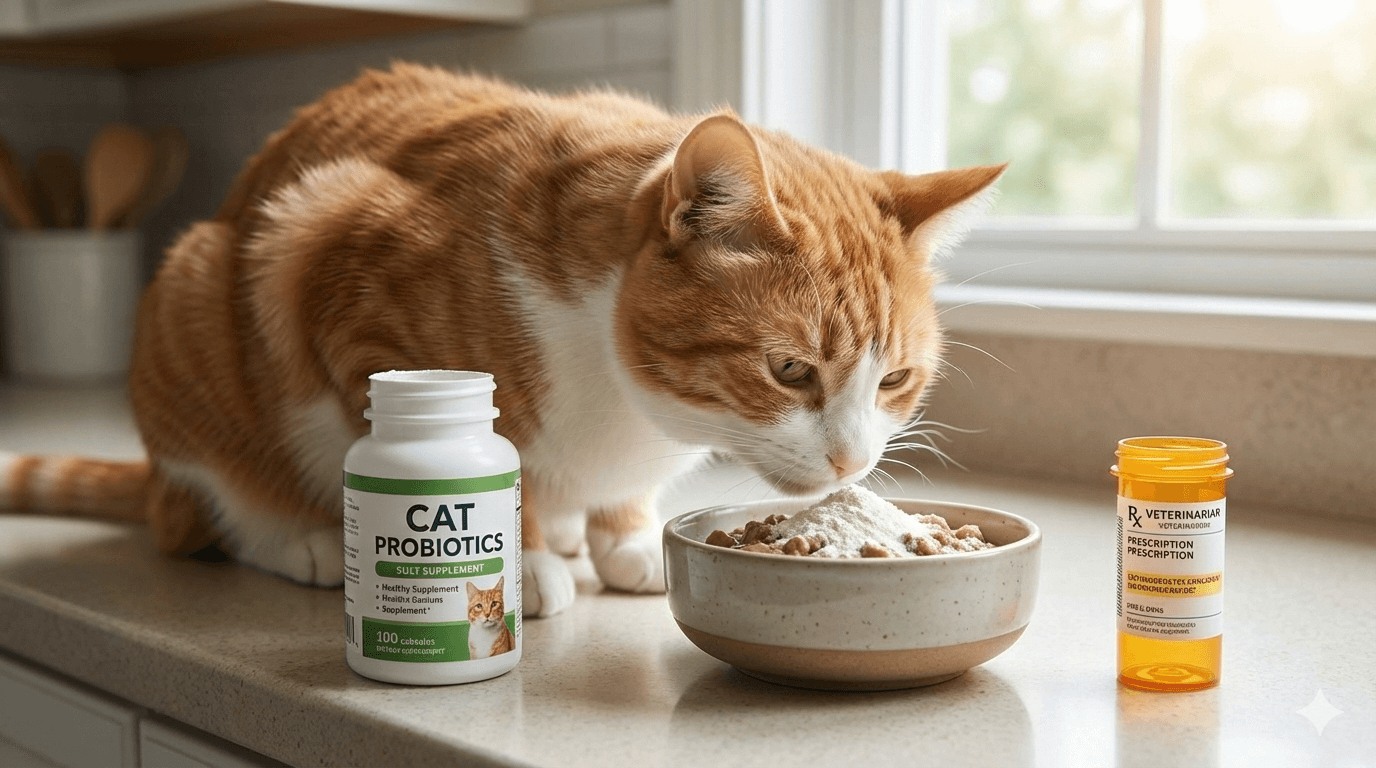
    Powders, capsules, or chews are common—choose based on your cat’s willingness to accept them (many hide easily in wet food).
     
  • Added Prebiotics:
    Ingredients like inulin or FOS feed good bacteria, enhancing the probiotic’s effectiveness over time.
     
  • Reputable Brand Standards:
    Opt for veterinary-recommended or third-party tested brands that disclose strain details and storage requirements.
 

The right choice turns a simple supplement into a powerful ally in your cat’s post-antibiotic healing journey.

Timing and Administration: How to Give Probiotics Correctly

Even the best probiotic won’t work if given at the wrong time or mixed improperly with antibiotics. Strategic timing maximizes survival of beneficial bacteria and ensures real benefits:

 
  • Separate from Antibiotics by 2–3 Hours:
    Giving probiotics too close to antibiotics can kill the live cultures—space them out during the day.
     
  • Continue After Antibiotics End:
    Keep administering probiotics for 2–4 weeks post-treatment to fully reestablish gut balance.
     
  • Mix with Cool or Room-Temp Food:
    Heat destroys live cultures, so avoid adding to warmed meals or microwaved food.
     
  • Follow Dosage Instructions Precisely:
    More isn’t always better—stick to the recommended amount based on your cat’s weight and condition.
     
  • Monitor for Tolerance:
    Rarely, some cats may experience temporary gas or soft stool when starting—adjust dose if needed.
 

Consistency and timing are just as important as the probiotic itself—precision here leads to better outcomes.

Signs Your Cat Needs Probiotic Support

While probiotics can be preventive, certain symptoms strongly suggest your cat would benefit from immediate microbiome support after antibiotics:

 
  • Persistent Diarrhea:
    Loose or watery stools lasting more than 24–48 hours post-antibiotic use signal ongoing dysbiosis.
     
  • Loss of Appetite:
    A cat who refuses food after finishing antibiotics may be struggling with gut discomfort or nausea.
     
  • Excessive Gas or Bloating:
    Unusual flatulence or abdominal gurgling indicates fermentation imbalances in the intestines.
     
  • Lethargy or Behavioral Changes:
    Reduced playfulness or hiding can stem from subtle digestive distress affecting overall well-being.
     
  • History of Sensitive Digestion:
    Cats with prior GI issues (e.g., IBD, food sensitivities) are especially vulnerable to antibiotic disruption.
 

These clues help you act proactively—before minor imbalance becomes a bigger health concern.


Special Considerations for Kittens, Seniors, and Chronically Ill Cats

Vulnerable cats require extra care when using probiotics after antibiotics. Their systems are less resilient, making thoughtful support non-negotiable:

 
  • Kittens Under 6 Months:
    Their microbiome is still developing—choose gentle, vet-approved strains and avoid high-dose products.
     
  • Senior Cats:
    Aging cats often have weaker digestion and immunity; probiotics can improve nutrient uptake and vitality.
     
  • Cats with Chronic Kidney Disease (CKD):
    Some probiotics (like Azodyl) are formulated specifically to support kidney health alongside gut balance.
     
  • Immunocompromised Cats:
    Use only reputable, sterile-formula probiotics to avoid introducing contaminants.
     
  • Cats on Multiple Medications:
    Always consult your vet to ensure probiotics won’t interfere with other treatments.
 

For these special populations, probiotics aren’t just helpful—they’re often a critical part of comprehensive care.


Supporting Your Cat’s Recovery with Probiotics: Practical Daily Tips

Integrating probiotics into your cat’s post-antibiotic routine doesn’t have to be complicated—small, consistent actions can yield big results. These everyday strategies help maximize the benefits while keeping your cat comfortable and cooperative:

 
  • Hide Probiotics in Favorite Foods:
    Mix powder or paste into a spoonful of wet food, tuna water, or low-sodium chicken broth to mask taste and encourage intake.
     
  • Use a Pill Pocket or Treat Dispenser:
    For capsule forms, soft pill pockets designed for cats can make administration stress-free for both of you.
     
  • Store Probiotics Correctly:
    Keep refrigerated products in the back of the fridge (not the door) and check expiration dates—heat and light kill live cultures.
     
  • Track Your Cat’s Stool and Behavior:
    Keep a simple log of bowel movements, appetite, and energy levels to assess whether the probiotic is helping.
     
  • Pair with a Calm Environment:
    Reduce stress during recovery with quiet spaces, familiar blankets, and gentle routines—stress directly impacts gut health.
 

With patience and these practical habits, probiotic support becomes a seamless, loving part of your cat’s healing process.

Frequently Asked Questions About Cat Probiotics After Antibiotics

Can I give probiotics while my cat is still on antibiotics?

Yes—but give them at least 2–3 hours apart to prevent the antibiotic from killing the beneficial bacteria.

Typically 2–4 weeks, though cats with chronic issues may benefit from longer-term use under veterinary guidance.

No. Cats have unique gut flora—always use a product specifically formulated for felines to ensure safety and efficacy.

They significantly reduce risk and severity but can’t guarantee 100% prevention—monitor your cat closely regardless.

Try different forms (powder, paste, chew) or mix with tuna water or chicken broth to improve palatability.

Nurturing Your Cat’s Inner Ecosystem for Lifelong Health

Helping your cat recover from antibiotics goes beyond finishing the prescription—it’s about honoring the invisible world within them that keeps them thriving. Probiotics, when chosen and used thoughtfully, offer a gentle yet powerful way to restore balance, comfort, and resilience. By paying attention to timing, strain selection, and your cat’s individual needs, you turn a necessary medical treatment into a stepping stone toward greater wellness. In the quiet moments of recovery, your care speaks volumes—reminding your feline companion they’re supported, understood, and deeply loved.

 
Poodle Water Dog: Best 7 Expert Tips!

Poodle Water Dog: Best 7 Expert Tips! – Discover how Poodles excel in water activities, from swimming to training, and unlock their aquatic potential today.

Salt Poisoning in Cats: Best 7 Expert Tips!

Salt Poisoning in Cats: Best 7 Expert Tips! – Learn the dangers of salt toxicity, spot symptoms early, and discover how to keep your cat safe from this serious health risk.

Salt Poisoning in Dogs: Best 7 Expert Tips!

Salt Poisoning in Dogs: Best 7 Expert Tips! – Learn the dangers of salt toxicity, recognize symptoms, and discover life-saving steps to protect your dog.

Can Too Much CBD Kill a Cat? Best 7 Expert Tips!

Can Too Much CBD Kill a Cat? Best 7 Expert Tips! – Discover the risks, safe dosages, and signs of CBD toxicity to keep your cat safe and healthy.

Leave a Reply

Your email address will not be published. Required fields are marked *

Recent Post

Post Category


