
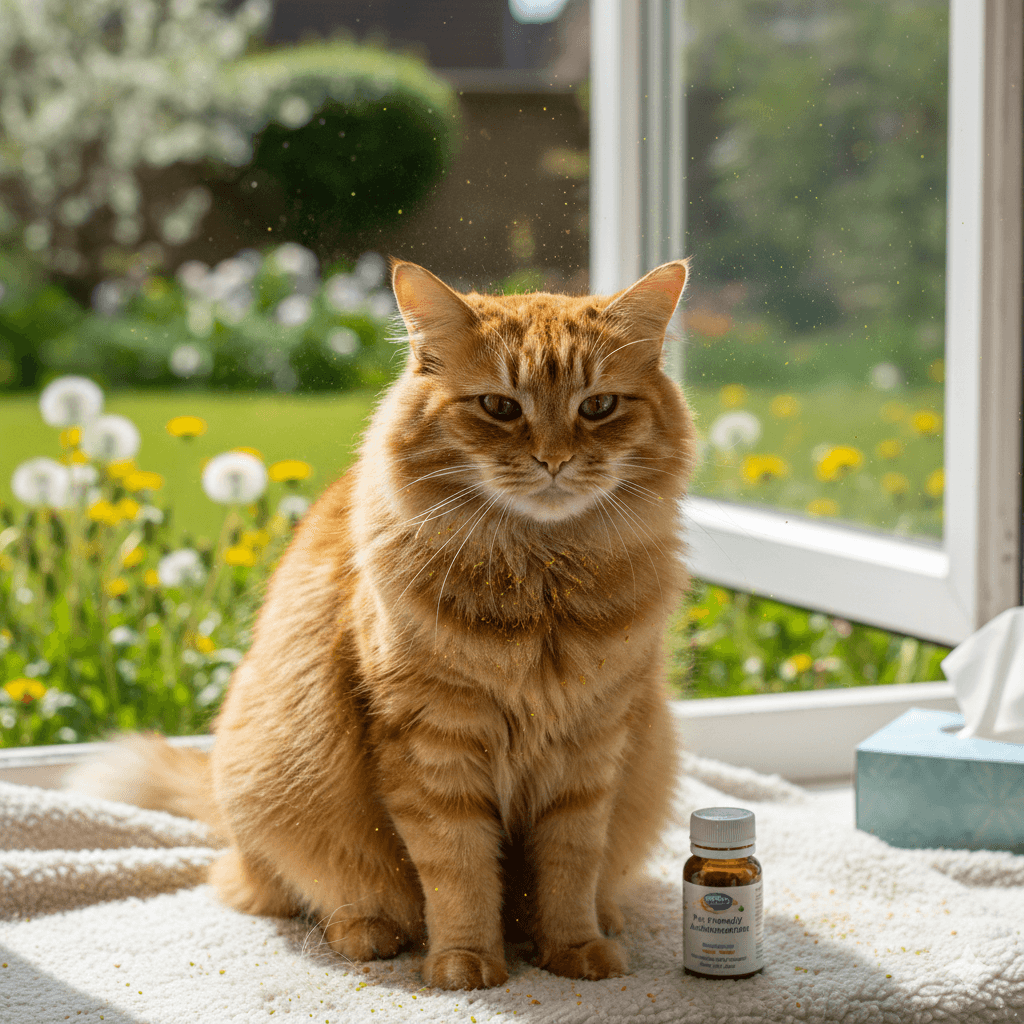

Cat Pollen Allergy Symptoms: When Spring Brings Sneezes Instead of Sunshine
Cats may not grab tissues or complain about itchy eyes, but they can absolutely suffer from seasonal pollen allergies—often in silence. These airborne irritants trigger reactions that go far beyond a simple sneeze, manifesting through skin, behavior, and subtle changes in daily habits. Recognizing these signs early is crucial to preventing chronic discomfort or secondary infections. While often mistaken for flea allergy or stress, pollen sensitivity is more common in felines than many pet owners realize. With rising pollen counts each year, understanding your cat’s silent struggle could be the key to a happier, healthier spring.
Origins and Causes of Pollen Allergies in Cats
Unlike food or flea allergies, pollen allergies in cats develop through repeated exposure to airborne plant particles, primarily during blooming seasons. This immune system overreaction—known as atopy—typically appears between 1 and 3 years of age and can worsen over time if left unmanaged.
- Tree pollen (oak, birch, cedar) is a major trigger in early spring, often entering homes through open windows or clinging to clothing.
- Grass pollen peaks in late spring to early summer and can stick to a cat’s fur during outdoor excursions or even from balcony exposure.
- Weed pollen (especially ragweed) dominates in late summer and fall, affecting indoor cats just as much as outdoor ones due to its lightweight, airborne nature.
- Cross-reactivity can occur—some cats allergic to certain pollens also react to related fruits or vegetables, though this is less documented in felines than in humans.
- Urban vs. rural exposure plays a role: surprisingly, city cats may face higher allergen loads due to concentrated green spaces and limited airflow.
Though invisible to the eye, these microscopic particles can cause significant distress—making your home feel less like a sanctuary and more like a pollen trap for your sensitive companion.
Distinctive Physical Symptoms of Pollen Allergies
Cats rarely show classic “hay fever” signs. Instead, their allergic response targets the skin—leading many owners to assume parasites or infections are at fault. The key is timing: if symptoms flare seasonally, pollen is a prime suspect.
- Intense scratching around the head, neck, and ears, often leading to raw or inflamed skin.
- Excessive licking of the belly, legs, or paws, sometimes resulting in symmetrical hair loss.
- Miliary dermatitis: tiny, crusty bumps along the back or near the tail base, resembling millet seeds.
- Recurrent ear infections or dark, waxy discharge, triggered by allergen-induced inflammation in ear canals.
- Watery eyes or occasional clear nasal discharge, though less common than dermatological signs.
These physical cues are your cat’s way of signaling environmental discomfort—and they shouldn’t be ignored, as chronic scratching can break the skin barrier and invite infection.
Check this guide 👉Traumatized Cat Symptoms: Best 7 Expert Tips!
Check this guide 👉Cat Intestinal Worms Symptoms: Best 7 Expert Tips!
Check this guide 👉Cat Abdominal Pain Symptoms: Best 7 Expert Tips!
| Common Allergy Signs in Cats | Practical At-Home Responses |
|---|---|
| Excessive scratching or head shaking | Wipe ears and face with hypoallergenic pet wipes |
| Bald patches from overgrooming | Add omega-3 supplements to support skin health |
| Miliary dermatitis (tiny scabs) | Use veterinarian-approved soothing sprays |
| Watery eyes or mild nasal discharge | Run a HEPA air purifier in main living areas |
| Restlessness during high-pollen days | Keep windows closed and limit outdoor access |
How to Diagnose Pollen Allergies in Your Cat
Veterinarians rely on a process of elimination to confirm pollen allergies, as symptoms overlap with many other conditions. There’s no single definitive test, but a combination of history, physical exam, and exclusion of other causes leads to an accurate diagnosis.
- Detailed symptom diary tracking timing, location, and severity helps identify seasonal patterns.
- Flea combing and skin scrapings rule out parasites as the primary irritant.
- Food elimination trials (lasting 8–12 weeks) ensure dietary allergies aren’t the true culprit.
- Intradermal skin testing—performed by veterinary dermatologists—can pinpoint specific pollen sensitivities.
- Blood tests (serum IgE testing) offer a less invasive alternative, though slightly less accurate than skin tests.
A confirmed diagnosis not only brings peace of mind but also unlocks targeted treatment options tailored to your cat’s unique allergic profile.
Treatment Options for Cats with Pollen Allergies
Managing pollen allergies in cats focuses on reducing exposure, soothing symptoms, and modulating the immune response—never on quick fixes. Long-term comfort requires a multi-pronged approach under veterinary guidance.
- Antihistamines like cetirizine (Zyrtec®) may help some cats, but only under vet supervision due to dosage sensitivity.
- Omega-3 fatty acid supplements reduce skin inflammation and support the skin barrier over time.
- Topical therapies including medicated shampoos or sprays with oatmeal or chlorhexidine soothe irritated skin.
- Immunotherapy (allergy shots or oral drops) gradually desensitizes the immune system to specific pollens—highly effective for long-term cases.
- Corticosteroids are used sparingly for acute flare-ups due to potential side effects with prolonged use.
With consistent care, most cats experience significant relief—allowing them to nap in sunbeams without itching or distress.
Environmental Management Strategies at Home
Since you can’t eliminate pollen entirely, smart home adjustments can drastically reduce your cat’s allergen load. Focus on creating a low-pollen sanctuary indoors, especially during peak seasons.
- Install HEPA air purifiers in rooms where your cat spends the most time, running them continuously during high-pollen months.
- Wipe your cat’s fur and paws with a damp, fragrance-free cloth after any outdoor exposure or when pollen counts are high.
- Wash bedding weekly in hot water and fragrance-free detergent to remove trapped pollen.
- Keep windows closed from mid-morning to early evening when pollen counts typically peak.
- Vacuum frequently using a vacuum with a HEPA filter to prevent pollen from recirculating in the air.
These simple changes can dramatically lower your cat’s daily allergen exposure—turning your home into a true refuge.
Preventive Measures to Reduce Future Allergy Flares
Proactive steps taken before allergy season begins can minimize the severity and duration of symptoms. Think of it as “allergy prep” for your feline friend.
- Begin omega-3 supplementation 4–6 weeks before pollen season starts to strengthen skin resilience.
- Schedule a pre-season vet checkup to review your management plan and adjust medications if needed.
- Groom your cat regularly to remove loose fur and trapped pollen before it irritates the skin.
- Monitor local pollen forecasts via weather apps and limit outdoor time on high-count days.
- Consider indoor-only living during peak months for severely affected cats, even if they usually go outside.
Prevention isn’t about perfection—it’s about reducing the cumulative allergen burden so your cat can thrive.
When to See a Veterinarian
Not all itching is an emergency, but certain signs warrant prompt veterinary attention to prevent complications or misdiagnosis. Trust your instincts—if your cat seems miserable, it’s worth a visit.
- Open sores, scabs, or oozing skin indicate a secondary bacterial or yeast infection needing antibiotics or antifungals.
- Sudden hair loss or intense scratching that disrupts sleep or eating habits.
- Ear discharge with odor or head tilt, which may signal a deep ear infection.
- Lethargy, vomiting, or loss of appetite alongside skin symptoms—could suggest systemic illness.
- No improvement after 2 weeks of home care, suggesting a more complex or different underlying issue.
Early intervention prevents minor irritation from escalating into a chronic health problem—so don’t wait if your cat is clearly suffering.
Frequently Asked Questions About Cat Pollen Allergy Symptoms
Can indoor cats develop pollen allergies?
Yes. Pollen enters homes through open windows, on clothing, or via pets that go outside—so even strictly indoor cats can be exposed.
Are certain cat breeds more prone to pollen allergies?
While any cat can develop allergies, Siamese, Himalayan, and other purebreds may have a genetic predisposition to atopy due to limited gene pools.
Can I give my cat human antihistamines?
Only under direct veterinary instruction. Many human medications (like those containing pseudoephedrine or xylitol) are toxic to cats—even in small doses.
How long do pollen allergy symptoms last in cats?
Symptoms typically last as long as the allergen is present—weeks to months—unless managed with treatment or environmental control.
Is there a cure for pollen allergies in cats?
There’s no cure, but immunotherapy can significantly reduce or even eliminate symptoms in 60–80% of cases over time.
A Breath of Fresh Air for Your Feline Friend
Watching your cat finally relax—no more frantic scratching, no more anxious licking—after managing pollen allergies is deeply rewarding. These seasonal sensitivities may be invisible to the casual observer, but to your cat, they’re a daily battle. By tuning into subtle cues, adjusting your home environment, and partnering with your veterinarian, you can transform allergy season from a time of distress into one of comfort. Your cat may not say “thank you,” but the peaceful purr on a spring afternoon speaks volumes. With knowledge, care, and a little vigilance, you’ll ensure your feline companion enjoys every season—not just the ones with low pollen counts.
Understanding Cryptosporidium in Cats: Best 7 Expert Tips! – Spot symptoms, treat safely, and stop parasite spread in your home.
Understanding Cryptosporidium in Dogs: Best 7 Expert Tips! – Learn symptoms, treatment & prevention for this stubborn gut parasite.
Understanding Syringomyelia in Cats: Best 7 Expert Tips! – Recognize signs, manage pain, and support your cat’s neurological health with vet-backed guidance.
Understanding Syringomyelia in Dogs: Best 7 Expert Tips! – Expert insights on symptoms, MRI diagnosis, pain management & quality of life.


