

Cat Parasites That Cause Diarrhea: What Every Cat Owner Needs to Know
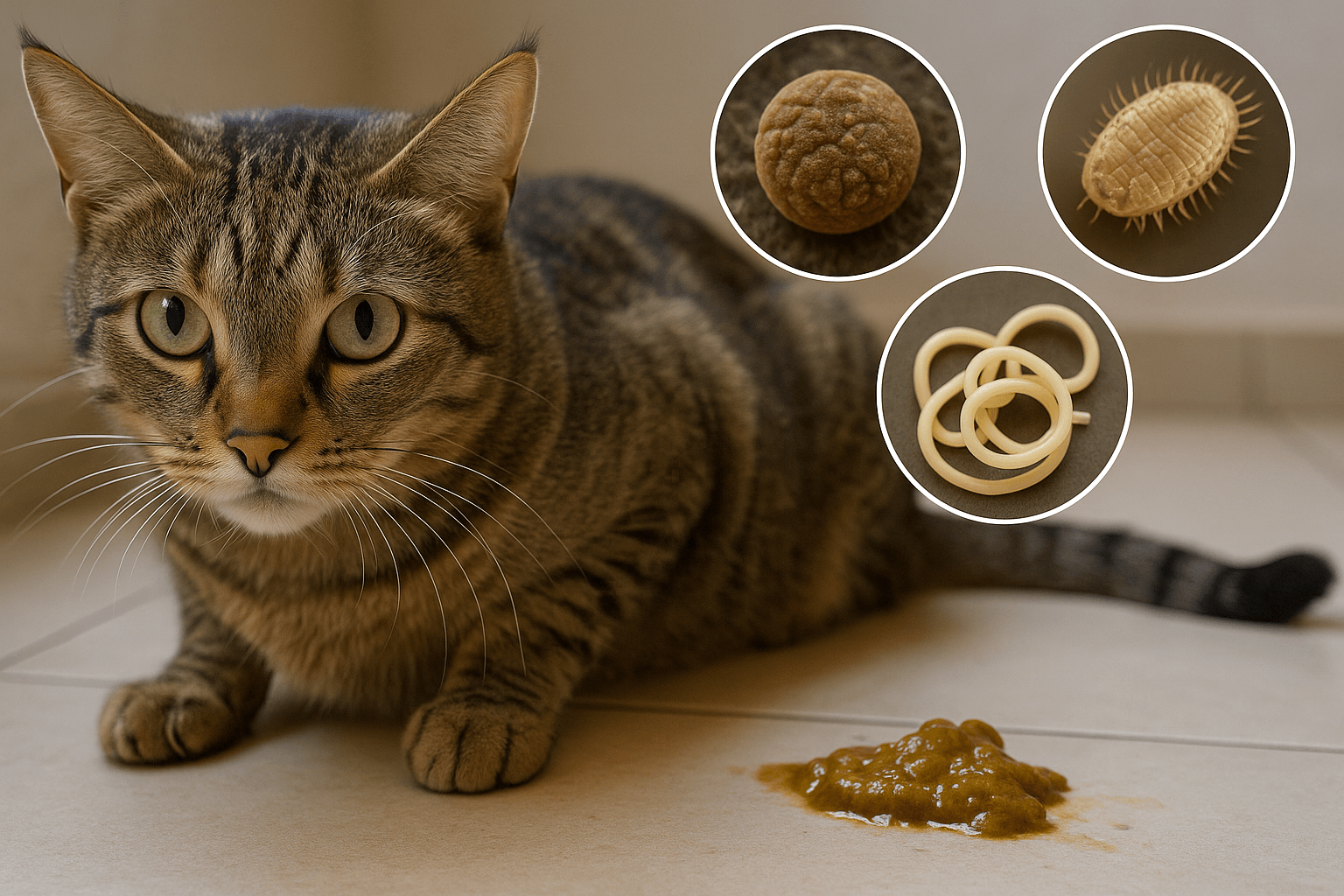
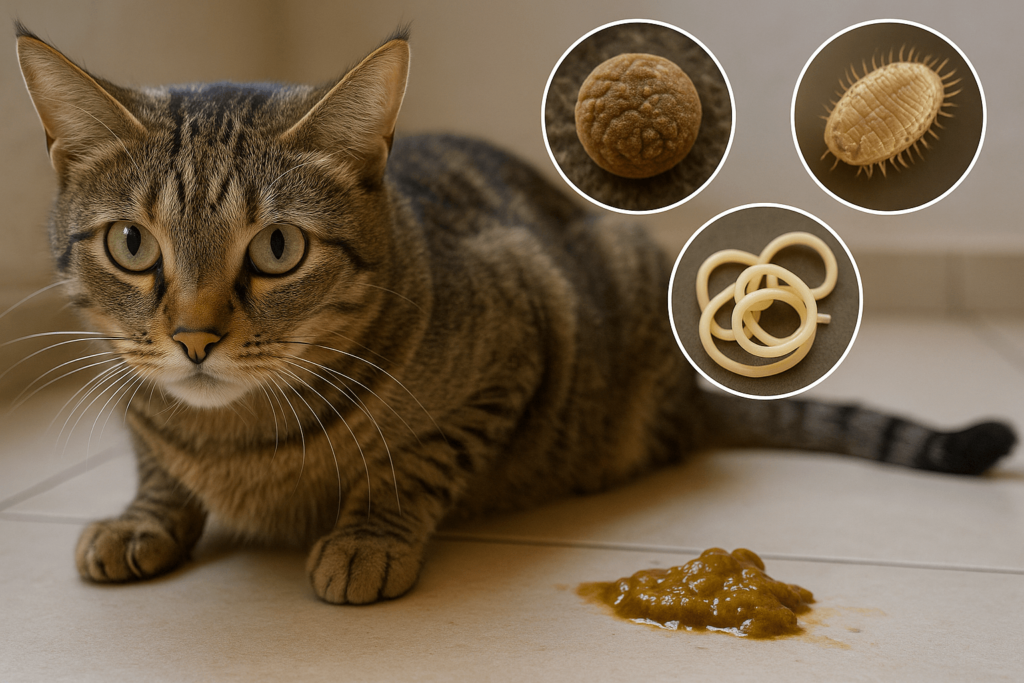
Diarrhea in cats is more than just an unpleasant mess—it’s often a red flag signaling an underlying health issue. Among the most common culprits? Intestinal parasites. These microscopic invaders can disrupt your cat’s digestion, trigger dehydration, and even threaten their long-term well-being if left untreated. Understanding which parasites cause diarrhea—and how to spot, prevent, and treat them—is essential for every responsible cat owner.
Common Intestinal Parasites That Lead to Diarrhea in Cats
While many parasites can infect cats, only a few consistently cause gastrointestinal upset like diarrhea. Recognizing these key offenders is the first step toward protecting your feline companion.
Giardia:
This microscopic protozoan thrives in contaminated water and causes foul-smelling, greasy diarrhea, often accompanied by weight loss and lethargy.Coccidia:
Tiny single-celled organisms that multiply in the intestinal lining, especially in kittens, leading to watery or mucous-laden diarrhea.Hookworms:
Blood-sucking parasites that attach to the intestinal wall, causing bloody diarrhea, anemia, and weakness—particularly dangerous in young cats.Roundworms:
One of the most common feline parasites; heavy infestations can result in vomiting, bloating, and intermittent diarrhea, especially in kittens.Tritrichomonas foetus:
A lesser-known but highly contagious protozoan that causes chronic, foul-smelling, and often explosive diarrhea in young cats.
Identifying the specific parasite is crucial, as treatments vary widely. Never assume it’s “just a tummy bug”—persistent diarrhea warrants veterinary attention.
How Cats Contract Parasitic Infections
Cats can pick up parasites in surprisingly mundane ways. Awareness of common transmission routes helps you reduce risk long before symptoms appear.
Ingesting Contaminated Soil or Litter:
Cats grooming their paws after using a dirty litter box or walking through infected soil can easily ingest parasite eggs.Drinking from Puddles or Outdoor Water Sources:
Giardia and other waterborne parasites lurk in stagnant water—even a backyard puddle can be a hazard.Eating Infected Prey:
Hunting birds, mice, or insects can expose cats to roundworms, tapeworms, and other parasites carried by wildlife.Mother-to-Kitten Transmission:
Kittens often acquire roundworms or hookworms through their mother’s milk, making early deworming critical.Contact with Infected Cats:
In multi-cat households or shelters, parasites like Tritrichomonas spread easily through shared litter boxes or close contact.
Prevention starts with understanding exposure—especially for outdoor or curious indoor cats.
Check this guide 👉Cat Parasite Prevention: Best 7 Expert Tips!
Check this guide 👉How Long Can a Cat Have Tapeworms? Best 7 Expert Tips!
Check this guide 👉Are Tapeworms Contagious in Cats? Best 7 Expert Tips!
| Parasite | Typical Diarrhea Symptoms |
|---|---|
| Giardia | Greasy, foul-smelling, intermittent diarrhea |
| Coccidia | Watery or mucous-filled stools, often in kittens |
| Hookworms | Bloody diarrhea, pale gums, weakness |
| Roundworms | Intermittent diarrhea, pot-bellied appearance |
| Tritrichomonas foetus | Chronic, foul-smelling, explosive diarrhea |
Recognizing the Warning Signs Beyond Diarrhea
Diarrhea is the most obvious symptom, but parasites often cause additional signs that shouldn’t be ignored.
Weight Loss Despite Normal Appetite:
Parasites steal nutrients, leading to gradual or sudden weight loss even if your cat seems hungry.Lethargy or Reduced Playfulness:
A parasitic infection can sap your cat’s energy, making them unusually quiet or withdrawn.Vomiting or Visible Worms:
Roundworms or tapeworm segments may appear in vomit or feces—roundworms look like spaghetti; tapeworms resemble rice grains.Poor Coat Condition:
Dull, dry, or patchy fur can signal chronic internal parasitism and nutritional deficiency.Dehydration:
Frequent diarrhea leads to fluid loss. Check for dry gums, sunken eyes, or slow skin elasticity.
If you notice any of these signs alongside diarrhea, schedule a vet visit immediately. Early treatment prevents complications.
Diagnosis: How Vets Identify the Culprit Parasite
Not all diarrhea is caused by parasites—but when it is, accurate diagnosis is key to effective treatment.
Fecal Floatation Test:
The most common method; detects parasite eggs in a stool sample under a microscope.Fecal PCR Testing:
A more advanced DNA-based test that identifies Giardia, Coccidia, and Tritrichomonas with high accuracy.Direct Smear Examination:
Used to spot motile protozoans like Tritrichomonas in fresh stool samples.Multiple Samples May Be Needed:
Some parasites shed intermittently, so vets often request 2–3 stool samples over several days.Blood Tests for Severe Cases:
In chronic infections, bloodwork may reveal anemia (from hookworms) or electrolyte imbalances.
Never attempt to self-treat based on guesswork. Different parasites require different medications—using the wrong one can worsen symptoms.
Treatment Options for Parasite-Induced Diarrhea
Once diagnosed, most parasitic infections respond well to targeted therapy—but patience is essential.
Prescription Anti-Parasitic Medications:
Drugs like fenbendazole (for roundworms, hookworms, Giardia) or ronidazole (for Tritrichomonas) are commonly used under vet supervision.Supportive Care for Dehydration:
Subcutaneous or intravenous fluids may be needed if diarrhea has caused significant fluid loss.Probiotics to Restore Gut Health:
After parasite clearance, probiotics help rebalance intestinal flora and reduce ongoing digestive upset.Environmental Cleaning:
Disinfect litter boxes, bedding, and surfaces with bleach-based cleaners (for coccidia/Giardia) to prevent reinfection.Repeat Treatments May Be Necessary:
Some parasites, like Giardia, often require a second round of medication 10–14 days later to eliminate all life stages.
Follow your vet’s instructions precisely—and complete the full course, even if your cat seems better.
Prevention: Protecting Your Cat from Future Infections
Prevention is far easier—and kinder—than treating a full-blown parasitic illness.
Monthly Broad-Spectrum Dewormers:
Products like selamectin or combination preventatives (e.g., with praziquantel) help control multiple parasites year-round.Keep Litter Boxes Clean:
Scoop daily and disinfect weekly to reduce egg buildup, especially in multi-cat homes.Avoid Outdoor Water Sources:
Provide fresh, clean water indoors to discourage drinking from puddles or ponds.Limit Hunting Behavior:
Keep cats indoors or use enclosed outdoor spaces (“catios”) to reduce exposure to infected prey.Regular Fecal Screenings:
Even asymptomatic cats should have stool checks 1–2 times per year, especially if they go outside.
Consistent prevention turns parasitic diarrhea from a recurring crisis into a rare exception.
When to See a Veterinarian Immediately
While mild, short-lived diarrhea may resolve on its own, certain red flags require urgent care.
Diarrhea lasting more than 48 hours
Prolonged fluid loss can quickly lead to dangerous dehydration.Blood in stool or black, tarry feces
This may indicate hookworms or gastrointestinal bleeding.Vomiting alongside diarrhea
Increases risk of dehydration and suggests systemic involvement.Lethargy or collapse
Signs your cat is too weak to fight the infection alone.Diarrhea in kittens under 6 months
Their small bodies can’t tolerate fluid loss—seek help within hours.
Never wait it out when your cat shows these warning signs. Timely intervention saves lives.
Frequently Asked Questions About Cat Parasites and Diarrhea
Can indoor cats get parasites that cause diarrhea?
Yes. Parasite eggs can be tracked in on shoes, carried by insects, or introduced through contaminated food or new pets.
How long does diarrhea last after deworming?
Mild diarrhea may persist for 24–48 hours as the body expels dead parasites. If it continues longer, contact your vet.
Is human diarrhea medication safe for cats?
No. Many over-the-counter anti-diarrheal drugs (like loperamide) are toxic to cats. Never medicate without veterinary guidance.
Can parasites from my cat infect me or my family?
Yes. Roundworms and hookworms are zoonotic—they can infect humans, especially children. Practice good hygiene and regular deworming.
Should I isolate my cat if they have parasite-related diarrhea?
Yes, especially in multi-cat households. Use separate litter boxes and wash hands thoroughly after handling the sick cat.
Keep Your Cat Healthy, Happy, and Parasite-Free
Diarrhea caused by parasites is distressing—but entirely manageable with knowledge, vigilance, and veterinary support. By understanding the common culprits, recognizing early signs, and committing to prevention, you protect not just your cat’s comfort but their long-term health. Remember: a clean litter box, regular check-ups, and prompt action at the first sign of trouble go a long way. Your cat depends on you to be their first line of defense—and with the right care, they’ll thrive, not just survive.
Understanding Bone Supplement for Cats: Best 7 Expert Tips! – Safe, vet-approved guidance for strong feline bones & balanced nutrition.

Bone Supplement for Dogs: Best 7 Expert Tips! – Expert guide to calcium, collagen & bone health for every life stage.
Understanding Can Cats Get Sunburn: Best 7 Expert Tips! – Protect your feline from UV damage with vet-backed prevention strategies.

How to Train a Seizure Alert Dog: Best 7 Expert Tips! – Learn expert-backed steps to nurture natural instincts into reliable, life-saving seizure alerts.