
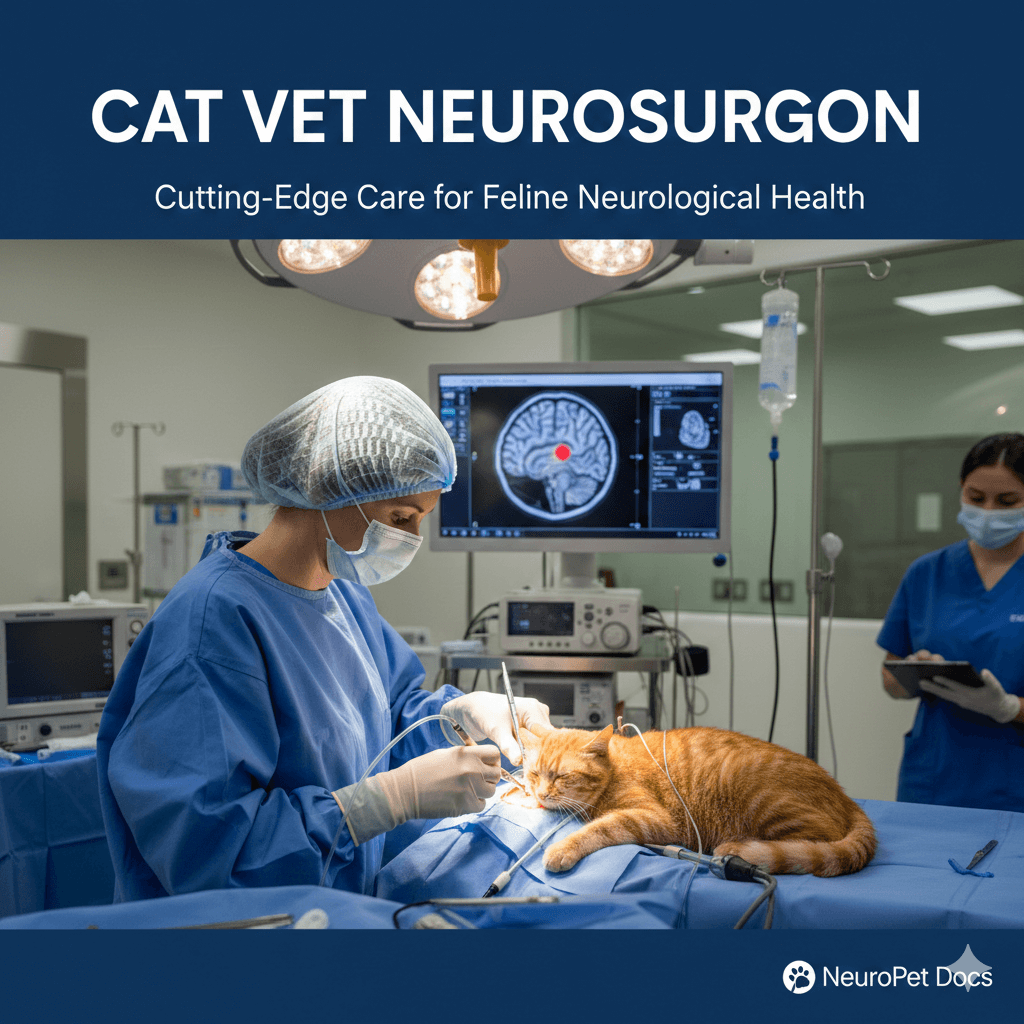

Cat Neurosurgeon: Best 7 Expert Tips!
When your feline companion shows signs of neurological trouble—like seizures, wobbliness, or sudden behavior changes—finding a qualified cat neurosurgeon becomes urgent. These specialists diagnose and treat complex conditions affecting the brain, spine, and nerves. While rare, access to expert care can be life-changing or even life-saving. Navigating this specialized field can feel overwhelming, but knowing what to look for ensures your cat gets the best possible outcome. With the right support, many neurological issues in cats are manageable or treatable.
Common Neurological Conditions Requiring a Specialist
Not every odd behavior demands surgery, but certain neurological disorders benefit significantly from a cat neurosurgeon’s expertise. Early recognition of these conditions can lead to timely intervention and improved quality of life:
- Spinal Trauma or Injury:
Falls, accidents, or bites can fracture vertebrae or compress the spinal cord, causing paralysis or pain. - Brain or Spinal Tumors:
Growths in the nervous system may lead to seizures, circling, or loss of coordination—some are operable. - Intervertebral Disc Disease (IVDD):
Though more common in dogs, cats can suffer disc herniations that pinch nerves and require surgical decompression. - Congenital Malformations:
Conditions like atlantoaxial instability or syringomyelia may be present from birth and worsen over time. - Severe Seizure Disorders:
When medication fails to control epilepsy, advanced imaging and neurosurgical evaluation may reveal correctable causes.
Early referral to a neurosurgeon often opens more treatment options before irreversible nerve damage occurs.
When to Seek a Cat Neurosurgeon vs. a General Vet
Your regular veterinarian is an essential first step—but certain red flags signal the need for advanced neurological care. Knowing the difference helps you escalate appropriately:
- Persistent Ataxia or Wobbliness:
Unsteady gait that doesn’t improve in 24–48 hours may indicate spinal cord compression needing urgent imaging. - Sudden Hind Limb Paralysis:
Often mistaken for a blood clot (saddle thrombus), this can also stem from spinal lesions requiring neurosurgical assessment. - Recurring or Cluster Seizures:
Frequent episodes despite anti-seizure meds warrant MRI or CT scans only available through specialists. - Neck or Back Pain with Vocalizing:
Cats rarely cry out in pain—doing so during touch or movement suggests serious nerve or spinal involvement. - Loss of Bladder/Bowel Control:
Incontinence alongside weakness points to cauda equina syndrome or other surgical emergencies.
If your vet confirms neurological involvement, ask for a referral immediately—time is critical in preserving nerve function.
Check this guide 👉Understanding Cat Brain Scans: Best 7 Health Tips!
Check this guide 👉How Big Are Cat Brains? Best 7 Expert Tips!
Check this guide 👉Cat Intelligence Compared to Humans: Best 7 Expert Tips!
Diagnostic Readiness | Treatment Advantages of a Specialist |
|---|---|
Access to MRI/CT imaging | Precision in locating lesions or tumors |
Advanced neurological exams | Accurate differentiation from mimics like pain or metabolic disease |
24/7 ICU monitoring | Post-op care tailored to fragile neurological patients |
Multidisciplinary teams | Collaboration with internal medicine, oncology, and rehab |
Minimally invasive techniques | Smaller incisions, faster recovery, reduced risk |
How to Locate a Qualified Feline Neurosurgeon
Specialist care for cats is available, but requires knowing where to look. Not all veterinary schools or specialty hospitals offer neurosurgery—especially for feline patients:
- Check Veterinary Teaching Hospitals:
Universities with veterinary colleges often house board-certified neurologists and neurosurgeons experienced with cats. - Use ACVIM or ESVN Directories:
The American College of Veterinary Internal Medicine (ACVIM) and European Society of Veterinary Neurology list certified specialists. - Ask for Cat-Specific Experience:
Some neurosurgeons focus mainly on dogs; confirm they routinely treat feline cases before booking. - Verify Equipment Availability:
Ensure the facility has high-field MRI, operating microscopes, and feline-appropriate anesthesia protocols. - Seek Teleconsultation First:
Many specialists offer remote case reviews to determine if an in-person visit is truly necessary.
Start your search early—waitlists at top centers can be weeks long for non-emergency cases.
What to Expect During a Neurosurgical Consultation
The first visit with a cat neurosurgeon is thorough and may take 1–2 hours. Understanding the process reduces anxiety for both you and your cat:
- Detailed Neurological Exam:
Your cat’s reflexes, posture, cranial nerves, and gait will be meticulously assessed using standardized tests. - Advanced Imaging Discussion:
MRI is the gold standard; your surgeon will explain risks, anesthesia protocols, and expected findings. - Clear Treatment Options:
Surgery isn’t always recommended—some conditions respond better to meds or radiation, which the team will outline. - Cost and Prognosis Transparency:
Expect honest conversations about recovery chances, long-term care needs, and financial investment (often $3,000–$8,000+). - Post-Op Rehabilitation Plan:
Recovery may include pain management, physical therapy, or mobility aids like carts for paralyzed cats.
This consultation isn’t just about surgery—it’s about crafting a compassionate, realistic path forward for your cat’s unique needs.
Preparing Your Cat for Neurosurgical Evaluation
Stress can mask or mimic neurological signs, so preparation helps ensure accurate diagnosis and smoother visits:
- Fast as Instructed:
Most imaging or procedures require 6–12 hours of fasting to reduce anesthesia risks—follow guidelines precisely. - Bring Medical Records:
Include bloodwork, X-rays, and videos of abnormal behaviors (e.g., seizures or gait issues) for context. - Use a Secure Carrier:
A hard-sided, quiet carrier with familiar bedding minimizes stress during transport. - Avoid Sedatives Without Approval:
Some calming aids interfere with neurological exams—ask your vet before giving anything. - Plan for Overnight Stay:
Many cats need monitoring post-imaging or surgery; arrange pet-sitting or support in advance.
A calm, well-prepared cat allows the neurosurgeon to see their true clinical picture—leading to better decisions.
Financial and Emotional Considerations
Pursuing neurosurgery for a cat is a significant commitment—emotionally, logistically, and financially. Honest reflection helps you choose wisely:
- Explore Pet Insurance Early:
Coverage must be in place before symptoms appear; some plans now include specialty and surgical care. - Ask About Payment Plans:
Many specialty hospitals partner with CareCredit or Scratchpay for manageable monthly payments. - Weigh Quality of Life Honestly:
Consider your cat’s age, personality, and tolerance for recovery—not just the technical success of surgery. - Seek a Second Opinion If Unsure:
Neurological diagnoses can be uncertain; another expert’s view may clarify options. - Prepare for Emotional Ups and Downs:
Recovery can be slow; celebrate small wins like tail flicks or eye tracking as signs of progress.
Your love and advocacy are your cat’s greatest assets—no matter which path you choose.
Essential Resources and Support for Cat Neurosurgery Care
Navigating the world of feline neurosurgery isn’t just about finding a specialist—it’s also about accessing the right tools, communities, and aftercare resources to support your cat’s journey. Being informed and connected can significantly ease the emotional and logistical burden:
- Veterinary Neurology Associations:
Organizations like the ACVIM (American College of Veterinary Internal Medicine) offer public directories to locate board-certified neurologists and neurosurgeons by region. - Online Support Groups:
Communities on Facebook or Reddit (e.g., “Feline Neurological Disorders Support”) provide real-life experiences, recovery tips, and emotional solidarity from other cat parents. - Rehabilitation and Physical Therapy Centers:
Post-surgery, many cats benefit from hydrotherapy, laser therapy, or passive range-of-motion exercises—ask your specialist for certified veterinary rehab referrals. - Specialized Mobility Aids:
Companies like HandicappedPets.com offer harnesses, wheelchairs, and non-slip mats designed specifically for cats with neurological weakness or paralysis. - Second Opinion Services:
Platforms like VetCT or VetSpecialists.com allow remote consultations with neurosurgeons if you’re in a rural area or need expert validation of a diagnosis.
Having these resources at your fingertips ensures you’re never alone in making difficult decisions—and that your cat receives holistic, compassionate care at every stage.
Frequently Asked Questions About Cat Neurosurgeons
Can a regular vet perform cat neurosurgery?
No—neurosurgery requires years of advanced training, specialized equipment, and board certification in veterinary neurology/surgery.
How long does recovery take after feline spinal surgery?
Most cats show improvement in days to weeks, but full recovery can take 2–6 months with consistent rehab and nursing care.
Are neurological conditions in cats painful?
Yes—nerve compression, inflammation, or muscle spasms often cause significant discomfort that needs targeted pain control.
What’s the success rate for cat brain tumor removal?
It varies by tumor type and location; some meningiomas in cats are highly operable with excellent long-term outcomes.
Is a neurologist the same as a neurosurgeon?
All veterinary neurosurgeons are neurologists, but not all neurologists perform surgery—confirm surgical capability when booking.
Supporting Your Cat Through Neurological Care
Facing a neurological diagnosis in your cat can feel overwhelming—but you’re not alone. With skilled specialists, thoughtful preparation, and unwavering love, many cats regain mobility, comfort, and joy. Whether surgery is pursued or not, your role as an informed, compassionate advocate shapes every step of their journey. Trust your instincts, lean on the veterinary team, and remember: even small improvements are victories worth celebrating. In the quiet moments of care—offering a warm blanket, gentle words, or a favorite treat—you give your cat something no surgery can replicate: the deep comfort of being known and cherished.
Is Rawhide Bad for Cats? Best 7 Expert Tips! – Discover the risks, safe alternatives, and expert advice to keep your feline friend healthy and happy.

Is Rawhide Bad for Dogs? Best 7 Expert Tips! – Discover the risks, benefits, and safer alternatives to rawhides for your dog’s chewing needs.

Understanding Anorexia in Cats: Best 7 Expert Tips! – Learn why cats stop eating, spot warning signs, and discover how to help your feline regain appetite safely.

Understanding Anorexia in Dogs: Best 7 Expert Tips! – Learn causes, symptoms, and solutions to help your dog regain appetite and stay healthy.