

Cat Massage Techniques: Best 7 Expert Tips!

Cat Massage Techniques: Best 7 Expert Tips!

Cat Massage Techniques: Gentle Touch for a Happier, Healthier Feline

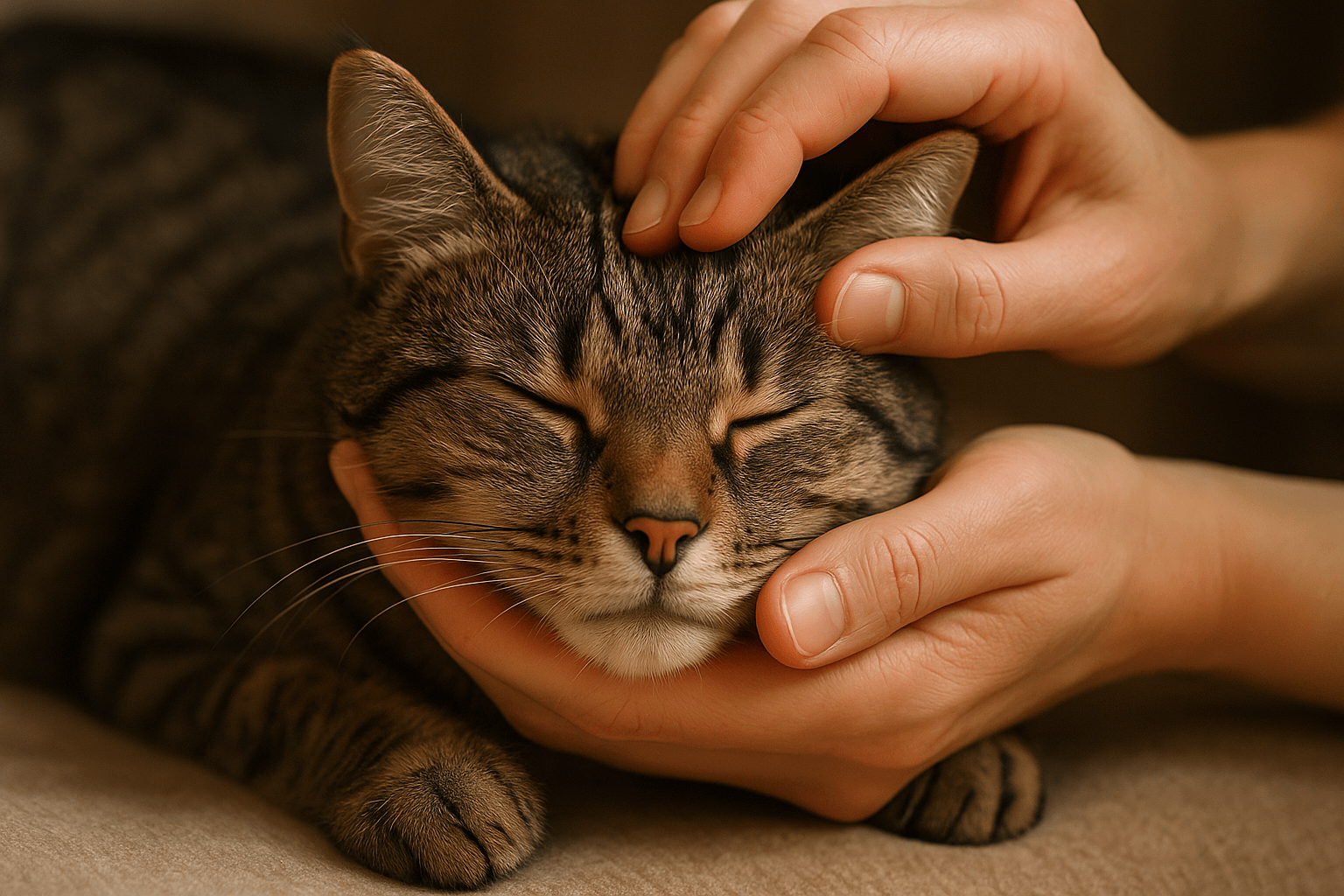
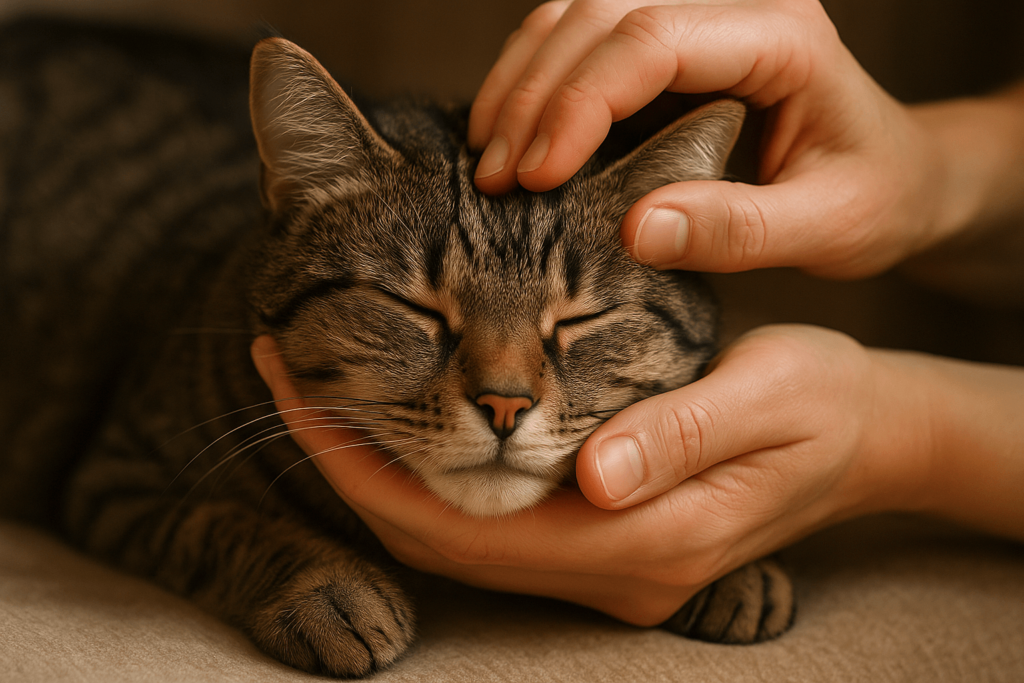
Imagine your cat melting under your fingertips, purring like a tiny engine of contentment—that’s the magic of a well-delivered feline massage. More than just a soothing ritual, massage can ease tension, improve circulation, and strengthen the bond between you and your cat. Whether your feline friend is aging, anxious, or simply loves attention, gentle touch offers real wellness benefits. With the right approach, you can turn quiet moments into healing opportunities. Here’s how to massage your cat safely, respectfully, and effectively.

Benefits of Massage for Cats


Feline massage isn’t just indulgence—it’s a valuable wellness practice backed by both instinct and science. When done correctly, it supports physical comfort and emotional balance in cats of all ages.

 
  • Improved circulation:
    Gentle strokes encourage blood flow, which aids healing and keeps muscles and joints supple—especially helpful for senior cats.
     
  • Reduced stress and anxiety:
    Rhythmic touch can lower cortisol levels, calming nervous cats during storms, vet visits, or household changes.
     
  • Early detection of health issues:
    Regular hands-on contact helps you notice lumps, swelling, tenderness, or skin changes before they become serious.
     
  • Enhanced bonding and trust:
    Massage deepens your connection, reinforcing safety and affection in your relationship.
     
  • Support for mobility and flexibility:
    Light stretching and circular motions can ease stiffness from arthritis or inactivity.
 

Massage transforms routine petting into purposeful care—benefiting both body and spirit.

Cat Massage Techniques: Best 7 Expert Tips!

When Massage Is Not Recommended


While massage is beneficial for many cats, there are times when touch can do more harm than good. Always prioritize your cat’s health and comfort.

 
  • During acute illness or fever:
    Massage can increase circulation in ways that might worsen infection or inflammation.
     
  • Over wounds, sores, or surgical sites:
    Even gentle pressure can delay healing or cause pain in damaged tissue.
     
  • If your cat shows fear or aggression:
    Forcing touch on a stressed cat damages trust and may lead to defensive biting or scratching.
     
  • With undiagnosed lumps or swelling:
    Massaging a tumor or abscess could potentially accelerate spread or rupture.
     
  • During severe pain or limping:
    Let a veterinarian assess the cause before attempting any hands-on therapy.
 

When in doubt, consult your vet first—massage should never replace professional medical care.

Ideal for Massage Avoid Massage If...
Relaxed, purring cat Cat is hiding or hissing
Senior cat with mild stiffness Recent surgery or injury
Post-vet visit (if cleared) Fever or lethargy present
Daily bonding routine Undiagnosed lump or swelling
After gentle play session Known heart or kidney disease (without vet approval)

Essential Cat Massage Techniques to Try at Home


Start slow, follow your cat’s cues, and keep sessions brief (3–5 minutes). These foundational techniques are safe for most relaxed cats.

 
  • Effleurage (gentle stroking):
    Use flat palms or fingertips to glide slowly from head to tail along the spine and sides—never press deeply.
     
  • Circular ear base massage:
    Apply feather-light circles at the base of the ears, a spot many cats find blissful.
     
  • Chin and cheek strokes:
    Gently rub under the chin or along the jawline using your index finger—most cats lean into this instantly.
     
  • Shoulder and neck kneading:
    Use soft, slow thumb circles on the shoulders (avoid spine pressure) to release tension from perching or stress.
     
  • Tail base light touch:
    Some cats enjoy very light strokes where the tail meets the body—but stop immediately if they flick or tense.
 

Always watch body language: slow blinks and purring mean “continue”; tail flicks, flattened ears, or walking away mean “stop.”

Reading Your Cat’s Body Language During Massage


Cats communicate clearly—if you know how to listen with your eyes. Respect their signals to keep massage a positive experience.

 
  • Relaxed posture:
    Loose limbs, soft eyes, and a gently curved tail signal comfort and openness.
     
  • Purring with slow blinking:
    This is the gold standard of feline approval—your cat feels safe and happy.
     
  • Leaning into your hand:
    Active pressure against your fingers means they want more contact in that spot.
     
  • Tail twitching or skin rippling:
    These are early warnings of overstimulation—pause or end the session.
     
  • Ears rotating back or flattening:
    A clear sign of discomfort or anxiety; do not proceed further.
 

Never override these cues—consent is ongoing, and trust is earned through patience.

Common Mistakes to Avoid


Even well-meaning owners can unintentionally turn massage into stress. Steer clear of these frequent errors.

 
  • Using too much pressure:
    Cats have delicate frames—deep tissue work is never appropriate without veterinary guidance.
     
  • Ignoring time limits:
    Most cats max out at 5 minutes; longer sessions lead to overstimulation.
     
  • Massaging the belly:
    Unlike dogs, most cats consider the belly off-limits—even if they roll over (it’s often a trap!).
     
  • Forcing the session:
    If your cat walks away, don’t chase or hold them—try again another day.
     
  • Using scented oils or lotions:
    Essential oils, coconut oil, or human creams can be toxic or irritating—stick to dry, clean hands.
 

Massage should feel like a gift, not an imposition.


Adapting Techniques for Senior or Special-Needs Cats


Older cats or those with chronic conditions benefit greatly from modified massage—but require extra care.

 
  • Shorter, more frequent sessions:
    Two 2-minute sessions may be better than one longer one for arthritic cats.
     
  • Focus on stiff joints:
    Gentle circles around hips or shoulders (without direct pressure on joints) can ease mobility.
     
  • Warm your hands first:
    Cold hands can startle or discomfort older cats—rub palms together before touching.
     
  • Avoid bony areas:
    Senior cats often lose muscle mass; stick to fleshy zones like the neck or upper back.
     
  • Combine with warmth:
    Place a heated pad (low setting, covered) nearby—never directly under—to relax muscles before touch.
 

Always coordinate with your vet, especially if your cat has heart, kidney, or cancer-related conditions.

Building a Consistent Massage Routine


Consistency builds trust and maximizes benefits. Turn massage into a calm, predictable ritual your cat looks forward to.

 
  • Choose a quiet time:
    Early evening or after a calm play session works better than during household chaos.
     
  • Use the same location:
    A favorite blanket or bed creates a sense of safety and routine.
     
  • Start with petting they already enjoy:
    Gradually introduce massage strokes into familiar petting zones.
     
  • Pair with soft words or quiet music:
    Your voice can soothe further—speak in low, rhythmic tones.
     
  • End on a positive note:
    Finish before your cat gets restless, and offer gentle praise or a small treat if they like rewards.
 

Over time, your cat may seek out massage—curling up beside you with hopeful eyes.


Frequently Asked Questions

Can all cats enjoy massage?

Most can learn to—if introduced gently—but some cats will never tolerate it, and that’s okay. Respect their boundaries.

2–3 times per week is ideal for wellness. Daily is fine for seniors or anxious cats, as long as sessions stay brief and positive.

Yes. Calming touch lowers heart rate and cortisol, making it a great tool before stressful events like travel or guests.

Generally yes—with extreme gentleness and vet approval. Avoid direct pressure on swollen joints; focus on surrounding muscles.

Immediately stop and give space. This often means overstimulation or pain—consult your vet to rule out underlying issues.

Final Thoughts – The Healing Power of a Gentle Hand


Cat massage is more than technique—it’s an act of presence, patience, and love. In a world where our feline companions often hide discomfort and stress, your attentive touch becomes a quiet language of care. Done with respect and awareness, massage can ease aching joints, calm a nervous heart, and deepen the silent bond you share. So take a breath, warm your hands, and let your cat guide you. Sometimes, the most powerful medicine comes not in a pill, but in the rhythm of your fingertips and the warmth of your attention.

Understanding Cryptosporidium in Cats: Best 7 Expert Tips!

Understanding Cryptosporidium in Cats: Best 7 Expert Tips! – Spot symptoms, treat safely, and stop parasite spread in your home.

Understanding Cryptosporidium in Dogs: Best 7 Expert Tips!

Understanding Cryptosporidium in Dogs: Best 7 Expert Tips! – Learn symptoms, treatment & prevention for this stubborn gut parasite.

Understanding Syringomyelia in Cats: Best 7 Expert Tips!

Understanding Syringomyelia in Cats: Best 7 Expert Tips! – Recognize signs, manage pain, and support your cat’s neurological health with vet-backed guidance.

Understanding Syringomyelia in Dogs: Best 7 Expert Tips!

Understanding Syringomyelia in Dogs: Best 7 Expert Tips! – Expert insights on symptoms, MRI diagnosis, pain management & quality of life.

Leave a Reply

Your email address will not be published. Required fields are marked *


