
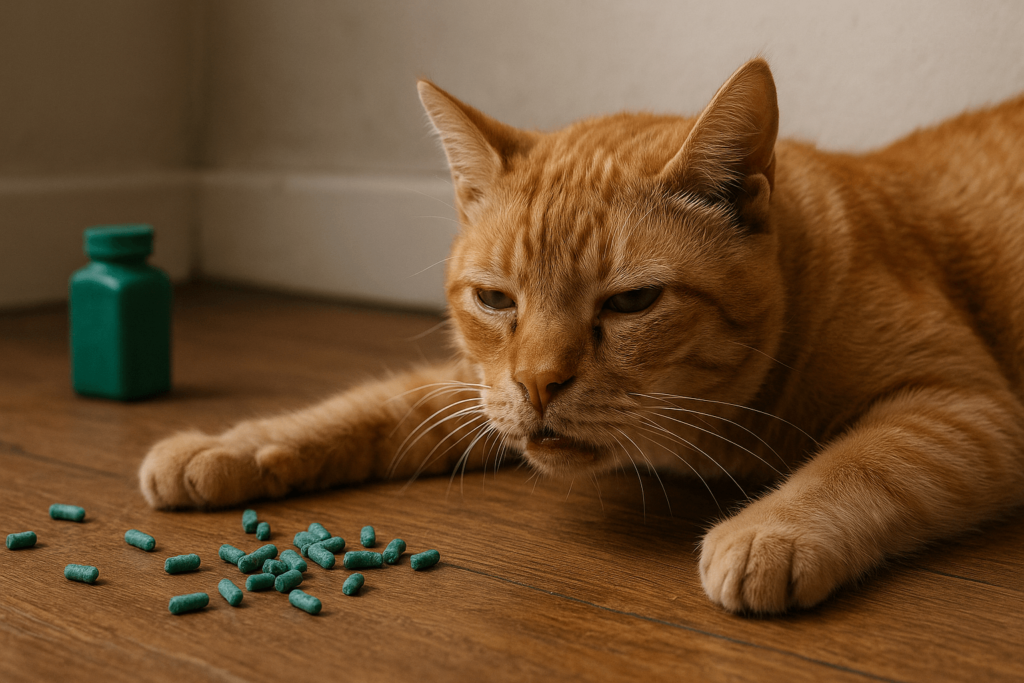

Cat Ingested Rat Poison Symptoms: What Every Cat Owner Must Know
If your cat has ingested rat poison, time is critical. Even a small amount can be life-threatening due to the powerful anticoagulants or other toxic compounds found in these products. Recognizing early symptoms can mean the difference between a full recovery and irreversible damage — or worse. This guide outlines the signs, risks, and immediate steps you must take to protect your feline friend.
How Rat Poison Affects a Cat’s Body
Rat poisons are designed to kill rodents, but they pose a deadly threat to cats as well — whether through direct ingestion or secondary poisoning from eating a contaminated rodent. These toxins disrupt essential bodily functions, often silently and rapidly.
Anticoagulant poisons
Prevent blood from clotting, leading to internal and external bleeding that may not appear for 2–5 days.Bromethalin-based poisons
Attack the nervous system, causing brain swelling, seizures, and paralysis within hours.Cholecalciferol (Vitamin D3) poisons
Trigger dangerous spikes in calcium levels, leading to kidney failure and cardiac issues within 12–36 hours.Zinc phosphide poisons
Release toxic phosphine gas in the stomach, causing vomiting, shock, and organ damage almost immediately.Secondary poisoning risk
Cats can be poisoned by eating rats or mice that have consumed rodenticides — even if they never touched the bait themselves.
While symptoms vary by poison type, one truth remains: any suspected exposure requires immediate veterinary attention. Delaying care drastically reduces survival chances.
Early Warning Signs Your Cat May Have Ingested Rat Poison
Initial symptoms can be subtle and easily mistaken for common illnesses. However, early recognition is your best defense against fatal outcomes.
Lethargy or weakness
Your cat may seem unusually tired, unresponsive, or reluctant to move.Loss of appetite
Refusing food or treats is a red flag, especially in a normally hungry cat.Pale or white gums
This indicates anemia or internal bleeding — check by gently lifting the lip.Vomiting or diarrhea
May contain blood, especially with anticoagulant or zinc phosphide poisoning.Difficulty breathing
Caused by internal bleeding in the chest or lung area, or neurological swelling.
These signs may appear within hours or days, depending on the toxin. Never wait for multiple symptoms—if rat poison exposure is possible, act immediately.
Check this guide 👉Can Cats Get Food Poisoning? Best 7 Expert Tips!
Check this guide 👉Signs of Plant Poisoning in Cats: Best 7 Expert Tips!
Check this guide 👉Is Cyclamen Poisonous to Cats? Best 7 Expert Tips!
| Poison Type | Key Symptoms in Cats |
|---|---|
| Anticoagulants (e.g., warfarin, brodifacoum) | Bleeding gums, nosebleeds, bruising, coughing blood, weakness |
| Bromethalin | Tremors, seizures, loss of coordination, paralysis, coma |
| Cholecalciferol (Vitamin D3) | Excessive thirst, vomiting, kidney pain, irregular heartbeat, lethargy |
| Zinc Phosphide | Rapid vomiting (often with garlic odor), shock, difficulty breathing, collapse |
| Secondary Poisoning | Symptoms mimic primary poisoning; onset may be delayed |
What to Do If You Suspect Rat Poison Ingestion
Every minute counts. Immediate action can save your cat’s life — even before symptoms appear.
Call your vet or emergency clinic right away
Do not wait for signs. Provide details about the poison brand or type if known.Do NOT induce vomiting unless instructed
Some poisons cause more damage coming back up, especially corrosive or hydrocarbon-based ones.Bring the poison packaging
This helps the vet identify the active ingredient and choose the correct antidote.Keep your cat calm and warm
Stress worsens symptoms; limit movement to reduce the risk of internal bleeding.Note the time of exposure
This information helps determine treatment urgency and prognosis.
Quick, informed decisions in the first few hours are often the key to survival. Trust your instincts — it’s always better to overreact than to wait.
Diagnosis and Veterinary Treatment Options
Veterinarians use a combination of history, blood tests, and clinical signs to confirm poisoning and determine the best treatment path.
Blood clotting tests (PT/INR)
Essential for detecting anticoagulant poisoning, even before bleeding starts.Activated charcoal administration
Given early to absorb toxins still in the stomach or intestines.Vitamin K1 therapy
The specific antidote for anticoagulant rat poisons — usually given for 4–6 weeks.IV fluids and supportive care
Used for kidney support (cholecalciferol) or to manage brain swelling (bromethalin).Hospitalization for monitoring
Critical for cats showing neurological signs or unstable vitals.
Treatment success depends heavily on how quickly care begins. With prompt intervention, many cats recover fully — but delays can be fatal.
Long-Term Effects and Recovery Timeline
Recovery isn’t always immediate, especially with anticoagulant poisons that require weeks of treatment.
Vitamin K1 supplementation
Must be continued for the full prescribed duration, even if your cat seems fine.Follow-up blood tests
Ensure clotting function returns to normal before stopping treatment.Potential kidney or liver damage
Possible with cholecalciferol or zinc phosphide; may require ongoing monitoring.Neurological deficits
Rare, but some cats may retain mild coordination issues after bromethalin exposure.Emotional recovery
Your cat may be anxious or withdrawn after a medical crisis — patience and gentle reassurance help.
Most cats make a full recovery with consistent care, but never skip follow-ups. Hidden complications can emerge days later.
How to Prevent Rat Poison Exposure in Cats
Prevention is far safer — and kinder — than emergency treatment. Protect your cat with smart, proactive steps.
Never use rat poison in homes with cats
Opt for humane traps or professional pest control that uses bait stations inaccessible to pets.Secure outdoor areas
Cats that roam freely are at high risk of secondary poisoning from hunting rodents.Store poisons out of reach
Even unused bait should be locked away — curious cats can knock over containers.Educate neighbors and landlords
Ask them to avoid rodenticides near shared yards or building entrances.Use pet-safe alternatives
Consider ultrasonic repellents, peppermint oil (used cautiously), or snap traps placed in cat-free zones.
Your cat’s safety starts with eliminating access. There is no “safe” rat poison for cats — only safer choices for you.
When to Seek Emergency Help: Red Flags You Can’t Ignore
Some symptoms demand immediate veterinary intervention — no exceptions.
Any visible bleeding
From nose, gums, eyes, or in urine/stool.Seizures or tremors
Indicates neurological poisoning like bromethalin.Rapid, labored breathing
May signal internal bleeding or fluid in the lungs.Collapse or unresponsiveness
A life-threatening emergency requiring CPR and urgent care.Vomiting with a garlic-like odor
Strong indicator of zinc phosphide ingestion.
If you observe any of these, go to an emergency vet immediately. Do not call first if it delays transport.
Frequently Asked Questions About Cat Rat Poison Ingestion
How long after ingestion do symptoms appear?
It varies. Anticoagulants may take 2–5 days; bromethalin or zinc phosphide can cause symptoms within hours.
Can a cat survive rat poison without treatment?
Rarely. Most rodenticides are lethal without prompt, specific veterinary care. Survival without treatment is extremely unlikely.
Is there an antidote for all rat poisons?
No. Vitamin K1 works only for anticoagulants. Other types require supportive care — which is why identification is crucial.
Can I use home remedies to treat poisoning?
No. Home treatments can worsen the situation. Only a vet can provide safe, effective intervention.
How can I tell if my cat ate a poisoned mouse?
You often can’t. If your outdoor cat shows any unusual symptoms and rodents are being controlled nearby, assume poisoning.
Act Fast, Love Fully: Your Cat’s Life Depends on It
If you suspect your cat has ingested rat poison, do not wait. This is not a “wait-and-see” situation — it’s a race against time. With immediate veterinary care, many cats survive and go on to live full, healthy lives. Your quick action, awareness, and refusal to ignore early signs could be the reason your feline companion gets a second chance. Protect them not just with love, but with vigilance.
Understanding Cryptosporidium in Cats: Best 7 Expert Tips! – Spot symptoms, treat safely, and stop parasite spread in your home.
Understanding Cryptosporidium in Dogs: Best 7 Expert Tips! – Learn symptoms, treatment & prevention for this stubborn gut parasite.
Understanding Syringomyelia in Cats: Best 7 Expert Tips! – Recognize signs, manage pain, and support your cat’s neurological health with vet-backed guidance.
Understanding Syringomyelia in Dogs: Best 7 Expert Tips! – Expert insights on symptoms, MRI diagnosis, pain management & quality of life.


