
Recognizing Cat Hypothermia Symptoms: What Every Owner Should Know
Hypothermia in cats occurs when their body temperature drops below normal, often due to prolonged exposure to cold environments or underlying health issues. This condition can quickly become life-threatening if not addressed promptly, as it affects vital organ functions and overall well-being. By understanding the early warning signs, you can take immediate action to warm your cat safely and seek veterinary care when needed.
Common Symptoms of Hypothermia in Cats
Recognizing the signs of hypothermia early is crucial for saving your cat’s life. These symptoms often develop gradually as their body struggles to maintain its core temperature. Knowing what to look for helps you act quickly and effectively.
- Shivering and Muscle Tremors:
Shivering is one of the first signs of hypothermia; it’s the body’s attempt to generate heat through involuntary muscle contractions. However, as hypothermia worsens, shivering may stop entirely due to severe energy depletion. - Lethargy and Weakness:
Cats with hypothermia often appear unusually tired or unresponsive. Their muscles may feel stiff, making movement difficult, and they might avoid activities they normally enjoy, such as playing or exploring. - Cold Ears, Paws, and Tail:
The extremities are the first areas to lose heat. If your cat’s ears, paws, or tail feel unusually cold to the touch, it could indicate that their body is diverting blood flow away from these areas to protect vital organs. - Slow or Shallow Breathing:
Hypothermia slows down metabolic processes, including respiration. You may notice your cat taking slower, shallower breaths than usual, which can be a sign of declining body function. - Pale or Bluish Gums:
Poor circulation caused by low body temperature can lead to pale or bluish gums. This discoloration signals reduced oxygen delivery to tissues, indicating a critical stage of hypothermia that requires immediate attention.
Understanding these symptoms ensures you can intervene before the condition becomes life-threatening. Early recognition saves lives and prevents long-term damage to your cat’s health.
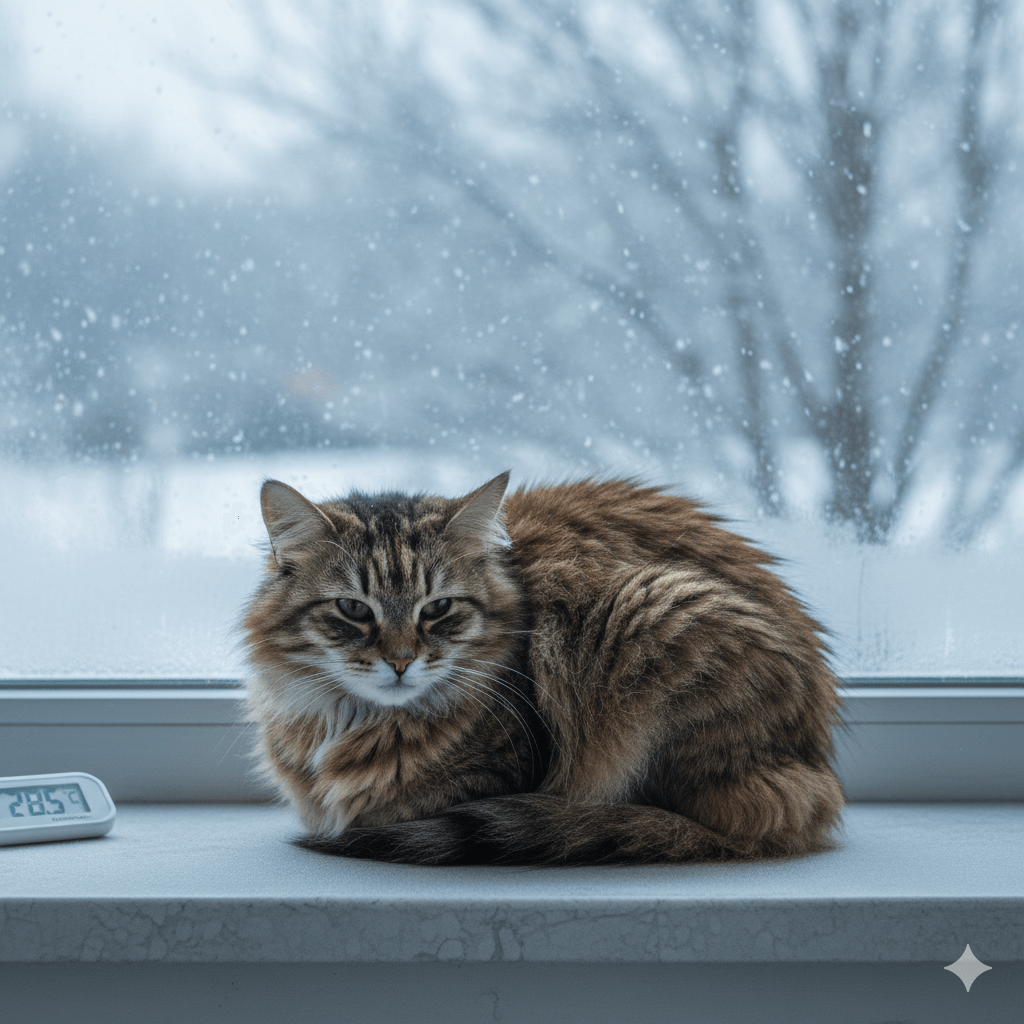
Causes of Hypothermia in Cats
Hypothermia can result from various factors, ranging from environmental exposure to underlying medical conditions. Identifying potential causes helps prevent future incidents and keeps your cat safe.
- Prolonged Exposure to Cold Weather:
Outdoor cats or those left outside during winter are at high risk of hypothermia, especially if they lack adequate shelter or bedding. Even short periods in freezing temperatures can be dangerous. - Wet Fur or Skin:
Water accelerates heat loss, so cats who get wet in cold weather—whether from rain, snow, or accidental spills—are more likely to develop hypothermia. Wet fur reduces insulation and makes it harder for them to retain body heat. - Age-Related Vulnerabilities:
Kittens and senior cats have less efficient thermoregulation systems, making them more susceptible to temperature drops. Their smaller size or weakened immune systems exacerbate the risks. - Underlying Health Issues:
Conditions like hypothyroidism, anemia, or malnutrition impair a cat’s ability to regulate body temperature. Cats recovering from illness or surgery are also at higher risk due to compromised strength and stamina. - Anesthesia During Surgery:
Veterinary procedures involving anesthesia can temporarily disrupt a cat’s ability to maintain body heat, requiring careful monitoring post-operation.
By addressing these causes proactively, you minimize the chances of hypothermia and ensure your cat remains comfortable year-round.
Check this guide 👉Megaesophagus Cat Symptoms: Best 7 Expert Tips!
Check this guide 👉Intestinal Parasite Cat Symptoms: Best 7 Expert Tips!
Check this guide 👉Traumatized Cat Symptoms: Best 7 Expert Tips!
Lorem ipsum dolor sit amet, consectetur adipiscing elit. Ut elit tellus, luctus nec ullamcorper mattis, pulvinar dapibus leo.
Immediate First Aid Steps for Hypothermic Cats
If you suspect your cat is suffering from hypothermia, quick action is essential to stabilize their condition before seeking professional help. Follow these steps carefully to provide effective first aid.
- Move Your Cat to a Warm Environment:
Bring your cat indoors or to a heated area immediately. Avoid placing them directly on cold surfaces like tile floors, as this further lowers their body temperature. - Wrap Them in Blankets:
Use warm (not hot) blankets to gently wrap your cat. Ensure the blanket covers their entire body, including their head, to prevent additional heat loss. - Apply Warm Compresses:
Use warm water bottles or heating pads wrapped in towels to provide supplemental warmth. Place these near—but not directly against—their body to avoid burns. - Offer Warm Fluids:
If your cat is conscious and able to swallow, offer small amounts of lukewarm (not hot) water or diluted chicken broth to encourage hydration and internal warming. - Monitor Vital Signs:
Check their breathing rate, gum color, and responsiveness regularly. If there’s no improvement or symptoms worsen, transport them to the vet immediately.
These steps stabilize your cat temporarily but do not replace professional veterinary care. Always consult a vet after administering first aid.
Long-Term Effects of Untreated Hypothermia
Untreated hypothermia can lead to severe complications that impact your cat’s overall health and quality of life. Understanding these effects underscores the importance of timely intervention.
- Organ Damage:
Prolonged hypothermia reduces blood flow to vital organs like the heart, kidneys, and liver, leading to irreversible tissue damage or failure over time. - Weakened Immune System:
Low body temperatures suppress immune function, leaving your cat vulnerable to infections and illnesses that would otherwise be manageable. - Neurological Impairment:
Extended periods of hypothermia can affect brain function, resulting in confusion, seizures, or permanent cognitive deficits depending on severity. - Cardiovascular Complications:
The heart struggles to pump efficiently in cold conditions, potentially causing arrhythmias or cardiac arrest in extreme cases. - Delayed Recovery Time:
Even with treatment, cats recovering from severe hypothermia may take weeks to regain normal energy levels and behavior patterns.
Addressing hypothermia promptly minimizes these risks and ensures a smoother recovery process.
Preventing Hypothermia in Cats
Prevention is always better than cure when it comes to hypothermia. Simple measures can significantly reduce the likelihood of your cat developing this dangerous condition.
- Provide Adequate Shelter:
Ensure outdoor cats have access to insulated shelters filled with straw or warm bedding to protect them from harsh weather conditions. - Limit Outdoor Time in Winter:
Keep cats indoors during extremely cold days, especially if they’re young, elderly, or have preexisting health issues. - Dry Them Thoroughly After Getting Wet:
Towel-dry your cat immediately if they get wet, using a hairdryer on the lowest setting if necessary to speed up drying without overheating. - Maintain Proper Nutrition:
A balanced diet rich in fats and proteins supports healthy body temperature regulation and provides the energy needed to stay warm. - Schedule Regular Vet Check-Ups:
Routine exams detect underlying conditions that increase hypothermia risk, allowing for proactive management and treatment.
These preventive strategies create a safer environment and promote long-term well-being for your feline companion.
Treatment Options for Hypothermic Cats
Veterinarians use a variety of methods to treat hypothermia, focusing on gradual rewarming and stabilizing vital functions. Timely intervention improves outcomes significantly.
- Controlled Rewarming Techniques:
Vets use specialized equipment like incubators or heated IV fluids to safely raise your cat’s body temperature without causing shock or burns. - IV Fluid Therapy:
Intravenous fluids restore hydration and deliver nutrients directly into the bloodstream, aiding recovery and preventing dehydration-related complications. - Oxygen Support:
Supplemental oxygen ensures adequate oxygenation of tissues, counteracting the effects of slowed respiration and poor circulation. - Monitoring and Stabilization:
Continuous monitoring of heart rate, breathing, and temperature ensures stability during recovery, with adjustments made as needed. - Post-Treatment Care Instructions:
You’ll receive detailed guidance on continuing care at home, including dietary recommendations and warning signs to watch for post-discharge.
Modern veterinary care offers excellent chances of full recovery with prompt and appropriate treatment.
Special Considerations for At-Risk Cats
Certain groups of cats face higher risks of hypothermia due to age, breed, or health status. Tailoring care to their unique needs reduces vulnerability and promotes safety.
- Kittens Under Six Months:
Their small size and underdeveloped thermoregulation systems make kittens highly susceptible to rapid heat loss. Extra warmth and supervision are essential. - Senior Cats Over Ten Years Old:
Older cats often struggle to maintain body temperature due to decreased muscle mass and slower metabolism. Providing cozy resting spots is key. - Hairless Breeds Like Sphynx Cats:
Without fur for insulation, these breeds require heated bedding and protective clothing during colder months to stay warm. - Underweight or Malnourished Cats:
Insufficient fat reserves compromise their ability to generate and retain body heat, necessitating calorie-dense diets and close monitoring. - Cats with Chronic Illnesses:
Conditions like diabetes or arthritis interfere with thermoregulation, requiring tailored care plans to address both primary and secondary risks.
Understanding breed-specific nuances allows for targeted prevention and swift responses during emergencies.
“Signs of hypothermia include body temperature below 98.5° F, decreased heart rate, pale or blue mucous membranes, dilated pupils, shivering, wobbliness, unconsciousness or coma, and weak pulse.”
— Deborah C. Mandell, BS, VMD
Frequently Asked Questions About Cat Hypothermia Symptoms
What should I do if my cat’s temperature is below normal?
Gradually warm your cat using blankets and warm compresses, then seek veterinary care immediately.
How can I check my cat’s body temperature safely?
Use a digital rectal thermometer with petroleum jelly; normal temperature ranges from 100.5°F to 102.5°F (38°C to 39°C).
Can indoor cats get hypothermia?
Yes—drafty homes, cold floors, or exposure to air conditioning for prolonged periods can lead to hypothermia in indoor cats.
Is it safe to use a hairdryer to warm my cat?
Only on the lowest setting and at a safe distance to avoid overheating or burns. Always supervise carefully.
How long does it take for a cat to recover from hypothermia?
Mild cases may resolve within hours, but severe cases require days of veterinary monitoring and supportive care.
A Lifeline in Every Moment of Crisis
Hypothermia is a frightening condition, but knowing how to recognize and respond to it empowers you to protect your feline companion. Whether through prevention, first aid, or professional treatment, every step you take brings your cat closer to safety and recovery. Remember, even small actions—like providing a cozy bed or limiting outdoor time during winter—can make a world of difference. Your vigilance and care are the ultimate safeguards against hypothermia, ensuring your cat remains happy, healthy, and by your side for years to come.

Is Rawhide Bad for Cats? Best 7 Expert Tips! – Discover the risks, safe alternatives, and expert advice to keep your feline friend healthy and happy.

Is Rawhide Bad for Dogs? Best 7 Expert Tips! – Discover the risks, benefits, and safer alternatives to rawhides for your dog’s chewing needs.

Understanding Anorexia in Cats: Best 7 Expert Tips! – Learn why cats stop eating, spot warning signs, and discover how to help your feline regain appetite safely.

Understanding Anorexia in Dogs: Best 7 Expert Tips! – Learn causes, symptoms, and solutions to help your dog regain appetite and stay healthy.