
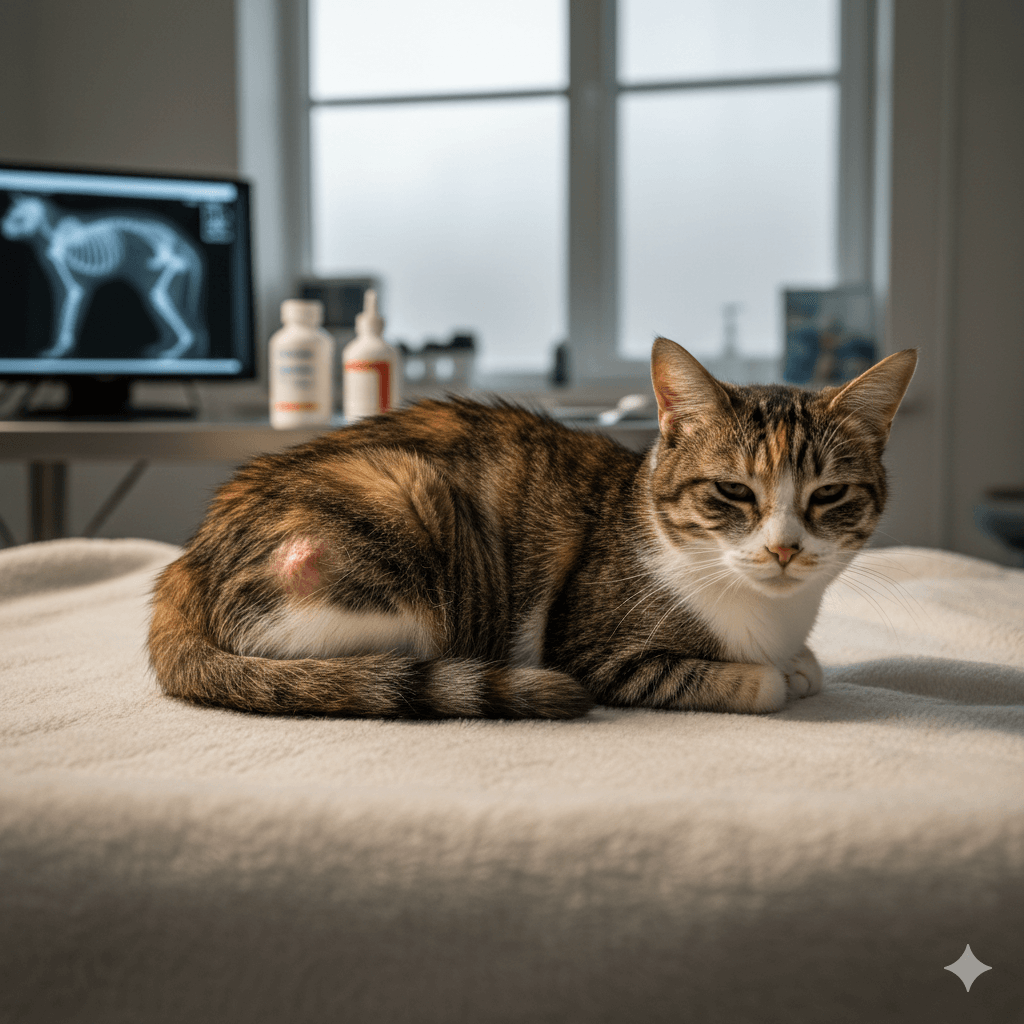

Cat Hip Cancer: Best 7 Expert Tips!

Cat Hip Cancer: Best 7 Expert Tips!

Understanding Cat Hip Cancer: Best 7 Expert Tips!

If your cat is limping, resisting touch near the hindquarters, or showing unexplained weight loss, hip cancer could be a concern. Though rare compared to other feline illnesses, malignant tumors in or around the hip joint can severely impact mobility and quality of life. Early detection is challenging but critical—subtle changes in posture or activity may be the only clues. With compassionate care and timely intervention, many cats can still enjoy comfort and dignity. Understanding the signs, types, and treatment paths empowers you to act swiftly and support your feline companion through this difficult journey.

Common Signs Your Cat May Have Hip Cancer

Feline hip cancer often mimics arthritis or injury, making it easy to overlook in early stages. However, persistent or worsening symptoms—especially in older cats—should raise concern. Look for these key indicators that suggest a deeper issue than simple stiffness:

 
  • Persistent Lameness or Limping:
    Your cat may favor one hind leg, walk stiffly, or avoid jumping onto favorite perches.
     
  • Visible Swelling Near the Hip:
    A firm, painful mass may develop around the pelvis or upper thigh, sometimes warm to the touch.
     
  • Muscle Wasting in Hind Legs:
    Reduced use of the affected limb leads to noticeable thinning of thigh muscles over time.
     
  • Reluctance to Be Touched or Groomed:
    Cats often flinch, hiss, or move away when the hip area is brushed or handled.
     
  • Unexplained Lethargy or Behavioral Changes:
    Hiding, decreased interaction, or loss of interest in play can signal chronic pain or illness.
 

While these signs may stem from arthritis or trauma, their persistence or progression warrants veterinary imaging to rule out malignancy.

Cat Hip Cancer: Best 7 Expert Tips!

When to Worry: Red Flags Beyond Typical Mobility Issues

Not every limp is cancer—but certain warning signs demand urgent evaluation. Hip tumors in cats can grow rapidly and metastasize, so distinguishing benign stiffness from serious disease is vital:

 
  • Sudden Inability to Bear Weight:
    If your cat drags a leg or refuses to stand on it, this suggests nerve compression or bone weakening.
     
  • Persistent Pain Despite Pain Meds:
    Lack of response to standard arthritis or pain management may indicate an aggressive underlying condition.
     
  • Loss of Appetite with Mobility Issues:
    Systemic illness like cancer often causes nausea or metabolic changes that reduce food interest.
     
  • Breathing Changes or Lethargy:
    These may signal metastasis to the lungs or other organs, especially in advanced cases.
     
  • Fracture from Minor Trauma:
    Pathological fractures (breaking from gentle activity) can occur when cancer weakens bone structure.
 

If any of these appear, schedule an emergency vet visit—early diagnostics like X-rays or CT scans are crucial.

Early Indicators of Hip Discomfort
Advanced or Alarming Signs
Occasional stiffness after rest
Constant limping or non-weight-bearing
Slight reluctance to jump
Complete avoidance of vertical movement
Mild muscle asymmetry
Obvious thigh atrophy on one side
Brief reaction to hip touch
Aggression or vocalization when handled
Normal appetite with slow movement
Weight loss alongside mobility decline

Types of Cancer That Affect the Feline Hip Area

While primary bone cancer in cats is uncommon, several tumor types can involve the hip joint or surrounding structures. Knowing the possibilities helps guide diagnostics and treatment planning:

 
  • Osteosarcoma:
    The most common primary bone cancer in cats, often affecting long bones but occasionally pelvis or hip; typically aggressive.
     
  • Fibrosarcoma:
    A soft tissue sarcoma that may arise near the hip joint, sometimes post-vaccination (though rare in this location).
     
  • Lymphoma Involving Bone Marrow:
    Systemic cancer that can infiltrate pelvic bones, causing pain, fractures, or blood cell abnormalities.
     
  • Metastatic Carcinoma:
    Cancers from other organs (e.g., mammary, lung) can spread to hip bones, especially in older cats.
     
  • Chondrosarcoma:
    A slower-growing cartilage-based tumor that may originate in the pelvis and cause gradual lameness.
 

Accurate diagnosis through biopsy and imaging is essential—treatment and prognosis vary widely by type.

Diagnostic Steps Your Veterinarian Will Take

Confirming hip cancer requires a multi-step approach to differentiate it from arthritis, infection, or trauma. Your vet will combine clinical assessment with advanced tools:

 
  • Orthopedic and Neurological Exam:
    To assess gait, pain response, nerve function, and rule out spinal issues mimicking hip disease.
     
  • X-rays of the Pelvis and Hind Limbs:
    Often the first imaging step; may reveal bone lysis, new bone formation, or soft tissue masses.
     
  • Advanced Imaging (CT or MRI):
    Provides detailed 3D views of tumor size, invasion, and spread—critical for surgical planning.
     
  • Blood Work and Urinalysis:
    Helps evaluate overall organ function and detect systemic illness or elevated calcium (a lymphoma clue).
     
  • Biopsy or Fine-Needle Aspiration:
    Definitive diagnosis requires examining tumor cells, often under sedation or general anesthesia.
 

These steps ensure an accurate diagnosis so you can make informed decisions about your cat’s care path.

Treatment Options and Quality-of-Life Considerations

While feline hip cancer is serious, several interventions can extend comfort and function—especially when caught early. Goals focus on pain control and preserving dignity:

 
  • Pain Management Protocols:
    Multimodal plans may include NSAIDs (cat-safe types), gabapentin, opioids, or adjuncts like amantadine.
     
  • Radiation Therapy:
    Highly effective for localized tumors like osteosarcoma; reduces pain and slows progression.
     
  • Surgical Intervention:
    In select cases, partial pelvic resection or limb amputation may be considered—cats often adapt well.
     
  • Palliative Chemotherapy:
    Used for lymphoma or metastatic disease to slow growth and improve well-being.
     
  • Supportive Therapies:
    Acupuncture, laser therapy, or physical rehabilitation can complement medical treatment.
 

The focus should always be on your cat’s comfort—many thrive for months with thoughtful, individualized care.


Special Considerations for Senior Cats and High-Risk Breeds

Older cats are far more likely to develop bone or systemic cancers, but age alone shouldn’t rule out evaluation. Tailoring the approach to your cat’s resilience is key:

 
  • Senior Cats (10+ Years):
    May mask pain longer; subtle changes like sleeping more or grooming less warrant closer inspection.
     
  • Long-Haired Breeds (e.g., Maine Coon, Persian):
    Swelling or asymmetry can be hidden by fur—regular hands-on checks are essential.
     
  • Cats with Prior Cancer History:
    Higher risk of new primary tumors or metastasis; maintain vigilant monitoring.
     
  • Indoor vs. Outdoor Cats:
    Outdoor exposure increases trauma risk (which can mimic or complicate diagnosis), but cancer itself isn’t lifestyle-dependent.
     
  • Cats with Chronic Kidney Disease:
    Pain meds must be kidney-safe; work closely with your vet to balance comfort and organ protection.
 

Every cat deserves a pain-free golden age—don’t assume “it’s just aging” without investigation.

What to Expect During a Veterinary Oncology Consultation

If cancer is suspected, a veterinary oncologist can provide specialized guidance. Here’s what a typical consultation involves:

 
  • Detailed History Review:
    Your observations about onset, progression, and behavior changes are invaluable.
     
  • Staging the Disease:
    Determining extent of spread through chest X-rays, abdominal ultrasound, or bone scans.
     
  • Discussion of Prognosis:
    Realistic timelines based on cancer type, location, and your cat’s overall health.
     
  • Personalized Treatment Plan:
    Options tailored to your goals—whether curative intent or compassionate palliation.
     
  • Home Care Guidance:
    Tips on litter box access, safe mobility, nutrition, and monitoring for decline.
 

This partnership helps you make empowered, loving choices aligned with your cat’s best interests.

Frequently Asked Questions About Cat Hip Cancer

Is hip cancer common in cats?

No—it’s rare. Most hip pain stems from arthritis or injury, but cancer must be ruled out in persistent cases.

Yes, especially with pain management and supportive care. Many enjoy good quality of life for months.

Not at all. Radiation, medication, or palliative care are often preferred, as cats adapt poorly to rear-leg amputation.

No strong breed predisposition is proven in cats, unlike dogs—age is a bigger risk factor.

It varies: osteosarcoma may advance in weeks, while chondrosarcoma can take months. Early detection slows impact.

Supporting Your Cat Through Diagnosis and Beyond

Facing a potential cancer diagnosis is heart-wrenching—but your calm presence is your cat’s greatest source of comfort. By staying observant, seeking timely care, and prioritizing pain relief, you honor the deep bond you share. Remember, quality matters more than quantity: a few peaceful, pain-free months can mean everything to your feline friend. Whether through medical treatment or gentle palliative care, your love and advocacy light the path forward. In the quiet moments of companionship that remain, you’ll know you gave them not just care, but unwavering dignity—right to the very end.

 
Understanding Dog Rehabilitation: Best 7 Expert Tips!

Understanding Dog Rehabilitation: Best 7 Expert Tips! – Discover how targeted therapies and exercises restore mobility, relieve pain, and improve your dog’s quality of life safely.

Can THC Help with Cat Anxiety? Best 7 Expert Tips!

Can THC Help with Cat Anxiety? Best 7 Expert Tips! – Discover the facts, risks, and safe usage of THC for calming your anxious cat. Always consult a vet first!

What Is Toxic to Cats: Best 7 Expert Tips!

What Is Toxic to Cats: Best 7 Expert Tips! – Discover common toxins, recognize symptoms, and learn how to keep your cat safe from harmful substances.

Can THC Help with Dog Anxiety? Best 7 Expert Tips!

Can THC Help with Dog Anxiety? Best 7 Expert Tips! – Discover the effects, risks, and safe use of THC for calming your anxious dog. Consult a vet first!

Leave a Reply

Your email address will not be published. Required fields are marked *

Post Category


