
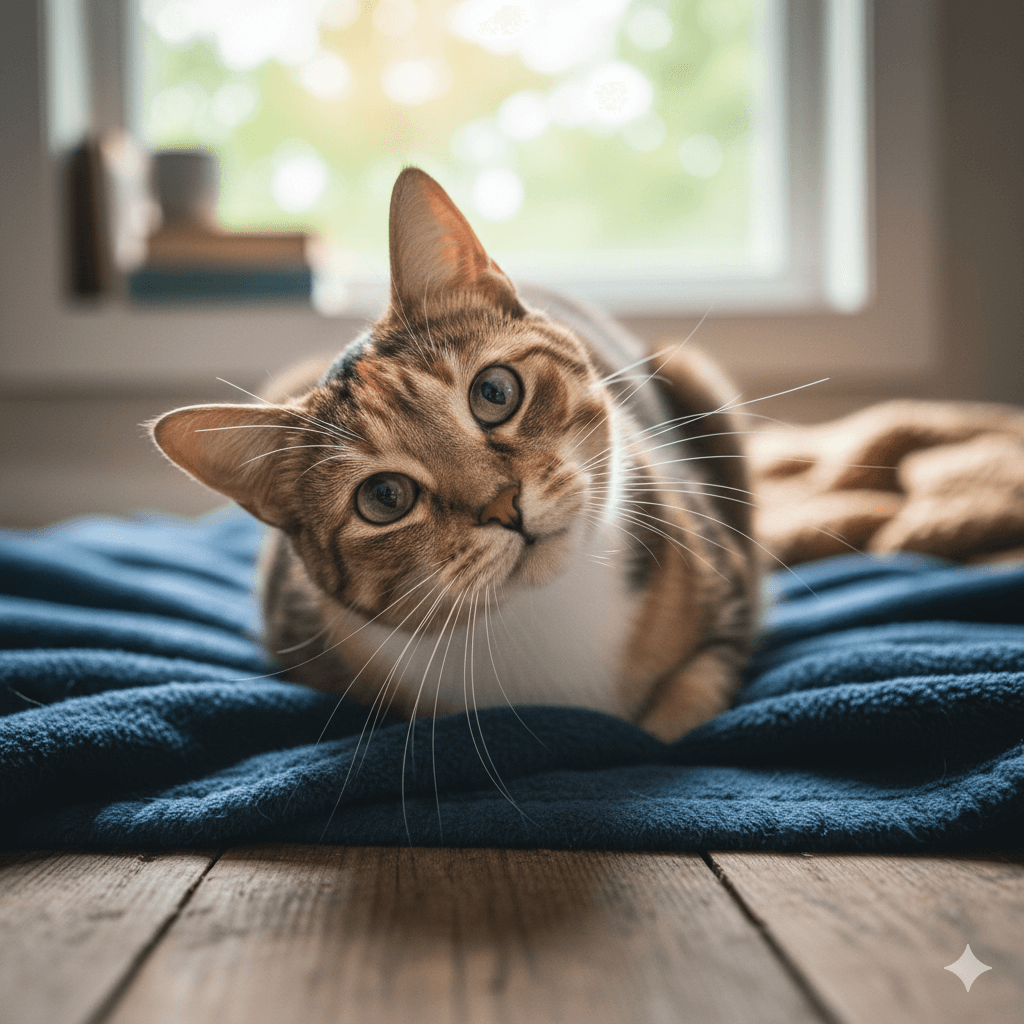

Cat Head Tilt Neurological: Best 7 Expert Tips!

Cat Head Tilt Neurological: Best 7 Expert Tips!

Understanding Cat Head Tilt Neurological: Best 7 Expert Tips!

When your cat holds its head tilted to one side, it’s more than a curious pose—it could signal an underlying neurological issue. A persistent head tilt often points to problems in the inner ear, brainstem, or vestibular system. While some causes are benign and temporary, others require urgent veterinary attention. Recognizing the signs early can make a significant difference in your cat’s prognosis and comfort. With the right knowledge and prompt care, many cats recover well or adapt beautifully to long-term conditions.

Common Neurological Causes of Head Tilt in Cats

A head tilt in cats is rarely random—it’s typically the body’s visible response to an imbalance in the nervous system. This symptom most often originates in the peripheral or central vestibular pathways, which control balance and spatial orientation. Identifying potential neurological sources is the first step toward effective treatment:

 
  • Inner Ear Infections:
    Bacterial or fungal infections in the middle or inner ear can inflame the vestibular nerve, disrupting balance signals to the brain.
     
  • Vestibular Disease:
    Idiopathic vestibular syndrome—an abrupt, non-progressive condition common in older cats—often causes sudden head tilt with no known cause.
     
  • Traumatic Brain Injury:
    Falls, collisions, or accidents may damage the brainstem or cerebellum, leading to abnormal head posture and coordination issues.
     
  • Inflammatory Brain Conditions:
    Encephalitis (brain inflammation) due to viruses like FIP or toxoplasmosis can affect neurological function and cause tilting.
     
  • Neoplasia (Brain or Nerve Tumors):
    Growths in the brainstem, inner ear, or cranial nerves may compress vital structures, producing progressive or worsening head tilt.
 

While some cases resolve on their own, others need advanced diagnostics—so never assume it’s “just quirky behavior.”

Cat Head Tilt Neurological: Best 7 Expert Tips!

Behavioral and Physical Signs That Accompany Head Tilt

A tilted head rarely appears in isolation. Most cats show additional neurological or physical clues that help pinpoint the origin. Observing these accompanying signs closely aids in distinguishing between peripheral (ear-related) and central (brain-related) causes:

 
  • Loss of Balance or Circling:
    Your cat may stagger, fall to one side, or walk in circles, often leaning toward the direction of the head tilt.
     
  • Nystagmus (Rapid Eye Movements):
    Involuntary jerking or darting of the eyes—horizontal, vertical, or rotary—is a hallmark of vestibular dysfunction.
     
  • Vomiting or Nausea:
    Dizziness from neurological imbalance can cause motion sickness–like symptoms, especially in acute cases.
     
  • Facial Nerve Paralysis:
    Drooping eyelid, uneven pupils, or difficulty blinking on one side may occur if cranial nerves are involved.
     
  • Reduced Appetite or Disorientation:
    Confusion, reluctance to jump, or hiding behavior often reflects your cat’s discomfort or sensory disruption.
 

These signs, especially when sudden or severe, warrant immediate veterinary evaluation to rule out life-threatening conditions.

Peripheral Vestibular Signs (Ear-Related)
Central Vestibular Signs (Brain-Related)
Sudden onset, often in older cats
Gradual or rapidly progressive symptoms
Normal mental status and strength
Altered consciousness or weakness in limbs
Horizontal or rotary nystagmus
Vertical nystagmus or erratic eye movements
Mild incoordination, no paralysis
Head pressing, seizures, or limb rigidity
Usually improves within days to weeks
May worsen without targeted treatment

Diagnostic Steps Veterinarians Take

Pinpointing the exact cause of a neurological head tilt requires a methodical approach. Vets combine physical exams with advanced testing to differentiate between treatable infections and more serious brain conditions:

 
  • Neurological Examination:
    Your vet will assess gait, reflexes, eye movements, and cranial nerve function to localize the problem to the ear or brain.
     
  • Otoscopy and Ear Swabs:
    A deep ear exam checks for infection, polyps, or foreign bodies; swabs may be cultured for bacteria or fungi.
     
  • Blood and Urine Tests:
    These help identify systemic infections, metabolic issues, or markers of inflammatory diseases like FIP.
     
  • Advanced Imaging (MRI or CT):
    Essential for detecting tumors, strokes, or brain inflammation—especially if central signs are present.
     
  • Cerebrospinal Fluid (CSF) Analysis:
    In complex cases, a spinal tap may reveal infection, inflammation, or abnormal immune activity in the nervous system.
 

Early diagnostics not only guide treatment but also provide peace of mind about your cat’s long-term outlook.


Home Care During Recovery

If your vet confirms a non-emergency cause like idiopathic vestibular disease, supportive care at home is key to your cat’s comfort and healing. Create a safe, stress-free environment to prevent injury during their disoriented phase:

 
  • Restrict Access to Heights:
    Remove access to stairs, balconies, or high furniture to avoid falls while balance is impaired.
     
  • Provide Easy Access to Essentials:
    Place food, water, and litter box on the same floor, in open areas your cat can navigate without obstacles.
     
  • Assist with Grooming and Feeding:
    Cats with severe tilt may struggle to eat or clean their face; offer soft food and gently wipe their eyes or mouth if needed.
     
  • Minimize Stress and Noise:
    Keep the home calm, use pheromone diffusers, and maintain routines to reduce anxiety during recovery.
     
  • Monitor for Changes Daily:
    Note improvements or new symptoms like lethargy, seizures, or worsening tilt—report these to your vet immediately.
 

Patience and gentle support go a long way; many cats show significant improvement within 72 hours of onset.

Long-Term Management and Prognosis

Not all head tilts fully resolve, but most cats adapt remarkably well—even with a permanent tilt. The prognosis depends entirely on the underlying cause, with some conditions offering full recovery and others requiring lifelong management:

 
  • Idiopathic Vestibular Syndrome:
    Excellent prognosis—most cats improve within days and return to near-normal function within 2–3 weeks.
     
  • Chronic Ear Infections:
    May require long-term antibiotics, anti-inflammatories, or even surgery to prevent recurrence and nerve damage.
     
  • Tumors or Progressive Brain Disease:
    Carry a guarded prognosis, but palliative care, medication, and quality-of-life planning can extend comfort.
     
  • Feline Infectious Peritonitis (FIP) or Toxoplasmosis:
    Neurological FIP has a poor outlook, though newer antiviral treatments show promise; toxoplasmosis often responds well to antibiotics.
     
  • Congenital or Developmental Disorders:
    Kittens born with vestibular defects may have a permanent tilt but typically lead happy, active lives with minor accommodations.
 

Your vet will help you understand what to expect and how to maximize your cat’s well-being, regardless of the diagnosis.

When to Seek Emergency Care

While some head tilts are benign, others signal urgent neurological crises. Knowing when to act immediately can be lifesaving, especially if brain function is compromised:

 
  • Sudden Collapse or Inability to Stand:
    Complete loss of coordination suggests severe central nervous system involvement.
     
  • Seizures or Unconsciousness:
    These indicate significant brain dysfunction requiring emergency stabilization.
     
  • Rapid Worsening Over Hours:
    A tilt that intensifies quickly may point to stroke, hemorrhage, or acute inflammation.
     
  • Extreme Pain or Vocalization:
    Cats rarely cry out—doing so during a head tilt may signal severe headache or nerve compression.
     
  • Accompanying Fever or Neurological Deterioration:
    Rising temperature with disorientation, circling, or paralysis demands same-day veterinary intervention.
 

Don’t wait—neurological emergencies in cats can escalate within hours.

Expert Care Strategies for Cats with Neurological Head Tilt

Managing a cat with a neurological head tilt requires a blend of medical insight and compassionate at-home support. Whether the cause is temporary or chronic, these practical strategies help stabilize your cat’s condition, prevent injury, and promote neurological healing or adaptation:

 
  • Create a Safe, Confined Recovery Space:
    Limit your cat’s environment to a quiet room with non-slip flooring, low-sided litter boxes, and no stairs or high furniture to reduce fall risk.
     
  • Elevate Food and Water Bowls Slightly:
    Position bowls at chest height to make eating and drinking easier without straining the neck or losing balance.
     
  • Use Soft Bedding with Supportive Edges:
    Place rolled towels or orthopedic beds around your cat to provide gentle support and prevent rolling during rest.
     
  • Maintain a Consistent Daily Routine:
    Predictable feeding, cleaning, and interaction times reduce stress and help your cat feel secure during disorientation.
     
  • Schedule Regular Veterinary Rechecks:
    Even if symptoms improve, follow-up exams ensure the condition isn’t progressing and allow timely adjustments to treatment.
 

With thoughtful care and close observation, you can significantly improve your cat’s comfort and quality of life throughout their neurological journey.

Frequently Asked Questions About Cat Head Tilt Neurological

Is a head tilt always a sign of something serious?

Not always—idiopathic vestibular disease is common and often resolves on its own—but it should never be ignored without veterinary assessment.

Typically no. Ear mites cause itching and dark debris but rarely affect balance unless a severe secondary infection develops.

Many cats recover fully within 1–3 weeks if the cause is peripheral (like ear infection or idiopathic syndrome). Central causes vary widely in outcome.

Never without vet guidance. Some medications can worsen central neurological issues or mask symptoms needed for accurate diagnosis.

Stress alone doesn’t cause true neurological head tilt, though anxious cats may briefly cock their heads—persistent tilt always warrants investigation.

Supporting Your Cat Through Neurological Challenges

Seeing your cat struggle with balance or disorientation can be deeply unsettling—but your calm presence is their greatest anchor. While a head tilt may look alarming, many cats navigate this condition with resilience, especially when given a safe, loving environment and timely care. Whether the cause is temporary or lifelong, your commitment ensures they feel secure, understood, and valued. With expert guidance and attentive support, your feline friend can still enjoy a rich, joyful life—tilt and all.

Can Cats Eat Banana Peel? Best 7 Expert Tips!

Can Cats Eat Banana Peel? Best 7 Expert Tips! – Discover if banana peels are safe for cats, potential risks, and expert advice to keep your feline healthy and curious.

Can Dogs Eat Banana Peels? Best 7 Expert Tips!

Can Dogs Eat Banana Peels? Best 7 Expert Tips! – Discover if banana peels are safe for dogs, potential risks, and expert advice on feeding bananas to your pup.

Is Greek Yogurt Good for Cats with Diarrhea? Best 7 Tips!

Is Greek Yogurt Good for Cats with Diarrhea? Best 7 Tips! – Discover if Greek yogurt helps, how to feed it safely, and expert advice for soothing your cat’s upset stomach.

Is Greek Yogurt Good for Dogs with Diarrhea? Best 7 Tips!

Is Greek Yogurt Good for Dogs with Diarrhea? Best 7 Tips! – Discover how Greek yogurt can help, its benefits, risks, and expert advice for your dog’s digestive health.

Leave a Reply

Your email address will not be published. Required fields are marked *


