
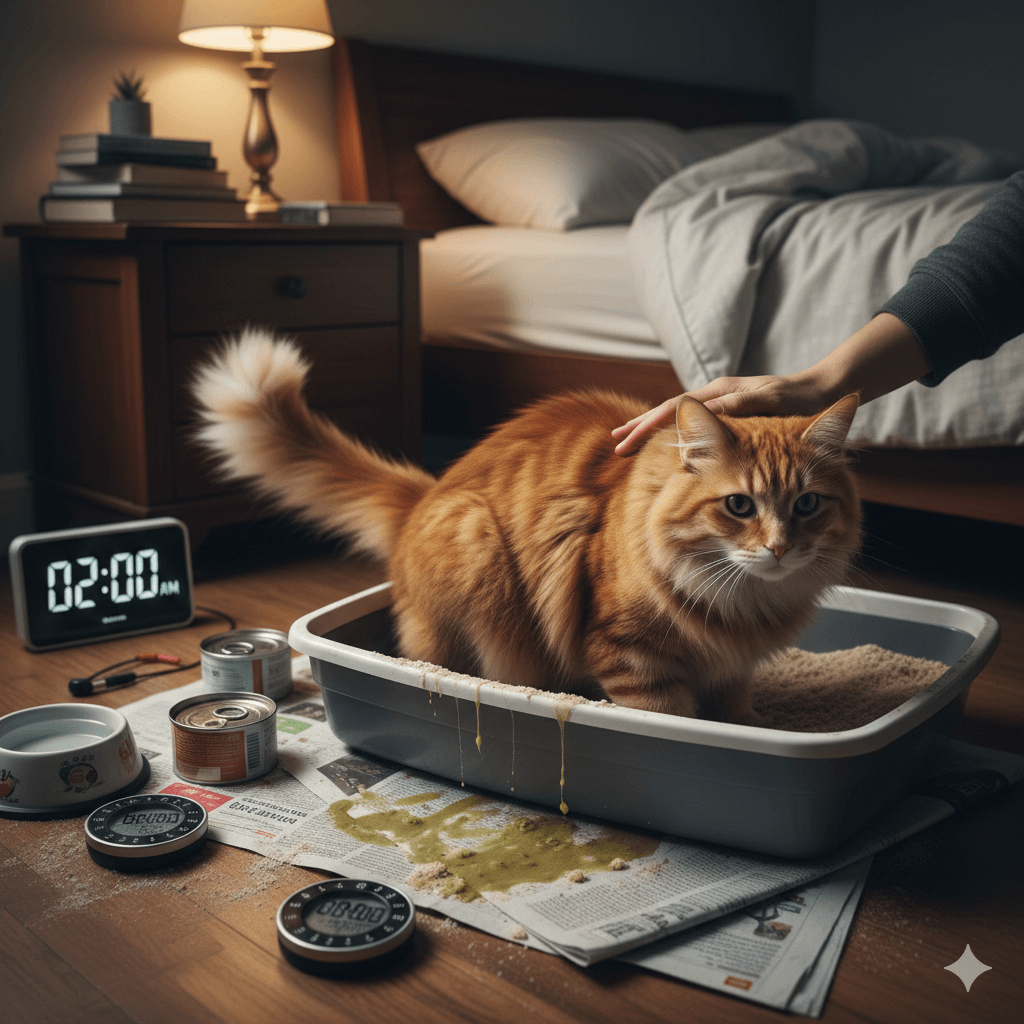

Understanding Cat Having Diarrhea Every 2 Hours: Best 7 Expert Tips!
If your cat is passing diarrhea every couple of hours, it’s more than just an upset stomach—it’s a sign their system is under serious stress. Frequent, watery stools can lead to rapid dehydration, especially in kittens or older cats, and may point to infection, dietary issues, or something more urgent. While occasional soft stool can be normal, diarrhea this frequent demands attention. The good news? With prompt, informed care, most causes are manageable. Here’s what you need to know to help your feline friend feel better fast.
Common Reasons for Frequent Diarrhea in Cats
When diarrhea strikes every 2 hours, it’s usually the body’s reaction to an irritant, infection, or imbalance in the gut. Identifying likely triggers is the first step toward relief. These are among the most frequent culprits vets see in acute, high-frequency cases:
- Dietary Sudden Changes:
Switching food abruptly or offering rich table scraps can overwhelm a cat’s sensitive digestive system, leading to rapid-onset diarrhea. - Intestinal Parasites:
Giardia, coccidia, or roundworms often cause frequent, watery stools—especially in outdoor or multi-cat households. - Viral Infections:
Feline panleukopenia or coronavirus can trigger severe gastroenteritis with diarrhea occurring hourly in serious cases. - Food Allergies or Intolerances:
Chronic exposure to allergens like chicken, beef, or grains may manifest as persistent, recurrent diarrhea. - Ingestion of Toxins or Foreign Objects:
Eating plants, chemicals, or non-food items can irritate the gut lining and provoke rapid evacuation.
Pinpointing the cause isn’t always immediate, but tracking your cat’s recent diet, environment, and behavior provides vital clues for your vet.
Warning Signs That Require Immediate Veterinary Care
Not all diarrhea is equal. When it recurs every 2 hours, your cat can deteriorate quickly. Watch closely for these red flags that signal an emergency:
- Blood in Stool:
Bright red streaks or dark, tarry feces suggest internal bleeding or severe inflammation needing urgent intervention. - Lethargy or Collapse:
A cat that won’t move, hides constantly, or seems disoriented may be severely dehydrated or systemically ill. - Vomiting Alongside Diarrhea:
Combined vomiting and frequent diarrhea drastically increase dehydration risk and may indicate poisoning or obstruction. - No Improvement After 12 Hours:
If diarrhea continues at this frequency beyond half a day, professional evaluation is essential—especially for kittens. - Refusal to Drink Water:
Dehydration sets in fast; if your cat won’t lap water or has dry gums, seek help immediately.
Never wait more than 12–24 hours with this frequency—timely care can be life-saving.
Check this guide 👉Canned Pumpkin for Cat Diarrhea: Best 7 Expert Tips!
Check this guide 👉Cat Diarrhea Treatment: Best 7 Expert Tips!
Check this guide 👉How Long Your Cat Should Have Diarrhea: Best 7 Expert Tips!
Home Monitoring Signs | Emergency Indicators |
|---|---|
Occasional soft stool | Diarrhea every 1–2 hours consistently |
Normal energy levels | Weakness, trembling, or collapse |
Pink, moist gums | Pale, sticky, or dry gums |
Drinking water willingly | Turning away from water or food |
Small amount of mucus in stool | Blood, black stool, or foul odor |
Safe At-Home Support While You Wait for the Vet
If you’re arranging a vet visit but need to manage symptoms temporarily, these gentle measures can stabilize your cat without causing harm:
- Withhold Food Briefly (But Not Water):
Fast for 4–6 hours max in adults (never in kittens under 4 months) to rest the gut, but offer small sips of water or ice chips often. - Offer Oral Rehydration Solution:
Use a cat-safe electrolyte mix (or diluted unflavored Pedialyte) to replace lost minerals—give 1–2 tsp every 30 minutes. - Keep the Litter Box Clean:
Frequent diarrhea means more trips; a clean box reduces stress and lets you monitor stool changes accurately. - Isolate from Other Pets:
If infection is possible, separation prevents spread and allows you to track only your affected cat’s output. - Avoid Human Medications:
Never give Imodium, Pepto-Bismol, or antibiotics—many are toxic to cats and can worsen the condition.
These steps buy time but don’t replace professional diagnosis—especially with such frequent episodes.
Diagnostic Steps Your Veterinarian May Take
When you arrive at the clinic, your vet will work quickly to determine the cause and severity. Expect a thorough, multi-step approach:
- Detailed History:
They’ll ask about diet changes, outdoor access, litter box habits, and symptom onset to narrow the possibilities. - Physical Exam:
Checking hydration, abdominal pain, temperature, and mucous membrane color gives immediate insight into urgency. - Fecal Testing:
A fresh stool sample will be examined for parasites, bacteria, or abnormal fat/protein levels. - Blood Work:
CBC and chemistry panels assess organ function, infection markers, and electrolyte balance. - Imaging if Needed:
X-rays or ultrasound may be used if a foreign body, tumor, or intestinal blockage is suspected.
Accurate diagnosis ensures targeted treatment—whether it’s deworming, antibiotics, fluids, or dietary support.
Long-Term Management and Prevention Strategies
Once the acute episode resolves, preventing recurrence is key—especially if your cat has a sensitive stomach or chronic condition:
- Transition Foods Gradually:
Always mix new food over 7–10 days to allow gut bacteria to adjust without triggering diarrhea. - Stick to High-Quality, Species-Appropriate Diets:
Limited-ingredient or hydrolyzed protein foods reduce allergy risks in sensitive cats. - Regular Parasite Prevention:
Monthly deworming or fecal checks help catch parasites before they cause clinical signs. - Limit Outdoor Roaming:
Reducing exposure to contaminated soil, wildlife, or garbage lowers infection risk significantly. - Probiotic Supplementation:
Daily feline-specific probiotics can stabilize gut flora and improve digestive resilience over time.
Consistency and prevention turn a recurring problem into a rare exception.
Special Considerations for Kittens, Seniors, and Chronically Ill Cats
These groups can’t afford prolonged fluid loss—what’s inconvenient in a healthy adult is dangerous for vulnerable cats:
- Kittens Under 6 Months:
Their small size means they can become critically dehydrated in under 8 hours; always treat frequent diarrhea as an emergency. - Senior Cats:
Underlying kidney disease, hyperthyroidism, or cancer can present with diarrhea—don’t assume it’s “just a tummy bug.” - Cats with IBD or Pancreatitis:
Diarrhea every 2 hours may signal a flare-up requiring medication adjustment or dietary change. - Immunocompromised Cats (e.g., FIV+):
Infections progress faster and hit harder; early vet involvement is non-negotiable. - Diabetic Cats:
Diarrhea disrupts insulin absorption and blood sugar control—monitor glucose closely and contact your vet immediately.
When in doubt, act early. For these cats, time is not on their side.
What to Track Before and After the Vet Visit
Your observations are powerful diagnostic tools. Keep a simple log to share with your veterinarian:
- Stool Frequency and Appearance:
Note time, color, consistency (use a 1–7 scale), and presence of blood/mucus. - Fluid Intake:
Measure how much water or electrolyte solution your cat consumes hourly. - Behavior Changes:
Document hiding, vocalizing, restlessness, or lack of grooming. - Appetite and Vomiting:
Record any food refusal or vomiting episodes—even small amounts matter. - Litter Box Habits:
Track straining, urination changes, or accidents outside the box that may signal pain or urgency.
This data helps your vet distinguish between mild irritation and a serious systemic issue.
Frequently Asked Questions About Cat Having Diarrhea Every 2 Hours
Can stress cause my cat to have diarrhea this frequently?
Yes—moving, new pets, or loud noises can trigger stress colitis, leading to rapid-onset, frequent diarrhea, usually resolving in 24–48 hours.
Should I give my cat pumpkin or probiotics right away?
Plain canned pumpkin (1/2 tsp for adults) may help bulk stool, and feline probiotics are generally safe—but don’t delay vet care if diarrhea persists.
Is it dangerous if my cat has diarrhea but seems playful?
Even active cats can become dehydrated quickly; frequent diarrhea always warrants monitoring and likely veterinary consultation.
Can worms cause diarrhea every 2 hours?
Absolutely—especially giardia or coccidia, which irritate the gut lining and cause urgent, watery stools multiple times per hour.
How long is too long to wait before calling the vet?
For diarrhea occurring every 2 hours, contact your vet within 6–12 hours—sooner if your cat is young, old, or showing other symptoms.
Helping Your Cat Heal with Patience and Care
Seeing your cat race to the litter box again and again is alarming—but your calm, informed response makes all the difference. Frequent diarrhea isn’t just messy; it’s a signal that something’s disrupting your cat’s internal balance. By acting swiftly, observing closely, and partnering with your veterinarian, you give your feline the best chance at a full, comfortable recovery. Remember, your presence, gentle handling, and consistent care are powerful forms of medicine in themselves. With the right support, most cats bounce back quickly—and with preventive steps in place, you can help ensure this distressing cycle doesn’t repeat. Trust your instincts, honor your cat’s needs, and never underestimate the healing power of a quiet, loving space to rest.
Is Rawhide Bad for Cats? Best 7 Expert Tips! – Discover the risks, safe alternatives, and expert advice to keep your feline friend healthy and happy.

Is Rawhide Bad for Dogs? Best 7 Expert Tips! – Discover the risks, benefits, and safer alternatives to rawhides for your dog’s chewing needs.

Understanding Anorexia in Cats: Best 7 Expert Tips! – Learn why cats stop eating, spot warning signs, and discover how to help your feline regain appetite safely.

Understanding Anorexia in Dogs: Best 7 Expert Tips! – Learn causes, symptoms, and solutions to help your dog regain appetite and stay healthy.