
Understanding Cat Food Intolerance: What Every Owner Should Know
Food intolerance in cats occurs when their digestive system reacts negatively to specific ingredients, leading to discomfort and health issues. Unlike food allergies, which involve the immune system, intolerance is often a response to difficulty digesting certain components like proteins or additives. Recognizing the signs early can help you identify problem foods and provide your feline friend with a happier, healthier diet.
Common Symptoms of Cat Food Intolerance
Food intolerance in cats often manifests through a range of digestive and dermatological symptoms. While these signs may overlap with other conditions like allergies or infections, their persistence after meals can hint at an underlying intolerance. Understanding these symptoms helps you identify problem foods and take corrective action to improve your cat’s well-being.
- Chronic Diarrhea:
Frequent loose stools are one of the most common signs of food intolerance. Cats may struggle to digest certain ingredients, leading to gastrointestinal upset that disrupts their normal bowel movements. - Vomiting or Regurgitation:
Cats with food intolerance often vomit shortly after eating. This reaction occurs because their stomachs reject specific components in their diet, causing irritation and discomfort. - Excessive Gas or Bloating:
Intolerance to certain carbohydrates or proteins can lead to excessive gas production. Owners may notice audible gurgling sounds or visible bloating in their cat’s abdomen after meals. - Itchy Skin or Hair Loss:
While itching is more commonly associated with allergies, some cats with food intolerance experience mild skin irritation. Persistent scratching or over-grooming can result in patchy fur or bald spots. - Lethargy or Irritability:
Digestive discomfort caused by food intolerance can make cats less active or more prone to mood swings. They may seem disinterested in play or unusually aggressive due to ongoing discomfort.
If your cat exhibits any combination of these symptoms, it’s worth investigating their diet further to pinpoint potential intolerances.
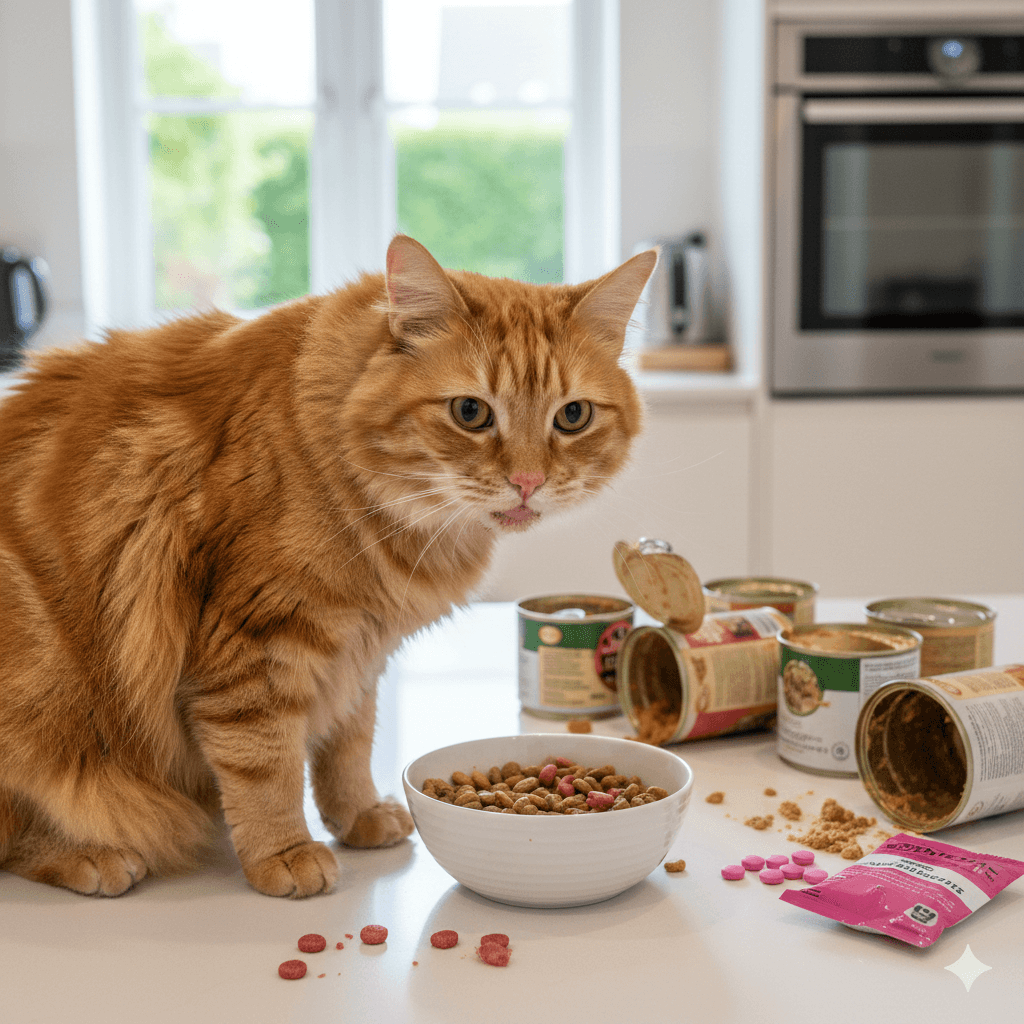
Most Common Ingredients That Cause Food Intolerance
Certain ingredients in commercial cat foods are more likely to trigger food intolerance than others. These culprits often include proteins, grains, or additives that some cats struggle to digest properly. Identifying problematic ingredients is crucial for crafting a diet tailored to your cat’s unique needs.
- Beef:
Beef is a frequent offender in food intolerance cases. Some cats lack the enzymes needed to break down beef proteins, leading to digestive distress or skin issues. - Dairy Products:
Despite popular belief, many adult cats are lactose intolerant. Dairy products like milk or cheese can cause diarrhea, vomiting, or abdominal pain due to insufficient lactase enzyme production. - Grains (Wheat, Corn, Soy):
Grains are often used as fillers in cat food but can irritate sensitive digestive systems. Cats with grain intolerance may experience bloating, gas, or chronic soft stools. - Fish:
While fish is a popular protein source, some cats develop intolerance to it over time. Excessive consumption can lead to digestive upset or even nutritional imbalances. - Artificial Additives:
Preservatives, colorings, and flavor enhancers in low-quality cat foods can irritate the gut lining. These additives may also exacerbate existing sensitivities.
Switching to hypoallergenic or limited-ingredient diets can help eliminate exposure to these problematic ingredients and alleviate symptoms.
Check this guide 👉What Is Grain-Free Cat Food: Best 7 Expert Tips!
Check this guide 👉Most Affordable Fresh Cat Food: Best 7 Expert Tips!
Check this guide 👉Understanding Garlic Powder in Cat Food: Best 7 Expert Tips!
Safe Ingredients for Sensitive Cats | Ingredients to Avoid for Food Intolerance |
|---|---|
Novel proteins (duck, venison, rabbit) | Beef, chicken, fish (common triggers) |
Limited-ingredient diets (single protein + carb) | Grains like wheat, corn, or soy |
Hydrolyzed protein formulas | Dairy products (milk, cheese, yogurt) |
Grain-free options (peas, chickpeas) | Artificial additives (preservatives, colorings) |
Fresh, whole foods (homemade meals) | Table scraps or human foods with spices/sugar |
How to Identify Problem Foods in Your Cat’s Diet
Pinpointing the exact foods causing intolerance requires careful observation and systematic elimination. This process ensures you isolate triggers without compromising your cat’s nutrition. A structured approach saves time and minimizes guesswork during diagnosis.
- Start with a Food Journal:
Track everything your cat eats, including treats, table scraps, and supplements. Note any changes in behavior, stool consistency, or skin condition after meals. - Consult Your Veterinarian:
A vet can rule out other conditions like parasites or infections before confirming food intolerance. They may recommend diagnostic tests or specialized diets for further evaluation. - Begin an Elimination Diet:
Feed your cat a novel protein and carbohydrate source they’ve never eaten before (e.g., duck and sweet potato). Continue this diet exclusively for 8–12 weeks to monitor improvements. - Reintroduce Ingredients Gradually:
Once symptoms subside, reintroduce one ingredient at a time every two weeks. Watch closely for recurring symptoms, which indicate intolerance to that item. - Use Hypoallergenic Formulas:
Veterinary-prescribed hypoallergenic diets contain hydrolyzed proteins that are easier to digest, reducing the risk of triggering intolerance.
Patience and consistency are key—identifying problem foods takes time but ultimately improves your cat’s quality of life significantly.
Best Practices for Managing Cat Food Intolerance
Managing food intolerance involves more than just eliminating problematic ingredients; it requires ongoing vigilance and dietary adjustments. Implementing best practices ensures your cat receives balanced nutrition while avoiding triggers.
- Choose High-Quality Cat Food:
Opt for premium brands that prioritize natural, whole-food ingredients over artificial additives. Look for clear labeling and minimal processing. - Rotate Protein Sources Regularly:
Variety prevents your cat from developing intolerance to a single protein source. Rotate between options like chicken, turkey, rabbit, or venison periodically. - Avoid Overfeeding Treats:
Treats often contain hidden allergens or fillers that exacerbate intolerance. Limit treats to occasional rewards and ensure they align with your cat’s dietary needs. - Supplement with Probiotics:
Probiotics support gut health by restoring beneficial bacteria disrupted by food intolerance. Choose feline-specific formulas for optimal results. - Monitor Weight and Energy Levels:
Food intolerance can affect nutrient absorption, leading to weight loss or decreased energy. Regular check-ups help track overall health and adjust diets as needed.
By adhering to these practices, you create a sustainable plan to manage your cat’s food intolerance effectively.
Long-Term Effects of Untreated Food Intolerance
Ignoring food intolerance can have serious consequences for your cat’s health and well-being. Chronic exposure to problematic ingredients leads to progressive damage that affects multiple body systems. Addressing intolerance early prevents long-term complications and ensures a healthier future.
- Chronic Gastrointestinal Issues:
Prolonged intolerance causes persistent inflammation in the gut, increasing the risk of conditions like inflammatory bowel disease (IBD). - Nutritional Deficiencies:
Malabsorption of essential nutrients due to digestive distress can lead to deficiencies, weakening immunity and impairing organ function. - Skin and Coat Problems:
Ongoing irritation from food intolerance results in dry, flaky skin, excessive shedding, or recurrent ear infections. - Behavioral Changes:
Discomfort from untreated intolerance makes cats irritable, withdrawn, or aggressive, affecting their bond with family members. - Increased Veterinary Costs:
Untreated food intolerance often leads to secondary conditions requiring costly treatments, from prescription medications to specialized care.
Taking proactive steps to address intolerance not only improves your cat’s comfort but also reduces financial strain in the long run.
Safe Alternatives for Cats with Food Intolerance
Finding safe alternatives ensures your cat enjoys a varied, nutritious diet without triggering intolerance symptoms. These options focus on easily digestible ingredients and novel proteins that minimize the risk of adverse reactions.
- Limited Ingredient Diets (LID):
LIDs use a single protein and carbohydrate source, reducing the likelihood of triggering intolerance. Brands like Wellness Simple or Blue Buffalo Basics are excellent choices. - Hydrolyzed Protein Formulas:
These diets break proteins into smaller molecules that are less likely to provoke an immune response. Royal Canin Veterinary Diet and Hill’s Prescription Diet offer such options. - Homemade Meals:
Preparing meals at home allows full control over ingredients. Recipes featuring lean meats (like turkey or lamb) and simple carbs (like pumpkin) are ideal. - Grain-Free Options:
For cats intolerant to grains, grain-free formulas replace wheat or corn with alternatives like peas or chickpeas, offering easier digestion. - Raw Food Diets:
Some owners opt for raw diets rich in unprocessed proteins and vegetables. However, consult your vet to ensure nutritional balance and safety.
Exploring these alternatives provides relief for your cat while maintaining variety and enjoyment in their meals.
Preventing Future Episodes of Food Intolerance
Prevention is always better than cure when it comes to managing food intolerance. By adopting proactive strategies, you reduce the risk of recurrence and promote long-term digestive health for your cat.
- Stick to a Consistent Diet:
Sudden changes in food increase the risk of triggering intolerance. Transition gradually over 7–10 days whenever introducing new foods. - Read Labels Carefully:
Always check ingredient lists for potential triggers, especially if switching brands or trying new products. Avoid foods with vague terms like “meat by-products.” - Limit Exposure to Human Foods:
Many human foods contain spices, sugars, or fats that irritate feline digestive systems. Keep these strictly off-limits to prevent accidental ingestion. - Schedule Regular Vet Check-Ups:
Routine exams help detect early signs of intolerance or related conditions, allowing timely intervention and dietary adjustments. - Educate Family Members:
Ensure everyone in the household understands which foods are safe for your cat to avoid accidental feeding of problematic items.
By implementing these preventive measures, you safeguard your cat’s health and foster a harmonious, stress-free environment.
“Food intolerance is the most accurate term for adverse food reactions in cats. Food intolerance covers a large number of adverse food reactions that do not involve the immune system, and generally cause digestive issues.” – Rebecca Hunt, RVT, VTS
Frequently Asked Questions About Cat Food Intolerance
What is the difference between food allergies and food intolerance in cats?
Food allergies involve the immune system, causing symptoms like itching or swelling, while food intolerance is a digestive issue that leads to vomiting, diarrhea, or gas.
How long does it take to see improvement on an elimination diet?
Most cats show improvement within 8–12 weeks of starting an elimination diet, though some may respond sooner depending on the severity of their intolerance.
Can I feed my cat treats if they have food intolerance?
Yes, but only hypoallergenic treats free from known triggers. Always check labels carefully and limit treats to avoid upsetting their stomach.
Is raw food safe for cats with food intolerance?
Raw food can be safe if properly balanced and free from ingredients your cat is intolerant to, but consult your vet before making the switch.
What should I do if my cat accidentally eats a trigger food?
Monitor your cat closely for symptoms like vomiting, diarrhea, or lethargy. Contact your vet immediately if severe reactions occur or persist for more than 24 hours.
Supporting Your Cat Through Food Intolerance Challenges
Managing cat food intolerance requires patience, dedication, and a proactive approach to dietary adjustments. By identifying problem foods, providing nutritious alternatives, and maintaining open communication with your veterinarian, you empower your feline companion to thrive despite dietary sensitivities. Remember, every small step you take—whether switching to a hypoallergenic formula or preparing homemade meals—shows your unwavering commitment to their health and happiness. With love and care, your cat can enjoy a life free from discomfort and full of joy.

Is Rawhide Bad for Cats? Best 7 Expert Tips! – Discover the risks, safe alternatives, and expert advice to keep your feline friend healthy and happy.

Is Rawhide Bad for Dogs? Best 7 Expert Tips! – Discover the risks, benefits, and safer alternatives to rawhides for your dog’s chewing needs.

Understanding Anorexia in Cats: Best 7 Expert Tips! – Learn why cats stop eating, spot warning signs, and discover how to help your feline regain appetite safely.

Understanding Anorexia in Dogs: Best 7 Expert Tips! – Learn causes, symptoms, and solutions to help your dog regain appetite and stay healthy.