
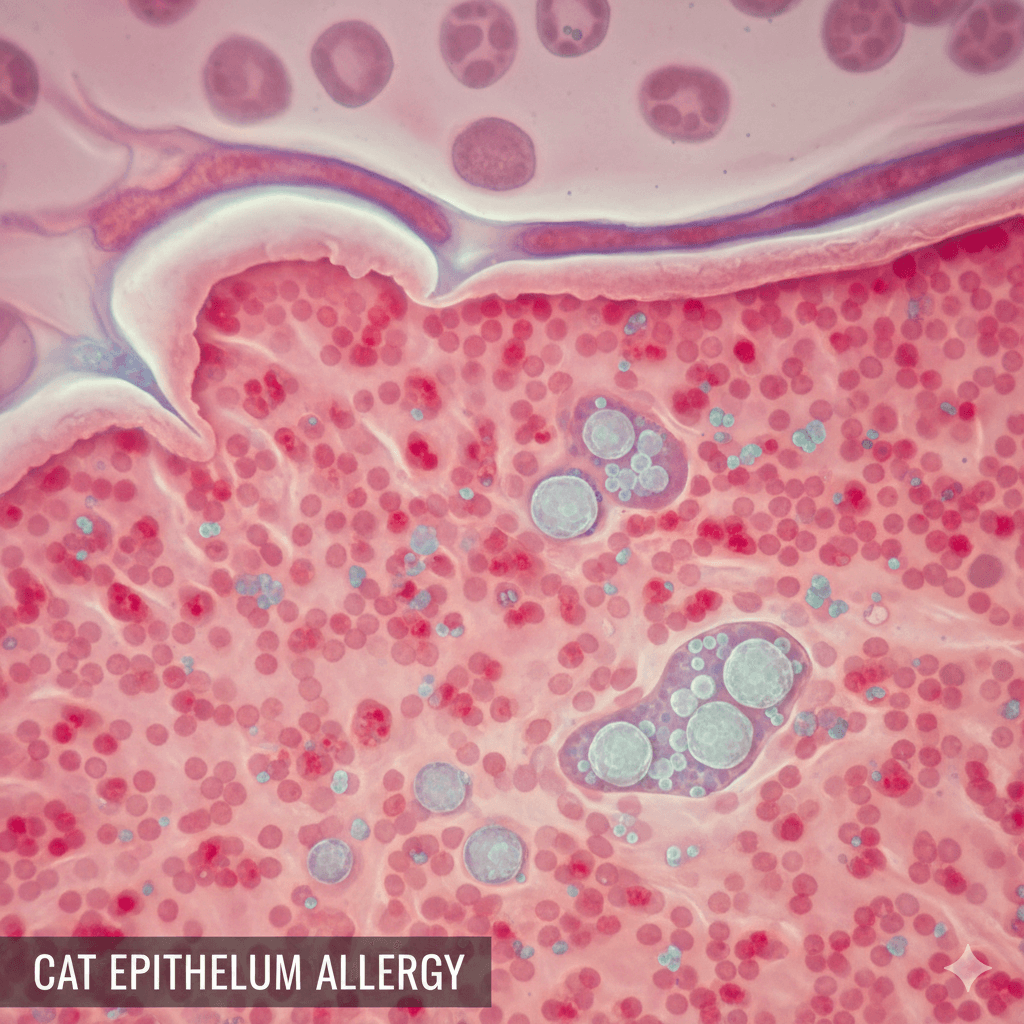

Understanding Cat Epithelium Allergy
If you or someone in your home suffers from allergies but still dreams of sharing life with a feline friend, “cat epithelium allergy” may be the hidden culprit. Unlike common assumptions that cat hair causes reactions, it’s actually proteins found in a cat’s skin cells—called epithelium—that trigger symptoms. These microscopic flakes, known as dander, become airborne and cling to surfaces, leading to sneezing, itchy eyes, or even asthma flare-ups. While challenging, living with this allergy doesn’t always mean saying goodbye to cats. With smart strategies and expert insights, coexistence is possible—and even comfortable.
What Exactly Is Cat Epithelium Allergy?
Cat epithelium allergy is an immune system overreaction to proteins naturally produced by a cat’s skin cells. These proteins, especially Fel d 1, are shed continuously and mix with household dust, fabrics, and air. Recognizing the true source—not fur, but skin debris—is the first step toward effective management:
- Trigger Source Is Invisible:
The allergen isn’t the fur itself but microscopic skin flakes (dander) that carry potent proteins like Fel d 1 and Fel d 4. - Airborne and Persistent:
Dander can stay airborne for hours and settle deep into carpets, upholstery, and bedding, making it hard to eliminate. - Present in All Cats:
Even hairless breeds like the Sphynx produce epithelial proteins, so no cat is truly “hypoallergenic.” - Symptoms Mimic Other Allergies:
Runny nose, itchy eyes, coughing, or skin rashes may be mistaken for pollen or dust mite allergies without proper testing. - Delayed Reactions Are Common:
Symptoms might not appear immediately—sometimes hours or even days after exposure—making identification tricky.
Understanding that epithelium—not fur—is the real allergen shifts the focus from breed myths to practical environmental control.
Common Symptoms of Cat Epithelium Allergy
Reactions to cat dander vary widely, from mild discomfort to severe respiratory distress. Knowing what to watch for helps you respond quickly and accurately, whether you’re managing your own sensitivity or a child’s:
- Nasal and Sinus Congestion:
Frequent sneezing, stuffy nose, or postnasal drip often occur within minutes or hours of exposure. - Ocular Irritation:
Red, watery, or itchy eyes are hallmark signs, especially after petting a cat or entering a dander-heavy room. - Skin Reactions:
Hives, redness, or eczema-like patches may appear where dander contacted the skin—common on hands or face. - Respiratory Distress:
Wheezing, chest tightness, or shortness of breath can occur, particularly in asthmatics, and require urgent care. - Fatigue or “Allergic Fog”:
Chronic exposure may lead to poor sleep, brain fog, or general malaise due to ongoing immune activation.
These symptoms can significantly impact quality of life—but with consistent management, they’re often controllable without rehoming a beloved pet.
Check this guide 👉Cat Allergy Vaccine: Best 7 Expert Tips!
Check this guide 👉Cat Allergy Eyes: Best 7 Expert Tips!
Check this guide 👉Natural Cat Allergy Remedies: Best 7 Expert Tips!
Early Warning Signs | Severe or Chronic Reactions |
|---|---|
Occasional sneezing after petting | Persistent cough or wheezing |
Mild itchy eyes | Nighttime asthma attacks |
Temporary runny nose | Skin rashes lasting days |
Slight throat tickle | Fatigue affecting daily tasks |
Brief congestion | Sleep disruption from nasal blockage |
Primary Allergens in Cat Epithelium
While often lumped together, cat allergens are specific proteins with different sources and potencies. Fel d 1 dominates, but others contribute to sensitivity—especially in multi-cat homes or prolonged exposure:
- Fel d 1 (Major Allergen):
Produced in sebaceous glands of the skin and secreted onto fur; accounts for up to 95% of allergic reactions. - Fel d 4 (Lipocalin Protein):
Found in cat saliva and transferred to skin/fur during grooming; triggers reactions in Fel d 1–negative individuals. - Fel d 7 and Fel d 8 (Lipocalins):
Less common but potent allergens linked to more severe asthma responses in sensitive people. - Epithelial Cell Debris:
Dead skin cells carry and disperse these proteins throughout the environment long after the cat has left a room. - Secondary Contaminants:
Dust, pollen, or mold caught in fur can amplify reactions, making epithelium seem more aggressive than it is.
Identifying which allergen affects you—via skin prick or blood tests—can guide personalized avoidance and treatment plans.
Effective Environmental Control Strategies
Reducing dander exposure doesn’t require perfection—just consistent, targeted efforts. These evidence-based methods significantly lower airborne and surface allergen levels:
- Use a HEPA Air Purifier:
Place units in bedrooms and main living areas; HEPA filters capture 99.97% of particles as small as 0.3 microns, including dander. - Wash Bedding Weekly in Hot Water:
Use water at least 130°F (54°C) to denature allergens; opt for allergen-proof mattress and pillow covers. - Vacuum with a HEPA-Filtered Cleaner:
Standard vacuums recirculate dander—HEPA models trap it. Vacuum 2–3 times weekly, including upholstery. - Create a Cat-Free Bedroom Zone:
Keep cats out of sleeping areas to ensure 6–8 hours of low-exposure rest, crucial for symptom recovery. - Groom Your Cat Regularly:
Wiping your cat with a damp microfiber cloth or allergen-reducing wipes 2–3 times weekly removes surface dander.
These steps don’t eliminate allergens—but they reduce them to tolerable levels for many allergy sufferers.
Medical and Therapeutic Approaches
When environmental control isn’t enough, medical interventions can restore comfort and prevent escalation. Consult an allergist to explore personalized options:
- Antihistamines (Oral or Nasal):
Non-drowsy formulas like loratadine or fexofenadine block histamine release, easing sneezing and itching. - Nasal Corticosteroid Sprays:
Fluticasone or mometasone reduce inflammation in nasal passages and are more effective than antihistamines for congestion. - Allergen Immunotherapy (Shots or Tablets):
Gradual exposure to cat proteins via subcutaneous or sublingual therapy can desensitize the immune system over 3–5 years. - Leukotriene Inhibitors:
Medications like montelukast help control asthma-like symptoms triggered by dander exposure. - Emergency Epinephrine (for Severe Cases):
Rarely needed, but those with anaphylactic sensitivity should carry an epinephrine auto-injector as a precaution.
Medical management works best when combined with environmental hygiene—not as a standalone fix.
Debunking Common Myths About Cat Allergies
Misinformation leads many to give up cats unnecessarily. Separating fact from fiction empowers better decisions:
- “Hypoallergenic Breeds Don’t Cause Reactions”:
No breed is truly hypoallergenic—all cats produce epithelial allergens, though levels vary individually. - “Short-Haired Cats Are Safer”:
Hair length doesn’t affect dander production; a long-haired Siberian may produce less Fel d 1 than a short-haired tabby. - “Bathing My Cat Weekly Eliminates Allergens”:
Baths temporarily reduce surface dander but stress many cats and don’t stop protein production at the skin level. - “Air Fresheners Neutralize Cat Allergens”:
Most sprays mask odors but don’t remove proteins—and some irritants worsen respiratory symptoms. - “You Can Build Tolerance Just by Living with a Cat”:
Natural tolerance is rare; without treatment, symptoms often worsen over time due to cumulative exposure.
Letting go of these myths opens the door to realistic, science-backed solutions.
Special Considerations for Children and Asthmatics
For vulnerable individuals, cat epithelium allergy demands extra caution. Early exposure may increase or decrease future risk—research is still evolving:
- Infants and Toddlers:
Early cat exposure may reduce allergy development in some, but can worsen eczema or wheezing in predisposed children. - School-Age Kids with Asthma:
Cat dander is a top asthma trigger; even low levels can cause nighttime symptoms or exercise-induced attacks. - Allergy Testing Before Adoption:
If a child has known allergies, test with a specific cat (not just “cats in general”) before bringing one home. - Classroom or Visitor Exposure:
Kids may react at friends’ houses or school—carry rescue inhalers and teach them to wash hands after pet contact. - Emotional Impact of Pet Removal:
Rehoming a pet due to allergy causes grief; involve the child in decision-making and explore alternatives first.
With careful planning, many families find ways to keep both child and cat safe and happy.
“Allergies to cats affect 7 to 25 percent of the population. These allergic individuals are sensitized to one or more allergens present in cat saliva, urine, and dander. However, these allergens often stick to animal hair and dander and are easily dispersed; plus, they can become airborne and linger suspended in air.”
— Thermo Fisher Scientific
Frequently Asked Questions About Cat Epithelium Allergy
Can you be allergic to just one cat and not another?
Yes—individual cats produce varying levels of Fel d 1 due to genetics, sex (males produce more), and grooming habits.
Do air purifiers really help with cat dander?
Yes, HEPA purifiers significantly reduce airborne dander when used consistently in high-exposure rooms.
Are there sprays that neutralize cat allergens on furniture?
Yes, products containing tannic acid or specific enzymes can denature Fel d 1 on surfaces—but effects are temporary (24–48 hours).
Can I develop cat allergy later in life?
Absolutely—adult-onset allergies are common, often triggered by prolonged exposure or immune system changes.
Will allergy shots let me keep my cat?
For many, immunotherapy reduces symptoms enough to coexist comfortably—success rates range from 60–80% with full treatment.
Living Harmoniously with Cats Despite Allergies
A cat epithelium allergy doesn’t have to mean goodbye to feline companionship. With knowledge, planning, and compassion—for both yourself and your cat—you can create a home where love outweighs sneezes. The journey may require adjustments, trial and error, and sometimes professional help, but countless allergy sufferers share happy lives with their cats every day. By focusing on science over myths and solutions over surrender, you honor both your health and your bond with your pet. After all, a little dander shouldn’t steal the warmth of a purring friend curled up beside you.
Is Rawhide Bad for Cats? Best 7 Expert Tips! – Discover the risks, safe alternatives, and expert advice to keep your feline friend healthy and happy.

Is Rawhide Bad for Dogs? Best 7 Expert Tips! – Discover the risks, benefits, and safer alternatives to rawhides for your dog’s chewing needs.

Understanding Anorexia in Cats: Best 7 Expert Tips! – Learn why cats stop eating, spot warning signs, and discover how to help your feline regain appetite safely.

Understanding Anorexia in Dogs: Best 7 Expert Tips! – Learn causes, symptoms, and solutions to help your dog regain appetite and stay healthy.