
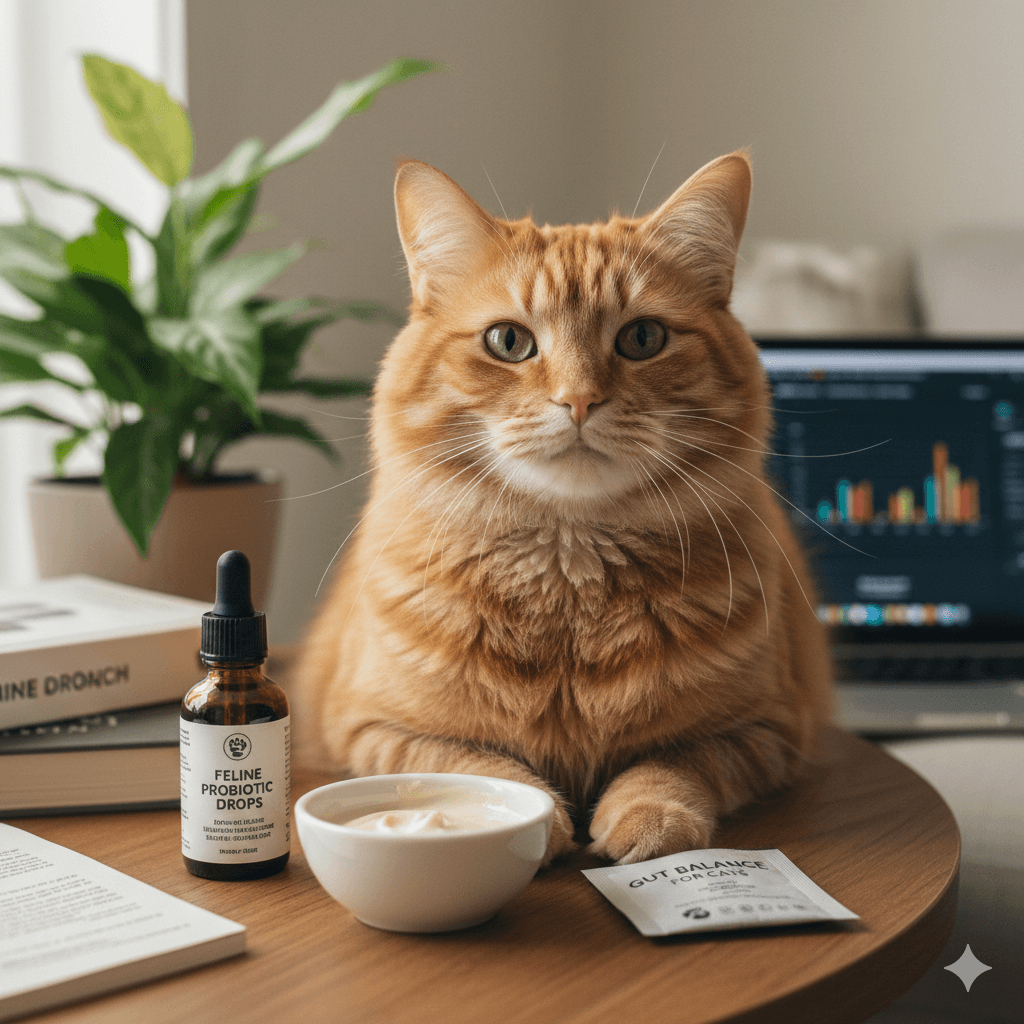

Cat Colitis and the Role of Probiotics: Best 7 Expert Tips!

Cat Colitis and the Role of Probiotics: Best 7 Expert Tips!

Understanding Cat Colitis and the Role of Probiotics

Colitis in cats refers to inflammation of the colon, often causing discomfort, diarrhea, and changes in stool consistency. While dietary indiscretion, stress, or infections can trigger colitis, probiotics offer a natural way to support gut health and restore balance. These beneficial bacteria help regulate digestion, strengthen the immune system, and reduce inflammation. Whether used as a preventive measure or part of a treatment plan, probiotics can make a significant difference for cats suffering from colitis. Understanding their benefits ensures you provide the best care for your feline friend.

Common Causes of Colitis in Cats

Colitis can stem from a variety of factors, ranging from dietary issues to underlying health conditions. Identifying potential triggers is crucial for effective management and prevention.

 
  • Dietary Changes:
    Sudden shifts in food or consumption of spoiled items irritate the colon and disrupt gut flora.
     
  • Food Allergies or Intolerances:
    Ingredients like beef, dairy, or grains may provoke allergic reactions leading to chronic colitis.
     
  • Parasitic Infections:
    Worms or protozoa like Giardia inflame the intestinal lining, causing acute or persistent symptoms.
     
  • Stress or Anxiety:
    Environmental changes, travel, or loud noises upset the gut-brain axis, triggering colitis episodes.
     
  • Underlying Diseases:
    Conditions like IBD, pancreatitis, or cancer contribute to ongoing colon inflammation.
 

Addressing these root causes alongside probiotic supplementation maximizes recovery chances and improves long-term outcomes.

Cat Colitis and the Role of Probiotics: Best 7 Expert Tips!

Symptoms of Colitis in Cats

Recognizing the signs of colitis helps you intervene early and alleviate your cat’s discomfort. These symptoms vary in severity but often point to an irritated colon.

 
  • Frequent Diarrhea:
    Loose, watery stools occur regularly, sometimes with mucus or blood present.
     
  • Straining During Bowel Movements:
    Cats may appear uncomfortable or vocalize while attempting to defecate.
     
  • Increased Frequency of Stools:
    More frequent trips to the litter box indicate urgency and irritation.
     
  • Weight Loss or Decreased Appetite:
    Chronic colitis reduces nutrient intake, impacting overall health and energy levels.
     
  • Lethargy or Irritability:
    Discomfort from colitis makes cats less active or more prone to aggression.
 

Persistent symptoms warrant veterinary evaluation to rule out serious underlying conditions.

Benefits of Probiotics
Common Ingredients in Cat Probiotics
Restores healthy gut flora
Lactobacillus acidophilus
Reduces inflammation in the colon
Bifidobacterium bifidum
Supports immune system function
Enterococcus faecium
Improves nutrient absorption
Streptococcus thermophilus
Decreases frequency of diarrhea
Fructooligosaccharides (FOS)

Best Probiotic Strains for Cats with Colitis

Not all probiotics are created equal—selecting strains tailored to feline digestive systems ensures maximum effectiveness. Look for products containing these scientifically-backed strains.

 
  • Lactobacillus acidophilus:
    Supports nutrient absorption and combats harmful bacteria in the gut.
     
  • Bifidobacterium animalis:
    Reduces inflammation and promotes regular bowel movements.
     
  • Enterococcus faecium:
    Strengthens the intestinal barrier and aids recovery from infections.
     
  • Saccharomyces boulardii:
    A beneficial yeast that alleviates diarrhea and restores microbial balance.
     
  • Lactobacillus rhamnosus:
    Boosts immune response and prevents recurring gastrointestinal issues.
 

Choosing high-quality supplements with these strains supports long-term gut health and minimizes colitis flare-ups.


How to Administer Probiotics to Cats

Giving probiotics correctly ensures your cat receives their full benefits without resistance or stress. Follow these tips for seamless integration into your cat’s routine.

 
  • Mix with Food:
    Sprinkle powdered probiotics over wet food or mix liquid formulas thoroughly for easy consumption.
     
  • Use Treat-Based Options:
    Probiotic-infused treats provide a tasty, convenient alternative for picky eaters.
     
  • Follow Dosage Instructions:
    Adhere strictly to package guidelines or vet recommendations to avoid overuse.
     
  • Introduce Gradually:
    Start with small amounts to allow your cat’s system time to adjust without adverse reactions.
     
  • Combine with Prebiotics:
    Prebiotics (fiber-rich compounds) enhance probiotic efficacy by feeding beneficial bacteria.
 

Consistency is key—regular use yields the best results for managing colitis symptoms.

Additional Tips for Managing Feline Colitis

While probiotics play a vital role, combining them with other supportive measures amplifies their impact. A holistic approach addresses both immediate symptoms and long-term wellness.

 
  • Feed a Balanced Diet:
    High-quality, hypoallergenic foods reduce strain on the digestive tract and prevent flare-ups.
     
  • Minimize Stressors:
    Create a calm environment with predictable routines to soothe anxiety-related colitis.
     
  • Ensure Hydration:
    Encourage water intake through fresh bowls, fountains, or moisture-rich foods to maintain colon health.
     
  • Monitor Litter Box Habits:
    Track stool consistency and frequency to detect patterns or worsening symptoms early.
     
  • Schedule Regular Vet Check-Ups:
    Routine exams catch underlying issues before they escalate into chronic problems.
 

These strategies complement probiotic use, fostering a healthier, happier cat.

When to Seek Veterinary Care for Colitis

While mild cases often resolve with at-home care, certain signs indicate the need for professional intervention. Recognizing these red flags prevents complications and ensures timely treatment.

 
  • Blood in Stool:
    Bright red streaks or dark, tarry stools signal severe inflammation or internal bleeding.
     
  • Persistent Vomiting:
    Repeated vomiting alongside diarrhea leads to rapid dehydration and weakness.
     
  • Severe Lethargy:
    Unresponsiveness or inability to stand reflects systemic illness requiring urgent care.
     
  • Significant Weight Loss:
    Rapid or unexplained weight loss points to malabsorption or advanced disease.
     
  • No Improvement with Probiotics:
    If symptoms persist despite supplementation, further diagnostics are necessary.
 

Early veterinary involvement provides clarity and peace of mind during uncertain times.

How Probiotics Work to Alleviate Cat Colitis

Probiotics play a vital role in restoring balance to your cat’s digestive system, especially during episodes of colitis. By introducing beneficial bacteria, they help combat inflammation, support the immune system, and improve overall gut health. Understanding how probiotics work ensures you make informed decisions about their use.

 
  • Restoring Microbiome Balance:
    Probiotics replenish good bacteria in the gut, which may be depleted due to antibiotics, illness, or dietary changes.
     
  • Reducing Inflammation:
    Certain strains produce anti-inflammatory compounds that soothe the irritated lining of the colon.
     
  • Enhancing Immune Function:
    A healthy gut microbiome directly supports the immune system, reducing susceptibility to infections and allergies.
     
  • Improving Digestive Efficiency:
    Probiotics aid in breaking down food, enhancing nutrient absorption, and normalizing bowel movements.
     
  • Preventing Pathogen Overgrowth:
    Beneficial bacteria outcompete harmful microbes, preventing infections that could worsen colitis symptoms.
 

By addressing both symptoms and underlying causes, probiotics offer a holistic approach to managing feline colitis effectively.


“Probiotics are living microorganisms that confer a health benefit to the host in a safe and efficacious manner when administered in adequate amounts.” – Frederic Gaschen

Frequently Asked Questions About Cat Colitis and Probiotics

Can probiotics cure colitis in cats?

Probiotics don’t “cure” colitis but significantly reduce symptoms and improve gut health when used consistently.

Most cats show improvement within 1–2 weeks, though full benefits may take up to a month.

No—human formulas contain strains not suited to feline biology and may cause harm.

Plain, unsweetened yogurt offers limited benefits but lacks the potency of dedicated feline probiotics.

Try mixing it with wet food, using treats, or administering liquid drops directly into their mouth.

Supporting Your Cat Through Colitis Recovery

Managing colitis in cats requires patience, dedication, and a proactive approach to gut health. Probiotics serve as a cornerstone of care, promoting balance and resilience in your cat’s digestive system. By combining these supplements with a wholesome diet, stress reduction, and regular vet visits, you empower your feline companion to thrive despite colitis challenges. Remember, every small step you take brings them closer to comfort and well-being—a testament to your unwavering love.

Is Rawhide Bad for Cats? Best 7 Expert Tips!

Is Rawhide Bad for Cats? Best 7 Expert Tips! – Discover the risks, safe alternatives, and expert advice to keep your feline friend healthy and happy.

Is Rawhide Bad for Dogs? Best 7 Expert Tips!

Is Rawhide Bad for Dogs? Best 7 Expert Tips! – Discover the risks, benefits, and safer alternatives to rawhides for your dog’s chewing needs.

Understanding Anorexia in Cats: Best 7 Expert Tips!

Understanding Anorexia in Cats: Best 7 Expert Tips! – Learn why cats stop eating, spot warning signs, and discover how to help your feline regain appetite safely.

Understanding Anorexia in Dogs: Best 7 Expert Tips!

Understanding Anorexia in Dogs: Best 7 Expert Tips! – Learn causes, symptoms, and solutions to help your dog regain appetite and stay healthy.

Leave a Reply

Your email address will not be published. Required fields are marked *