
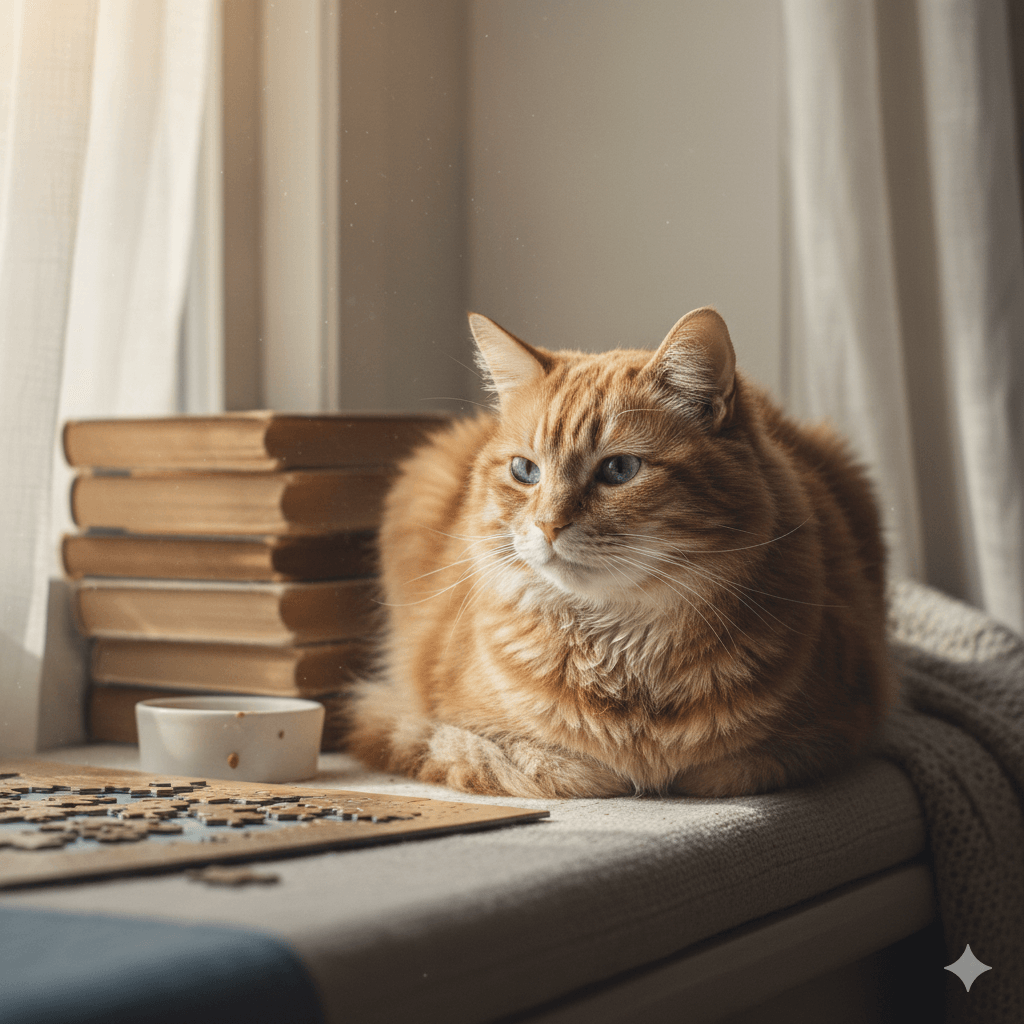

Cat Cognitive Decline: Best 7 Expert Tips!

Cat Cognitive Decline: Best 7 Expert Tips!

Understanding Cat Cognitive Decline: Best 7 Expert Tips!

If your senior cat seems confused, disoriented, or less engaged, they may be experiencing cognitive decline—a condition similar to dementia in humans. Often called feline cognitive dysfunction (FCD), it affects memory, learning, and daily behavior. While common in aging cats, early recognition and support can significantly improve their quality of life. With patience, environmental adjustments, and veterinary guidance, you can help your feline friend feel safe and loved in their golden years.

Common Signs of Cognitive Decline in Cats

Cognitive changes in older cats often develop gradually, making them easy to miss at first. However, consistent shifts in behavior, sleep, or interaction can signal underlying brain changes. Watch for these key indicators, especially in cats over 10 years old:

 
  • Disorientation or Confusion:
    Your cat may get lost in familiar rooms, stare blankly at walls, or seem unsure how to navigate around furniture.
     
  • Changes in Sleep-Wake Cycles:
    Restless pacing or vocalizing at night, coupled with excessive daytime sleeping, is a frequent red flag.
     
  • Reduced Social Interaction:
    A once-affectionate cat might withdraw, avoid petting, or stop greeting you at the door as they once did.
     
  • Litter Box Accidents:
    Forgetting where the box is or losing awareness of toileting needs can lead to inappropriate elimination.
     
  • Decreased Grooming or Appetite:
    Neglecting self-care or showing sudden disinterest in food may reflect mental fog or confusion.
 

These signs often worsen slowly, but early intervention can help maintain your cat’s comfort and dignity.

Cat Cognitive Decline: Best 7 Expert Tips!

When to Suspect More Than Normal Aging

Not all behavioral shifts are due to cognitive decline—some stem from pain, thyroid issues, or sensory loss. Distinguishing FCD from other health problems is crucial for proper care. Look for these distinguishing clues:

 
  • Symptoms Appear Suddenly:
    True cognitive decline is progressive; abrupt changes suggest illness like kidney disease or hypertension.
     
  • Loss of Vision or Hearing Masks Confusion:
    A cat bumping into things might be blind, not mentally impaired—veterinary tests can clarify the cause.
     
  • Excessive Vocalization with Distress:
    Nighttime yowling combined with panting or restlessness may indicate pain rather than dementia.
     
  • Weight Loss or Vomiting:
    These point to systemic disease, not just brain aging, and require immediate diagnostic workup.
     
  • Response to Environmental Cues:
    Cats with true FCD often don’t respond to toys, names, or routines they once loved, even when physically capable.
 

If in doubt, always consult your vet—many treatable conditions mimic cognitive decline.

Behavioral Clues of FCD
Medical Conditions That Mimic It
Wandering without purpose
Hyperthyroidism or high blood pressure
Forgetting meal times
Dental pain or nausea
Staring into space
Partial seizures or neurological issues
Avoiding family interaction
Arthritis or hearing loss
Nighttime restlessness
Urinary tract infection or kidney disease

Underlying Causes of Feline Cognitive Dysfunction

While aging is the primary risk factor, several biological processes contribute to cognitive decline in cats. Understanding these can guide prevention and management strategies:

 
  • Brain Atrophy:
    Over time, brain volume decreases, particularly in areas linked to memory and learning.
     
  • Oxidative Stress:
    Free radicals damage neurons, especially when antioxidant defenses weaken with age.
     
  • Reduced Blood Flow:
    Poor circulation to the brain—often due to heart or vascular disease—impairs oxygen delivery.
     
  • Accumulation of Beta-Amyloid Plaques:
    Similar to Alzheimer’s in humans, these protein deposits disrupt neural communication.
     
  • Chronic Inflammation:
    Low-grade systemic inflammation, common in seniors, can negatively affect brain function.
 

Though not all causes are reversible, nutrition and lifestyle can slow progression.

At-Home Support Strategies for Affected Cats

Creating a calm, predictable environment is the cornerstone of caring for a cat with cognitive decline. These practical steps enhance safety, reduce anxiety, and preserve dignity:

 
  • Maintain a Consistent Routine:
    Feed, play, and interact at the same times daily to reduce confusion and build security.
     
  • Keep Essentials Accessible:
    Place litter boxes, food, water, and beds on one floor with low-entry boxes for easy access.
     
  • Use Nightlights:
    Soft lighting helps disoriented cats navigate safely during nocturnal wandering.
     
  • Provide Gentle Mental Stimulation:
    Simple puzzles or soft toys can engage the brain without causing frustration.
     
  • Speak Calmly and Reassuringly:
    Your voice is a familiar anchor—use it often to soothe and orient your cat.
 

Small adjustments make a big difference in helping your senior cat feel grounded.

Nutritional and Supplemental Support

Diet plays a powerful role in brain health. Specific nutrients can support cognitive function and slow decline in aging felines:

 
  • Antioxidants (Vitamins C & E):
    Combat oxidative stress and protect neurons from damage.
     
  • Omega-3 Fatty Acids (DHA/EPA):
    Found in fish oil, they support brain cell membranes and reduce inflammation.
     
  • SAMe (S-Adenosylmethionine):
    A supplement shown to improve mood and cognitive function in senior pets.
     
  • Medium-Chain Triglycerides (MCTs):
    Provide alternative brain fuel and may enhance mental clarity.
     
  • B Vitamins (Especially B12):
    Support nerve health and energy metabolism in aging brains.
 

Always consult your vet before starting supplements to ensure safety and proper dosing.

Special Considerations for Multi-Cat Households

Caring for a cognitively declining cat alongside younger pets requires extra sensitivity. Changes in behavior can disrupt group dynamics and increase stress:

 
  • Monitor for Bullying:
    Younger cats may harass a confused senior, worsening anxiety or causing injury.
     
  • Provide Separate Resources:
    Extra litter boxes, food bowls, and quiet resting spots prevent competition and confusion.
     
  • Avoid Rearranging Furniture:
    Stability in the environment is even more critical when multiple cats share space.
     
  • Use Calming Pheromones:
    Feliway diffusers can reduce overall household tension and support emotional balance.
     
  • Supervise Interactions Gently:
    Redirect play if it becomes overwhelming, and create safe retreat zones for your senior.
 

Your goal is harmony—where every cat, regardless of age, feels secure and respected.

What to Expect During a Veterinary Assessment

Diagnosing cognitive decline involves ruling out other conditions through a thorough workup. Here’s what typically happens during a vet visit for suspected FCD:

 
  • Detailed Behavioral History:
    Your vet will ask about changes in sleep, litter use, interaction, and daily habits over time.
     
  • Physical and Neurological Exam:
    Checks for signs of pain, vision/hearing loss, tremors, or abnormal reflexes.
     
  • Blood and Urine Tests:
    Rule out thyroid, kidney, liver, or metabolic disorders that mimic dementia.
     
  • Blood Pressure Measurement:
    Hypertension is common in seniors and can cause brain changes if untreated.
     
  • Personalized Management Plan:
    Includes diet, supplements, environmental tips, and possibly medication like selegiline.
 

Early diagnosis allows for proactive support that enhances your cat’s golden years.

“Among the most troubling, and in some respects most baffling, of age-related feline disorders is cognitive dysfunction, a puzzling, progressively debilitating condition whose signs resemble those associated in humans with Alzheimer’s disease and senile dementia.” — Cornell Feline Health Center

Frequently Asked Questions About Cat Cognitive Decline

Can cognitive decline in cats be reversed?

Unfortunately, it’s not reversible—but progression can often be slowed with proper care and nutrition.

Signs often appear after age 10, with more than 50% of cats over 15 showing some symptoms.

Cognitive decline itself isn’t painful, but coexisting conditions like arthritis often are—watch for subtle signs.

Yes—gentle, low-stress interaction maintains mental engagement and emotional bonds.

They may not respond as quickly, but most still recognize your scent, voice, and presence on a deep level.


Honoring Your Cat’s Golden Years with Compassion

Caring for a cat with cognitive decline is both a challenge and a quiet act of love. Though their mind may fade, their need for comfort, routine, and companionship remains strong. By adapting your home and heart to their changing needs, you give them the gift of dignity in their final chapter. Every soft purr, every moment of recognition—however fleeting—is a testament to the bond you’ve nurtured over the years. Stay patient, stay present, and trust that your steady presence is their greatest anchor in a world that’s becoming less certain.

Is Rawhide Bad for Cats? Best 7 Expert Tips!

Is Rawhide Bad for Cats? Best 7 Expert Tips! – Discover the risks, safe alternatives, and expert advice to keep your feline friend healthy and happy.

Is Rawhide Bad for Dogs? Best 7 Expert Tips!

Is Rawhide Bad for Dogs? Best 7 Expert Tips! – Discover the risks, benefits, and safer alternatives to rawhides for your dog’s chewing needs.

Understanding Anorexia in Cats: Best 7 Expert Tips!

Understanding Anorexia in Cats: Best 7 Expert Tips! – Learn why cats stop eating, spot warning signs, and discover how to help your feline regain appetite safely.

Understanding Anorexia in Dogs: Best 7 Expert Tips!

Understanding Anorexia in Dogs: Best 7 Expert Tips! – Learn causes, symptoms, and solutions to help your dog regain appetite and stay healthy.

Leave a Reply

Your email address will not be published. Required fields are marked *