
Understanding Cat Caffeine Toxicity: A Serious Health Risk
Common Sources of Caffeine Exposure for Cats
- Coffee and Tea:
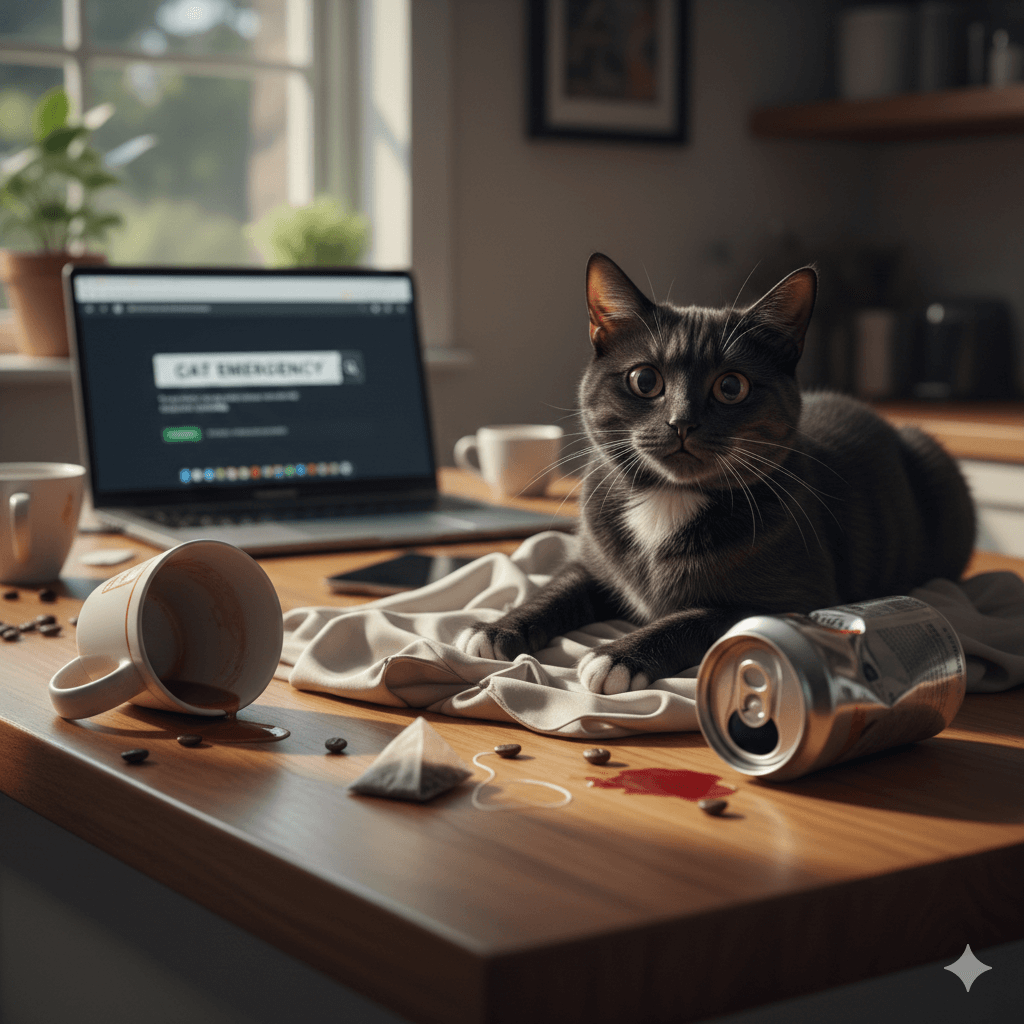
Leftover coffee or tea in cups, spills on countertops, or even used coffee grounds in trash cans pose significant risks if ingested by curious cats. - Energy Drinks and Sodas:
Beverages like Red Bull, Monster, or Coca-Cola contain high caffeine concentrations, and even a small sip can be harmful to a cat’s tiny body. - Chocolate and Cocoa Products:
Chocolate contains both caffeine and theobromine, another toxic compound for cats. Dark chocolate and baking chocolate are particularly dangerous due to their higher caffeine content. - Medications and Supplements:
Some human medications, such as caffeine pills or weight-loss supplements, are highly concentrated and can cause severe toxicity if a cat accidentally consumes them. - Caffeinated Foods and Desserts:
Items like coffee-flavored ice cream, cakes, or cookies may seem harmless but still contain enough caffeine to harm a cat.
Symptoms of Caffeine Toxicity in Cats
- Restlessness and Hyperactivity:
Cats may appear unusually agitated, pacing around the house or unable to settle down due to caffeine’s stimulant effects. - Rapid Breathing or Panting:
Increased respiratory rates occur as the body tries to compensate for elevated heart rates and blood pressure caused by caffeine. - Vomiting and Diarrhea:
Gastrointestinal irritation is common, with vomiting often containing traces of the ingested substance or bile. - Tremors or Seizures:
Severe cases lead to muscle tremors or full-blown seizures as caffeine overstimulates the nervous system. - Collapse or Coma:
In extreme situations, cats may lose consciousness or enter a coma due to cardiovascular collapse or neurological overload.
Check this guide 👉Permethrin Cat Toxicity: Best 7 Expert Tips!
Check this guide 👉What Is Toxic to Cats: Best 7 Expert Tips!
Check this guide 👉Are Elephant Ears Toxic to Cats? Best 7 Expert Tips!
| Symptome einer Koffeinvergiftung | Sofortmaßnahmen für Katzenbesitzer |
|---|---|
| Unruhe und Hyperaktivität | Rufen Sie sofort einen Tierarzt oder eine Gift-Hotline an. |
| Schnelle Atmung oder Hecheln | Bieten Sie frisches Wasser an, um die Aufnahme zu verdünnen. |
| Erbrechen und Durchfall | Halten Sie Ihre Katze ruhig und verhindern Sie Bewegung. |
| Zittern oder Krämpfe | Bringen Sie Verpackungen oder Reste des Produkts zur Untersuchung mit. |
| Kollaps oder Bewusstlosigkeit | Suchen Sie sofortige Notfallversorgung auf. |
How Caffeine Affects a Cat’s Body
- Central Nervous System Stimulation:
Caffeine blocks adenosine receptors, increasing neural activity and causing hyperexcitability, restlessness, and seizures in severe cases. - Cardiovascular Overload:
The stimulant properties of caffeine elevate heart rate and blood pressure, straining the cardiovascular system and potentially leading to arrhythmias. - Gastrointestinal Irritation:
Caffeine irritates the stomach lining, triggering nausea, vomiting, and diarrhea as the body attempts to expel the toxin. - Metabolic Stress:
The liver struggles to process caffeine efficiently, leading to prolonged exposure and compounding its toxic effects over time. - Neurological Damage:
High doses overwhelm the brain’s ability to regulate signals, resulting in tremors, seizures, or loss of consciousness.
First Aid Steps for Caffeine Ingestion
- Do Not Induce Vomiting Without Advice:
While vomiting may help remove toxins, inducing it without professional guidance can worsen irritation or aspiration risks. - Offer Fresh Water:
Encourage hydration to help dilute the caffeine in their system, but avoid forcing your cat to drink. - Call a Pet Poison Helpline:
Experts provide tailored advice based on your cat’s weight, breed, and the estimated amount of caffeine ingested. - Prepare for Emergency Care:
Bring any packaging or remains of the ingested item to assist veterinarians in assessing toxicity levels accurately. - Keep Your Cat Calm and Restrict Movement:
Minimizing physical activity reduces the spread of caffeine through the bloodstream, preventing further complications.
Treatment Options for Caffeine Toxicity
- Activated Charcoal Administration:
Charcoal binds to caffeine in the stomach, reducing its absorption into the bloodstream before it causes widespread damage. - IV Fluid Therapy:
Intravenous fluids support hydration, flush toxins from the kidneys, and maintain electrolyte balance during recovery. - Anti-Seizure Medications:
Drugs like diazepam or phenobarbital control seizures and prevent further neurological harm. - Heart Rate Monitoring and Medication:
Beta-blockers or other cardiac drugs address abnormal heart rhythms caused by caffeine’s stimulant effects. - Hospitalization for Severe Cases:
Prolonged observation ensures stability and addresses complications as they arise, especially in life-threatening scenarios.
Preventing Future Caffeine Exposure
- Secure Household Items:
Store coffee, tea, energy drinks, and medications in cabinets or areas inaccessible to pets. - Dispose of Trash Safely:
Use pet-proof bins to prevent access to coffee grounds, tea bags, or discarded caffeinated products. - Educate Family Members:
Ensure everyone in the household understands the dangers of caffeine and avoids feeding unsafe foods to cats. - Supervise Curious Cats:
Monitor your cat closely in areas where caffeinated items are present, such as kitchens or dining tables. - Train “Leave It” Commands:
Teaching this command prevents your cat from investigating or consuming unknown objects.
Long-Term Effects of Caffeine Toxicity
- Chronic Heart Issues:
Prolonged stress on the cardiovascular system may lead to persistent arrhythmias or weakened heart function. - Liver or Kidney Damage:
Toxin processing strains these organs, necessitating regular monitoring through blood work to detect abnormalities early. - Behavioral Changes:
Some cats exhibit increased anxiety or fearfulness after traumatic health episodes, affecting their overall demeanor. - Dietary Restrictions:
Avoiding all forms of caffeine and similar toxins becomes mandatory to prevent recurrence and protect fragile systems. - Increased Veterinary Visits:
Frequent check-ups ensure early detection of complications or underlying issues stemming from past toxicity.
“Caffeine poisoning occurs because cats are much more sensitive to caffeine than humans. Their body cannot metabolize it effectively, leading to toxic effects even from small amounts.” — Pet Poison Helpline Veterinarian Team
Frequently Asked Questions About Cat Caffeine Toxicity
How much caffeine is toxic to cats?
What should I do if my cat drank coffee?
Contact your vet or a pet poison helpline immediately. Do not induce vomiting without professional advice, and keep your cat calm while preparing for emergency care.
Can cats recover from caffeine poisoning?
Yes, most cats recover fully with prompt treatment, but severe cases may require hospitalization and long-term monitoring for complications.
Are decaffeinated products safe for cats?
Decaf still contains trace amounts of caffeine, so it’s best to avoid sharing any caffeinated or decaffeinated items with your cat entirely.
How long do symptoms of caffeine toxicity last?
Symptoms typically appear within 1–2 hours and can persist for 12–36 hours, depending on the dose ingested and the speed of veterinary intervention.
A Lifeline in Every Moment of Crisis

Is Rawhide Bad for Cats? Best 7 Expert Tips! – Discover the risks, safe alternatives, and expert advice to keep your feline friend healthy and happy.

Is Rawhide Bad for Dogs? Best 7 Expert Tips! – Discover the risks, benefits, and safer alternatives to rawhides for your dog’s chewing needs.

Understanding Anorexia in Cats: Best 7 Expert Tips! – Learn why cats stop eating, spot warning signs, and discover how to help your feline regain appetite safely.

Understanding Anorexia in Dogs: Best 7 Expert Tips! – Learn causes, symptoms, and solutions to help your dog regain appetite and stay healthy.