
Understanding Cat Bloated Stomach: Effective Home Remedies
A bloated stomach in cats can be alarming, often indicating underlying issues like gas, constipation, or more serious conditions. While occasional bloating may resolve on its own, persistent or severe cases require attention to ensure your cat’s comfort and health. Discover safe and effective home remedies to alleviate your cat’s discomfort and support their digestive system naturally.
Common Causes of Bloating in Cats
A bloated stomach in cats can stem from a variety of factors, ranging from mild dietary issues to severe medical conditions. Understanding these causes helps you determine whether home remedies are sufficient or if veterinary care is necessary. While some cases of bloating are harmless, others may indicate life-threatening problems that require immediate attention.
- Dietary Indiscretion:
Cats are curious creatures and may ingest non-food items like plastic, string, or plants, leading to blockages that cause bloating. Additionally, sudden changes in diet or overeating can disrupt digestion and lead to gas buildup. - Hairballs:
Hairballs are a common issue in cats, especially those with long fur. When hair accumulates in the digestive tract, it can obstruct normal bowel movements, causing bloating and discomfort. Regular grooming reduces this risk significantly. - Constipation:
Constipation often accompanies bloating, as stool buildup in the colon creates pressure and distension. Dehydration, lack of fiber, or insufficient exercise can contribute to constipation, making it harder for your cat to pass stool comfortably. - Food Allergies or Intolerances:
Certain ingredients in commercial cat food, such as grains, dairy, or artificial additives, may irritate your cat’s digestive system, leading to inflammation and bloating. Identifying allergens through elimination diets can help prevent recurrence. - Underlying Medical Conditions:
Serious conditions like gastrointestinal tumors, organ failure, or infections can also cause bloating. Fluid accumulation (ascites) due to liver or kidney disease is another potential cause that requires professional diagnosis and treatment.
By addressing these root causes, you can better manage your cat’s bloating and implement appropriate remedies at home or seek veterinary guidance when needed.
Symptoms of a Bloated Stomach in Cats
Recognizing the symptoms of bloating in cats is crucial for timely intervention. A bloated stomach isn’t always obvious, but certain signs indicate discomfort or distress. Monitoring these symptoms ensures you act promptly to alleviate your cat’s condition.
- Visible Abdominal Swelling:
The most apparent sign is an enlarged or distended abdomen, which may feel firm or tense to the touch. This swelling often indicates trapped gas, fluid, or solid material in the digestive tract. - Frequent Vomiting or Retching:
Cats with bloating may attempt to vomit repeatedly without producing anything, signaling either hairball obstruction or gastrointestinal upset. Persistent retching should never be ignored. - Lethargy or Weakness:
Bloating often leaves cats feeling unwell, leading to reduced activity levels, hiding behavior, or reluctance to engage in play or interaction. Lethargy reflects systemic discomfort or pain. - Loss of Appetite:
A bloated stomach often suppresses appetite, as the discomfort makes eating unpleasant. Refusal to eat for more than 24 hours is a red flag requiring immediate attention. - Straining During Bowel Movements:
Difficulty defecating or urinating alongside bloating suggests partial obstructions or constipation. Cats may vocalize or appear restless while attempting to relieve themselves.
Identifying these symptoms early allows you to implement home remedies effectively or consult a veterinarian before complications arise.
Check this guide 👉My Cat Looks Bloated but Acting Normal: Best 7 Expert Tips!
Check this guide 👉Why Is My Cats Stomach Bloated and Hard? Best 7 Tips!
Check this guide 👉Causes of Cat Flatulence: Best 7 Expert Tips!
Home Remedies | When to See a Vet |
|---|---|
Pumpkin puree to aid digestion | Severe abdominal swelling or pain |
Probiotics for gut health | Persistent vomiting or diarrhea |
Olive oil as a natural laxative | Difficulty breathing or collapse |
Warm compress for constipation | Sudden weight loss or lethargy |
Regular grooming to reduce hairballs | No improvement after 48 hours |
Home Remedies to Relieve Gas-Related Bloating
If your cat’s bloating is caused by excess gas, several home remedies can provide relief and restore digestive balance. These natural solutions are safe, easy to administer, and effective for mild cases of bloating.
- Pumpkin Puree:
Plain, unsweetened pumpkin puree (not pie filling) is rich in fiber, aiding digestion and relieving constipation or gas buildup. Mix one teaspoon into your cat’s food daily until symptoms improve. - Probiotics:
Probiotic supplements designed for cats introduce beneficial bacteria into the gut, reducing gas production and promoting healthy digestion. Look for products containing strains like Lactobacillus acidophilus. - Ginger Tea Soak:
Ginger has anti-inflammatory properties that soothe the digestive tract. Steep fresh ginger slices in hot water, cool completely, and offer a few drops mixed with your cat’s food. - Hydration Boosters:
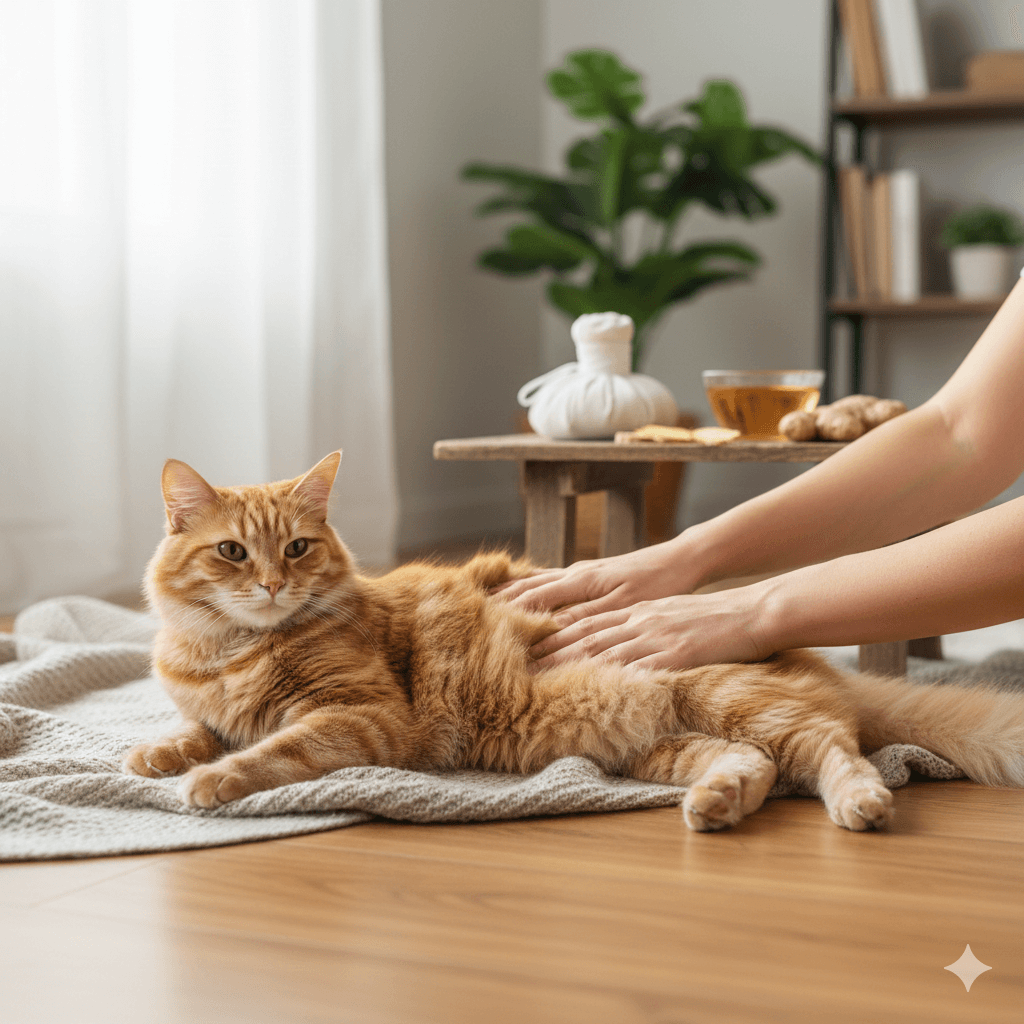
Dehydration exacerbates bloating by slowing digestion. Encourage water intake using fountains, wet food, or electrolyte solutions formulated for pets to maintain hydration. - Gentle Massage:
Massaging your cat’s abdomen in circular motions stimulates bowel movements and relieves trapped gas. Be cautious and stop immediately if your cat shows signs of pain.
These remedies target gas-related bloating and support overall gut health, helping your cat recover quickly and comfortably.
Addressing Constipation-Induced Bloating
Constipation is a frequent culprit behind bloating in cats, particularly older or less active individuals. Fortunately, several home remedies can soften stool and encourage regular bowel movements, alleviating both constipation and associated bloating.
- Increase Dietary Fiber:
Adding fiber-rich foods like cooked pumpkin, green beans, or psyllium husk powder to your cat’s diet promotes smoother digestion and prevents stool buildup. Start with small amounts to avoid upsetting their stomach further. - Encourage Physical Activity:
Play sessions stimulate intestinal motility, helping move stool through the colon. Use toys, laser pointers, or interactive games to engage your cat physically. - Warm Compress Application:
Applying a warm compress to your cat’s abdomen relaxes muscles and eases constipation-related discomfort. Ensure the cloth is not too hot to prevent burns. - Olive Oil Supplementation:
A small amount of olive oil (about ½ teaspoon per day) acts as a natural laxative, lubricating the intestines and facilitating easier passage of stool. Mix it thoroughly with wet food for best results. - Herbal Remedies:
Slippery elm bark powder soothes irritated bowels and softens stool naturally. Consult your vet before administering herbal supplements to ensure safety and proper dosage.
With consistent application, these remedies address constipation-induced bloating and restore your cat’s digestive rhythm.
Preventing Hairball-Related Bloating
Hairballs are a common cause of bloating in cats, particularly those with long fur. Implementing preventive measures minimizes the risk of hairball formation and reduces associated bloating episodes.
- Regular Grooming Sessions:
Brushing your cat frequently removes loose fur, reducing the amount they ingest during self-grooming. Use brushes specifically designed for cats to avoid skin irritation. - Specialized Hairball Formula Foods:
Many brands offer cat foods enriched with fiber and other ingredients that help break down and expel hairballs more easily. Transition gradually to avoid digestive upset. - Hairball Prevention Treats:
Tasty treats infused with oils or enzymes aid in breaking down ingested hair, preventing it from accumulating in the digestive tract. Offer these treats once or twice weekly. - Hydration Through Wet Food:
Feeding moisture-rich wet food keeps stools soft and aids in hairball passage. If your cat prefers dry food, mix it with water to increase hydration. - Monitor Behavior Changes:
Pay attention to excessive grooming habits, as they may indicate stress or skin issues contributing to increased hair ingestion. Address underlying causes promptly.
Preventing hairballs proactively ensures your cat remains comfortable and free from bloating caused by this common issue.
When to Seek Veterinary Care for Bloating
While home remedies work wonders for mild cases, certain situations warrant immediate veterinary attention. Recognizing warning signs ensures you don’t delay professional care when it’s most critical.
- Severe Abdominal Swelling:
Rapid or extreme bloating accompanied by difficulty breathing suggests fluid accumulation or internal bleeding, requiring urgent evaluation. - Persistent Vomiting or Diarrhea:
Uncontrolled vomiting or diarrhea lasting more than 24 hours leads to dehydration and nutrient loss, posing significant risks to your cat’s health. - Signs of Pain or Distress:
Cats showing signs of abdominal pain, such as vocalization, restlessness, or hunching posture, likely have serious underlying issues needing diagnosis. - Sudden Weight Loss or Lethargy:
Unexplained weight loss or profound lethargy alongside bloating points to systemic illness or organ dysfunction requiring comprehensive testing. - No Improvement with Home Remedies:
If bloating persists despite trying multiple home remedies, further diagnostics are essential to identify hidden causes like tumors, infections, or metabolic disorders.
Prompt veterinary involvement provides clarity and peace of mind during uncertain times.
Additional Tips for Managing Feline Bloating
Beyond specific remedies, adopting holistic practices supports your cat’s overall well-being and minimizes the likelihood of recurring bloating episodes. These tips enhance digestive health and foster a happier, healthier feline companion.
- Maintain a Consistent Diet:
Avoid frequent food changes, as they disrupt gut flora and increase bloating risk. Stick to high-quality, balanced meals suited to your cat’s age and needs. - Minimize Stressors:
Environmental changes, loud noises, or new household members upset sensitive cats, triggering digestive upsets. Create a calm, predictable routine to reduce anxiety. - Schedule Routine Vet Check-Ups:
Regular exams detect underlying issues early, allowing proactive management before symptoms escalate. Discuss any concerns about bloating during visits. - Limit Access to Non-Food Items:
Keep strings, rubber bands, and toxic plants out of reach to prevent accidental ingestion, which can cause obstructions and bloating. - Observe Eating Habits:
Monitor portion sizes and feeding frequency to prevent overeating or gulping air, both of which contribute to bloating and digestive distress.
By combining these strategies with targeted remedies, you empower your cat to thrive despite occasional bloating challenges—a testament to your unwavering care.
“If your cat is suddenly looking fat when she never did before, she could have a bloated abdomen due to fluid buildup related to a cancer.” – Cornell Feline Health Center
Frequently Asked Questions About Cat Bloated Stomach Home Remedies
Can I give my cat human antacids for bloating?
No—human medications like antacids can harm cats and disrupt their delicate digestive systems. Always consult your vet before giving any medication.
How long does it take for home remedies to work?
Most remedies show improvement within 24–48 hours. If symptoms persist beyond this timeframe, seek veterinary care immediately.
Is bloating always a sign of something serious?
Not always—mild bloating due to gas or hairballs is common. However, persistent or severe bloating may indicate underlying health issues requiring professional attention.
What should I do if my cat’s bloating is accompanied by vomiting?
Monitor closely—if vomiting continues or your cat seems lethargic, contact your vet promptly, as this could signal an obstruction or toxicity.
Can stress cause bloating in cats?
Yes—stress triggers digestive upsets, including bloating. Minimizing stressors and maintaining a calm environment helps prevent recurrence.
Supporting Your Cat Through Bloating Episodes
A bloated stomach in cats can be unsettling, but with knowledge and proactive care, you can provide relief and prevent future episodes. Home remedies offer safe, natural solutions for mild cases, while recognizing warning signs ensures timely veterinary intervention when needed. By combining dietary adjustments, grooming habits, and stress reduction techniques, you create a supportive environment that promotes your cat’s digestive health and overall well-being. Remember, your attentiveness and quick action are the ultimate safeguards against discomfort and complications—a testament to the bond you share with your feline companion.

Is Rawhide Bad for Cats? Best 7 Expert Tips! – Discover the risks, safe alternatives, and expert advice to keep your feline friend healthy and happy.

Is Rawhide Bad for Dogs? Best 7 Expert Tips! – Discover the risks, benefits, and safer alternatives to rawhides for your dog’s chewing needs.

Understanding Anorexia in Cats: Best 7 Expert Tips! – Learn why cats stop eating, spot warning signs, and discover how to help your feline regain appetite safely.

Understanding Anorexia in Dogs: Best 7 Expert Tips! – Learn causes, symptoms, and solutions to help your dog regain appetite and stay healthy.