
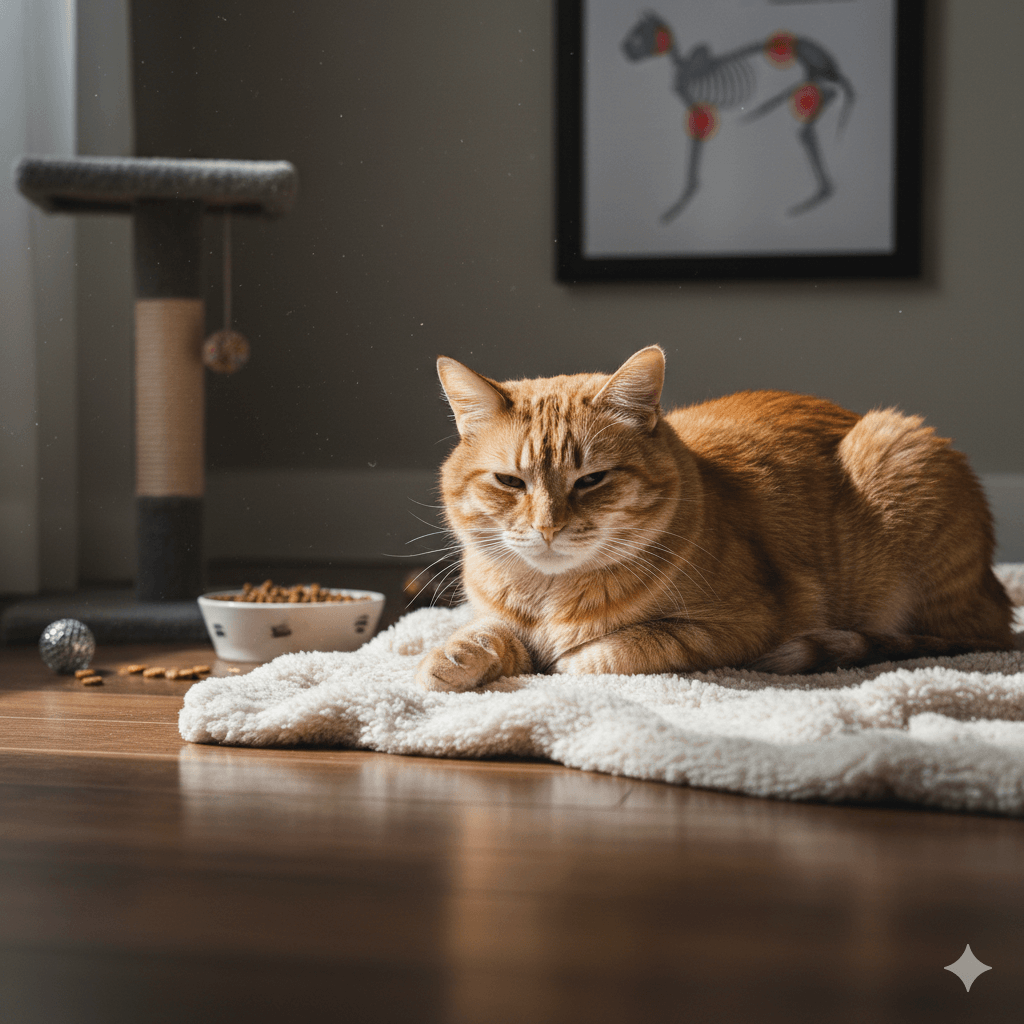

Understanding Cat Arthritis Symptoms: Best 7 Expert Tips!
If your once-sprightly feline now hesitates before jumping or grooms less thoroughly, arthritis could be the silent culprit. Often overlooked because cats hide discomfort well, feline osteoarthritis affects up to 90% of senior cats. Early recognition of subtle changes can dramatically improve your cat’s quality of life. With compassionate care and timely intervention, you can help your companion stay comfortable and engaged. These seven expert-backed insights will guide you through detection, management, and daily support.
Common Signs Your Cat May Have Arthritis
Arthritis in cats rarely presents with obvious limping as in dogs—instead, it shows through quiet behavioral shifts and reduced mobility. Observing your cat’s daily routines closely can reveal early clues that their joints are aching. Look for these consistent, often overlooked indicators:
- Reluctance to Jump or Climb:
Your cat may avoid leaping onto favorite perches, hesitate before stairs, or miss jumps they once made effortlessly. - Decreased Grooming:
Painful joints—especially in the spine or hips—make it hard to twist and lick, leading to a matted or unkempt coat. - Irritability or Withdrawal:
A normally affectionate cat might hiss when picked up or retreat to isolated spots to avoid touch or movement. - Stiff Gait or Altered Posture:
You may notice a stilted walk, slower movements, or your cat holding a limb slightly off the ground while resting. - Litter Box Accidents:
Arthritic pain can make it difficult to step into high-sided boxes, resulting in urination or defecation just outside the box.
While these signs develop gradually, their persistence signals that joint discomfort is likely present and warrants veterinary evaluation.
When to Worry: Advanced or Atypical Symptoms
Not every sign of slowing down is normal aging. Certain behaviors suggest arthritis has progressed or that another condition is at play. Early veterinary input can prevent unnecessary suffering and rule out mimics like neurological or metabolic disease:
- Visible Joint Swelling or Warmth:
Though rare, swollen or warm joints may indicate inflammatory arthritis or infection requiring urgent care. - Vocalizing During Movement:
Unusual meowing, yowling, or growling while walking, stretching, or being handled often signals acute pain. - Muscle Wasting:
Noticeable thinning of the hind legs or shoulders suggests disuse due to chronic pain and reduced activity. - Complete Refusal to Move:
If your cat stays in one spot for hours or days without eating or using the litter box, pain may be severe. - Changes in Appetite or Hydration:
Pain can suppress hunger or make it hard to reach food bowls, leading to weight loss or dehydration.
These red flags mean it’s time for a professional assessment—don’t assume it’s just “old age.”
Check this guide 👉Understanding Deer Tick on Cat Symptoms: Best 7 Expert Tips!
Check this guide 👉Traumatized Cat Symptoms: Best 7 Expert Tips!
Check this guide 👉Cat Focal Seizure Symptoms: Best 7 Expert Tips!
Early Behavioral Clues | Advanced Physical Signs |
|---|---|
Hesitation before jumping | Visible joint deformity |
Less playful interaction | Muscle atrophy in limbs |
Avoiding high surfaces | Vocalizing during rest or movement |
Grooming only head/neck | Limping or weight-bearing asymmetry |
Sleeping more than usual | Difficulty rising after naps |
Causes Behind Feline Arthritis
While aging is the most common factor, arthritis in cats stems from multiple underlying processes that degrade joint cartilage over time. Understanding causes helps tailor prevention and management strategies:
- Age-Related Wear and Tear:
Natural degeneration of cartilage occurs in most cats over 10, leading to osteoarthritis—the most common form. - Previous Injury or Trauma:
Fractures, ligament tears, or dislocations can accelerate joint damage, even years after the initial incident. - Genetic Predisposition:
Breeds like Maine Coons or Scottish Folds are prone to hip dysplasia or skeletal abnormalities that promote arthritis. - Obesity:
Excess weight places constant stress on joints, speeding up cartilage breakdown and worsening inflammation. - Inflammatory Joint Disease:
Autoimmune conditions or infections (e.g., from bite wounds) can trigger chronic joint inflammation beyond typical OA.
Identifying a potential root cause allows for more precise treatment and lifestyle adjustments to slow progression.
At-Home Care Strategies for Arthritic Cats
Managing feline arthritis at home centers on comfort, accessibility, and reducing daily strain on sore joints. Small environmental tweaks can have a big impact on your cat’s mobility and mood:
- Provide Low-Entry Litter Boxes:
Use shallow trays or cut-down storage bins so your cat can step in easily without pain. - Install Ramps or Steps:
Place pet stairs or soft ramps to favorite windows, beds, or couches to eliminate risky jumps. - Use Orthopedic or Heated Beds:
Memory foam or microwavable warming pads (used safely) can soothe stiff joints during rest. - Keep Essentials on One Floor:
Food, water, litter, and sleeping areas should be clustered to minimize stair climbing or long walks. - Gentle Brushing and Massage:
Regular grooming and light massage improve circulation and bonding while compensating for reduced self-care.
Consistency in these adjustments helps your cat feel secure, capable, and dignified despite joint limitations.
Preventing or Slowing Arthritis Progression
While arthritis can’t always be prevented, proactive care can delay onset and reduce severity—especially in at-risk or middle-aged cats:
- Maintain a Healthy Weight:
Lean body condition is the single most effective way to protect joints; work with your vet on a tailored feeding plan. - Encourage Low-Impact Activity:
Use wand toys or puzzle feeders to keep your cat moving without jumping or sprinting. - Start Joint Supplements Early:
Glucosamine, chondroitin, and omega-3 fatty acids may support cartilage health when begun in midlife. - Schedule Regular Senior Wellness Exams:
Annual or biannual check-ups after age 7 allow early detection before symptoms become disabling. - Choose Joint-Friendly Environments:
Avoid slippery floors; use rugs or non-slip mats to improve traction and reduce fall risk.
Prevention is less about avoiding aging and more about fostering lifelong joint resilience.
Special Considerations for Senior and At-Risk Cats
Some cats face higher arthritis risks due to breed, history, or age. Tailoring care to their unique needs ensures better outcomes and comfort:
- Senior Cats (10+ Years):
Assume some degree of arthritis is present—even without obvious signs—and adapt their environment proactively. - Overweight or Obese Cats:
Weight loss under veterinary supervision can dramatically reduce pain and improve mobility within weeks. - Cats with Past Injuries:
Monitor limbs that were previously fractured or sprained, as these joints often degenerate faster. - Indoor-Only Cats:
Limited movement increases stiffness; encourage gentle play to maintain joint flexibility and muscle tone. - Cats with Concurrent Illnesses:
Conditions like kidney disease may limit medication options, making non-pharmaceutical support even more vital.
For these cats, a personalized, multimodal approach yields the best quality of life.
What to Expect During a Veterinary Visit
Diagnosing arthritis in cats requires careful observation and diagnostics, as they rarely show classic lameness. Your vet will look beyond the surface to assess pain and joint health:
- Thorough Physical Exam:
The vet will gently manipulate joints to check for pain, swelling, or reduced range of motion—often while your cat is calm or sedated. - Radiographs (X-rays):
Imaging reveals bone spurs, joint space narrowing, or remodeling that confirms osteoarthritis, even in asymptomatic cats. - Pain Assessment Tools:
Vets may use feline-specific scales like the Feline Musculoskeletal Pain Index (FMPI) based on your home observations. - Blood and Urine Tests:
These rule out other causes of lethargy or behavior changes and ensure safe medication use (especially for seniors). - Customized Management Plan:
Treatment may include prescription pain relief, supplements, diet changes, and environmental recommendations.
Early diagnosis transforms arthritis from a hidden burden into a manageable condition.
Frequently Asked Questions About Cat Arthritis Symptoms
Do cats with arthritis still purr or show affection?
Yes—many cats remain loving but may avoid being picked up or touched in painful areas. Affection often shifts to head-butts or sitting nearby.
Can young cats get arthritis?
While rare, yes—especially after trauma, due to congenital issues like hip dysplasia, or inflammatory joint disease from infections.
Is CBD oil safe for arthritic cats?
Research is limited; never give human CBD products. Consult your vet—some veterinary-formulated options may help, but safety varies.
How fast does feline arthritis progress?
It’s usually slow (years), but obesity, injury, or genetics can accelerate it. Early intervention slows decline significantly.
Will my cat need lifelong medication?
Not necessarily. Many cats thrive with environmental changes, weight management, and supplements—medication is just one tool.
Supporting Your Arthritic Cat with Love and Insight
Arthritis may steal some of your cat’s leaps and sprints, but it doesn’t have to steal their joy. By tuning into subtle cues and reshaping their world with empathy, you restore dignity and comfort to their golden years. The quiet cat who once hid their pain can rediscover ease—through a softer bed, a gentle hand, or a meal placed within reach. Remember, your vigilance and care are powerful medicine. And in their slow blinks and quiet purrs, you’ll find the deepest thanks a feline heart can offer.
Dog Seizure Symptoms: Best 7 Expert Tips! – Learn to spot signs, respond effectively, and manage seizures in dogs for a healthier, happier life.
Carprofen Dosage for Cats: Best 7 Expert Tips! – Learn safe dosing, risks, and alternatives to manage pain and inflammation in cats effectively.
Africanis Dog Breed: Best 7 Expert Tips! – Explore the resilience, loyalty, and adaptability of this ancient African breed, perfect for diverse lifestyles.
Cruciate Ligament Injury Symptoms in Dogs: Best 7 Tips! – Discover key signs like limping, swelling, and joint instability to ensure prompt treatment.


