

Understanding Cat Antibiotics Side Effects: Best 7 Expert Tips!
If your cat has been prescribed antibiotics, you’re likely hoping for a quick recovery—but it’s just as important to watch for unintended reactions. While these medications can be life-saving, they don’t come without risks, especially in sensitive feline systems. From mild digestive upset to rare but serious complications, side effects vary widely depending on the drug and your cat’s health. Being informed empowers you to act swiftly if something seems off. With careful observation and vet guidance, most cats tolerate antibiotics well and bounce back stronger than before.
Common Side Effects of Antibiotics in Cats
Antibiotics are powerful tools against bacterial infections, but they can also disrupt your cat’s natural balance. Most side effects are mild and temporary, yet knowing what to expect helps you distinguish normal reactions from warning signs that need attention. Always monitor your cat closely during treatment—especially in the first 48 hours:
- Gastrointestinal Upset:
Nausea, vomiting, or diarrhea are the most frequent reactions, as antibiotics can irritate the stomach or alter gut bacteria. - Loss of Appetite:
Your cat may eat less or refuse food entirely due to nausea or a changed sense of taste caused by the medication. - Lethargy or Weakness:
A temporary dip in energy is common, but prolonged listlessness could signal a more serious reaction or underlying issue. - Excessive Drooling:
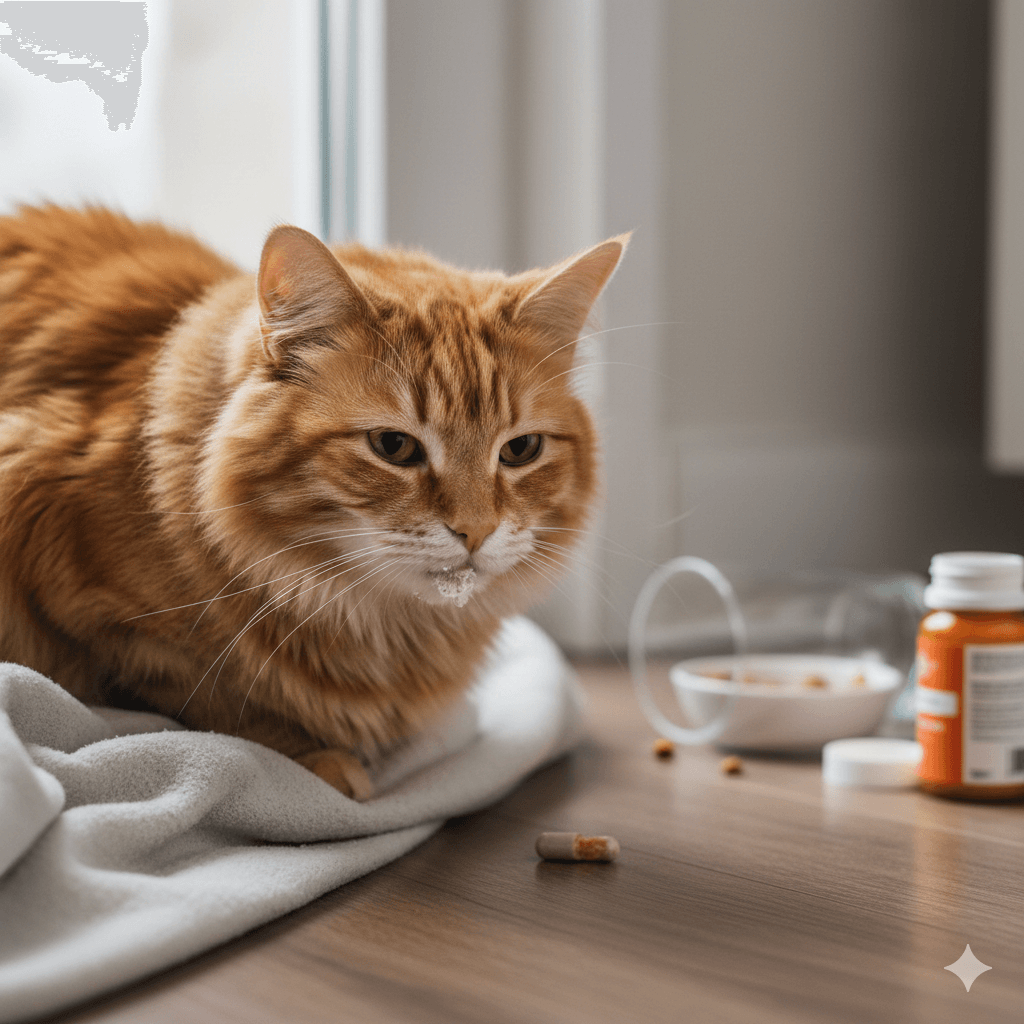
Some antibiotics taste bitter, causing immediate drooling after dosing—this is usually harmless but can mimic distress. - Changes in Thirst or Urination:
Increased or decreased water intake may occur, particularly with antibiotics affecting kidney or liver metabolism.
Most of these effects subside as your cat’s body adjusts, but persistent or worsening symptoms warrant a call to your veterinarian.
Serious Reactions That Require Immediate Veterinary Care
While rare, some antibiotic side effects can escalate quickly and become life-threatening. These reactions often involve the immune system, organs, or neurological function. Never ignore dramatic changes in your cat’s behavior or appearance during treatment:
- Allergic Reactions:
Symptoms like facial swelling, hives, difficulty breathing, or sudden collapse require emergency intervention. - Jaundice (Yellowing of Gums or Eyes):
This signals possible liver toxicity, especially with antibiotics like clindamycin or doxycycline in sensitive cats. - Neurological Symptoms:
Seizures, tremors, disorientation, or loss of balance may occur with certain drugs, particularly in cats with preexisting conditions. - Severe or Bloody Diarrhea:
Could indicate antibiotic-associated colitis or overgrowth of harmful bacteria like Clostridium. - Unusual Bruising or Bleeding:
May point to blood cell disorders or bone marrow suppression, especially with prolonged high-dose use.
If you observe any of these signs, stop the medication only if instructed and contact your vet immediately—delaying care can be dangerous.
Check this guide 👉Meloxicam Cat Side Effects: Best 7 Expert Tips!
Check this guide 👉Buprenorphine Cat Side Effects: Best 7 Expert Tips!
Check this guide 👉Cat Rabies Vaccination Side Effects: Best 7 Expert Tips!
Mild & Manageable Effects | Emergency Warning Signs |
|---|---|
Occasional vomiting | Swollen face or lips |
Soft stool for 1–2 days | Yellow gums or eyes |
Temporary drooling after dosing | Seizures or tremors |
Mild decrease in appetite | Bloody or black tarry stool |
Slight lethargy | Uncontrolled bleeding or bruising |
How Antibiotics Work—and Why Side Effects Happen
Antibiotics target harmful bacteria, but they can’t always distinguish between “bad” and “good” microbes. In cats, whose digestive and immune systems are finely tuned, this disruption often triggers side effects. Additionally, feline metabolism processes drugs differently than dogs or humans, making some antibiotics riskier. Understanding the mechanism helps you anticipate and mitigate issues:
- Broad-Spectrum Impact:
These antibiotics kill a wide range of bacteria—including beneficial gut flora—leading to digestive imbalance. - Liver and Kidney Processing:
Many antibiotics are metabolized by these organs; cats with undiagnosed liver or kidney disease are at higher risk. - Drug-Specific Sensitivities:
Certain antibiotics (e.g., fluoroquinolones) can cause retinal damage in cats, while others may affect cartilage in young kittens. - Oral vs. Injectable Forms:
Oral antibiotics are more likely to cause GI upset, whereas injections may lead to localized pain or systemic reactions. - Duration and Dosage:
Longer courses or higher doses increase the likelihood and severity of side effects—never adjust without veterinary advice.
This biological context explains why two cats on the same antibiotic may react very differently.
Tips to Minimize Side Effects During Treatment
You can significantly reduce your cat’s risk of adverse reactions with proactive, supportive care at home. Small adjustments in timing, diet, and monitoring go a long way toward smoother recovery:
- Give with Food (If Approved):
Many antibiotics are gentler on the stomach when given with a small meal—check with your vet first, as some must be given on an empty stomach. - Use Probiotics Designed for Cats:
Replenishing good gut bacteria with feline-specific probiotics can prevent or ease diarrhea and appetite loss. - Stay Consistent with Dosing:
Skipping or doubling doses disrupts treatment and increases resistance or side effect risks—use pill organizers or alarms. - Hydrate Aggressively:
Offer fresh water, wet food, or cat-safe broths to prevent dehydration, especially if your cat has mild diarrhea. - Observe Closely for 72 Hours:
The first three days are critical—note any changes in behavior, stool, or eating habits to report accurately.
These simple steps support your cat’s body while the antibiotic does its job.
Commonly Prescribed Antibiotics and Their Typical Risks
Not all antibiotics carry the same side effect profile. Your vet chooses based on infection type, your cat’s age, and health history—but knowing common drugs helps you stay informed:
- Amoxicillin/Clavulanate:
Generally well-tolerated but can cause vomiting, diarrhea, or (rarely) allergic skin reactions. - Doxycycline:
Effective for respiratory and tick-borne infections, but may lead to esophageal irritation or liver stress if not followed by water. - Clindamycin:
Used for dental and skin infections; high risk of GI upset and potential liver enzyme elevation. - Enrofloxacin (Baytril):
Avoid in cats with seizure disorders or retinal issues—can cause blindness at high doses. - Cephalexin:
Less common in cats but may trigger vomiting or, rarely, allergic responses like facial swelling.
Always ask your vet why a specific antibiotic was chosen and what unique risks apply to your cat.
Special Considerations for Kittens, Seniors, and Chronically Ill Cats
Vulnerable cats need extra caution with antibiotics due to immature, aging, or compromised systems. Their ability to metabolize drugs is reduced, raising the stakes for side effects:
- Kittens Under 12 Weeks:
Organs aren’t fully developed; many antibiotics (especially fluoroquinolones) are unsafe or require adjusted dosing. - Senior Cats (10+ Years):
Often have hidden kidney or liver decline, increasing toxicity risk—baseline bloodwork is essential before treatment. - Cats with Chronic Kidney Disease (CKD):
Certain antibiotics accumulate in the body, worsening kidney function or causing neurological symptoms. - Diabetic Cats:
Some antibiotics interfere with blood sugar regulation or interact with insulin therapy. - Cats on Multiple Medications:
Drug interactions (e.g., with NSAIDs or antifungals) can amplify side effects or reduce antibiotic effectiveness.
In these cases, vets often choose safer alternatives, lower doses, or shorter treatment courses.
What to Do If Side Effects Occur
Reacting promptly—and correctly—can prevent complications. Never stop or change antibiotics without guidance, as incomplete treatment breeds resistant bacteria. Instead:
- Contact Your Vet Immediately:
Describe symptoms clearly, including timing, severity, and whether they’re worsening or improving. - Don’t Induce Vomiting:
Unless explicitly instructed, this can cause more harm, especially with caustic or pill-form medications. - Keep Your Cat Comfortable:
Offer quiet rest, fresh water, and a clean litter box—stress worsens gastrointestinal symptoms. - Have Medication Details Ready:
Know the drug name, dose, frequency, and when it was started to help your vet assess the situation fast. - Follow Replacement or Support Plans:
Your vet may switch antibiotics, add anti-nausea meds, or recommend subcutaneous fluids at home.
Quick, informed action turns a scary moment into a manageable hiccup in recovery.
“One of the more common side effects of antibiotics in pets is vomiting in reaction to nausea… Side effects of metronidazole can be neurologic: staggering, head tilt to one side, dilated pupils, back and forth eye movements called nystagmus, and even seizures (particularly in cats).”
— Sharon M. Gwaltney-Brant, DVM, PhD, DABT, DABVT
Frequently Asked Questions About Cat Antibiotics Side Effects
Can I give my cat human antibiotics?
No—many human antibiotics are toxic to cats. Always use only veterinarian-prescribed medications in the correct dose.
How long do side effects last after stopping antibiotics?
Most mild effects resolve within 24–72 hours, but severe reactions (like liver stress) may take weeks to reverse with treatment.
Should I stop the antibiotic if my cat vomits once?
Not necessarily—one episode may not require stopping. Contact your vet first; they may advise giving with food or switching drugs.
Are probiotics safe to give with antibiotics?
Yes, but give them 2–3 hours apart from the antibiotic dose to ensure the probiotics aren’t destroyed.
Can antibiotics cause long-term gut problems in cats?
Rarely—most cats recover fully, but prolonged or repeated use may lead to dysbiosis, requiring targeted probiotic support.
Supporting Your Cat Through Medication with Confidence
Seeing your cat unwell is hard enough—watching them struggle with medication side effects adds another layer of worry. Yet with knowledge, vigilance, and partnership with your vet, you can navigate treatment safely and effectively. Remember: antibiotics are often essential, and their benefits usually far outweigh the risks when used wisely. By recognizing early signs of trouble, minimizing discomfort at home, and never hesitating to seek guidance, you become your cat’s strongest advocate. In the quiet moments of recovery, your calm presence and gentle care mean more than any medicine—and that’s the true heart of healing.
Is Rawhide Bad for Cats? Best 7 Expert Tips! – Discover the risks, safe alternatives, and expert advice to keep your feline friend healthy and happy.

Is Rawhide Bad for Dogs? Best 7 Expert Tips! – Discover the risks, benefits, and safer alternatives to rawhides for your dog’s chewing needs.

Understanding Anorexia in Cats: Best 7 Expert Tips! – Learn why cats stop eating, spot warning signs, and discover how to help your feline regain appetite safely.

Understanding Anorexia in Dogs: Best 7 Expert Tips! – Learn causes, symptoms, and solutions to help your dog regain appetite and stay healthy.