
Recognizing Cat Alcohol Poisoning Symptoms
Common Symptoms of Alcohol Poisoning in Cats
- Disorientation or Staggering:
Cats may appear confused, unsteady on their feet, or unable to walk straight, resembling drunken behavior. This occurs because alcohol affects the central nervous system, impairing coordination and balance. - Vomiting and Drooling:
Excessive drooling and episodes of vomiting are common as the body attempts to expel the toxin. These symptoms also indicate gastrointestinal irritation caused by alcohol exposure. - Lethargy or Weakness:
Your cat may seem unusually tired, unwilling to move, or excessively sleepy. Alcohol depresses the central nervous system, leading to profound lethargy and reduced responsiveness. - Difficulty Breathing:
Rapid, shallow, or labored breathing signals respiratory distress, a serious complication of alcohol poisoning. This occurs as alcohol disrupts normal brain function and muscle control. - Seizures or Coma:
In severe cases, alcohol toxicity can cause seizures, tremors, or loss of consciousness. These symptoms indicate critical damage to the nervous system and require immediate emergency care.
Causes of Alcohol Poisoning in Cats
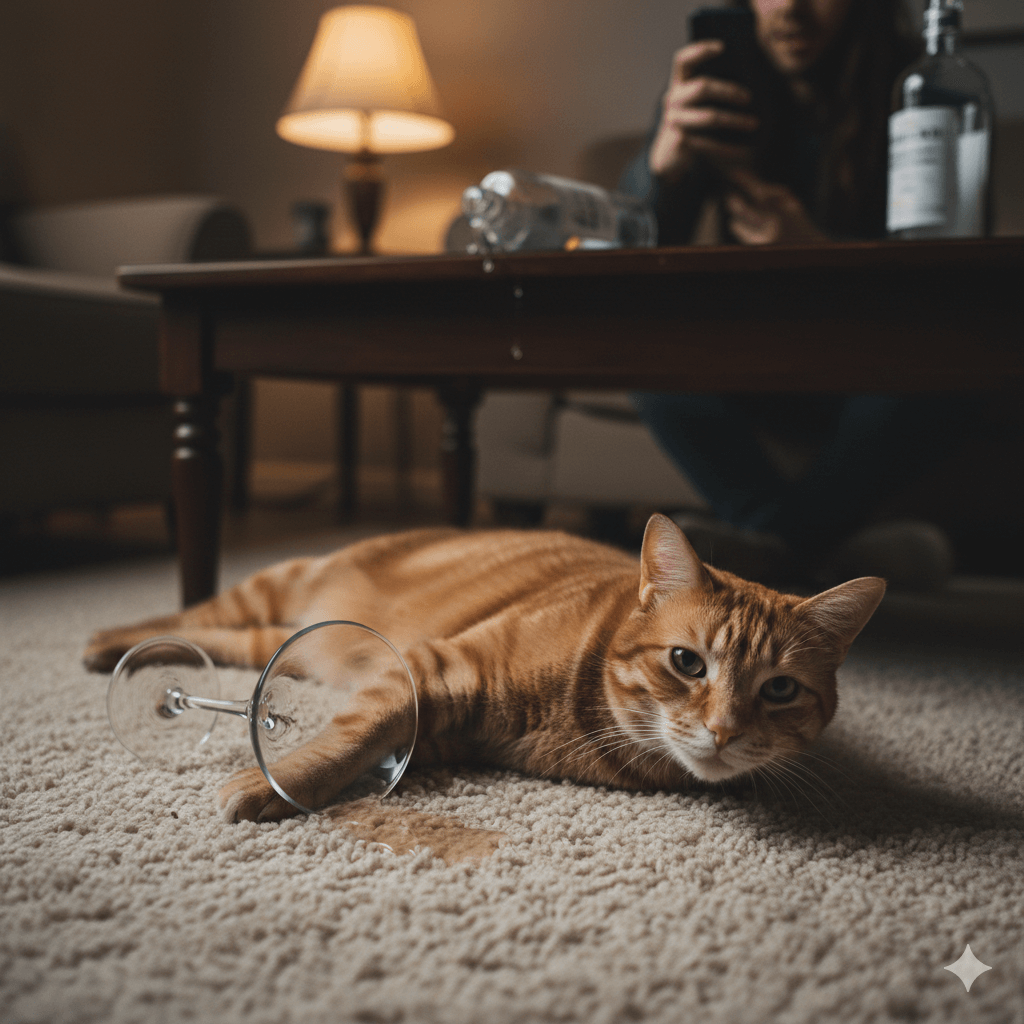
- Unintentional Spills or Leftovers:
Cats may lick spilled alcoholic beverages from countertops, floors, or glasses left unattended. Even small amounts can be dangerous due to their low body weight. - Alcoholic Food Products:
Foods like rum cakes, tiramisu, or sauces containing alcohol pose hidden risks if shared with pets or left accessible. Cats are naturally curious and may investigate unfamiliar smells. - Medications or Cleaning Products:
Some medications, mouthwashes, and household cleaners contain ethanol or isopropyl alcohol, which can poison cats if ingested. Always store such items securely. - Toxic Plants or Fermented Substances:
Fermented fruits, dough, or certain plants may produce alcohol as they break down, posing unexpected hazards to curious felines. - Human Negligence or Misunderstanding:
Some pet owners mistakenly believe small amounts of alcohol are harmless, unaware of its toxic effects on cats. Educating yourself prevents tragic accidents.
Check this guide 👉Poisonous Mushrooms for Cats: Best 7 Expert Tips!
Check this guide 👉Are Poinsettias Poisonous to Cats? Best 7 Expert Tips!
Check this guide 👉Cyanide Poisoning in Cats: Best 7 Expert Tips!
Early Warning Signs | Immediate Actions to Take |
|---|---|
Disorientation or staggering | Call your vet or pet poison hotline immediately |
Vomiting or excessive drooling | Monitor breathing and gum color closely |
Lethargy or weakness | Avoid inducing vomiting without professional advice |
Difficulty breathing | Keep your cat calm and restrict activity |
Seizures or loss of consciousness | Bring packaging or details about quantity ingested |
Immediate Steps to Take If Your Cat Is Poisoned
- Remove the Source of Alcohol:
Securely remove any remaining alcohol or contaminated items to prevent further ingestion. Place your cat in a safe, quiet space to minimize stress. - Do Not Induce Vomiting Without Guidance:
Forcing vomiting can worsen irritation or aspiration risks unless explicitly advised by a vet. Instead, monitor your cat closely for worsening symptoms. - Provide Fresh Water:
Offer water to help dilute the alcohol in your cat’s system, but do not force them to drink. Hydration supports toxin elimination through urine. - Call a Pet Poison Helpline:
Contact a pet poison control center or your veterinarian for tailored advice based on your cat’s weight, breed, and amount of alcohol ingested. - Prepare for Veterinary Care:
Gather details about the incident (e.g., type of alcohol, quantity) and transport your cat to the vet immediately. Bring packaging or samples if possible.
Treatment Options for Alcohol Poisoning
- Activated Charcoal Administration:
Charcoal binds to toxins in the stomach, reducing absorption into the bloodstream and minimizing further harm. - IV Fluid Therapy:
Intravenous fluids support hydration, flush toxins from the body, and correct electrolyte imbalances caused by vomiting or dehydration. - Oxygen Therapy:
Supplemental oxygen alleviates respiratory distress and ensures adequate oxygen delivery to vital organs affected by alcohol toxicity. - Monitoring Vital Signs:
Continuous monitoring of heart rate, breathing, and temperature helps detect complications early and guide treatment adjustments. - Hospitalization for Severe Cases:
Critical cases require extended observation, supportive care, and medications to address seizures, coma, or organ failure.
Long-Term Effects of Alcohol Poisoning
- Liver or Kidney Damage:
Alcohol stresses these vital organs, potentially leading to chronic dysfunction requiring regular blood work and dietary adjustments. - Neurological Impairments:
Severe poisoning may cause lasting nerve damage, affecting coordination, behavior, or cognitive function in affected cats. - Behavioral Changes:
Cats may become more anxious, withdrawn, or cautious after traumatic health episodes, impacting their quality of life. - Increased Vulnerability to Illness:
Toxin exposure weakens the immune system, making cats more susceptible to infections or other health issues in the future. - Dietary Restrictions:
Avoiding alcohol-containing products becomes mandatory to prevent recurrence and ensure long-term well-being.
Preventing Future Alcohol Exposure
- Secure Alcohol Storage:
Keep alcoholic beverages, medications, and cleaning products in locked cabinets or high shelves inaccessible to curious cats. - Educate Family Members:
Ensure everyone in the household understands the dangers of alcohol exposure and avoids sharing harmful substances with pets. - Avoid Feeding Human Foods:
Many human foods contain hidden alcohol; stick to species-appropriate diets and avoid sharing leftovers with your cat. - Use Pet-Safe Cleaning Products:
Opt for non-toxic cleaners and disinfectants to minimize risks during routine household chores. - Train “Leave It” Commands:
Teaching this command prevents your cat from investigating dropped or unknown items, reducing the likelihood of accidental ingestion.
Special Considerations for High-Risk Cats
- Kittens and Senior Cats:
Young kittens and elderly cats have weaker metabolisms, making them less capable of processing toxins and more prone to severe reactions. - Small or Toy Breeds:
Smaller cats are disproportionately affected by even tiny amounts of alcohol due to their low body weight and rapid absorption rates. - Underlying Health Issues:
Cats with preexisting liver, kidney, or neurological conditions face heightened risks of complications from alcohol exposure. - Outdoor Cats:
Cats allowed outdoors may encounter fermented substances, spilled drinks, or toxic plants, increasing their likelihood of accidental ingestion. - Curious or Bold Personalities:
Highly inquisitive cats are more likely to investigate unfamiliar scents or substances, putting them at greater risk of poisoning.
“Common clinical signs of alcohol poisoning include excessive sleepiness, stumbling gait, disoriented behavior, nausea/vomiting, low body temperature, low blood sugar, increased thirst, and increased urination.” — Renee Schmid, DVM, DABT, DABVT
Frequently Asked Questions About Cat Alcohol Poisoning
What should I do if my cat drinks alcohol?
Contact your veterinarian or a pet poison hotline immediately. Do not wait for symptoms to appear, as early intervention is critical.
How much alcohol is toxic to cats?
Even small amounts, such as a teaspoon of liquor or a bite of an alcoholic dessert, can be toxic due to their small size and metabolism.
Can cats recover from alcohol poisoning?
Yes, most cats recover fully with prompt veterinary treatment. However, severe cases may require extended care and monitoring.
Are certain types of alcohol more dangerous than others?
All forms of alcohol (ethanol, isopropyl alcohol, fermented substances) are toxic to cats, but higher concentrations pose greater risks.
What if I don’t know how much alcohol my cat ingested?
Err on the side of caution and seek veterinary care immediately. Provide any details you have about the incident to guide treatment.
A Lifeline in Every Moment of Crisis

Is Rawhide Bad for Cats? Best 7 Expert Tips! – Discover the risks, safe alternatives, and expert advice to keep your feline friend healthy and happy.

Is Rawhide Bad for Dogs? Best 7 Expert Tips! – Discover the risks, benefits, and safer alternatives to rawhides for your dog’s chewing needs.

Understanding Anorexia in Cats: Best 7 Expert Tips! – Learn why cats stop eating, spot warning signs, and discover how to help your feline regain appetite safely.

Understanding Anorexia in Dogs: Best 7 Expert Tips! – Learn causes, symptoms, and solutions to help your dog regain appetite and stay healthy.