
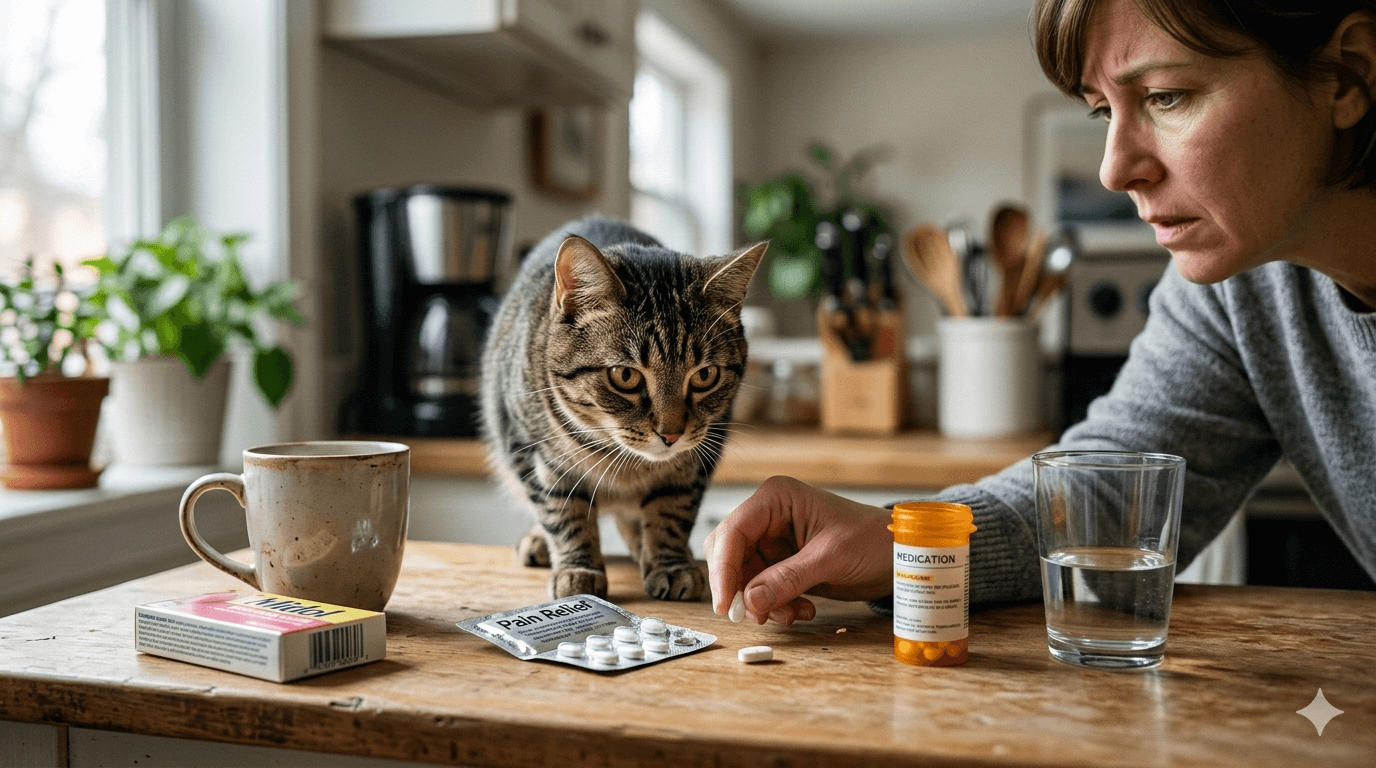
Cat Aggression Medication: A Guide to Managing Feline Behavior
Aggression in cats can be a challenging issue for pet owners, but it’s important to remember that aggressive behavior often stems from underlying causes like fear, stress, or medical conditions. While behavioral training and environmental adjustments are the first steps in addressing aggression, medication can sometimes play a crucial role in managing severe cases. Cat aggression medication is not a one-size-fits-all solution, but when used responsibly and under veterinary guidance, it can help restore harmony to your home and improve your cat’s quality of life. In this guide, we’ll explore the types of medications available, their benefits, potential side effects, and how they fit into a comprehensive approach to managing feline aggression.
Common Types of Medications for Cat Aggression
Veterinarians may recommend specific medications to address aggression in cats, depending on the root cause and severity of the behavior. These medications target different aspects of a cat’s brain chemistry to promote calmness and reduce aggressive tendencies. Here are some commonly prescribed options:
Selective Serotonin Reuptake Inhibitors (SSRIs) : Medications like fluoxetine help increase serotonin levels, promoting relaxation and reducing anxiety-related aggression.
Tricyclic Antidepressants (TCAs) : Drugs such as amitriptyline can help manage mood disorders and decrease impulsive aggressive behaviors.
Benzodiazepines : Short-term use of medications like diazepam can provide immediate relief during stressful situations, though long-term use is not recommended due to dependency risks.
Beta-Blockers : Propranolol may be prescribed to reduce physical symptoms of stress, such as rapid heart rate, which can contribute to aggression.
Anti-Anxiety Supplements : Natural options like L-theanine or melatonin can complement traditional medications for mild cases of aggression.
These medications work best when combined with behavioral therapy and lifestyle changes to address the root causes of aggression.
Potential Side Effects of Aggression Medications in Cats
While aggression medications can be highly effective, they may also produce side effects that pet owners should monitor closely. Understanding these risks ensures you can make informed decisions about your cat’s treatment plan.
Lethargy or Sedation : Many medications can cause drowsiness, especially during the initial adjustment period.
Changes in Appetite : Some cats may experience increased hunger or, conversely, a loss of interest in food.
Gastrointestinal Upset : Vomiting or diarrhea may occur as the cat’s body adjusts to the medication.
Behavioral Changes : Rarely, medications can lead to paradoxical reactions, such as increased agitation or hyperactivity.
Dependency Risks : Long-term use of certain drugs, like benzodiazepines, carries a risk of dependency or withdrawal symptoms.
Always consult your veterinarian if you notice any concerning side effects, as dosage adjustments or alternative treatments may be necessary.
Check this guide 👉How to Bathe an Aggressive Cat: Best 7 Expert Tips!
Check this guide 👉Cat Chirping at Kitten: Best 7 Behavior Tips!
Benefits of Cat Aggression Medication | Considerations Before Starting Medication |
|---|---|
Reduces anxiety-driven aggression | Requires a proper diagnosis by a vet |
Promotes calmer interactions at home | May take weeks to show full effectiveness |
Helps manage stress-related behaviors | Potential side effects must be monitored |
Can improve overall quality of life | Should be paired with behavioral therapy |
Provides short-term relief in emergencies | Not a standalone solution for aggression |
Non-Medication Strategies to Complement Treatment
Medication alone is rarely enough to fully address cat aggression. Combining it with non-medication strategies creates a more comprehensive treatment plan. Here are some effective approaches:
Environmental Enrichment : Provide toys, scratching posts, and climbing structures to reduce boredom and frustration.
Routine and Structure : Establish a consistent daily routine to minimize stress and create a sense of security.
Safe Spaces : Designate quiet areas where your cat can retreat when feeling overwhelmed.
Positive Reinforcement Training : Reward calm behavior with treats or affection to encourage better habits.
Pheromone Diffusers : Products like Feliway mimic calming pheromones and can help soothe anxious cats.
By addressing both the emotional and physical needs of your cat, you can enhance the effectiveness of any prescribed medication.
When to Consult a Veterinarian About Aggression
If your cat exhibits persistent or severe aggression, seeking professional help is essential. Here are some signs that indicate it’s time to consult a veterinarian:
Frequent Attacks on Humans or Other Pets : Unprovoked or escalating aggression requires immediate attention.
Signs of Pain or Discomfort : Aggression can sometimes stem from undiagnosed medical issues, such as arthritis or dental problems.
Sudden Behavioral Changes : A normally calm cat becoming aggressive may signal an underlying health condition.
Ineffectiveness of Behavioral Interventions : If training and environmental changes haven’t worked, medication may be necessary.
Self-Harm or Destructive Behavior : Cats that harm themselves or destroy household items may need medical intervention.
A veterinarian can help determine whether medication is appropriate and guide you toward the best course of action.
Recognizing When Medication Could Be the Right Choice
While not all aggressive behaviors require medication, certain signs indicate that your cat may benefit from pharmacological support. These behaviors often suggest an underlying issue that isn’t resolving through behavioral interventions alone.
Unprovoked Attacks : If your cat lashes out without clear triggers, it may indicate anxiety or fear that medication can help manage.
Excessive Hiding or Avoidance : Cats that isolate themselves excessively may be experiencing stress that could improve with medication.
Overgrooming or Self-Mutilation : This behavior can signal anxiety or compulsive tendencies that medication may alleviate.
Growling or Hissing at Family Members : Persistent vocalizations of aggression toward familiar people or pets may warrant medical intervention.
Refusal to Eat or Drink Due to Stress : Cats that stop eating because of tension in their environment may need medication to restore balance.
If your cat exhibits these signs, consulting a veterinarian can help determine whether medication is appropriate for their situation.
Understanding What Causes Aggression Can Help Prevent It
Aggression in cats doesn’t happen in a vacuum—it’s often triggered by specific environmental, social, or health-related factors. Identifying these triggers can help you address the root cause and potentially reduce the need for medication.
Territorial Disputes : Cats may become aggressive when they feel their space is being invaded, especially in multi-cat households.
Fear or Anxiety : Loud noises, unfamiliar people, or sudden changes can provoke defensive aggression.
Pain or Illness : Underlying medical conditions like arthritis or dental disease can make cats lash out when touched.
Redirected Aggression : A cat may redirect frustration from one source (e.g., seeing another cat outside) onto a nearby person or pet.
Play Aggression : Kittens or young cats may exhibit biting or scratching during play if not taught proper boundaries.
By addressing these triggers early, you can minimize aggressive episodes and create a calmer environment for your cat.
Making the Process Easier for Both You and Your Feline
Administering medication to a cat can be challenging, but with the right strategies, you can ensure they receive their treatment safely and stress-free. Here are some practical tips to simplify the process:
Use Pill Pockets : Hide pills in soft treats designed specifically for administering medication, making it easier to get your cat to eat them.
Crush and Mix : For non-flavored medications, crush the pill and mix it with wet food or a strong-smelling treat like tuna.
Leverage Liquid Formulations : Ask your vet if liquid versions of the medication are available, as they can be easier to administer with a syringe.
Stay Calm and Confident : Cats pick up on your energy, so approach the process calmly to avoid escalating their stress.
Reward Afterward : Offer praise, petting, or a favorite treat after giving the medication to create a positive association.
With patience and consistency, you can make medication time less stressful for both you and your cat.
Frequently Asked Questions About Cat Aggression Medication
Can I give my cat human anti-anxiety medication?
No, human medications can be toxic to cats. Always consult a veterinarian before giving any medication.
How long does it take for aggression medication to work?
Most medications take 4-6 weeks to reach full effectiveness, though some may show partial improvement sooner.
Are there natural alternatives to prescription medications?
Yes, supplements like L-theanine, CBD oil, or melatonin may help, but their effectiveness varies by case.
Will my cat need medication for life?
Not necessarily. Many cats only require short-term treatment while addressing the root cause of aggression.
Can kittens be given aggression medication?
Medication is rarely prescribed for kittens unless absolutely necessary, as their developing bodies are more sensitive to side effects.
Finding Balance: The Role of Medication in Managing Cat Aggression
Managing cat aggression requires patience, understanding, and a multifaceted approach. While medication can be a valuable tool in reducing aggressive behavior, it’s most effective when paired with environmental adjustments, behavioral training, and veterinary care. By working closely with your veterinarian and staying attuned to your cat’s needs, you can create a safe and harmonious environment for everyone in your household. Remember, every cat is unique, and finding the right solution may take time—but the effort is worth it to ensure your feline friend leads a happy, healthy life.
Understanding Cryptosporidium in Cats: Best 7 Expert Tips! – Spot symptoms, treat safely, and stop parasite spread in your home.
Understanding Cryptosporidium in Dogs: Best 7 Expert Tips! – Learn symptoms, treatment & prevention for this stubborn gut parasite.
Understanding Syringomyelia in Cats: Best 7 Expert Tips! – Recognize signs, manage pain, and support your cat’s neurological health with vet-backed guidance.
Understanding Syringomyelia in Dogs: Best 7 Expert Tips! – Expert insights on symptoms, MRI diagnosis, pain management & quality of life.