
Understanding Cat Acne on Lips: Causes and Care
Common Causes of Cat Acne on Lips
- Overactive Sebaceous Glands:
Sebaceous glands around the lips produce excess oil, leading to clogged pores and blackheads. This is one of the primary causes of feline acne. - Poor Hygiene Practices:
Cats with limited grooming habits or those unable to clean their faces properly are more prone to developing acne due to trapped dirt and oils. - Plastic Food Bowls:
Plastic bowls harbor bacteria and can irritate the skin when cats rub their faces against them during feeding. Switching to stainless steel or ceramic bowls often reduces outbreaks. - Hormonal Imbalances:
Fluctuations in hormones, especially during puberty or stress, may increase oil production and exacerbate acne formation on the lips. - Allergic Reactions or Sensitivities:
Food allergies, environmental allergens, or reactions to grooming products can inflame the skin and trigger acne-like symptoms.
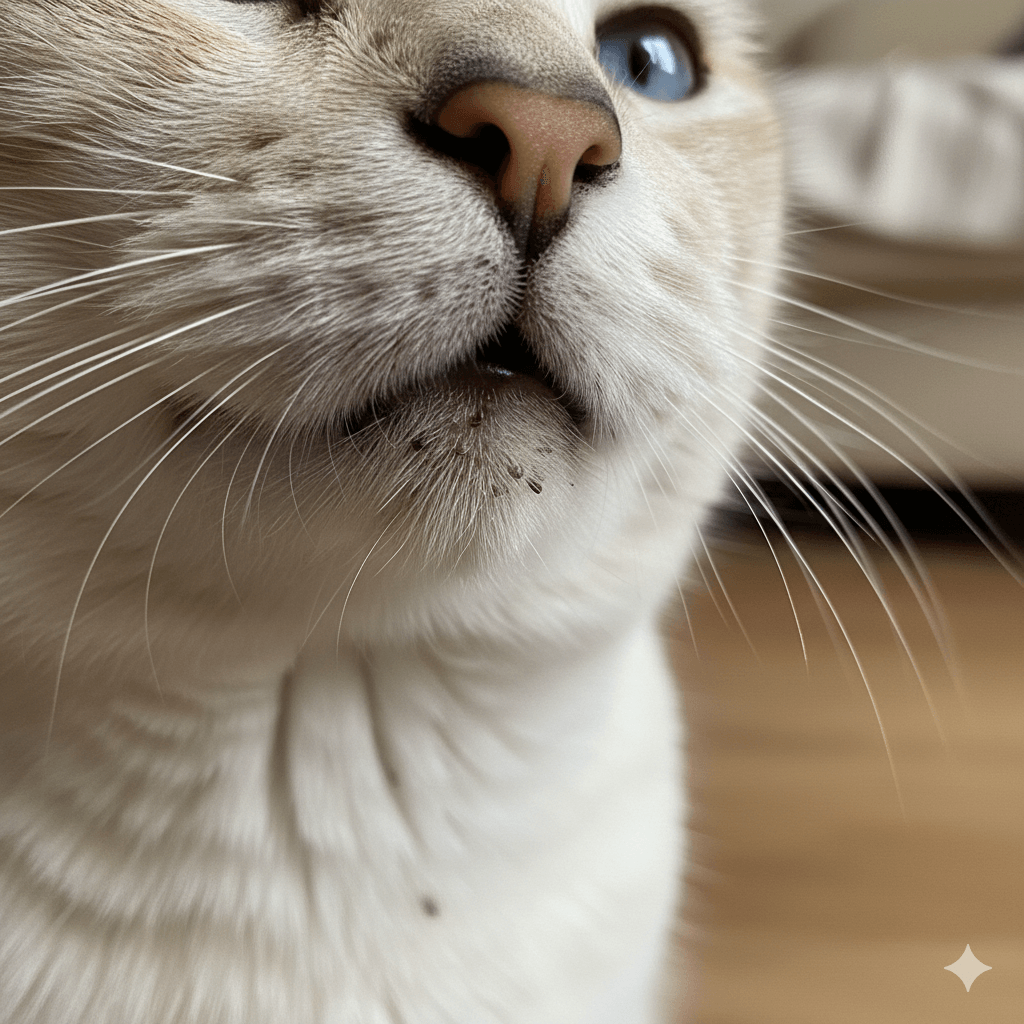
Symptoms of Cat Acne on Lips
- Blackheads or Comedones:
Small, dark dots resembling blackheads appear around the lips, chin, or mouth area. These are the most visible indicators of feline acne. - Redness and Inflammation:
The affected area may become red, swollen, or irritated, signaling inflammation or secondary infection. - Crusting or Scabbing:
Dry, flaky skin or scabs form as the condition progresses, often accompanied by itching or discomfort. - Hair Loss Around the Mouth:
Excessive scratching or rubbing may lead to patchy hair loss near the affected area. - Behavioral Changes:
Cats with acne may paw at their mouths, avoid eating, or seem unusually irritable due to pain or irritation.
Check this guide 👉Cat Acne Treatment: Best 7 Expert Tips!
Check this guide 👉Witch Hazel for Cat Acne: Best 7 Health Tips!
Check this guide 👉Understanding Cat Chin Mites vs Acne: Best 7 Expert Tips!
Prevention Strategies | Treatment Options |
|---|---|
Switch to stainless steel or ceramic bowls | Use vet-recommended topical ointments |
Maintain regular grooming habits | Apply warm compresses to reduce inflammation |
Feed hypoallergenic or high-quality diets | Clean affected areas with pet-safe antiseptics |
Minimize stress through predictable routines | Consult a vet for antibiotics if infection occurs |
Schedule routine vet check-ups | Incorporate medicated shampoos or wipes into care routines |
How to Treat Cat Acne on Lips at Home
- Warm Compresses:
Apply a warm, damp cloth to the affected area for 5–10 minutes daily to soften debris and open pores for easier cleaning. - Antiseptic Cleansers:
Use pet-safe antiseptic wipes or cleansers to gently remove dirt, oil, and bacteria from the lips and chin area. Avoid harsh chemicals that could irritate the skin. - Topical Treatments:
Apply vet-recommended ointments containing benzoyl peroxide or chlorhexidine to reduce inflammation and kill bacteria. - Regular Cleaning of Food Bowls:
Wash food and water bowls daily with hot, soapy water to prevent bacterial buildup that could worsen acne. - Dietary Adjustments:
Switch to high-quality, hypoallergenic food to rule out dietary triggers and support overall skin health.
When to Seek Veterinary Care for Cat Acne
- Pus-Filled Bumps or Pustules:
If acne lesions develop into pus-filled bumps, it may signal a bacterial infection requiring antibiotics. - Severe Swelling or Pain:
Significant swelling or signs of pain suggest an advanced stage of acne or another skin condition needing urgent attention. - Fever or Lethargy:
Systemic symptoms like fever or lethargy indicate a potential infection spreading beyond the skin. - No Improvement with Home Care:
If symptoms persist despite diligent home treatment, consult your vet for alternative therapies or diagnostic tests. - Underlying Health Issues:
Conditions like feline immunodeficiency virus (FIV) or diabetes may exacerbate acne, necessitating comprehensive medical management.
Preventing Future Outbreaks of Cat Acne
- Switch to Non-Porous Bowls:
Replace plastic bowls with stainless steel or ceramic options to eliminate bacterial reservoirs that irritate sensitive skin. - Maintain Regular Grooming:
Help your cat groom hard-to-reach areas like the chin and lips using a soft, damp cloth to remove excess oil and debris. - Monitor Diet Closely:
Feed balanced, species-appropriate diets free from additives or allergens that might trigger skin reactions. - Reduce Stress Levels:
Minimize stress through predictable routines, safe spaces, and interactive play to stabilize hormone levels and oil production. - Schedule Routine Vet Check-Ups:
Regular exams catch early signs of acne or other skin issues before they escalate into larger problems.
Natural Remedies for Managing Cat Acne
- Coconut Oil Application:
Apply a small amount of organic, unrefined coconut oil to the affected area to moisturize and reduce inflammation naturally. - Apple Cider Vinegar Rinse:
Dilute apple cider vinegar with water (1:1 ratio) and use it as a mild rinse to disinfect the skin and restore pH balance. - Aloe Vera Gel:
Pure aloe vera gel has soothing properties that calm redness and irritation while promoting faster healing of acne lesions. - Oatmeal Baths:
Prepare a diluted oatmeal solution and gently wipe your cat’s face to relieve itching and exfoliate dead skin cells. - Herbal Teas as Compresses:
Chamomile or calendula tea bags steeped in warm water make excellent compresses for reducing inflammation and soothing sensitive skin.
Long-Term Management of Chronic Cat Acne
- Medicated Shampoos or Wipes:
Incorporate medicated shampoos or wipes into your routine to keep the affected area clean and free from bacteria. - Prescription Medications:
Veterinarians may prescribe oral medications or specialized creams to address stubborn or severe cases of acne. - Environmental Modifications:
Reduce exposure to allergens like dust, pollen, or household cleaners that could irritate your cat’s skin over time. - Weight Management:
Overweight cats may struggle to groom themselves properly, increasing the risk of acne; maintaining a healthy weight improves hygiene. - Regular Monitoring:
Keep a close eye on your cat’s skin condition and document any changes to share with your vet during routine visits.
“Feline acne is a skin condition of cats that is seen mostly around the chin and lip margins. Hair follicles on the chin become clogged (also known as comedones), and severely blocked follicles can develop abscesses filled with pus.”
– Jacqueline Brister, DVM
Frequently Asked Questions About Cat Acne on Lips
What causes cat acne on the lips?
Can I use human acne treatments on my cat?
No—human products contain ingredients that can irritate or harm your cat’s sensitive skin. Always consult your vet before applying any treatment.
How long does it take for cat acne to heal?
Mild cases typically improve within 1–2 weeks with proper care, but chronic or severe cases may require ongoing management and veterinary intervention.
Is cat acne contagious to other pets?
No, cat acne is not contagious. It’s a skin condition caused by internal factors like oil production or hygiene, not by infectious agents.
Should I change my cat’s diet to manage acne?
Supporting Your Cat Through Lip Acne Challenges

Is Rawhide Bad for Cats? Best 7 Expert Tips! – Discover the risks, safe alternatives, and expert advice to keep your feline friend healthy and happy.

Is Rawhide Bad for Dogs? Best 7 Expert Tips! – Discover the risks, benefits, and safer alternatives to rawhides for your dog’s chewing needs.

Understanding Anorexia in Cats: Best 7 Expert Tips! – Learn why cats stop eating, spot warning signs, and discover how to help your feline regain appetite safely.

Understanding Anorexia in Dogs: Best 7 Expert Tips! – Learn causes, symptoms, and solutions to help your dog regain appetite and stay healthy.