
Understanding Cat Abdominal Fluid: Best 7 Expert Tips!
When your cat’s belly appears swollen or feels unusually firm, it could signal a buildup of abdominal fluid—a condition known as ascites. While not a disease itself, this symptom often points to an underlying health issue that demands attention. From heart failure to liver disease, many serious conditions can cause fluid retention in your cat’s abdomen. Early recognition and veterinary evaluation are crucial for effective management. With expert insight and vigilant care, you can help your feline companion navigate this challenging condition with comfort and clarity.
Common Causes of Abdominal Fluid Buildup in Cats
Abdominal fluid accumulation in cats rarely occurs in isolation—it’s typically a red flag for a deeper systemic problem. Identifying potential triggers helps your veterinarian narrow down diagnostics and choose the right treatment path. These are among the most frequent culprits behind feline ascites:
- Liver Disease:
Conditions like hepatic cirrhosis or hepatitis impair protein production, reducing blood oncotic pressure and allowing fluid to leak into the abdomen. - Congestive Heart Failure:
When the heart can’t pump effectively, blood backs up in the vessels, increasing pressure and forcing fluid into the abdominal cavity. - Cancer (Neoplasia):
Tumors—especially abdominal lymphoma or carcinomas—can inflame tissues or block lymphatic drainage, leading to fluid buildup. - Feline Infectious Peritonitis (FIP):
This viral disease, caused by a mutated coronavirus, often presents with chronic, protein-rich abdominal effusion in young cats. - Kidney Disease:
Advanced renal failure can lower albumin levels, contributing to fluid leakage from blood vessels into the peritoneal space.
Recognizing these underlying causes early allows for targeted intervention and significantly improves your cat’s prognosis and quality of life.
Warning Signs That Warrant Immediate Veterinary Attention
While some fluid accumulation develops slowly, other cases escalate rapidly and become life-threatening. Knowing which symptoms signal an emergency ensures you act before your cat’s condition deteriorates:
- Rapid Abdominal Enlargement:
A suddenly distended belly—especially over hours or days—can indicate internal bleeding or acute organ failure. - Labored Breathing:
As fluid builds, it presses on the diaphragm, making it hard for your cat to take full breaths or causing open-mouth breathing. - Lethargy or Collapse:
Extreme weakness, unresponsiveness, or inability to stand suggests severe systemic compromise or shock. - Pale or Blue-Tinged Gums:
This signals poor oxygenation or anemia, possibly due to internal bleeding or heart failure. - Loss of Appetite and Vomiting:
Combined with abdominal swelling, these point to significant internal distress requiring urgent assessment.
If you notice any of these signs, seek emergency veterinary care without delay—timeliness can be lifesaving.
Check this guide 👉Cat Stomach Inflammation: Best 7 Expert Tips!
Check this guide 👉Cat Stomach Tumor: Best 7 Expert Tips!
Check this guide 👉Understanding Cat Stomach Bug Symptoms: Best 7 Tips!
Key Early Indicators | Critical Emergency Signs |
|---|---|
Mild belly distension | Rapid, visible abdominal swelling |
Reduced activity | Severe lethargy or collapse |
Slight decrease in appetite | Refusing all food and water |
Occasional hiding behavior | Open-mouth breathing or gasping |
Slight weight gain (from fluid) | Pale, blue, or gray gums |
Diagnostic Steps Your Veterinarian Will Take
Pinpointing the exact cause of abdominal fluid requires a methodical approach. Your vet will combine physical examination with advanced testing to uncover the root issue and avoid misdiagnosis:
- Physical Palpation and Auscultation:
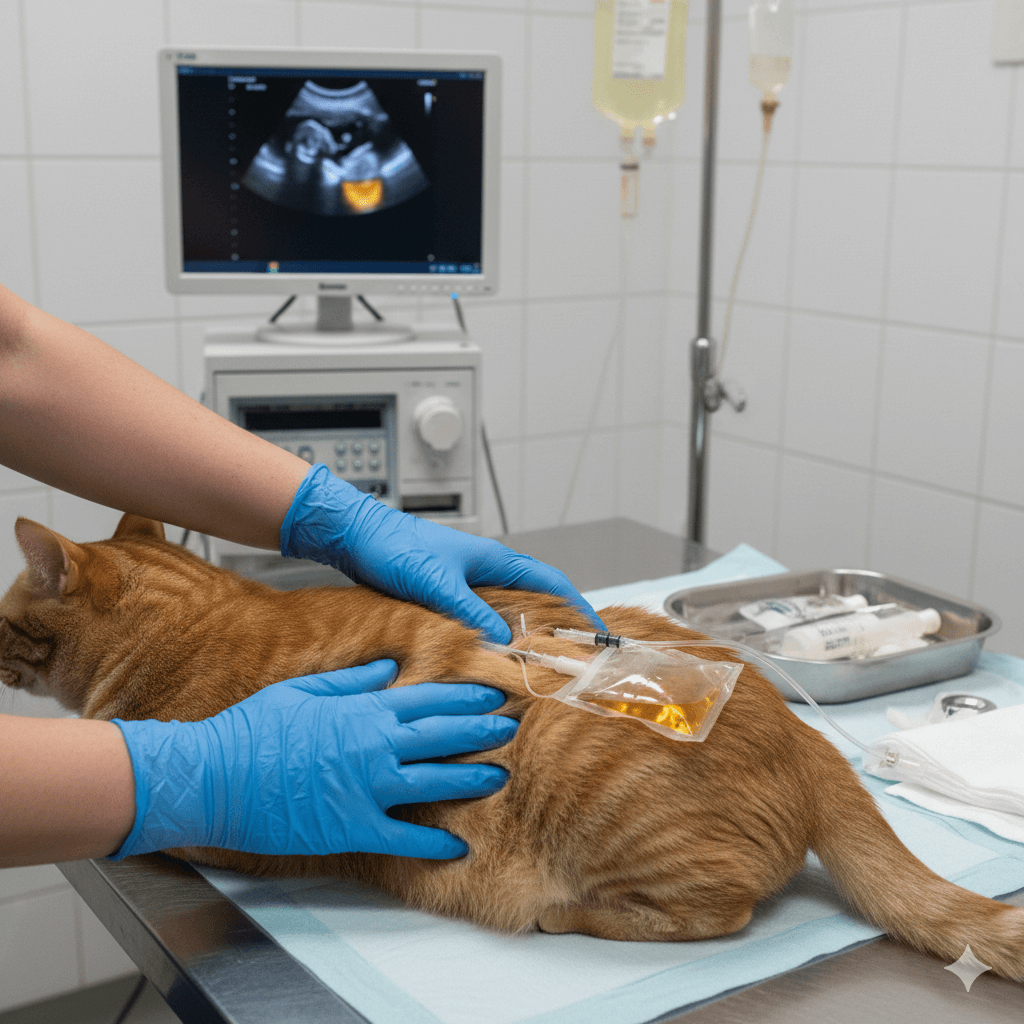
The vet will gently feel the abdomen for fluid wave and listen to heart and lung sounds for abnormalities. - Abdominocentesis (Fluid Tap):
A small needle is used to extract fluid for analysis—this reveals protein levels, cell types, and possible infection or cancer cells. - Blood Work Panel:
Comprehensive tests assess liver enzymes, kidney values, albumin, and electrolyte balance to evaluate organ function. - Imaging (Ultrasound or X-ray):
Ultrasound is especially valuable to visualize internal organs, detect masses, and guide safe fluid removal. - FIP-Specific Testing:
If FIP is suspected, your vet may run RT-PCR on the fluid or check for high globulin-to-albumin ratios in blood.
These diagnostics not only identify the cause but also help determine whether treatment is manageable at home or requires hospitalization.
Treatment Approaches Based on Underlying Cause
There is no one-size-fits-all solution—therapy for abdominal fluid always targets the root condition. Your vet will tailor the plan to your cat’s specific diagnosis and overall health:
- Diuretics for Heart or Liver Disease:
Medications like furosemide help the body eliminate excess fluid through urine, reducing abdominal pressure. - Therapeutic Abdominocentesis:
In severe cases, large-volume fluid removal provides immediate relief and improves breathing and comfort. - Antiviral Therapy for FIP:
New treatments like GS-441524 (where legally available) have dramatically improved outcomes for cats with wet FIP. - Chemotherapy or Surgery for Tumors:
If cancer is confirmed, options may include tumor removal, palliative care, or targeted drug protocols. - Supportive Care (IV Fluids, Nutrition):
Albumin transfusions or high-protein diets may be used to restore oncotic pressure and support healing in chronic cases.
Successful management often combines medical intervention with ongoing monitoring to prevent fluid from reaccumulating.
Home Care and Monitoring During Recovery
Once stabilized, your cat will need a calm, stress-free environment to heal. Your role at home is vital in supporting their recovery and catching setbacks early:
- Restrict Activity Gently:
Encourage rest and avoid jumping or rough play until your vet clears normal activity levels. - Monitor Abdominal Size Daily:
Take photos or measure girth weekly to detect subtle reaccumulation before it becomes severe. - Administer Medications Faithfully:
Even if your cat seems better, never skip doses—diuretics or antivirals require strict adherence. - Offer High-Quality, Palatable Food:
Appetite support is crucial; warming food or using veterinary prescription diets can help maintain nutrition. - Watch for Breathing Changes:
Any increase in respiratory rate (>30 breaths/minute at rest) should prompt an immediate vet call.
Consistent home care bridges the gap between clinic visits and gives your cat the best chance at long-term stability.
Prevention and Long-Term Management Strategies
While you can’t prevent every cause of abdominal fluid, proactive health measures reduce risk and improve outcomes if issues arise:
- Vaccinate Against Feline Coronavirus (If Available):
In catteries or high-risk environments, discuss preventive options with your vet, though no universal FIP vaccine is 100% effective. - Regular Wellness Exams:
Biannual check-ups catch early signs of heart, liver, or kidney disease before fluid builds up. - Maintain Ideal Weight and Diet:
Obesity strains the heart and liver; a balanced, species-appropriate diet supports organ resilience. - Minimize Stress:
Chronic stress weakens immunity—use pheromone diffusers, routines, and quiet spaces to keep your cat calm. - Avoid Unnecessary Medications:
Some drugs are hepatotoxic; always consult your vet before giving supplements or human medications.
Long-term vigilance turns a potentially fatal condition into a manageable one—with love, observation, and partnership with your veterinary team.
Essential Supportive Care While Managing Abdominal Fluid
Once your cat is diagnosed and treatment has begun, supportive care at home plays a vital role in maintaining comfort and preventing complications. These practical steps—when combined with veterinary guidance—can significantly improve your cat’s daily well-being during this delicate time:
- Create a Quiet Recovery Space:
Set up a low-traffic area with soft bedding, easy access to food/water, and a clean litter box to reduce stress and encourage rest. - Elevate Food and Water Bowls Slightly:
Raising bowls by 2–3 inches can ease pressure on the abdomen during eating and drinking, especially if fluid buildup affects diaphragm movement. - Monitor Weight Weekly:
Sudden weight gain often reflects fluid reaccumulation—track trends to alert your vet before symptoms worsen. - Avoid Over-the-Counter Supplements:
Many herbal or liver-support products can interfere with medications or worsen underlying conditions—always consult your vet first. - Use Gentle Handling Techniques:
Pick up your cat with full support under the chest and hindquarters to avoid putting pressure on the swollen abdomen.
Consistent, thoughtful care at home reinforces medical treatment and gives your cat the best chance at stability and comfort during recovery.
“Ascites is a term used to describe the accumulation of free fluid within the peritoneal cavity. Based on cell counts, total protein, specific gravity, and cellular content, the fluid may be classified as a transudate (pure or modified) or an exudate.”
Frequently Asked Questions About Cat Abdominal Fluid
Can abdominal fluid go away on its own in cats?
Rarely. Ascites usually reflects a serious underlying condition that requires medical treatment—it won’t resolve without addressing the root cause.
Is abdominal fluid always painful for cats?
Not always, but as fluid accumulates, it can cause discomfort, pressure, and difficulty breathing, especially in advanced cases.
How much fluid can a cat safely have removed?
Veterinarians typically remove 10–50 mL/kg in one session to avoid circulatory collapse; large volumes are done gradually under monitoring.
Is FIP the most common cause of abdominal fluid in young cats?
Yes—especially in cats under 2 years old, FIP (particularly the “wet” form) is a leading cause of ascites in otherwise healthy kittens.
Can diet alone reduce abdominal fluid?
Diet supports treatment (e.g., low-sodium for heart disease), but it cannot eliminate fluid without medical intervention for the primary disease.
Supporting Your Cat Through a Complex Health Challenge
Seeing your beloved cat struggle with abdominal fluid can feel overwhelming—but you’re not powerless. With early detection, accurate diagnosis, and compassionate care, many cats live comfortably for months or even years after their diagnosis. Your attentiveness, partnership with your veterinarian, and willingness to adapt your home environment make all the difference. Remember, every gentle stroke, every measured breath you monitor, and every medication given on time is an act of love that helps your feline friend feel safe and supported. Trust your instincts, lean on your vet team, and never underestimate the healing power of your presence by their side.

Is Rawhide Bad for Cats? Best 7 Expert Tips! – Discover the risks, safe alternatives, and expert advice to keep your feline friend healthy and happy.

Is Rawhide Bad for Dogs? Best 7 Expert Tips! – Discover the risks, benefits, and safer alternatives to rawhides for your dog’s chewing needs.

Understanding Anorexia in Cats: Best 7 Expert Tips! – Learn why cats stop eating, spot warning signs, and discover how to help your feline regain appetite safely.

Understanding Anorexia in Dogs: Best 7 Expert Tips! – Learn causes, symptoms, and solutions to help your dog regain appetite and stay healthy.