

Can You Put Benadryl Cream on a Dog: Best 7 Expert Tips!

Can You Put Benadryl Cream on a Dog: Best 7 Expert Tips!

Can You Put Benadryl Cream on a Dog: Best 7 Expert Tips!


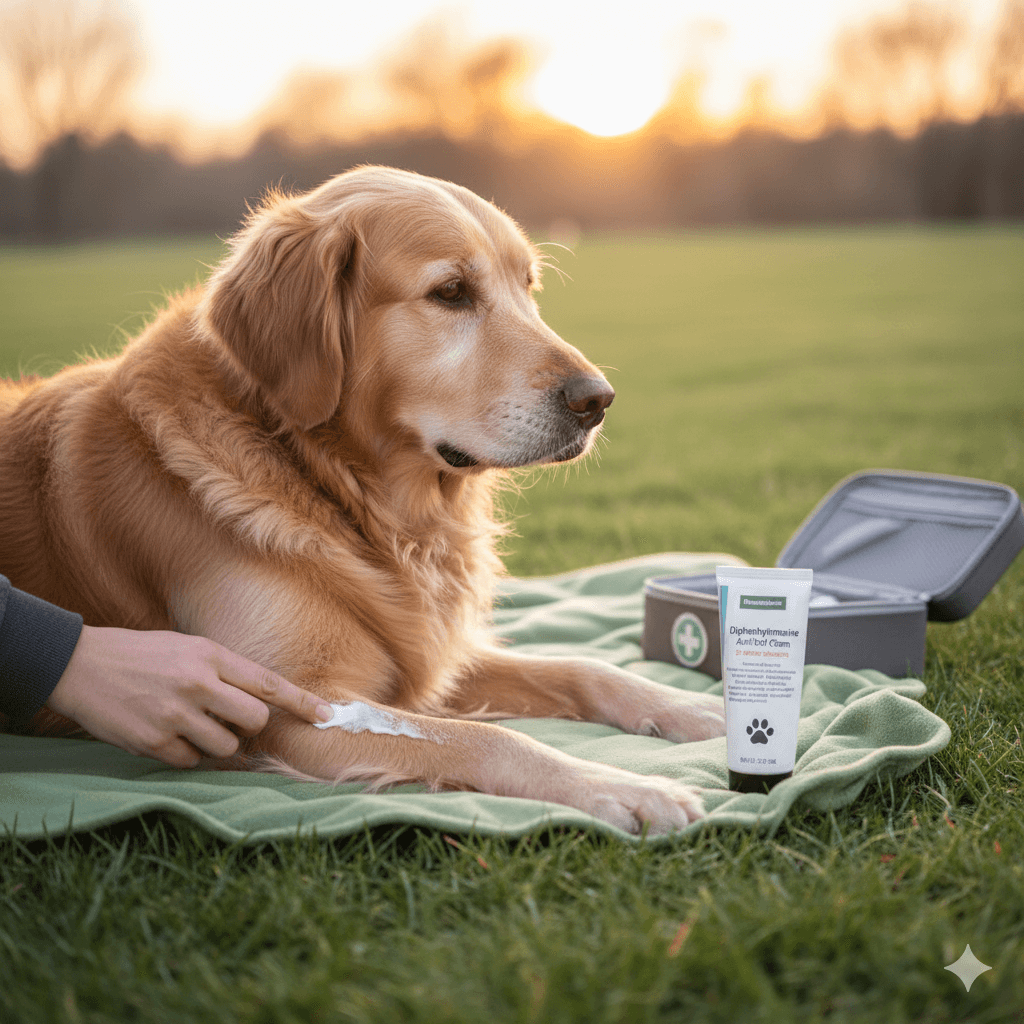
If your dog is scratching, licking, or showing irritated skin, you might wonder whether Benadryl cream is a safe solution. While oral Benadryl (diphenhydramine) is commonly used in dogs under veterinary guidance, topical creams pose different risks. Many human-formulated creams contain additional ingredients that can be toxic if ingested—which is likely, since dogs lick their skin. Understanding when—and if—it’s safe to use Benadryl cream can prevent accidental harm while addressing your pet’s discomfort effectively. Always prioritize vet-approved alternatives for your dog’s sensitive skin.

When Topical Benadryl Might Seem Tempting


Pet owners often reach for over-the-counter creams to ease minor skin irritations like insect bites, rashes, or hot spots. Benadryl cream promises quick itch relief, but its use in dogs requires extreme caution. Below are key considerations before even thinking about applying it:

 
  • Active Ingredient Confusion:
    Not all “Benadryl” creams contain only diphenhydramine—many include alcohol, lidocaine, or zinc, which are dangerous if licked off by dogs.
     
  • Risk of Ingestion:
    Dogs instinctively lick treated areas, potentially swallowing harmful amounts of active or inactive ingredients within minutes.
     
  • Skin Sensitivity Differences:
    Canine skin is thinner and more permeable than human skin, increasing the risk of systemic absorption and toxicity.
     
  • Misdiagnosis of Underlying Cause:
    Applying cream may mask symptoms of infections, allergies, or parasites that need specific veterinary treatment.
     
  • Lack of Veterinary Approval:
    Most veterinary dermatologists avoid recommending topical Benadryl due to unpredictable absorption and safer alternatives.
 

Because of these concerns, topical Benadryl cream is generally not recommended for dogs—especially without explicit vet instruction.

Can You Put Benadryl Cream on a Dog: Best 7 Expert Tips!

Hidden Dangers in Common Anti-Itch Creams


Even products labeled as “anti-itch” or “for sensitive skin” may contain compounds that are hazardous to dogs. Understanding what to avoid can protect your pet from unintended poisoning:

 
  • Alcohol and Propylene Glycol:
    These drying agents can cause vomiting, depression, or neurological issues if ingested in small amounts.
     
  • Lidocaine or Benzocaine:
    Local anesthetics in some creams can lead to tremors, seizures, or heart rhythm disturbances in dogs.
     
  • Corticosteroids (e.g., Hydrocortisone):
    While sometimes used in vet-formulated products, over-the-counter versions may be too strong or improperly dosed for dogs.
     
  • Fragrances and Dyes:
    Artificial additives can worsen irritation or trigger allergic reactions on already compromised skin.
     
  • Zinc Oxide:
    Common in diaper rash or sunburn creams, zinc is highly toxic to dogs and can cause severe anemia.
 

Always check the full ingredient list—never assume a human-safe product is dog-safe.

Safe Alternatives
Ingredients to Avoid
Vet-prescribed topical sprays with chlorhexidine or miconazole
Diphenhydramine cream with added alcohol
Medicated shampoos for itching (e.g., oatmeal or pramoxine-based)
Lidocaine or benzocaine-containing gels
Oral antihistamines (only as directed by a vet)
Zinc oxide or calamine lotion
Elizabethan collar to prevent licking while healing
Fragranced or dyed “soothing” creams
Cool water compresses for temporary relief
Over-the-counter hydrocortisone >0.5%

Safer Ways to Relieve Your Dog’s Itchy Skin


Instead of risking topical Benadryl, consider these vet-approved strategies to soothe your dog’s discomfort without danger:

 
  • Veterinary-Grade Topical Solutions:
    Products like Douxo S3 CALM or Veterycin Plus are formulated specifically for canine skin and safe if licked.
     
  • Medicated Baths:
    Hypoallergenic, oatmeal-based, or antiseptic shampoos can reduce inflammation and remove allergens from the coat.
     
  • Oral Antihistamines (When Approved):
    Plain diphenhydramine tablets (no additives) may be safe at the correct dose—but only under veterinary guidance.
     
  • Omega-3 Fatty Acid Supplements:
    Fish oil can improve skin barrier function and reduce chronic itchiness over time.
     
  • Allergy Testing and Immunotherapy:
    For recurrent itching, identifying triggers through testing can lead to long-term solutions like allergy shots.
 

These approaches treat the root cause while minimizing exposure to toxins.

What to Do If Your Dog Licks Benadryl Cream


Accidents happen—especially if a cream was applied without full awareness of the risks. Immediate action can prevent serious outcomes:

 
  • Check the Ingredient List Immediately:
    Note all active and inactive ingredients to report accurately to your vet or poison control.
     
  • Rinse the Mouth Gently:
    Use clean water to swish out residue, but don’t force water if your dog resists or seems disoriented.
     
  • Contact Your Veterinarian or ASPCA Poison Control:
    Even small ingestions of certain ingredients warrant professional advice—don’t wait for symptoms.
     
  • Monitor for Toxicity Signs:
    Watch for vomiting, drooling, lethargy, wobbliness, tremors, or changes in breathing over the next 24 hours.
     
  • Avoid Inducing Vomiting Without Guidance:
    Some substances cause more harm coming back up—only induce vomiting if explicitly instructed by a professional.
 

Quick response can turn a potential emergency into a manageable incident.


Preventing Future Skin Irritations in Dogs


Long-term skin health reduces the need for risky quick fixes. Proactive care builds resilience against common triggers:

 
  • Regular Flea and Tick Prevention:
    Parasites are a leading cause of itching—year-round protection is essential, even for indoor dogs.
     
  • Hypoallergenic Diet Trials:
    Food allergies often manifest as skin issues; a vet-supervised elimination diet can identify culprits.
     
  • Frequent Grooming and Brushing:
    Removes allergens like pollen and dander from the coat before they irritate the skin.
     
  • Clean Bedding and Environment:
    Wash dog beds weekly in fragrance-free detergent to reduce exposure to dust mites and irritants.
     
  • Routine Veterinary Skin Checks:
    Early detection of yeast, bacterial, or fungal imbalances prevents escalation to severe itching.
 

Consistency in care is the best defense against chronic discomfort.

Special Warnings for Puppies, Small Breeds, and Senior Dogs


Vulnerable dogs face heightened risks from topical medications due to size, age, or health status:

 
  • Puppies Under 6 Months:
    Their liver and kidneys can’t process toxins efficiently—avoid all human topical products.
     
  • Toy Breeds (e.g., Chihuahuas, Yorkies):
    Even a small lick of cream can deliver a toxic dose relative to their body weight.
     
  • Senior Dogs with Organ Disease:
    Compromised liver or kidney function reduces their ability to metabolize and excrete harmful ingredients.
     
  • Dogs with Preexisting Skin Conditions:
    Broken or inflamed skin absorbs chemicals more readily, increasing systemic exposure.
     
  • Brachycephalic Breeds (e.g., Pugs, Bulldogs):
    Their tendency to lick compulsively raises ingestion risk significantly.
 

For these dogs, prevention and vet-formulated treatments are non-negotiable.

What Your Veterinarian Will Recommend Instead


During a skin consultation, your vet will likely suggest solutions far safer and more effective than Benadryl cream:

 
  • Cytology or Skin Scrapings:
    To check for mites, yeast, or bacterial overgrowth driving the itch.
     
  • Prescription Topicals:
    Such as chlorhexidine-miconazole sprays or pramoxine-based leave-on conditioners.
     
  • Systemic Medications:
    Apoquel, Cytopoint, or short-course steroids for moderate to severe allergic dermatitis.
     
  • Allergy Workup:
    Including blood or intradermal testing to develop a personalized immunotherapy plan.
     
  • Barrier Sprays or Wound Care Gels:
    That protect irritated areas while discouraging licking through bitterants or physical film-forming.
 

Their goal is lasting relief—not temporary fixes that risk your dog’s safety.

“Diphenhydramine topical is used to relieve itching and skin irritation in dogs, cats, and other animals… Do not allow pets to groom or lick the application site for at least 30 minutes after applying the medication.” – Kayla Hyland, DVM

Frequently Asked Questions About Benadryl Cream and Dogs

Can I use Benadryl cream on my dog’s hot spot?

No—hot spots are open, infected wounds where systemic absorption is high, and licking is almost guaranteed. Use vet-prescribed antimicrobial sprays instead.


There is no FDA-approved topical Benadryl for dogs. Veterinarians use alternative topical agents specifically formulated for canine use.

Call your vet immediately. Provide the product name and ingredients. If your dog licked it, they may need monitoring or treatment.

Only if it’s 0.5% or lower and approved by your vet. Even then, use an E-collar to prevent licking, as ingestion can cause gastrointestinal upset or hormonal imbalances.

“Natural” doesn’t mean safe—tea tree oil, for example, is highly toxic to dogs. Always consult your vet before using any topical product.

Prioritizing Your Dog’s Safety Over Convenience


It’s natural to want instant relief for your scratching, uncomfortable dog—but human medications, even familiar ones like Benadryl cream, are rarely safe for canine use in topical form. The risks of ingestion, toxicity, and delayed proper treatment far outweigh any temporary comfort. By choosing vet-approved alternatives and addressing the root cause of itching, you offer your dog not just relief, but true healing. In moments of uncertainty, your veterinarian is your best ally—because your dog’s skin health is too important to gamble with quick fixes. Trust science, trust your vet, and above all, trust your instinct to protect your loyal companion.

Is Rawhide Bad for Cats? Best 7 Expert Tips!

Is Rawhide Bad for Cats? Best 7 Expert Tips! – Discover the risks, safe alternatives, and expert advice to keep your feline friend healthy and happy.

Is Rawhide Bad for Dogs? Best 7 Expert Tips!

Is Rawhide Bad for Dogs? Best 7 Expert Tips! – Discover the risks, benefits, and safer alternatives to rawhides for your dog’s chewing needs.

Understanding Anorexia in Cats: Best 7 Expert Tips!

Understanding Anorexia in Cats: Best 7 Expert Tips! – Learn why cats stop eating, spot warning signs, and discover how to help your feline regain appetite safely.

Understanding Anorexia in Dogs: Best 7 Expert Tips!

Understanding Anorexia in Dogs: Best 7 Expert Tips! – Learn causes, symptoms, and solutions to help your dog regain appetite and stay healthy.

Leave a Reply

Your email address will not be published. Required fields are marked *