Can You Give Your Cat Benadryl Every Day?
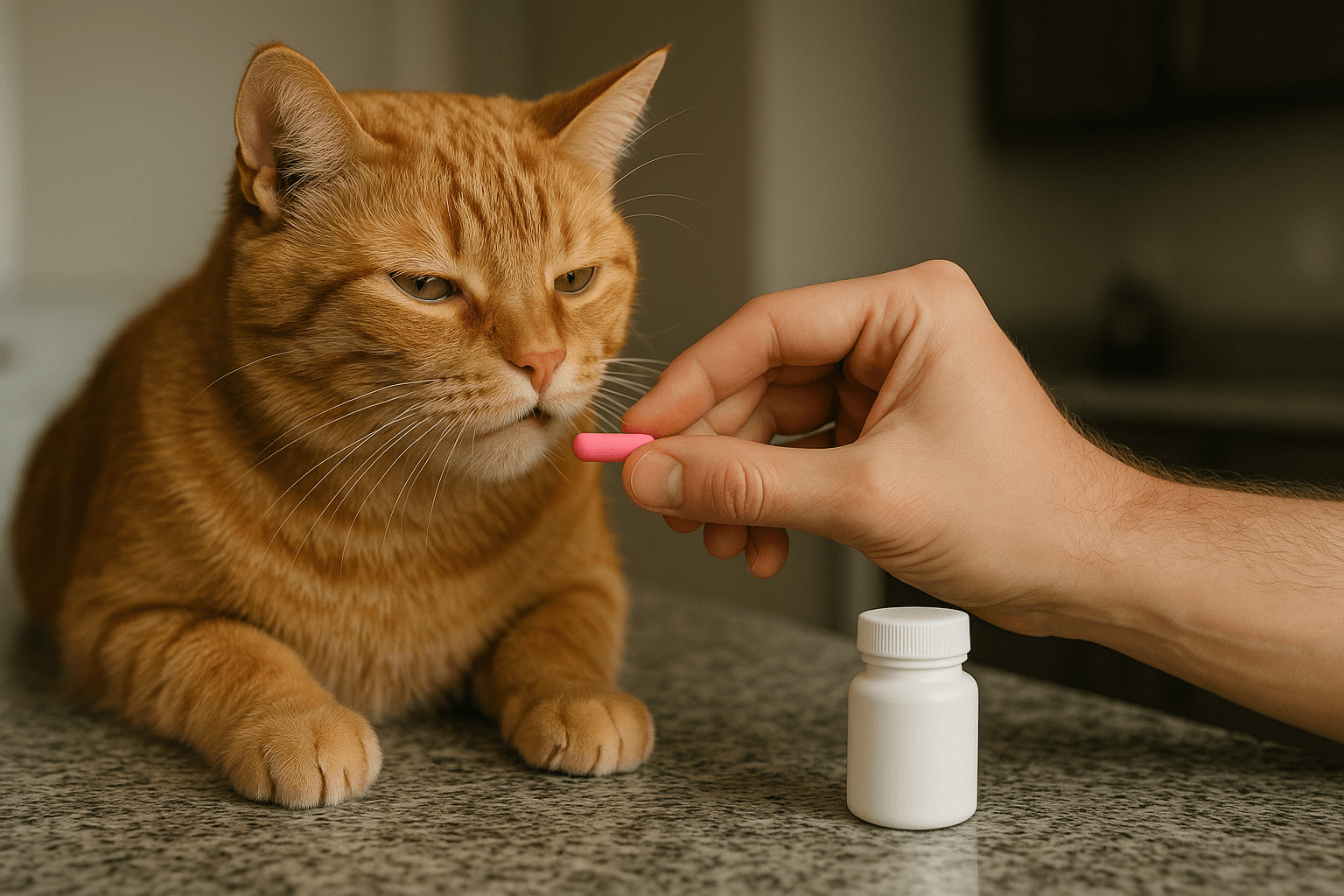
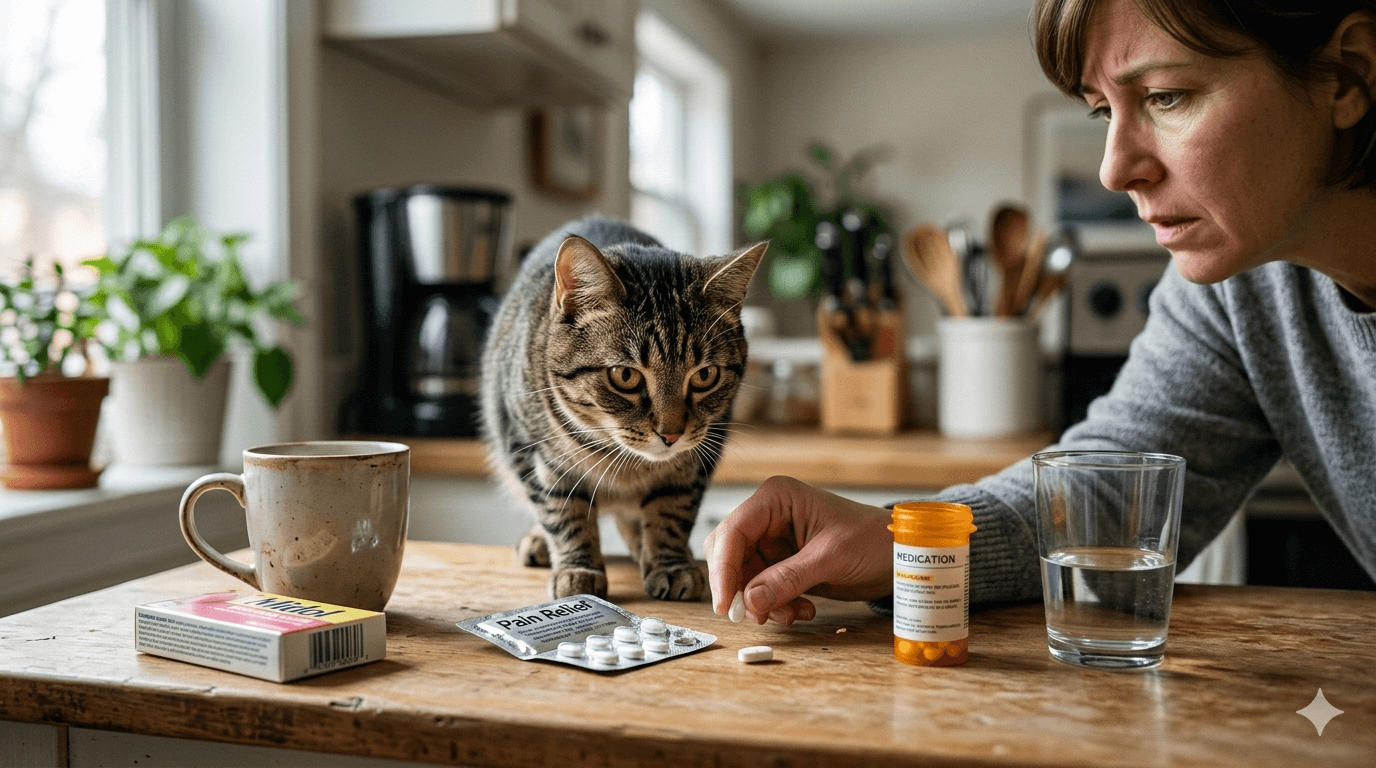
If your cat suffers from allergies, anxiety, or skin irritations, you may have wondered whether Benadryl could help—and whether it’s safe for daily use. While this common antihistamine is sometimes used in feline care, giving it every day raises important questions about safety, dosage, and long-term effects. Cats metabolize medications very differently than humans or even dogs, so what seems harmless could pose serious risks. In this guide, we’ll unpack when Benadryl might be appropriate, why daily use is rarely advised, and what safer alternatives exist. Your cat’s well-being depends on informed choices—not convenience.
Understanding Benadryl and How It Affects Cats
Benadryl (diphenhydramine) is an over-the-counter antihistamine used to treat allergic reactions, motion sickness, and mild anxiety in humans—and occasionally in pets. But feline physiology is uniquely sensitive, and not all human medications are safe for cats.
- Antihistamine action:
Benadryl blocks histamine receptors, which can reduce itching, swelling, and sneezing caused by allergies—but cats often show different allergic symptoms than humans. - Sedative side effect:
Many cats become drowsy after a dose, which is why some owners use it for travel stress; however, others may experience agitation or hyperactivity instead. - Limited evidence for chronic use:
While a single dose may help in acute situations, there’s little veterinary support for using Benadryl daily to manage ongoing conditions. - Metabolism differences:
Cats lack certain liver enzymes needed to process many drugs efficiently, increasing the risk of toxicity even at seemingly low doses. - Formulation dangers:
Many Benadryl products contain xylitol, alcohol, or decongestants (like pseudoephedrine)—all of which are toxic to cats.
Because of these factors, Benadryl should never be given without explicit veterinary guidance—and daily administration is almost always discouraged.
When Is Benadryl Considered Safe for Cats?
Veterinarians may occasionally recommend Benadryl in specific, short-term scenarios—but never as a routine or long-term solution. Its use is always weighed against potential risks.
- Acute allergic reactions:
Such as from insect stings or vaccine responses, where temporary swelling or hives occur. - Pre-travel sedation (with caution):
For very anxious cats on short car rides—but only after vet approval and a test dose at home. - Mild environmental allergies:
If seasonal pollen triggers sneezing or itchy skin, a one-time dose might offer brief relief. - Pre-procedure calming (rarely):
In some clinic settings, vets may use it alongside other medications to ease stress. - Palliative comfort in end-of-life care:
Under veterinary supervision, it may help with itching or restlessness in senior or terminally ill cats.
Even in these cases, Benadryl is a temporary tool—not a daily remedy. Consistent symptoms need proper diagnosis, not repeated antihistamine use.
Check this guide 👉Benadryl for Cat Allergy: Best 7 Expert Tips!
Check this guide 👉What Can I Give My Cat for Swelling? Best 7 Expert Tips!
Check this guide 👉Cat Respiratory Infection Medicine: Best 7 Expert Tips!
| Situations Where Benadryl *Might* Be Used (Vet-Approved) | Signs You Should *Never* Give Benadryl Daily |
|---|---|
| Single dose for bee sting reaction | Chronic skin itching without diagnosis |
| Pre-vet-visit anxiety (one-time) | Recurrent vomiting or diarrhea |
| Occasional motion sickness | Underlying kidney or liver disease |
| Post-vaccine mild swelling | Pregnant or nursing cats |
| Senior cat with vet-monitored comfort care | Any unexplained behavioral change |
Risks of Daily Benadryl Use in Cats
Giving Benadryl every day might seem like a quick fix—but it can lead to serious health complications. Cats are not small humans, and their delicate systems aren’t built for repeated drug exposure without supervision.
- Liver and kidney strain:
Chronic use forces these organs to process chemicals they aren’t well-equipped to handle, potentially accelerating organ decline. - Dry mouth and urinary retention:
Antihistamines reduce saliva and can cause difficulty urinating—especially dangerous in male cats prone to blockages. - Paradoxical excitement:
Instead of calming, some cats become restless, vocal, or even aggressive with repeated dosing. - Masking underlying illness:
Daily symptom suppression may hide conditions like asthma, food allergies, or hyperthyroidism that need real treatment. - Tolerance and reduced effectiveness:
Over time, the body may stop responding, leading owners to increase the dose—raising overdose risk.
Daily Benadryl isn’t just unnecessary—it’s potentially harmful. True relief comes from identifying and treating the root cause.
Safe Alternatives to Daily Benadryl
If your cat is struggling with allergies, anxiety, or skin issues, safer and more effective options exist—many of which address the cause, not just the symptom.
- Veterinary-prescribed antihistamines:
Drugs like hydroxyzine or cetirizine may be better suited for feline use under medical guidance. - Hypoallergenic diets:
For food-related itching or GI issues, an elimination diet can pinpoint and eliminate triggers. - Environmental modifications:
Using HEPA filters, fragrance-free detergents, and regular bathing can reduce airborne and contact allergens. - Pheromone diffusers (Feliway):
Clinically proven to ease stress-related behaviors without medication. - Omega-3 fatty acid supplements:
Support skin barrier health and reduce inflammatory responses naturally.
These approaches offer sustainable relief—without the risks of unsupervised daily medication.
What to Do If You’ve Already Given Benadryl Daily
If you’ve been giving your cat Benadryl every day—perhaps on advice from an unreliable source or out of desperation—it’s not too late to course-correct.
- Stop immediately:
Discontinue use unless your vet specifically tells you otherwise. - Schedule a vet visit:
Request bloodwork to check liver and kidney function, especially if use lasted more than a few days. - Track symptoms honestly:
Note when symptoms started, what Benadryl seemed to help (or not), and any side effects observed. - Avoid guilt, focus on action:
Many well-meaning owners make this mistake—what matters now is your cat’s future health. - Ask about diagnostics:
Allergy testing, skin scrapings, or imaging may uncover the real issue behind the symptoms.
Your vet isn’t there to judge—they’re there to help you find a safer, more effective path forward.
How Vets Determine If Benadryl Is Appropriate
A responsible veterinarian will never prescribe or approve Benadryl lightly. They follow a careful evaluation process before even considering it.
- Review full medical history:
Including current medications, past reactions, and chronic conditions like heart or kidney disease. - Assess symptom severity:
Mild, temporary issues may not warrant any medication; severe cases might need stronger intervention. - Rule out mimics:
Conditions like ringworm, mites, or feline asthma can look like allergies but require entirely different treatments. - Calculate precise dosage:
Typically 1 mg per pound—but only if the cat is healthy and the formulation is 100% pure diphenhydramine. - Discuss risks vs. benefits:
You’ll receive clear instructions and warnings—and usually, a one-time or short-term plan only.
This cautious approach protects your cat while ensuring any medication use is truly justified.
Preventing the Need for Antihistamines Altogether
The best strategy isn’t finding a safe daily antihistamine—it’s reducing your cat’s exposure to triggers in the first place.
- Keep litter low-dust and fragrance-free:
Many cats develop respiratory irritation from scented or clay-based litters. - Wash bedding weekly:
Use hypoallergenic detergent to remove pollen, dust mites, and dander buildup. - Limit outdoor exposure during high-pollen seasons:
Keep windows closed and wipe paws after brief balcony time. - Use stainless steel or ceramic food bowls:
Plastic bowls can harbor bacteria and cause chin acne or allergic contact dermatitis. - Maintain regular parasite control:
Fleas are a leading cause of allergic skin disease in cats—year-round prevention is essential.
Proactive care reduces inflammation at the source, making daily medications unnecessary.
Frequently Asked Questions
Can I give my cat children’s Benadryl?
Only if it contains 100% diphenhydramine with no added ingredients—and only after your vet confirms it’s appropriate.
How long does Benadryl last in cats?
Effects typically last 8–12 hours, but this varies by individual metabolism and health status.
What are signs of Benadryl overdose in cats?
Vomiting, seizures, extreme lethargy, difficulty breathing, or collapse—seek emergency care immediately.
Is there a feline-specific antihistamine?
Not over-the-counter, but vets can prescribe safer, species-appropriate medications for chronic conditions.
Can Benadryl help with cat anxiety long-term?
No. It’s not designed for behavioral modification. For anxiety, consult a vet about pheromones, environmental enrichment, or prescription options.
Final Thoughts – Your Cat Deserves Better Than a Daily Quick Fix
Giving your cat Benadryl every day might feel like you’re helping—but in most cases, it’s a bandage on a deeper issue that deserves real attention. Cats communicate discomfort through subtle signs, and persistent symptoms are their way of asking for help. Rather than masking those signals with repeated doses of an unapproved medication, partner with your veterinarian to uncover what’s truly going on. With the right diagnosis, environmental adjustments, and feline-safe treatments, your cat can live comfortably—without relying on a drug never meant for daily use. After all, they trust you to be their advocate; returning that trust with informed, compassionate care is the greatest gift you can give.
Understanding Cryptosporidium in Cats: Best 7 Expert Tips! – Spot symptoms, treat safely, and stop parasite spread in your home.
Understanding Cryptosporidium in Dogs: Best 7 Expert Tips! – Learn symptoms, treatment & prevention for this stubborn gut parasite.
Understanding Syringomyelia in Cats: Best 7 Expert Tips! – Recognize signs, manage pain, and support your cat’s neurological health with vet-backed guidance.
Understanding Syringomyelia in Dogs: Best 7 Expert Tips! – Expert insights on symptoms, MRI diagnosis, pain management & quality of life.