
Can You Give Aleve to a Dog?
If your dog is limping, stiff, or showing signs of pain, it’s natural to want quick relief—and you might wonder if over-the-counter pain relievers like Aleve are safe. Unfortunately, Aleve (naproxen) is extremely dangerous for dogs, even in tiny doses. Unlike humans, dogs metabolize NSAIDs like naproxen very differently, making it highly toxic to their kidneys, stomach, and liver. What seems like a harmless human remedy can lead to life-threatening complications in dogs. Always consult your veterinarian before giving any medication—your dog’s life could depend on it.
Why Aleve Is Dangerous for Dogs
Aleve contains naproxen, a nonsteroidal anti-inflammatory drug (NSAID) designed for human use. While it reduces pain and inflammation in people, it poses severe health risks to dogs due to their unique physiology and slower drug processing. Even a single 220 mg tablet can cause irreversible damage in a medium-sized dog. Understanding these dangers helps prevent accidental poisoning:
- Kidney Failure Risk:
Naproxen drastically reduces blood flow to the kidneys, which can trigger acute kidney injury—sometimes within hours of ingestion. - Severe Stomach Ulcers:
Aleve irritates the stomach lining, leading to vomiting, black tarry stools, and potentially life-threatening internal bleeding. - Liver Damage:
The liver struggles to process naproxen in dogs, which may result in elevated liver enzymes, jaundice, or liver failure. - Blood Clotting Interference:
Naproxen affects platelet function, increasing the risk of abnormal bleeding or bruising, even from minor injuries. - Delayed Onset of Symptoms:
Signs may not appear immediately, causing owners to underestimate the urgency—yet damage is already occurring internally.
Because of these risks, Aleve should never be given to a dog under any circumstances without explicit, emergency veterinary direction—which is exceedingly rare.
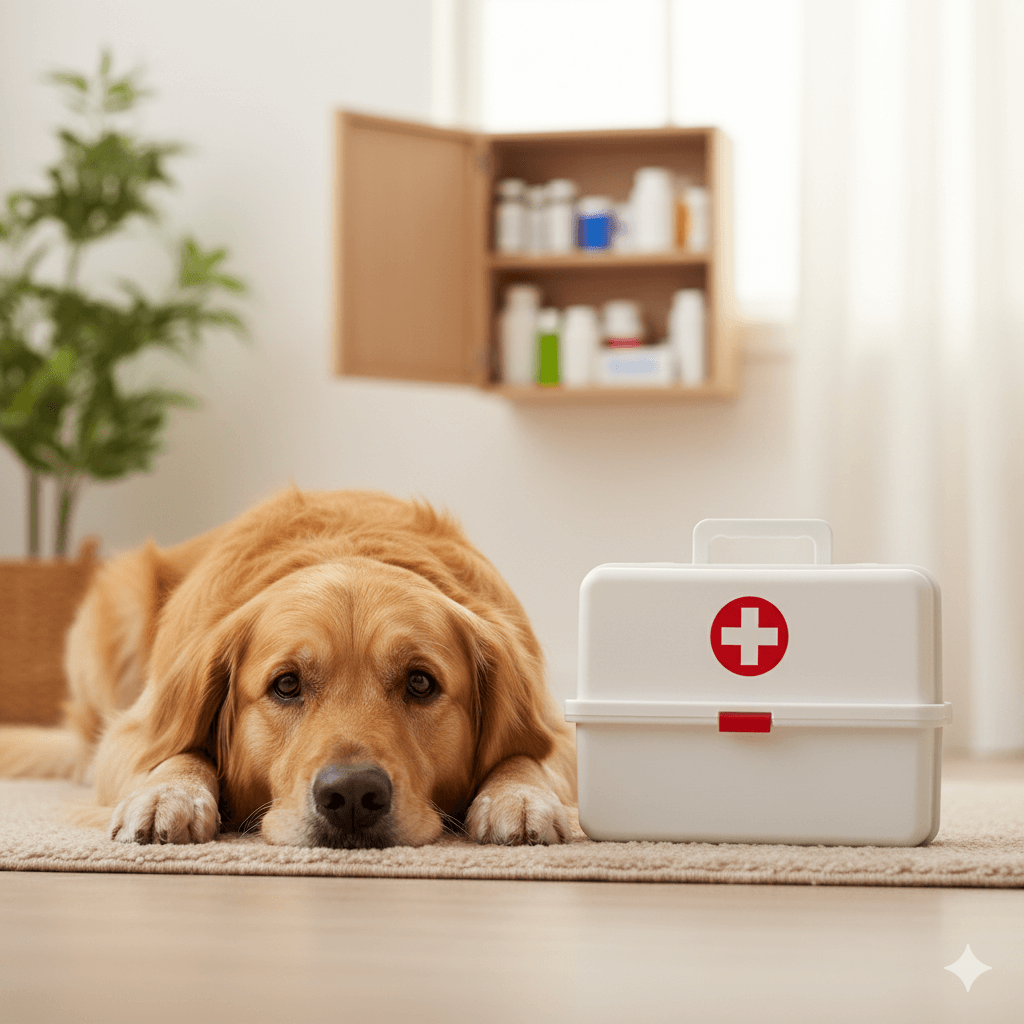
Common Signs of Aleve Toxicity in Dogs
If your dog accidentally ingests Aleve—whether chewed from a pill bottle or offered “to help”—symptoms can appear within 2 to 24 hours. Early recognition is critical for survival. Watch for these alarming changes:
- Vomiting (Sometimes with Blood):
One of the first signs; vomit may look like coffee grounds if stomach ulcers are present. - Lethargy or Collapse:
Your dog may seem unusually weak, unresponsive, or unable to stand due to pain or organ stress. - Loss of Appetite and Dehydration:
Refusing food and water is common, worsening the risk of kidney damage. - Pale or Yellow Gums:
Pale gums suggest anemia from bleeding; yellow gums (jaundice) indicate liver involvement. - Changes in Urination:
Decreased urine output, discolored urine, or complete absence of urination signals kidney crisis.
If you suspect Aleve ingestion—even if your dog seems fine—contact your vet or a pet poison helpline immediately. Time is kidney tissue.
Check this guide 👉What Can I Give My Dog for Swelling? Best 7 Expert Tips!
Check this guide 👉Can I Give My Dog Sudafed? Best 7 Expert Tips!
Check this guide 👉Can You Give a Dog Insulin Without Food? Best 7 Tips!
Safe Pain Management Options | Dangerous Human Medications to Avoid |
|---|---|
Vet-prescribed NSAIDs like carprofen or meloxicam | Aleve (naproxen) – highly toxic even in small doses |
Physical therapy or acupuncture (under vet guidance) | Ibuprofen (Advil) – causes ulcers and kidney failure |
Joint supplements (glucosamine, chondroitin, omega-3s) | Aspirin – risky without precise dosing and monitoring |
Weight management to reduce joint stress | Acetaminophen (Tylenol) – can cause fatal liver damage |
Cold/heat therapy for localized pain relief | Any “leftover” human painkiller – never assume it’s safe |
What to Do If Your Dog Ingests Aleve
Accidental ingestion requires immediate action—do not wait for symptoms to appear. Quick intervention can mean the difference between recovery and tragedy. Follow these steps without delay:
- Call Your Veterinarian or Emergency Clinic:
Provide the exact amount ingested, your dog’s weight, and time of exposure for urgent triage advice. - Contact a Pet Poison Control Center:
In the U.S., reach the ASPCA Animal Poison Control (888-426-4435) or Pet Poison Helpline (855-764-7661)—be ready for a consultation fee. - Do Not Induce Vomiting Unless Instructed:
Some toxins cause more harm coming back up; only induce vomiting if a professional directs you to. - Bring the Medication Bottle:
If you go to the clinic, bring the Aleve packaging—it helps the vet calculate toxicity and plan treatment. - Prepare for Emergency Care:
Treatment may include IV fluids, activated charcoal, stomach protectants, and blood tests to monitor organ function.
Every minute counts—never assume “just one pill” is harmless. Dogs are far more sensitive than humans to NSAID toxicity.
Safe Alternatives for Managing Dog Pain
Pain relief for dogs must be veterinarian-approved, as their bodies respond very differently to medications than ours. Fortunately, safe, effective options exist for both acute and chronic conditions like arthritis:
- Prescription NSAIDs Formulated for Dogs:
Medications like Galliprant, Rimadyl, or Metacam are dosed specifically for canine metabolism and monitored for safety. - Non-Drug Therapies:
Laser therapy, hydrotherapy, or therapeutic massage can reduce inflammation and improve mobility without side effects. - Joint Support Supplements:
High-quality supplements with omega-3 fatty acids, green-lipped mussel, or eggshell membrane help maintain cartilage health. - Weight Control and Diet:
Excess weight worsens joint pain; a vet-recommended diet can ease strain on hips, knees, and spine. - Environmental Modifications:
Ramps, orthopedic beds, and non-slip flooring reduce discomfort and prevent injury during daily activities.
Always work with your vet to create a personalized pain management plan—never self-medicate.
Preventing Accidental Aleve Exposure at Home
Prevention is the best protection. Most Aleve poisonings happen when dogs chew into bottles or are mistakenly given a “half pill” by well-meaning owners. These steps keep your pet safe:
- Store Medications Securely:
Keep all human drugs in high, locked cabinets—not in purses, nightstands, or on countertops. - Never Use Human Meds Without Vet Approval:
Even “natural” or “mild” human remedies can be deadly to dogs—when in doubt, ask your vet first. - Educate All Household Members:
Ensure children, guests, and caregivers know never to give your dog any human medication. - Dispose of Pills Safely:
Use drug take-back programs or sealed disposal bags—don’t toss loose pills in the trash where curious noses might find them. - Use Pet-Specific Medications Only:
If your dog needs pain relief, use only products prescribed or recommended by your veterinarian.
A few simple habits can prevent a catastrophic accident—because your dog’s safety starts with your awareness.
Special Considerations for Senior Dogs and Chronic Pain
Older dogs often suffer from arthritis or degenerative joint disease, making pain management essential—but also riskier due to age-related organ changes. Their reduced kidney and liver function means extra caution is needed:
- Baseline Blood Work Is Crucial:
Before starting any pain med, vets perform blood tests to assess organ health and tailor safe treatment. - Lower Doses and Closer Monitoring:
Senior dogs often need adjusted dosing and more frequent check-ups to catch side effects early. - Multimodal Pain Plans Work Best:
Combining low-dose meds with supplements, physical therapy, and environmental support reduces reliance on drugs alone. - Watch for Subtle Signs of Discomfort:
Reluctance to jump, slower movement, or changes in grooming habits may indicate pain before obvious lameness appears. - Avoid “As-Needed” Human Painkillers:
Even occasional use of Aleve or ibuprofen can accumulate in an older dog’s system, causing delayed toxicity.
For aging dogs, compassion means choosing safe, sustainable relief—not quick fixes that could do more harm than good.
Expert Tips to Keep Your Dog Safe from Human Medications
Preventing accidental poisoning starts with awareness and proactive habits. Since many common household medications—including Aleve—can be deadly to dogs, these expert-recommended strategies help create a safer environment for your pet:
- Store All Medications Out of Reach:
Keep pill bottles, blister packs, and even vitamins in locked cabinets or high shelves—never in purses, gym bags, or bedside drawers where curious paws can access them. - Never Assume “Natural” Means Safe:
Herbal remedies, essential oils, or over-the-counter supplements for humans can still harm dogs; always check with your vet before introducing anything new. - Use Pet-Specific Medications Only:
If your dog needs pain relief, fever control, or anti-inflammatory support, rely solely on veterinary-prescribed options designed for canine physiology. - Educate Everyone in Your Household:
Make sure family members, babysitters, and guests understand that sharing human medication with pets is never safe—even with good intentions. - Act Immediately If Ingestion Occurs:
Keep your vet’s number and a pet poison control hotline saved in your phone; seconds matter in a toxicity emergency—don’t wait for symptoms to appear.
With vigilance and knowledge, you can protect your dog from one of the most preventable—and dangerous—household risks.
“As a good rule of thumb, you should not give your dog any medication that has not been prescribed or recommended by your veterinarian”
Frequently Asked Questions About Aleve and Dogs
Can a tiny piece of Aleve hurt my dog?
Yes—even a fraction of a tablet can cause severe toxicity in small or medium-sized dogs. There is no safe dose without veterinary supervision.
What if my dog ate Aleve an hour ago but seems fine?
Internal damage may already be occurring. Do not wait—contact your vet immediately for emergency guidance.
Are there any human painkillers safe for dogs?
No human NSAID or painkiller is universally safe for dogs. Only use medications specifically approved by your veterinarian.
How long does it take for Aleve to affect a dog?
Symptoms can appear within 2–4 hours, but some effects (like kidney damage) may not show for 24–72 hours—yet are still urgent.
What’s the treatment for Aleve poisoning?
It often includes IV fluids, gastroprotectants, activated charcoal, and hospitalization with blood monitoring for 48–72 hours.
Prioritizing Your Dog’s Safety Over Convenience
It’s heartbreaking to see your dog in pain, and the temptation to reach for a familiar remedy like Aleve is understandable—but that moment of convenience could cost your dog their life. Dogs rely on us to make informed, cautious choices on their behalf. By choosing vet-approved treatments, securing medications out of reach, and responding swiftly to accidents, you honor that trust in the most meaningful way. Remember: true care isn’t about speed—it’s about safety, science, and the loving commitment to do what’s truly best for your loyal companion.

Is Rawhide Bad for Cats? Best 7 Expert Tips! – Discover the risks, safe alternatives, and expert advice to keep your feline friend healthy and happy.

Is Rawhide Bad for Dogs? Best 7 Expert Tips! – Discover the risks, benefits, and safer alternatives to rawhides for your dog’s chewing needs.

Understanding Anorexia in Cats: Best 7 Expert Tips! – Learn why cats stop eating, spot warning signs, and discover how to help your feline regain appetite safely.

Understanding Anorexia in Dogs: Best 7 Expert Tips! – Learn causes, symptoms, and solutions to help your dog regain appetite and stay healthy.