
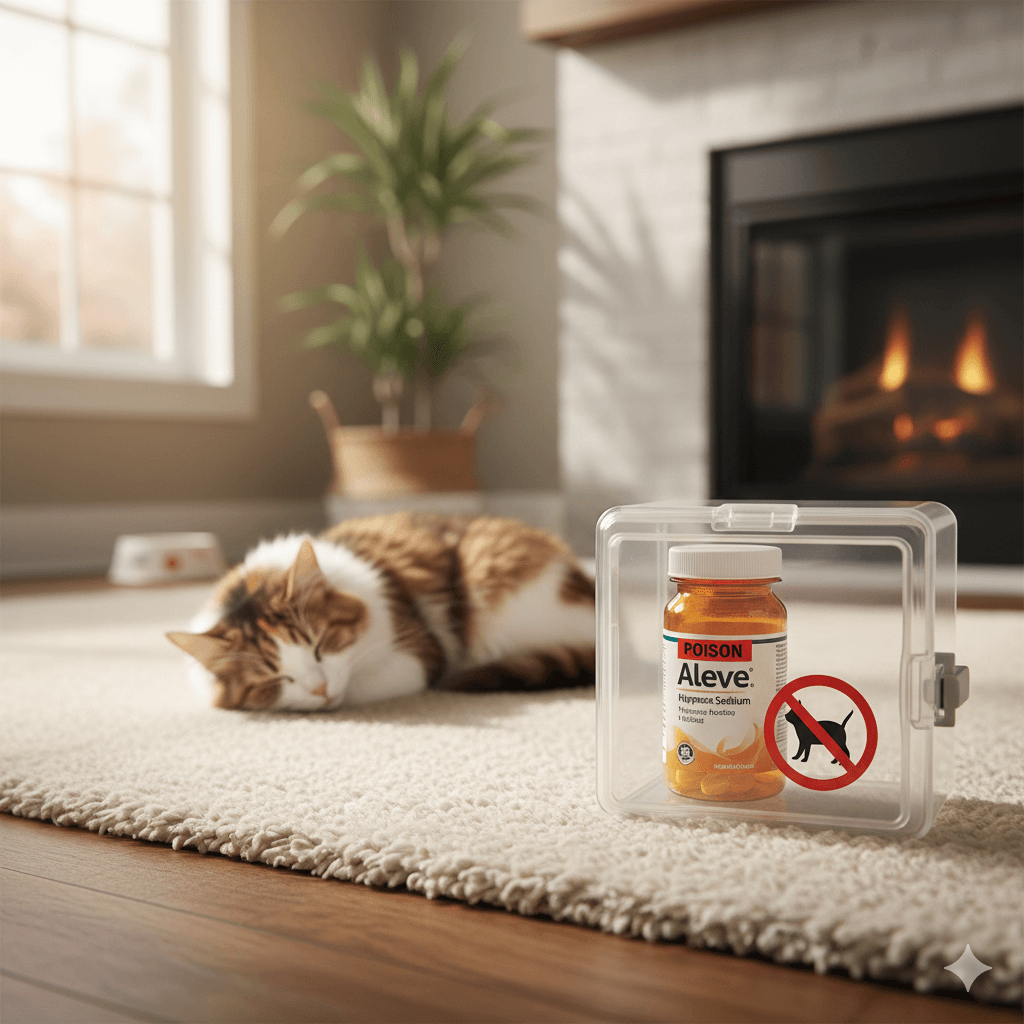

Can You Give Aleve to a Cat
If you’ve ever reached for Aleve to ease your own aches, you might wonder whether it’s safe to share with your cat—but the answer is a firm and urgent no. Aleve (naproxen) is extremely toxic to cats and can cause severe, life-threatening complications even in tiny doses. Unlike humans, cats lack the enzymes needed to safely metabolize nonsteroidal anti-inflammatory drugs (NSAIDs) like naproxen, making them uniquely vulnerable. Even a single pill can lead to kidney failure, stomach ulcers, or internal bleeding. Always consult your veterinarian before giving any medication to your feline friend—what seems like a small act of kindness could become a medical emergency.
Why Aleve Is Dangerous for Cats
Cats process medications very differently than humans or even dogs, and their sensitivity to NSAIDs like Aleve is especially high. The drug stays in their system much longer and causes damage at a cellular level that can escalate quickly. Understanding the biological risks helps underscore why this common pain reliever must never be used in feline care:
- Lack of Metabolic Enzymes:
Cats are deficient in glucuronyl transferase, a liver enzyme essential for breaking down NSAIDs—leading to toxic buildup in the bloodstream. - Rapid Kidney Damage:
Aleve reduces blood flow to the kidneys, which can trigger acute kidney injury within hours, especially in dehydrated or older cats. - Gastrointestinal Ulceration:
The drug irritates the stomach lining, often causing vomiting (sometimes with blood), black tarry stools, or even perforated ulcers. - Delayed Onset of Symptoms:
Signs may not appear immediately, giving a false sense of safety—yet internal damage is already underway. - No Safe Dose Exists:
Unlike some medications that have feline-safe formulations, there is no safe amount of Aleve for cats—even a fraction of a human tablet is dangerous.
Because of these profound risks, Aleve should never be kept within reach of curious paws, and accidental ingestion requires immediate emergency veterinary care.
Signs of Aleve Toxicity in Cats
If your cat has accidentally ingested Aleve—whether by chewing a pill or licking residue—knowing the warning signs could save their life. Symptoms can appear within 4 to 12 hours and worsen rapidly without treatment. Early recognition is critical:
- Vomiting or Retching:
Often the first sign; may contain blood or look like coffee grounds if ulcers have formed. - Lethargy and Weakness:
Your cat may hide, stop responding to calls, or seem unusually limp and uninterested in surroundings. - Loss of Appetite and Dehydration:
Refusing food or water is common, and dry gums or slow skin elasticity signal fluid loss. - Pale or Blue-Tinged Gums:
This indicates poor oxygenation or internal bleeding and is a medical red flag. - Changes in Urination:
Decreased urine output, straining to urinate, or no urine at all suggests kidney shutdown.
If you suspect Aleve exposure—even if your cat seems fine—contact your veterinarian or an animal poison control center immediately. Time is kidney function.
Check this guide 👉What Human Pain Medicine Can I Give My Cat: Best 7 Tips!
Check this guide 👉Can You Give Your Cat Benadryl Every Day? Best 7 Tips!
Check this guide 👉What Can I Give My Cat for Swelling? Best 7 Expert Tips!
Safe Pain Management Options | Dangerous Human Medications to Avoid |
|---|---|
Prescription NSAIDs like meloxicam (at vet-approved doses) | Aleve (naproxen) – never safe |
Buprenorphine for moderate to severe pain | Ibuprofen (Advil) – highly toxic |
Gabapentin for nerve-related discomfort | Aspirin – risky without strict vet guidance |
Cold laser therapy or acupuncture (adjunctive) | Acetaminophen (Tylenol) – deadly |
Environmental modifications (soft bedding, ramps) | Any over-the-counter human painkiller |
What to Do If Your Cat Accidentally Ingests Aleve
Accidental ingestion is a true veterinary emergency. Quick action can mean the difference between recovery and irreversible organ damage. Follow these steps immediately:
- Do Not Induce Vomiting Yourself:
Never give hydrogen peroxide or other emetics—this can worsen internal injuries in cats. - Call Your Vet or Poison Control:
Contact your emergency vet or the ASPCA Animal Poison Control Center (888-426-4435) right away for guidance. - Provide Pill Details:
Note the strength (e.g., 220 mg), how much was ingested, and the time of exposure to help determine urgency. - Go to the Clinic Immediately:
Even if your cat seems okay, blood tests and IV fluids within the first few hours can prevent kidney failure. - Bring the Medication Bottle:
This helps the vet confirm the active ingredient and calculate potential toxicity levels accurately.
Every minute counts—do not wait for symptoms to appear before seeking help.
Safe Alternatives for Managing Cat Pain
If your cat is in pain—from arthritis, dental issues, or post-surgery—there are safe, vet-approved options that won’t risk their life. Never self-prescribe; always work with your veterinarian to create a tailored pain plan:
- Veterinary-Formulated NSAIDs:
Meloxicam is sometimes used in cats at precise, low doses under strict monitoring—but never long-term without supervision. - Opioid Medications:
Buprenorphine is commonly prescribed for acute or post-op pain and is much safer than human OTC drugs. - Non-Drug Therapies:
Warm compresses, orthopedic beds, raised food bowls, or gentle massage can ease discomfort without medication. - Supplements with Caution:
Omega-3 fatty acids or glucosamine may support joint health, but only use products specifically made for cats. - Regular Pain Assessments:
Cats hide pain well; ask your vet to score your cat’s comfort level during check-ups using validated scales.
Effective pain relief exists—but it must be cat-specific, vet-guided, and carefully dosed.
Prevention: Keeping Your Cat Safe from Human Medications
The best treatment for Aleve toxicity is prevention. Simple household habits can eliminate the risk of accidental exposure:
- Store All Medications Securely:
Keep pills—even in childproof bottles—in locked cabinets high off the floor and out of reach. - Never Leave Pills Unattended:
A single dropped tablet on a countertop or floor can be fatal if your cat investigates. - Educate All Household Members:
Ensure family, guests, and caregivers know that no human painkiller is safe for cats. - Use Pet-Specific Labels:
Clearly mark any pet medications to avoid mix-ups with human drugs. - Dispose of Medications Safely:
Don’t flush or toss in open trash—use pharmacy take-back programs to prevent scavenging.
Your vigilance at home is the strongest shield against this common but preventable tragedy.
Special Considerations for Senior Cats and Chronic Pain
Older cats often suffer from osteoarthritis or dental disease, making pain management essential—but also more complex. Their reduced kidney and liver function increases vulnerability to toxins, requiring extra caution:
- Routine Blood Work Is Crucial:
Before any long-term pain med, baseline kidney and liver tests are non-negotiable. - Lower Dosing, Closer Monitoring:
Even approved meds may need reduced doses or longer intervals in seniors. - Multimodal Approach Works Best:
Combine medication with weight management, joint supplements, and environmental comfort for best results. - Watch for Subtle Signs:
Senior cats may stop jumping, groom less, or become irritable—these can all signal hidden pain. - Avoid “Just a Little” Human Meds:
The myth that “a tiny piece won’t hurt” is especially dangerous in aging cats with slower metabolism.
Compassionate pain care for seniors is possible—but only through veterinary partnership, never DIY solutions.
Recognizing Safe Pain Relief Practices for Cats
When your cat is in discomfort, your instinct may be to reach for what works for you—but feline physiology demands a completely different approach. Safe pain management for cats hinges on professional guidance, species-specific medications, and vigilant monitoring. Avoiding human drugs like Aleve is just the first step; true care means understanding what is appropriate and how to use it responsibly:
- Always Consult Your Veterinarian First:
Never administer any medication without a vet’s approval—what’s safe for one cat may be risky for another based on age, weight, or health status. - Use Only FDA-Approved Feline Medications:
Drugs like buprenorphine or low-dose meloxicam (when prescribed) are formulated for cats and monitored for safety. - Follow Dosage Instructions Exactly:
Even a slight overdose of a vet-prescribed NSAID can cause harm—use a proper syringe and never “eyeball” the amount. - Watch for Subtle Behavioral Changes:
Cats in pain may hide, stop grooming, avoid jumping, or become withdrawn—these are cues to call your vet, not to self-treat. - Combine Medication with Comfort Measures:
Soft bedding, warm (not hot) heating pads, quiet spaces, and easy access to food/water support healing alongside medical treatment.
Responsible pain care isn’t about convenience—it’s about respecting your cat’s unique biology and prioritizing their long-term well-being over quick fixes.
“Over-the-counter anti-inflammatory medications including aspirin, acetaminophen (Tylenol), ibuprofen (Advil), and naproxen (Aleve) are toxic to cats. These medications, called NSAIDs, cannot be safely metabolized by cats.”
— Dr. Elaine Wexler-Mitchell
Frequently Asked Questions About Aleve and Cats
Can even a small crumb of Aleve hurt my cat?
Yes. As little as 5–10 mg/kg can cause severe toxicity—and a single 220 mg tablet is fatal for most cats.
What if my cat licked a pill but didn’t swallow it?
Rinse their mouth gently with water and call your vet—residue on the tongue or gums can still be absorbed.
Is there an antidote for Aleve poisoning?
There’s no direct antidote, but prompt IV fluids, gastroprotectants, and supportive care can save lives if started early.
How long does it take for symptoms to appear?
Signs can show within 4–12 hours, but kidney damage may be ongoing even before symptoms are visible.
Are there any OTC pain meds safe for cats?
No. There are zero over-the-counter human pain medications considered safe for cats without veterinary direction.
Protecting Your Cat from Preventable Harm
Giving Aleve to a cat is never safe—and never worth the risk. Their delicate biology simply cannot handle common human pain relievers, and the consequences can be swift and devastating. But with knowledge, caution, and a strong partnership with your veterinarian, you can ensure your cat receives compassionate, effective pain relief when needed—without endangering their life. Your cat trusts you completely; honoring that trust means keeping harmful substances out of reach and always choosing vet-approved care. In the end, the safest painkiller for your cat is your informed, loving judgment.
Is Rawhide Bad for Cats? Best 7 Expert Tips! – Discover the risks, safe alternatives, and expert advice to keep your feline friend healthy and happy.

Is Rawhide Bad for Dogs? Best 7 Expert Tips! – Discover the risks, benefits, and safer alternatives to rawhides for your dog’s chewing needs.

Understanding Anorexia in Cats: Best 7 Expert Tips! – Learn why cats stop eating, spot warning signs, and discover how to help your feline regain appetite safely.

Understanding Anorexia in Dogs: Best 7 Expert Tips! – Learn causes, symptoms, and solutions to help your dog regain appetite and stay healthy.