
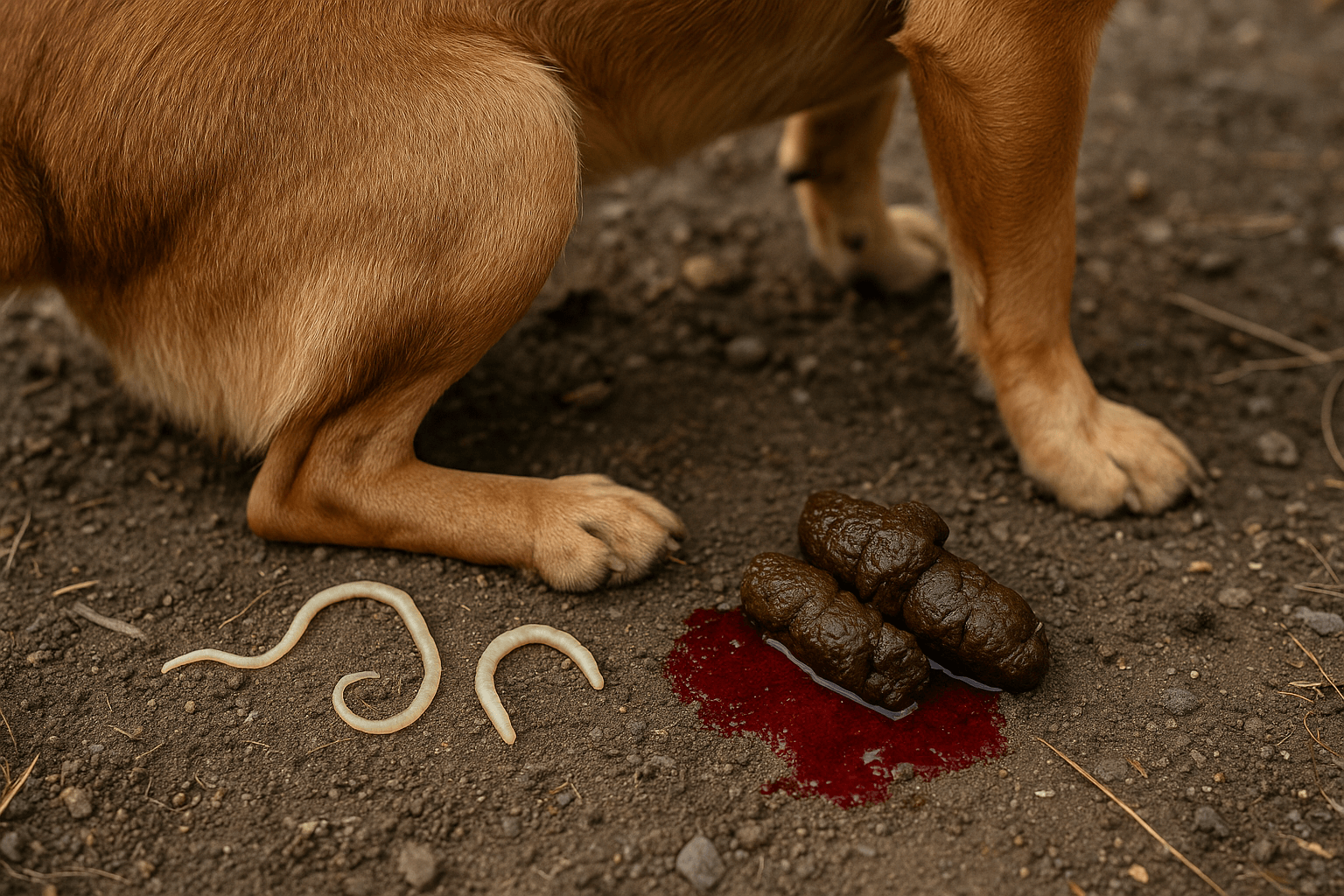

Can Worms Cause Blood in Dog Stool? Best 7 Expert Tips!

Can Worms Cause Blood in Dog Stool? Best 7 Expert Tips!

Can Worms Cause Blood in Dog Stool? Understanding the Link

Seeing blood in your dog’s stool is alarming—no pet owner takes it lightly. While several factors can lead to this symptom, intestinal parasites like worms are a common and often overlooked cause. Understanding how worms affect your dog’s digestive system is essential for early detection, proper treatment, and preventing serious complications. This post explores the connection between worms and bloody stool, identifies red-flag signs, and offers practical guidance to protect your dog’s health.

How Worms Affect Your Dog’s Digestive System

Worms are internal parasites that live in your dog’s intestines, feeding off nutrients or blood and damaging the gut lining in the process. Not all worms cause visible blood, but several types can—and the severity depends on the parasite, infestation level, and your dog’s age or immune status.

 
  • Hookworms burrow into the intestinal wall, feeding on blood and causing inflammation that leads to bloody, tarry stools—especially dangerous in puppies.

  • Whipworms reside in the cecum and colon, irritating delicate tissues and often resulting in bright red blood near the end of the stool or on the surface.

  • Roundworms usually don’t cause bleeding directly, but heavy infestations can lead to intestinal blockage or secondary inflammation that may produce blood.

  • Tapeworms rarely cause bloody stool, though severe cases can trigger irritation or mucus-laden feces that might be mistaken for blood.

  • Protozoan parasites like Giardia or Coccidia (not worms but often grouped with them) can cause bloody diarrhea due to severe intestinal inflammation.


While worms are a frequent culprit, it’s crucial to rule out other causes such as colitis, dietary indiscretion, or foreign body ingestion. A veterinary diagnosis is always necessary—never assume.

Can Worms Cause Blood in Dog Stool? Best 7 Expert Tips!

Common Types of Worms That May Cause Blood in Stool

Not all intestinal parasites behave the same way. Some are silent invaders; others leave unmistakable signs like blood, mucus, or visible segments in feces. Knowing which worms are most likely to cause bleeding helps you act quickly.

 
  • Hookworms are among the most dangerous, especially for young or immunocompromised dogs, due to their blood-feeding behavior.

  • Whipworms are notoriously difficult to detect in routine tests but are a leading cause of chronic bloody diarrhea in adult dogs.

  • Roundworms are common in puppies and may indirectly contribute to blood through secondary gut irritation or vomiting-induced stress.

  • Tapeworms are usually asymptomatic but can cause anal itching, scooting, and—rarely—minor rectal bleeding from irritation.

  • Threadworms (Strongyloides) are less common but can cause hemorrhagic diarrhea in tropical or immunocompromised cases.


Early detection through fecal exams is key. Many worm eggs aren’t shed daily, so multiple tests may be needed for confirmation.

Worm Type Likelihood of Causing Blood in Stool
Hookworms High – feed on blood, cause dark, tarry stools
Whipworms Moderate to High – irritate colon, cause bright red blood
Roundworms Low – usually no blood, but heavy loads cause secondary issues
Tapeworms Very Low – rarely cause bleeding
Giardia / Coccidia Moderate – protozoans cause bloody, mucoid diarrhea

Signs Your Dog May Have Worms Beyond Bloody Stool

Blood in stool is a serious symptom, but it’s rarely the only clue. Dogs with worm infestations often show a cluster of physical and behavioral changes that shouldn’t be ignored.

 
  • Weight loss despite normal or increased appetite can signal nutrient theft by parasites like roundworms or tapeworms.

  • Diarrhea or loose stools with mucus frequently accompany whipworm or Giardia infections.

  • Vomiting, sometimes with visible worms, is common with heavy roundworm loads, especially in puppies.

  • Lethargy or weakness may develop due to anemia from chronic blood loss (e.g., hookworms).

  • Scooting or excessive licking of the anal area often indicates tapeworm segments causing irritation.


If you notice any combination of these signs—especially with blood in feces—schedule a vet visit immediately. Early treatment prevents life-threatening complications like severe anemia or dehydration.


How Worms Are Diagnosed in Dogs

Diagnosing worms isn’t always straightforward. Many parasites shed eggs intermittently, so a single negative fecal test doesn’t rule out infestation. Veterinarians use multiple methods to confirm the presence of worms.

 
  • Fecal flotation test is the most common method, where a stool sample is mixed with solution to float parasite eggs for microscopic identification.

  • Fecal centrifugation increases detection sensitivity by spinning the sample, making it more effective for whipworms and low-level infections.

  • Antigen tests can detect specific proteins from heartworms or Giardia, even when eggs aren’t visible.

  • Visual identification of adult worms in vomit or stool (e.g., spaghetti-like roundworms or rice-like tapeworm segments) provides immediate confirmation.

  • Blood tests may be used if anemia or eosinophilia (high white blood cells) suggests parasitic involvement.


Always bring a fresh stool sample (within 24 hours) to your appointment. It dramatically improves diagnostic accuracy.


Treatment Options for Worm Infestations

Treating worms requires the right dewormer for the specific parasite—and often multiple doses to break the life cycle. Never use over-the-counter remedies without veterinary guidance.

 
  • Broad-spectrum dewormers like fenbendazole or milbemycin oxime effectively treat hookworms, roundworms, and whipworms.

  • Praziquantel is the go-to medication for tapeworms and is often included in combination products.

  • Metronidazole or fenbendazole are used for protozoan infections like Giardia.

  • Supportive care such as fluids, iron supplements, or probiotics may be needed if your dog is dehydrated or anemic.

  • Follow-up fecal exams 2–4 weeks after treatment ensure the worms are fully eliminated and no reinfestation occurred.


Puppies often require deworming every 2–3 weeks until 12 weeks old, regardless of symptoms, due to high exposure risk.


Preventing Worm Infestations in the First Place

Prevention is far easier—and kinder—than treating a full-blown infestation. Consistent, year-round parasite control protects your dog and your family (some worms are zoonotic!).

 
  • Monthly parasite preventatives (oral or topical) that cover intestinal worms, heartworms, and fleas offer comprehensive protection.

  • Prompt feces removal from your yard or litter area reduces environmental contamination and reinfection risk.

  • Avoid letting your dog eat soil, feces, or dead animals, common sources of worm eggs or intermediate hosts like fleas or rodents.

  • Regular veterinary check-ups with annual fecal testing help catch silent infestations early.

  • Keep your dog on a leash in high-risk areas like dog parks, wooded trails, or neighborhoods with stray animals.


Remember: even indoor dogs can get worms—fleas, contaminated shoes, or potting soil can bring parasites inside.

When to See a Veterinarian Immediately

While not every case of bloody stool is an emergency, some scenarios require urgent care to prevent rapid deterioration—especially in puppies, seniors, or immunocompromised dogs.

 
  • Large amounts of bright red or dark, tarry blood can indicate severe internal bleeding or ulceration.

  • Bloody stool combined with vomiting, fever, or collapse suggests systemic infection or toxic exposure.

  • Pale gums or rapid breathing are signs of anemia or shock—common with heavy hookworm infestations.

  • Blood in stool lasting more than 24 hours without improvement warrants professional evaluation.

  • Puppies with bloody diarrhea can dehydrate or become anemic within hours—never wait.


Trust your instincts. If something feels wrong, it probably is. Early intervention saves lives.


Frequently Asked Questions About Worms and Bloody Stool

Can worms cause blood in dog stool?

Yes—especially hookworms and whipworms, which damage the intestinal lining and cause bleeding.

No. Other causes include colitis, bacterial infections, dietary changes, anal gland issues, or even cancer. Always get a vet diagnosis.

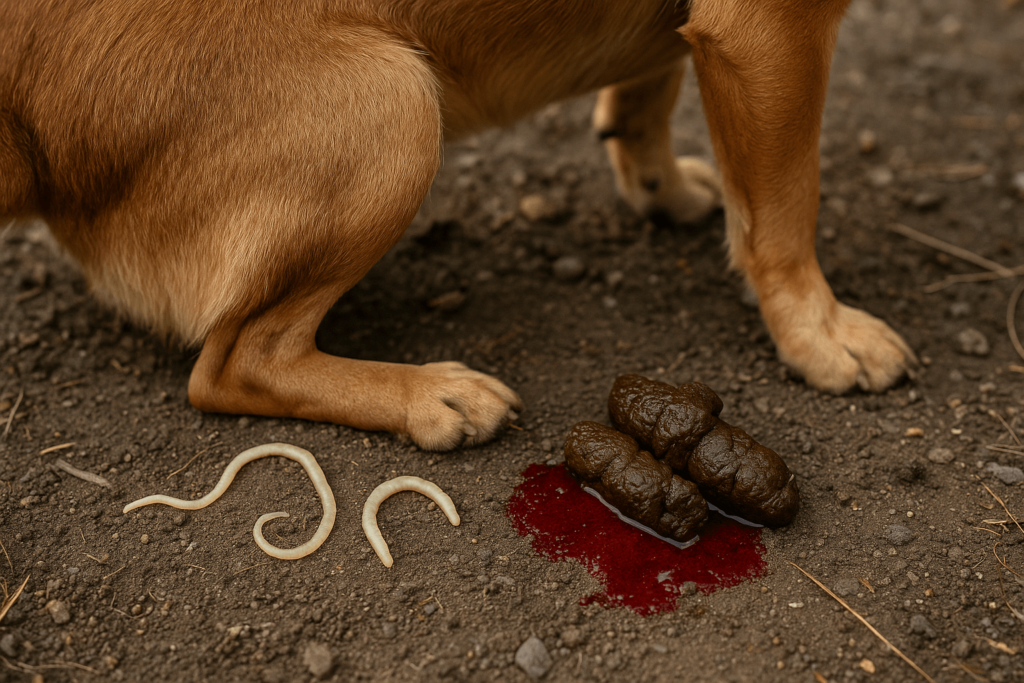
Sometimes. Hookworms and whipworms are tiny and rarely visible, but roundworms look like spaghetti, and tapeworm segments resemble rice grains.

Improvement often begins within 2–3 days, but full resolution may take 1–2 weeks depending on the severity and worm type.

Yes—hookworms and roundworms can infect other animals and even people (especially children). Practice strict hygiene and clean up feces promptly.

Protect Your Dog with Knowledge and Care

Blood in your dog’s stool is never normal—but it’s often treatable when caught early. Worms are a common, preventable cause, and understanding their signs empowers you to act swiftly. With consistent parasite prevention, routine vet care, and attentive observation, you can keep your dog healthy, happy, and free from the hidden dangers of intestinal worms. Your vigilance isn’t just care—it’s protection.

Cat Anaphylactic Shock Treatment Costs: Best 7 Expert Tips!

Cat Anaphylactic Shock Treatment Costs: Best 7 Expert Tips! – Learn about costs, treatments, and financial aid options to save your cat’s life.

Exocrine Pancreatic Insufficiency in Cats: Best 7 Tips!

Exocrine Pancreatic Insufficiency in Cats: Best 7 Tips! – Learn to spot symptoms, manage EPI effectively, and improve your cat’s quality of life with expert advice.

Cost of Dog Anaphylactic Shock Treatment: Best 7 Tips!

Cost of Dog Anaphylactic Shock Treatment: Best 7 Tips! – Learn about emergency costs, financial planning, and ways to manage expenses for your dog’s care.

Exocrine Pancreatic Insufficiency in Dogs: Best 7 Tips!

Exocrine Pancreatic Insufficiency in Dogs: Best 7 Tips! – Learn to spot symptoms, manage EPI effectively, and improve your dog’s quality of life with expert guidance.

Leave a Reply

Your email address will not be published. Required fields are marked *


