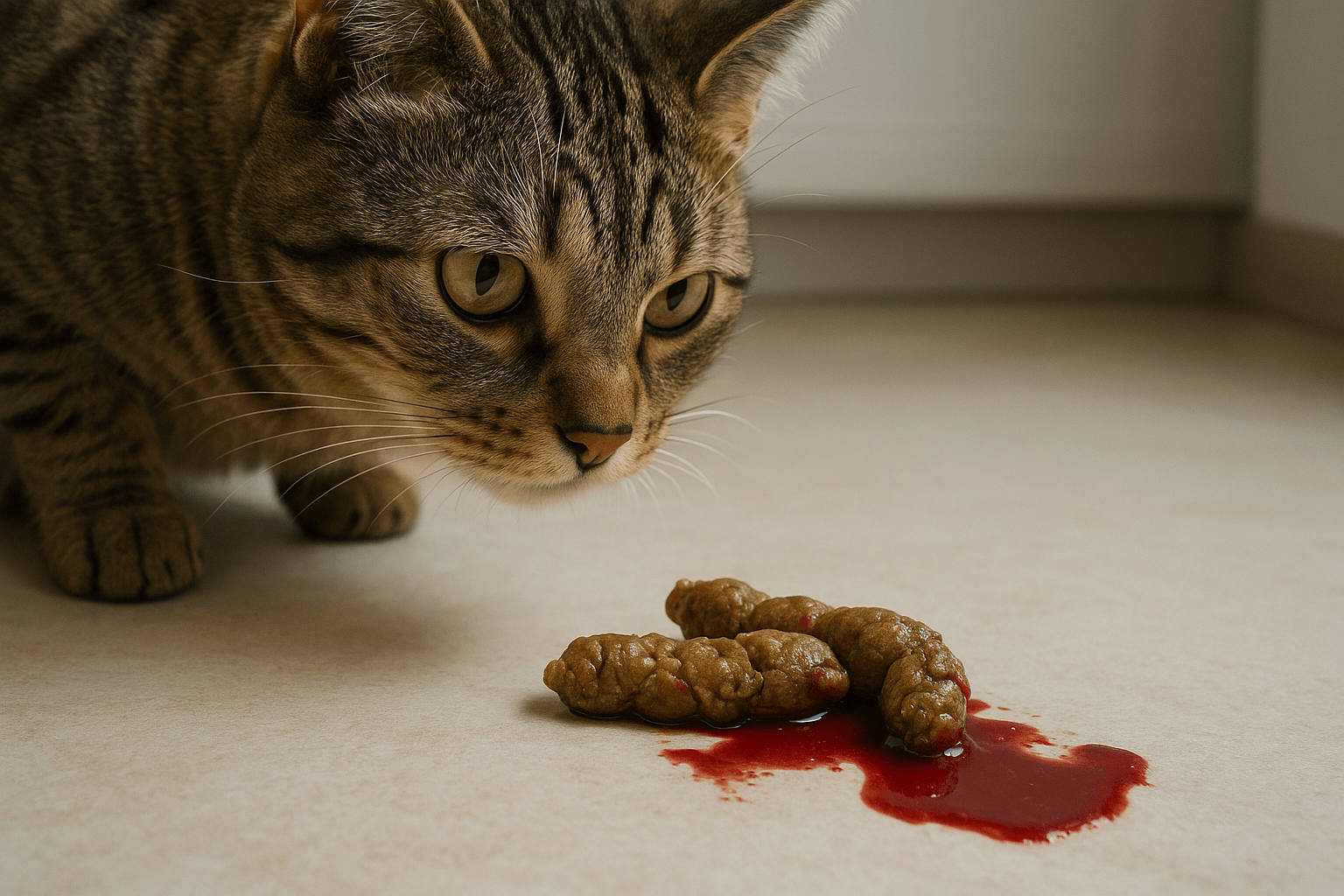

Can Worms Cause Blood in Cat Stool? Best 7 Expert Tips!

Can Worms Cause Blood in Cat Stool? Best 7 Expert Tips!

Can Worms Cause Blood in Cat Stool?

Discovering blood in your cat’s stool is alarming—but it’s not always a sign of a life-threatening emergency. While several conditions can cause this symptom, intestinal parasites like worms are among the most common culprits. Understanding the connection between worms and bloody stool is the first step toward protecting your cat’s health and ensuring prompt, effective treatment.

How Intestinal Worms Affect Your Cat’s Digestive System

Intestinal worms are more than just an inconvenience—they actively disrupt your cat’s gastrointestinal tract. These parasites feed on nutrients, damage the lining of the intestines, and trigger inflammation that can lead to visible bleeding.

 
  • Hookworms attach to the intestinal wall
    These tiny but aggressive parasites latch onto the mucosal lining and feed on blood, often causing dark, tarry stools or bright red blood near the end of defecation.

     
  • Whipworms irritate the colon
    Though less common in cats than dogs, whipworms can inflame the large intestine, resulting in mucus and fresh blood in the feces.

     
  • Roundworms cause physical obstruction
    In heavy infestations, roundworms can block the intestines, leading to straining, inflammation, and occasional streaks of blood from tissue trauma.

     
  • Tapeworms rarely cause bleeding—but complications happen
    While typically non-invasive, severe tapeworm burdens may lead to nutrient deficiencies or secondary infections that indirectly contribute to gastrointestinal distress.

     
  • Larval migration damages tissue
    Some worm larvae (like those of roundworms) travel through the liver or lungs before settling in the gut, causing systemic inflammation that can affect stool quality.


Left untreated, worm infestations compromise your cat’s immune function, weight, and overall vitality. Early recognition of symptoms like blood in stool can prevent serious complications.

Can Worms Cause Blood in Cat Stool? Best 7 Expert Tips!

Common Types of Worms That May Lead to Bloody Stool

Not all worms pose the same risk—but several species commonly found in cats are directly or indirectly linked to bloody feces. Knowing which parasites to watch for helps you respond quickly and accurately.

 
  • Hookworms (Ancylostoma tubaeforme)
    The most likely worm to cause blood in cat stool due to their blood-feeding behavior and destructive attachment to the intestinal lining.

     
  • Roundworms (Toxocara cati)
    While they don’t feed on blood, large numbers can cause intestinal inflammation and minor bleeding from physical irritation.

     
  • Whipworms (Trichuris spp.)
    Rare in cats but possible—especially in outdoor or shelter environments—where they cause colitis-like symptoms with fresh blood.

     
  • Tapeworms (Dipylidium caninum, Taenia taeniaeformis)
    Generally benign, but heavy infestations may lead to malabsorption and secondary digestive upset that mimics bloody stool (often due to mucus or irritation).

     
  • Stomach worms (Ollulanus tricuspis)
    These reside in the stomach and can cause vomiting with blood—sometimes mistaken for bloody diarrhea if vomit is ingested and passed.


Identifying the specific worm type often requires veterinary diagnostics, but recognizing patterns helps narrow possibilities before a clinic visit.

Worm Type Link to Blood in Stool
Hookworms Direct cause—feeds on blood, damages intestinal lining
Roundworms Indirect—mechanical irritation may cause minor bleeding
Whipworms Possible—causes colonic inflammation and fresh blood
Tapeworms Rare—usually no blood, but heavy loads may cause secondary issues
Stomach worms Unlikely in stool—but may cause bloody vomit mistaken for GI bleeding

Other Possible Causes of Blood in Cat Stool (Beyond Worms)

While worms are a frequent cause, blood in your cat’s feces can stem from numerous other conditions. It’s essential not to assume parasites are the only explanation—especially if deworming doesn’t resolve the issue.

 
  • Colitis or inflammatory bowel disease (IBD)
    Chronic gut inflammation often leads to frequent, small bowel movements with bright red blood and mucus.

     
  • Bacterial or viral infections
    Pathogens like Salmonella, Clostridium, or panleukopenia can cause ulceration and bloody diarrhea.

     
  • Dietary indiscretion or food allergies
    Sudden food changes or sensitivities may trigger irritation, leading to red streaks in stool.

     
  • Trauma or foreign body ingestion
    Swallowed string, plastic, or bones can lacerate the GI tract, resulting in bleeding.

     
  • Colon polyps or tumors
    Though more common in older cats, growths in the large intestine can bleed intermittently.


A single episode of blood may not be urgent, but persistent or worsening signs demand veterinary evaluation to rule out serious illness.

Signs That Suggest a Worm Infestation in Cats

Worms don’t always show obvious symptoms—but certain clues can point to a parasitic infection, especially when blood appears in stool.

 
  • Visible worms or segments in feces or fur
    Tapeworm segments look like moving rice grains; roundworms resemble spaghetti.

     
  • Weight loss despite normal appetite
    Parasites steal nutrients, leading to muscle wasting and poor coat condition.

     
  • Vomiting or diarrhea
    Frequent digestive upset, sometimes with mucus or blood, signals intestinal distress.

     
  • Lethargy or weakness
    Chronic blood loss from hookworms can cause anemia, making your cat unusually tired or pale.

     
  • Scooting or excessive licking of the rear
    Irritation from worms (especially tapeworms) may cause your cat to drag its bottom or groom intensely.


If you notice any of these alongside blood in stool, a fecal exam is strongly recommended.

How Vets Diagnose Worms and Other Causes of Bloody Stool

Accurate diagnosis is key to effective treatment. Veterinarians use a combination of tools to determine whether worms—or something else—are responsible.

 
  • Fecal flotation test
    The most common method—examines stool under a microscope for worm eggs or larvae.

     
  • Fecal smear or PCR testing
    Detects protozoa (like Giardia or Coccidia) or bacterial infections that mimic worm symptoms.

     
  • Blood work
    Checks for anemia (common with hookworms) or signs of systemic infection.

     
  • Imaging (X-ray or ultrasound)
    Used if a foreign body, tumor, or severe obstruction is suspected.

     
  • Deworming trial
    In some cases, vets may prescribe a broad-spectrum dewormer as a diagnostic and therapeutic step.


Never attempt to self-diagnose or treat with over-the-counter wormers—they may be ineffective or even harmful if the wrong parasite is targeted.

Safe and Effective Treatment Options for Worm Infestations

If worms are confirmed, treatment is usually straightforward—but must be tailored to the specific parasite and your cat’s condition.

 
  • Prescription dewormers (anthelmintics)
    Medications like fenbendazole, praziquantel, or milbemycin oxime target specific worms safely and effectively.

     
  • Repeat dosing schedules
    Many dewormers require follow-up doses 2–4 weeks apart to kill newly matured larvae.

     
  • Supportive care for anemia
    Severely affected cats may need iron supplements or, in rare cases, blood transfusions.

     
  • Environmental cleaning
    Wash bedding, vacuum thoroughly, and dispose of feces promptly to prevent reinfestation.

     
  • Flea control (for tapeworm prevention)
    Since fleas transmit tapeworms, ongoing flea prevention is essential even after deworming.


Always complete the full treatment course—even if stool looks normal— to ensure complete parasite elimination.

Preventing Worm Infections and Protecting Your Cat Long-Term

Prevention is far easier than treatment. With consistent habits, you can drastically reduce your cat’s risk of worm-related issues like bloody stool.

 
  • Monthly parasite preventatives
    Many topical or oral products protect against roundworms, hookworms, and even heartworms.

     
  • Regular fecal exams (1–2 times per year)
    Even indoor cats can harbor parasites—routine checks catch infestations early.

     
  • Keep your cat indoors
    Outdoor cats are at far higher risk of exposure to infected soil, prey, or feces.

     
  • Avoid feeding raw meat
    Raw diets increase the risk of tapeworms and other parasites unless meticulously sourced and handled.

     
  • Practice good hygiene
    Wash hands after handling litter, and keep children away from contaminated areas.


Proactive care not only prevents worms—it safeguards your entire household, as some feline parasites can infect humans.


Frequently Asked Questions About Worms and Blood in Cat Stool

Can worms cause blood in cat stool?

Yes—especially hookworms, which feed on blood and damage the intestinal lining, leading to visible bleeding.

Not always. A single small streak may resolve on its own, but repeated, large amounts, or blood with lethargy/vomiting require immediate vet care.

Yes. Fleas, contaminated soil on shoes, or even infected rodents brought inside can expose indoor cats to parasites.

Improvement often occurs within 3–5 days, but full resolution may take 1–2 weeks, depending on worm burden and intestinal healing.

Many lack potency or target only specific worms. Prescription options from your vet are safer, broader-spectrum, and more reliable.

Trust Your Instincts—Act Early for Your Cat’s Health

Blood in your cat’s stool is a signal—not a sentence. While worms are a common and treatable cause, they’re part of a broader picture that demands attention, not panic. By observing your cat closely, seeking timely veterinary care, and committing to prevention, you protect not just their digestive health but their entire quality of life. Remember: a single red streak could be nothing—or it could be the first clue to a problem only you can solve. When in doubt, always consult your vet. Your cat is counting on you.

Understanding Bone Supplement for Cats: Best 7 Expert Tips!

Understanding Bone Supplement for Cats: Best 7 Expert Tips! – Safe, vet-approved guidance for strong feline bones & balanced nutrition.

Bone Supplement for Dogs: Best 7 Expert Tips!

Bone Supplement for Dogs: Best 7 Expert Tips! – Expert guide to calcium, collagen & bone health for every life stage.

Understanding Can Cats Get Sunburn: Best 7 Expert Tips!

Understanding Can Cats Get Sunburn: Best 7 Expert Tips! – Protect your feline from UV damage with vet-backed prevention strategies.

How to Train a Seizure Alert Dog: Best 7 Expert Tips!

How to Train a Seizure Alert Dog: Best 7 Expert Tips! – Learn expert-backed steps to nurture natural instincts into reliable, life-saving seizure alerts.

Leave a Reply

Your email address will not be published. Required fields are marked *