
Can Too Much CBD Kill a Dog?
While CBD is often praised for its potential health benefits in dogs, excessive consumption can pose serious risks. Understanding the fine line between safe use and overdose is crucial to ensuring your pet’s safety. By learning about dosage guidelines and recognizing warning signs, you can prevent potentially life-threatening situations.
How CBD Affects Dogs: Understanding the Basics
CBD, or cannabidiol, has gained popularity as a natural supplement for dogs, offering potential benefits like anxiety relief and pain management. However, while it’s generally considered safe when used correctly, improper dosing or low-quality products can lead to adverse effects. Understanding how CBD interacts with your dog’s body is essential to ensure safe usage and avoid complications.
- Interaction with the Endocannabinoid System:
CBD interacts with the endocannabinoid system (ECS), which regulates mood, pain, and immune responses. While this interaction is beneficial in moderation, excessive CBD can overwhelm the ECS, leading to imbalances. - Potential Benefits of Proper CBD Use:
When administered correctly, CBD may reduce anxiety, alleviate joint pain, and improve appetite in dogs. These benefits make it appealing, but they don’t eliminate the risks of misuse. - Differences Between THC and CBD:
Unlike THC, CBD is non-psychoactive and doesn’t cause a “high.” However, some CBD products may contain trace amounts of THC, which can be toxic to dogs in large quantities. - Quality Matters:
Low-quality CBD products may contain harmful additives, pesticides, or incorrect CBD concentrations, increasing the risk of overdose. Always choose lab-tested, pet-safe options. - Metabolism Variability Among Dogs:
Each dog metabolizes CBD differently based on size, breed, and health conditions. This variability means that what’s safe for one dog might harm another, emphasizing the need for caution.
Understanding these factors ensures you use CBD responsibly and minimize risks while maximizing its potential benefits for your furry friend.
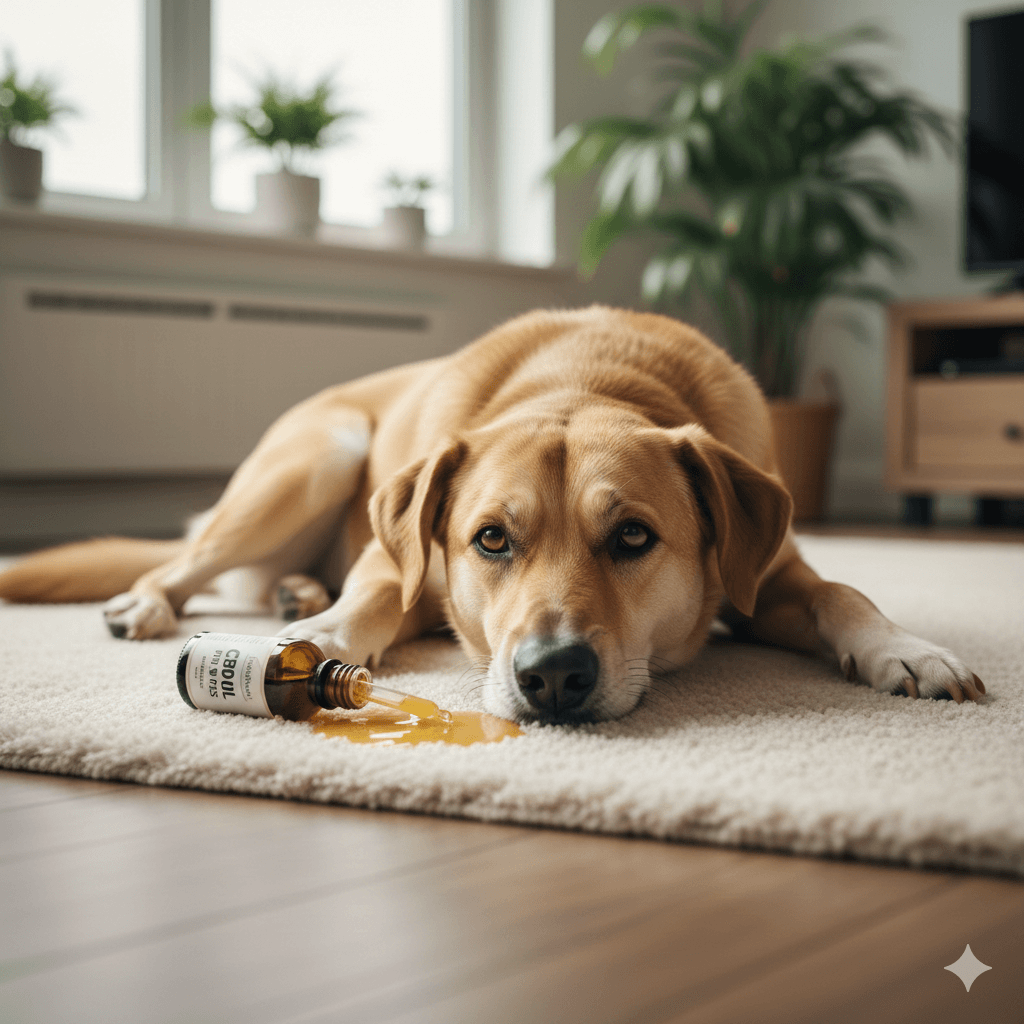
Symptoms of CBD Overdose in Dogs
While CBD toxicity is rare, overdosing can occur if your dog ingests too much or consumes a contaminated product. Recognizing the symptoms early allows you to respond quickly and prevent further complications.
- Lethargy and Weakness:
Excessive CBD can cause extreme drowsiness or lethargy, making your dog appear unusually tired or unresponsive to stimuli. - Gastrointestinal Upset:
Vomiting and diarrhea are common signs of CBD overdose, often accompanied by loss of appetite due to stomach irritation. - Ataxia or Loss of Coordination:
High doses of CBD may impair motor skills, causing stumbling, wobbling, or difficulty walking—a condition known as ataxia. - Increased Heart Rate or Hypertension:
In rare cases, CBD overdose can elevate heart rate or blood pressure, leading to panting, restlessness, or visible distress. - Seizures or Tremors:
Although uncommon, extremely high doses of CBD or products containing THC can trigger seizures or muscle tremors, requiring immediate veterinary attention.
If your dog exhibits any of these symptoms after CBD ingestion, contact your vet immediately for guidance and treatment options.
Check this guide 👉CBD Oil for Dog Arthritis: Best 7 Expert Tips!
Check this guide 👉How Much CBD Oil Should I Give My Dog? Best 7 Expert Tips!
Check this guide 👉How Long Does CBD Last in a Dog? Best 7 Health Tips!
| Signs of CBD Overdose | Immediate Actions to Take |
|---|---|
| Lethargy or extreme drowsiness | Monitor activity levels and contact your vet. |
| Vomiting or diarrhea | Offer fresh water and avoid feeding until symptoms subside. |
| Loss of coordination or ataxia | Keep your dog calm and restrict movement to prevent injury. |
| Seizures or tremors | Seek emergency veterinary care immediately. |
| Increased heart rate or panting | Provide a cool, quiet space and consult your vet promptly. |
Factors That Influence CBD Toxicity in Dogs
Several factors determine whether CBD will harm your dog, including dosage, product quality, and individual sensitivity. Understanding these variables helps you assess risks and make informed decisions about CBD use.
- Dosage Levels:
The amount of CBD consumed plays a critical role—small doses are generally safe, but exceeding recommended limits increases toxicity risks significantly. - Dog’s Size and Weight:
Smaller dogs are more vulnerable to CBD toxicity due to their lower body mass, requiring careful dose adjustments based on weight. - Product Purity and Ingredients:
Contaminated or poorly formulated CBD products may contain harmful substances like xylitol, alcohol, or heavy metals, amplifying toxicity risks. - Underlying Health Conditions:
Dogs with liver or kidney issues may struggle to metabolize CBD properly, leading to prolonged exposure and heightened side effects. - Frequency of Use:
Repeated daily use without proper breaks can accumulate CBD in your dog’s system, increasing the likelihood of adverse reactions over time.
By considering these factors, you can tailor CBD use to your dog’s unique needs and minimize the chances of accidental overdose.
Safe Dosage Guidelines for CBD in Dogs
Administering the correct CBD dosage is crucial to ensuring safety and effectiveness. Overdosing can lead to severe complications, so following guidelines carefully is essential.
- Start Low and Go Slow:
Begin with the lowest possible dose and gradually increase it under veterinary supervision to find the optimal amount for your dog. - Weight-Based Calculations:
Most experts recommend 0.25 mg of CBD per pound of body weight as a starting point, adjusting based on response and tolerance. - Consult Your Veterinarian:
Always seek professional advice before introducing CBD, especially if your dog takes other medications or has preexisting conditions. - Avoid Human CBD Products:
Human formulas often contain higher concentrations or additives unsafe for dogs; stick to pet-specific CBD products instead. - Monitor for Side Effects:
Observe your dog closely after administration, watching for signs of discomfort or adverse reactions that indicate improper dosing.
Adhering to these guidelines ensures your dog receives the therapeutic benefits of CBD without risking toxicity or harm.
Risks of Using Unregulated CBD Products
The growing popularity of CBD has led to a flood of unregulated products on the market, many of which pose significant risks to pets. Understanding these dangers helps you make safer choices for your dog.
- Inconsistent Potency:
Unregulated products may contain inaccurate CBD concentrations, leading to accidental overdoses or ineffective dosing. - Presence of Harmful Additives:
Some products include ingredients like xylitol, alcohol, or artificial flavors, which are toxic to dogs and can exacerbate health issues. - THC Contamination:
Poorly processed CBD oils may contain higher-than-allowed THC levels, increasing the risk of poisoning and severe side effects. - Lack of Third-Party Testing:
Without independent lab testing, there’s no guarantee of purity, safety, or accurate labeling, putting your dog at risk. - Misleading Marketing Claims:
Many companies exaggerate benefits or downplay risks, misleading pet owners into using unsafe products without proper precautions.
Choosing reputable, lab-tested CBD brands ensures your dog’s safety and protects against unnecessary risks.
Long-Term Effects of CBD Use in Dogs
While short-term CBD use is generally safe, long-term or excessive consumption can have lasting impacts on your dog’s health. Monitoring these effects helps you make informed decisions about ongoing supplementation.
- Liver Enzyme Changes:
Prolonged CBD use may alter liver enzyme levels, indicating stress on the liver and necessitating regular blood work to monitor function. - Immune System Suppression:
Over time, excessive CBD may suppress immune responses, making dogs more susceptible to infections or illnesses. - Dependency or Tolerance Development:
Some dogs may develop a tolerance to CBD, requiring higher doses for the same effect, which increases toxicity risks. - Behavioral Changes:
Long-term use can sometimes lead to subtle behavioral shifts, such as increased lethargy or irritability, warranting reevaluation of dosage. - Impact on Kidney Function:
In rare cases, extended CBD use may strain the kidneys, particularly in dogs with preexisting renal conditions.
Balancing the benefits and risks of long-term CBD use ensures your dog’s well-being and minimizes potential complications.
Preventing CBD Overdose in Dogs
Preventing CBD overdose starts with education and proactive measures. By taking steps to safeguard your dog, you can enjoy the benefits of CBD without compromising their health.
- Secure CBD Products Safely:
Store CBD oils, treats, or capsules out of reach to prevent accidental ingestion or overconsumption by curious pets. - Educate Family Members:
Ensure everyone in your household understands proper CBD usage and avoids giving extra doses without consulting you first. - Use Only Pet-Specific Formulas:
Stick to CBD products specifically designed for dogs, avoiding human formulations or homemade alternatives. - Keep Emergency Contacts Handy:
Save your vet’s number and local animal poison control hotline in case of accidental overdose or adverse reactions. - Regularly Review Dosage Needs:
Reassess your dog’s CBD dosage periodically, adjusting based on changes in weight, health, or response to treatment.
These preventive measures create a safer environment for your dog and provide peace of mind when using CBD as part of their care routine.
“CBD has a wider margin of safety than THC and is less likely to cause poisoning, in part because it is not psychoactive.”
-Renee Schmid, DVM, DABT, DABVT
Frequently Asked Questions About CBD Use in Dogs
Can CBD really kill a dog?
While rare, excessive CBD or contaminated products can lead to life-threatening complications like seizures or organ failure—proper dosing is key.
How much CBD is safe for my dog?
A general guideline is 0.25 mg per pound of body weight, but consult your vet for tailored recommendations based on your dog’s health and size.
What should I do if my dog overdoses on CBD?
Contact your vet or an animal poison control hotline immediately; monitor symptoms closely and avoid inducing vomiting without professional advice.
Are there any long-term risks of CBD use in dogs?
Prolonged use may affect liver or kidney function, suppress immunity, or cause dependency—regular vet check-ups are essential for monitoring.
Can CBD interact with my dog’s medications?
Yes, CBD can interact with certain medications, especially those metabolized by the liver; always inform your vet before starting CBD supplementation.
A Lifeline in Every Moment of Uncertainty
Understanding the potential risks of CBD empowers you to make informed decisions about your dog’s health and well-being. While CBD offers promising benefits, responsible usage ensures safety and minimizes the chances of adverse effects. By educating yourself, consulting professionals, and choosing high-quality products, you can provide your dog with the care they deserve. Remember, your vigilance and dedication are the ultimate safeguards against accidental harm—and the foundation of a trusting, lifelong bond.

Is Rawhide Bad for Cats? Best 7 Expert Tips! – Discover the risks, safe alternatives, and expert advice to keep your feline friend healthy and happy.

Is Rawhide Bad for Dogs? Best 7 Expert Tips! – Discover the risks, benefits, and safer alternatives to rawhides for your dog’s chewing needs.

Understanding Anorexia in Cats: Best 7 Expert Tips! – Learn why cats stop eating, spot warning signs, and discover how to help your feline regain appetite safely.

Understanding Anorexia in Dogs: Best 7 Expert Tips! – Learn causes, symptoms, and solutions to help your dog regain appetite and stay healthy.