



Can I Take My Dog to Spain? A Complete Guide for Traveling with Your Pet
Traveling to Spain with your dog can be an exciting adventure, but it requires careful planning and preparation. Whether you’re moving permanently, going on vacation, or simply visiting for a short trip, understanding the rules and requirements is essential to ensure a smooth journey for both you and your furry companion. Spain is a pet-friendly country, but there are specific regulations regarding vaccinations, documentation, and transportation that must be followed. In this blog post, we’ll explore everything you need to know about taking your dog to Spain, from legal requirements to practical tips for making the trip enjoyable. By the end, you’ll feel confident and ready to embark on your Spanish adventure with your four-legged friend by your side.
Key Requirements for Taking Your Dog to Spain
Before you pack your bags and head to Spain with your dog, it’s crucial to understand the legal requirements and paperwork involved. These regulations ensure your pet’s safety and compliance with Spain’s animal import laws. Here’s what you need to prepare:
Microchip Identification: Your dog must have a microchip implanted before any vaccinations or travel documents are issued.
Rabies Vaccination: Ensure your dog’s rabies vaccination is up-to-date and administered at least 21 days before travel.
Pet Passport or Health Certificate: Obtain an EU Pet Passport (if traveling from within the EU) or a veterinary health certificate (for non-EU travelers).
Tick and Tapeworm Treatment: For dogs traveling from certain countries, a tapeworm treatment is mandatory 1-5 days before arrival in Spain.
Airline-Specific Regulations: Check with your airline for additional requirements, such as crate size and boarding procedures.
Meeting these requirements ensures a hassle-free journey and avoids delays or complications at customs. Always double-check the latest regulations before traveling, as they may change periodically.
Tips for Preparing Your Dog for the Trip
Preparing your dog for the journey to Spain involves more than just gathering paperwork. Ensuring their comfort, safety, and well-being during travel is equally important. Here are some practical tips to help you get your dog ready for the big trip:
Visit the Vet: Schedule a pre-travel check-up to confirm your dog is healthy enough for travel and to address any concerns.
Introduce Them to Their Crate: If flying, acclimate your dog to their travel crate by letting them spend time in it with treats and toys.
Pack Essentials: Bring food, water, bowls, a leash, waste bags, and familiar items like blankets or toys to reduce stress.
Adjust Feeding Times: Avoid feeding your dog large meals right before travel to prevent nausea during the journey.
Plan Rest Stops: If driving, schedule regular breaks for bathroom stops and exercise to keep your dog comfortable.
By preparing your dog physically and emotionally, you can make the trip less stressful and more enjoyable for everyone involved. A little effort goes a long way in ensuring a smooth experience.
Check this guide 👉Can I Take My Dog on a Train? Best 7 Tips!
Check this guide 👉Top 5 Essential Dog Carriers for Safe & Comfortable Travel!
Check this guide 👉Dog Boarding Cost: Top 7 Best Tips for Traveling!
Pre-Travel Checklist | Why It’s Important |
|---|---|
Microchip and Rabies Vaccination | Required for entry into Spain |
Pet Passport or Health Certificate | Ensures compliance with legal regulations |
Tick and Tapeworm Treatment | Prevents disease transmission |
Familiar Items (Toys, Blankets) | Reduces anxiety during travel |
Airline or Transport Requirements | Avoids issues during transit |
Things to Know About Traveling Within Spain
Once you’ve arrived in Spain, there are several things to consider to ensure your dog’s comfort and happiness while exploring the country. From pet-friendly accommodations to local laws, here’s what you need to know:
Pet-Friendly Accommodations: Many hotels, vacation rentals, and resorts in Spain welcome pets, but it’s best to confirm policies in advance.
Public Transportation Rules: Some forms of public transport, like trains and buses, allow small dogs or require muzzles for larger ones.
Beach Access: While many beaches are pet-friendly, seasonal restrictions may apply, so check local regulations before heading out.
Local Veterinarians: Research nearby vet clinics in case of emergencies or routine care during your stay.
Spanish Dog Laws: Familiarize yourself with local leash laws and waste disposal requirements to avoid fines or misunderstandings.
By staying informed and prepared, you can enjoy your time in Spain without worrying about unexpected challenges. Planning ahead ensures a seamless experience for you and your dog.
Common Challenges and How to Overcome Them
Traveling with your dog to Spain can present certain challenges, but with proper planning, most obstacles can be overcome easily. Here are some common issues and solutions to keep in mind:
Anxiety During Travel: Use calming sprays or supplements designed for pets to ease travel-related stress.
Language Barriers: Learn basic Spanish phrases related to pet care, such as “Does this hotel allow pets?” or “Where is the nearest vet?”
Temperature Concerns: Be mindful of extreme heat or cold, especially during summer months, and provide adequate hydration and shade.
Finding Pet Supplies: Locate pet stores or pharmacies in advance to stock up on essentials like food or medications.
Dealing with Emergencies: Keep a list of emergency contacts, including local vets and animal hospitals, handy at all times.
Anticipating potential challenges allows you to address them proactively, ensuring a smoother and more enjoyable trip for both you and your dog.
Best Practices for Air Travel with Your Dog
If you’re flying to Spain with your dog, it’s essential to follow best practices to ensure their safety and comfort during the flight. Air travel can be stressful for pets, but with careful planning, you can minimize potential issues. Here are some tips to keep in mind:
Choose a Pet-Friendly Airline: Research airlines that have clear policies and good reputations for transporting pets safely.
Book Direct Flights: Minimize stress by avoiding layovers and choosing a direct route whenever possible.
Use an Approved Travel Crate: Ensure the crate is IATA-approved, well-ventilated, and large enough for your dog to stand and turn around comfortably.
Label the Crate Clearly: Attach your contact information and a “Live Animal” label to the crate for easy identification.
Feed Lightly Before the Flight: Offer a small meal a few hours before departure to prevent nausea without leaving your dog hungry.
By following these practices, you can make air travel as smooth and comfortable as possible for your dog. A stress-free flight sets the tone for a great trip.
Exploring Spain with Your Dog
Spain offers a variety of pet-friendly destinations and activities that you and your dog can enjoy together. From vibrant cities to serene countryside, there’s something for every dog owner to explore. Here are some ideas for making the most of your time in Spain:
Visit Dog-Friendly Parks: Many cities, like Madrid and Barcelona, have parks where dogs can roam off-leash or socialize with other pets.
Explore Coastal Towns: Towns like Sitges and Cádiz are known for their welcoming attitude toward dogs and beautiful coastal views.
Try Outdoor Cafés: Many outdoor cafés allow dogs, so you can relax with a coffee while your pup rests by your feet.
Hike in Nature Reserves: Spain’s natural parks, such as Sierra de Guadarrama, offer scenic trails perfect for active dogs and their owners.
Attend Pet-Friendly Events: Look for local festivals or markets that welcome dogs, allowing you to immerse yourself in Spanish culture together.
Exploring Spain with your dog not only strengthens your bond but also creates lasting memories. With so many pet-friendly options, you’ll never run out of adventures to share.
Signs Your Dog is Stressed During Travel
Traveling can be overwhelming for some dogs, and recognizing signs of stress early can help you address any issues promptly. Dogs communicate discomfort through subtle cues, so it’s important to stay observant. Here’s what to look for:
Excessive Panting: If your dog is panting heavily without physical exertion, it may indicate anxiety or overheating.
Whining or Barking: Vocalizations can signal distress or a need for attention during travel.
Pacing or Restlessness: Constant movement or inability to settle down suggests your dog is feeling uneasy.
Refusal to Eat or Drink: Loss of appetite is a common sign of stress in unfamiliar environments.
Trembling or Shaking: Physical trembling often indicates fear or discomfort during travel.
By identifying these signs early, you can take steps to comfort your dog and reduce their stress levels. Ensuring your dog feels safe and secure is key to a successful trip.
Frequently Asked Questions About Taking Your Dog to Spain
Do I need a pet passport to take my dog to Spain?
If you’re traveling from within the EU, yes. For non-EU travelers, a veterinary health certificate is required instead.
Are there quarantine requirements for dogs entering Spain?
No, as long as all documentation and health requirements are met, there is no quarantine period.
Can I bring my dog to Spanish beaches?
Many beaches are pet-friendly, but seasonal restrictions may apply, so always check local rules.
What should I do if my dog gets sick in Spain?
Contact a local veterinarian immediately and have your pet’s medical records on hand for reference.
How do I find pet-friendly accommodations in Spain?
Search online platforms or contact hotels directly to confirm their pet policies before booking.
In Conclusion: Enjoying Spain with Your Dog
Taking your dog to Spain is entirely possible with the right preparation and mindset. From ensuring compliance with legal requirements to packing thoughtfully and planning activities, every step contributes to a memorable and stress-free trip. Spain offers countless opportunities for you and your dog to explore together, from scenic walks along pet-friendly beaches to cozy stays in welcoming accommodations. By following the tips and advice outlined in this guide, you can create unforgettable experiences while keeping your furry companion safe and happy. So pack your bags, grab your dog’s leash, and get ready to embark on an incredible adventure in sunny Spain!
Can I Give My Cat Midol? Best 7 Expert Tips! – Learn the risks, symptoms, and safe alternatives to keep your cat healthy and avoid toxic reactions.
Can I Give My Dog Midol? Best 7 Expert Tips! – Discover the risks, safe alternatives, and expert advice to keep your dog safe from accidental poisoning.
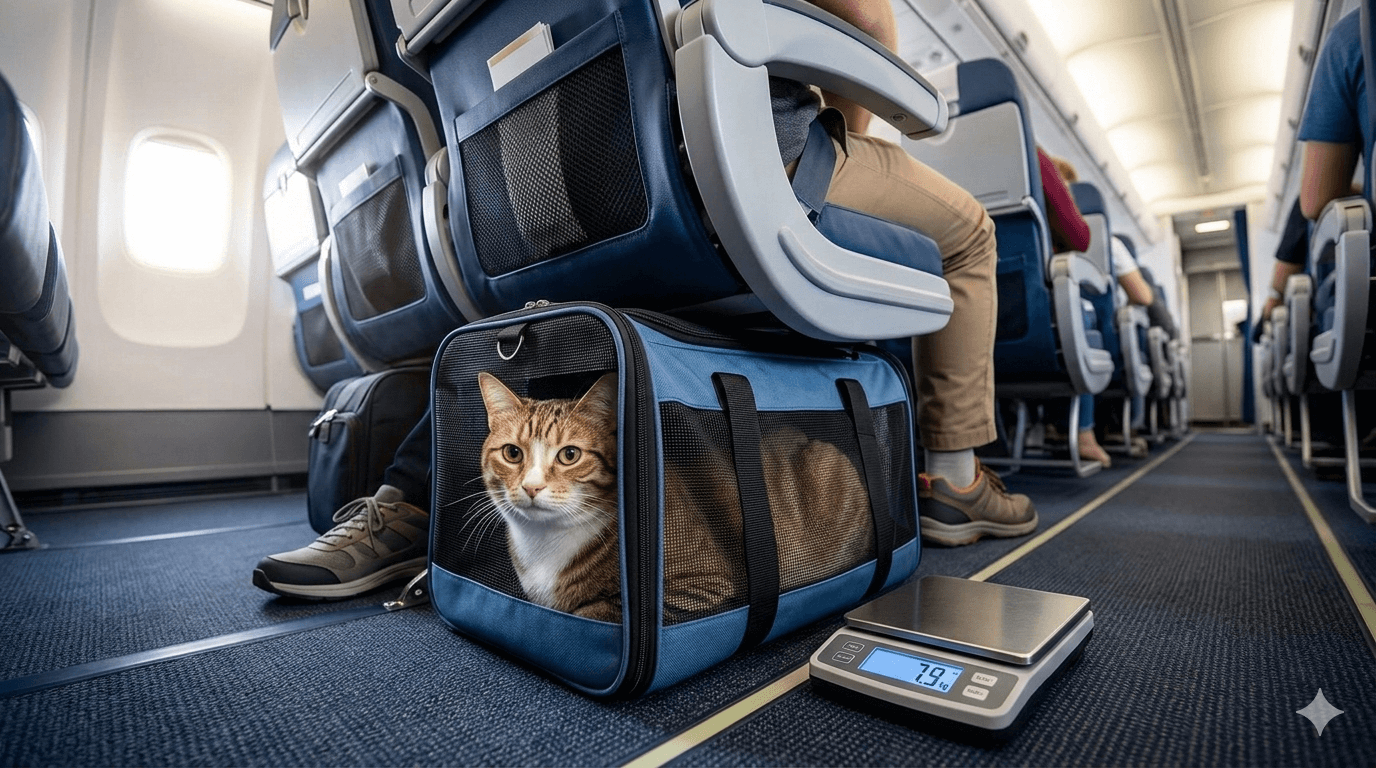
Maximum Weight for Cats on Planes: Best 7 Expert Tips! – Learn airline policies, tips to stay compliant, and ensure safe travels for your feline friend.
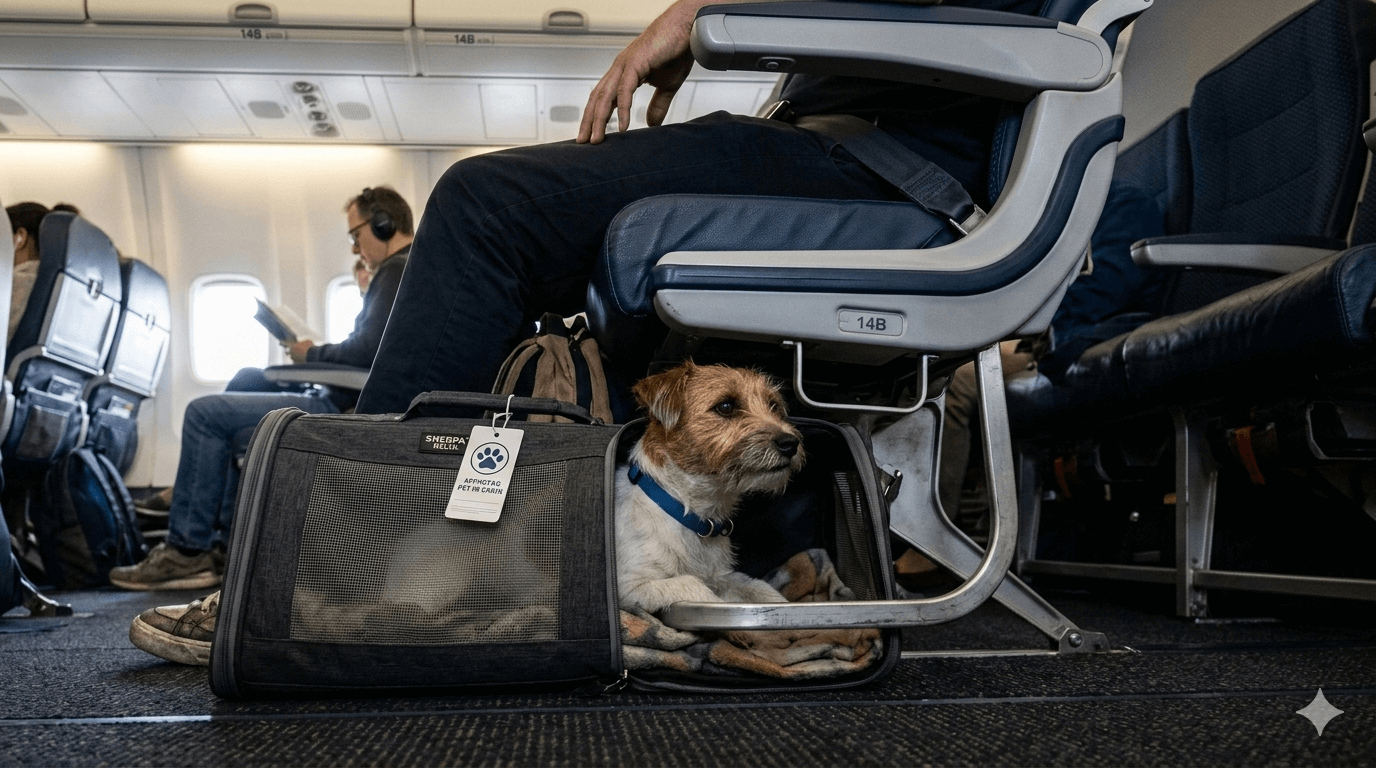
Max Weight for Dogs on Planes: Best 7 Expert Tips! – Discover airline weight limits, safe travel tips, and solutions for flying with your dog stress-free.