
Can I Take My Dog on a Train? A Guide to Traveling with Your Furry Companion
Traveling with your dog can be an exciting adventure, but it also comes with its own set of challenges. One common question pet owners ask is: “Can I take my dog on a train?” The answer depends on several factors, including the train company’s policies, your dog’s temperament, and how well-prepared you are for the journey. Whether you’re planning a short trip or a long-distance voyage, understanding the logistics of train travel with your dog is essential. In this blog post, we’ll explore everything you need to know about taking your dog on a train, from preparation tips to behavior management, ensuring a smooth and enjoyable experience for both you and your furry friend.
Things to Consider Before Taking Your Dog on a Train
Before hopping on a train with your dog, there are several important factors to consider. Planning ahead will help you avoid surprises and ensure a stress-free journey for everyone involved. Here’s what you need to keep in mind:
Check the train company’s pet policy to confirm whether dogs are allowed
Determine if your dog needs a ticket or special documentation
Assess your dog’s temperament and comfort level in crowded spaces
Plan for the duration of the journey and whether your dog can handle it
Pack essentials like food, water, waste bags, and a favorite toy
Taking these factors into account will help you decide if train travel is suitable for your dog. Proper preparation is key to making the experience enjoyable for both of you.
Essential Items to Pack for Train Travel with Your Dog
Traveling with your dog requires careful packing to ensure their comfort and safety throughout the journey. Having the right items on hand can make a world of difference. Here’s a list of must-have items to bring along:
A sturdy leash and collar or harness for secure handling
A portable water bowl and bottled water to keep them hydrated
Treats to reward good behavior and keep them calm
A familiar blanket or bed to provide a sense of security
Waste bags for cleaning up after your dog
Packing these essentials will help you stay prepared for any situation that may arise during your train journey. With the right gear, you and your dog can focus on enjoying the ride.
Check this guide 👉Dog Boarding Cost: Top 7 Best Tips for Traveling!
Check this guide 👉Understanding Dog Daycare Prices: Best 7 Expert Tips!
Train-Friendly Dog Breeds | Challenges for Larger Dogs |
|---|---|
Small, calm breeds like Pugs | Limited space in train cars |
Well-trained Retrievers | Difficulty maneuvering aisles |
Socialized French Bulldogs | Potential noise restrictions |
Quiet Cavalier King Charles Spaniels | Stress in crowded environments |
Adaptable Shih Tzus | Higher ticket costs |
Tips for Keeping Your Dog Calm on the Train
Train travel can be overwhelming for some dogs due to unfamiliar surroundings and noises. Helping your dog stay calm is crucial for a successful trip. Here are some tips to keep your furry friend relaxed:
Practice short trips beforehand to acclimate them to train environments
Bring a familiar scent, like a piece of clothing, to comfort them
Use positive reinforcement to reward calm behavior
Stay close to your dog and maintain eye contact for reassurance
Avoid feeding them large meals right before boarding
By following these tips, you can create a calming atmosphere for your dog and reduce anxiety during the journey. A relaxed dog makes for a smoother ride for everyone.
Behavior Management During Train Travel
Good behavior is essential when traveling with your dog on a train. Ensuring your dog behaves appropriately not only keeps them safe but also respects other passengers. Here are some strategies to manage your dog’s behavior effectively:
Train basic commands like “sit,” “stay,” and “quiet” before the trip
Keep your dog on a short leash to prevent them from wandering
Block access to seats or areas where they shouldn’t climb
Distract them with toys or treats if they seem restless
Politely address any concerns from fellow passengers
Proper behavior management ensures a harmonious journey and reflects positively on responsible pet ownership. With patience and consistency, your dog can become a model train traveler.
Preparing for Long-Distance Train Journeys
Long-distance train travel requires extra preparation to ensure your dog remains comfortable and stress-free throughout the journey. Whether you’re traveling for hours or an entire day, these tips will help you plan effectively:
Bring a portable crate or carrier for your dog to rest in during the trip
Schedule regular breaks at stations to let your dog stretch and relieve themselves
Pack high-energy snacks to keep your dog fueled and satisfied
Use calming sprays or pheromone diffusers to reduce anxiety
Prepare a checklist of all essentials to avoid forgetting anything important
With careful planning, long-distance train journeys can be a pleasant experience for both you and your dog. A well-prepared traveler is a confident traveler!
Dealing with Unexpected Challenges
Even with the best preparation, unexpected challenges can arise during train travel. Knowing how to handle these situations will make you feel more confident and capable. Here’s how to address common issues:
If your dog gets motion sickness, consult your vet for remedies before traveling
In case of loud noises or sudden movements, comfort your dog with soothing words
If another passenger complains about your dog, apologize and offer a solution
For accidents on the train, clean up promptly using waste bags and sanitizing wipes
If your dog becomes overheated, provide water and move to a cooler area if possible
Being prepared for the unexpected ensures that minor hiccups don’t derail your journey. Staying calm and resourceful will help you overcome any challenge.
Post-Travel Care for Your Dog
After a train journey, it’s important to help your dog transition back to their normal routine. Traveling can be tiring and stressful, so post-travel care is essential. Consider these steps to ensure your dog recovers quickly:
Allow your dog to rest in a quiet, familiar space after the trip
Offer fresh water and a light meal to rehydrate and refuel
Take them for a short walk to stretch their legs and relieve tension
Check for any signs of discomfort, such as limping or excessive panting
Reward them with affection and playtime to reinforce positive memories
Proper post-travel care helps your dog recover from the journey and prepares them for future adventures. A little TLC goes a long way in keeping your furry friend happy and healthy!
FAQ
Can all dogs travel on trains?
Not all dogs are suited for train travel. Factors like size, temperament, and health should be considered before bringing your dog on a train.
Do I need to buy a ticket for my dog?
Policies vary by train company. Some require a small fee for pets, while others allow small dogs to travel for free if they fit in a carrier.
How do I prepare my dog for train travel?
Gradually introduce them to the sounds and movements of trains, and practice short trips to build their confidence.
What if my dog barks or gets anxious on the train?
Bring calming aids like treats or a familiar blanket, and use positive reinforcement to redirect their attention.
Are service dogs allowed on trains?
Yes, service dogs are typically allowed on trains without restrictions, as they are trained to assist individuals with disabilities.
Conclusion: Making Train Travel a Success for You and Your Dog
Taking your dog on a train can be a rewarding experience if done with proper planning and consideration. From understanding train policies to packing the right items and managing your dog’s behavior, every step you take contributes to a smooth journey. Remember, patience and preparation are key to ensuring your dog feels comfortable and secure. With the tips and insights shared in this guide, you’re now equipped to embark on train adventures with your furry companion. So pack your bags, leash up your pup, and enjoy the ride—train travel with your dog can be a wonderful bonding experience!
Can I Give My Cat Midol? Best 7 Expert Tips! – Learn the risks, symptoms, and safe alternatives to keep your cat healthy and avoid toxic reactions.
Can I Give My Dog Midol? Best 7 Expert Tips! – Discover the risks, safe alternatives, and expert advice to keep your dog safe from accidental poisoning.
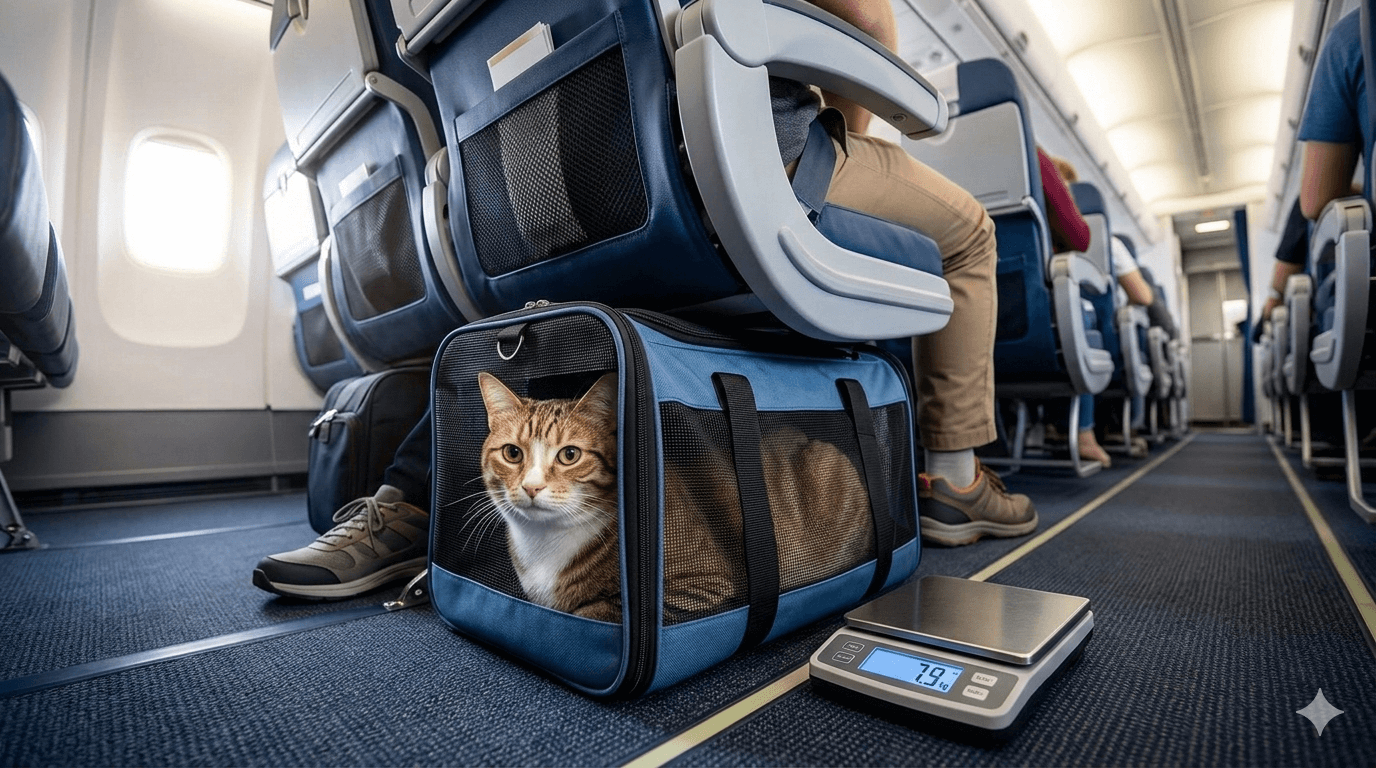
Maximum Weight for Cats on Planes: Best 7 Expert Tips! – Learn airline policies, tips to stay compliant, and ensure safe travels for your feline friend.
Max Weight for Dogs on Planes: Best 7 Expert Tips! – Discover airline weight limits, safe travel tips, and solutions for flying with your dog stress-free.