
Can I Have a Cat in a Rental Car: Best 7 Expert Tips!
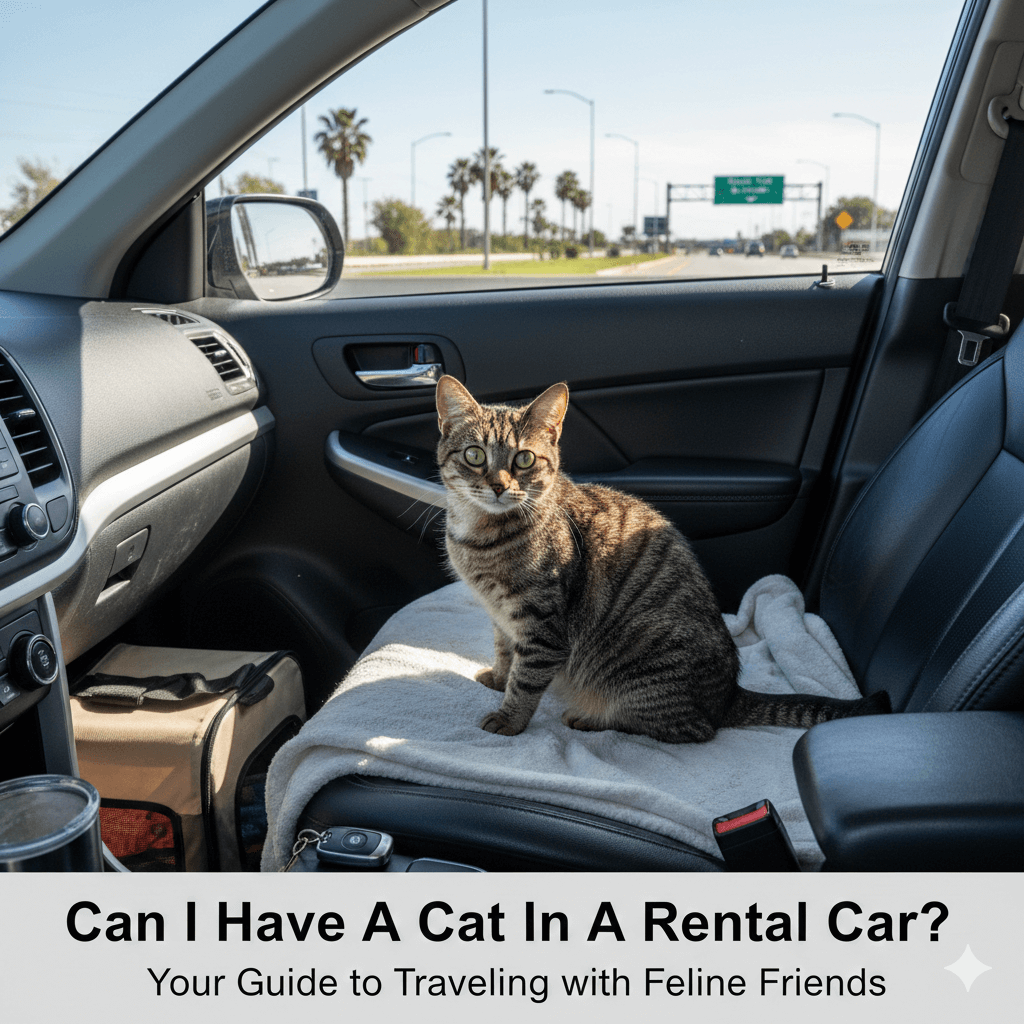
Traveling with your feline friend can be rewarding—but when it involves a rental car, extra planning is essential. Many renters assume it’s as simple as buckling in a carrier, but policies, safety, and your cat’s comfort require thoughtful preparation. While some rental companies welcome pets, others impose restrictions or fees. Understanding the rules and best practices ensures a smooth, stress-free journey for both you and your cat—without surprises at pickup or return.
Rental Company Pet Policies You Must Know
Before booking, always verify the rental company’s official stance on animals—policies vary widely and can impact your trip significantly. Even if you’ve traveled with pets before, don’t assume all brands or locations follow the same rules. Here’s what to research and confirm ahead of time:
- Written Pet Policy Availability:
Major companies like Enterprise, Hertz, and Avis often allow cats but require advance notice; always ask for the policy in writing or via email. - Breed or Species Restrictions:
While cats are generally accepted more easily than large dogs, some insurers or local franchises may still impose blanket “no pet” rules. - Cleaning Fees or Deposits:
Expect potential fees ranging from $25 to $250 if pet hair, odor, or damage is found—even if your cat stayed in a carrier. - Carrier Requirements:
Most companies insist your cat remain in a closed, secure carrier at all times; leaving them loose may void insurance or result in fines. - International or Airport Location Rules:
Rental desks at airports or in certain countries (e.g., parts of Europe or Asia) may have stricter regulations—always check locally.
Confirming these details upfront prevents denied rentals, unexpected charges, or last-minute scrambles to find pet-friendly alternatives.
Essential Safety Measures for Feline Passengers
Your cat’s well-being during transit depends on proper restraint, climate control, and minimizing stress. Unlike dogs, cats rarely enjoy car rides, so their safety hinges on thoughtful preparation. These steps protect your pet and comply with legal and rental guidelines:
- Use an Airline-Approved Carrier:
Choose a hard-sided, well-ventilated carrier that’s large enough for your cat to stand and turn but small enough to secure with a seatbelt. - Secure the Carrier Properly:
Place it on the floor behind the front passenger seat or use a seatbelt loop—never on a seat where airbags could deploy. - Avoid Direct Sunlight and Extreme Temperatures:
Never leave your cat unattended, even for minutes; rental cars heat up quickly and lack climate monitoring. - Cover the Carrier Lightly for Calmness:
A breathable cloth over the carrier can reduce visual stimulation and anxiety without blocking airflow. - Bring a Familiar Scent Item:
A worn T-shirt or small blanket with your scent helps reassure your cat during unfamiliar motion and sounds.
Prioritizing these measures ensures your cat arrives safe, calm, and healthy—no matter the destination.
Check this guide 👉How Far Can a Cat Travel in a Day? Best 7 Expert Tips!
Check this guide 👉How to Travel Long Distance with a Cat: Best 7 Tips!
Check this guide 👉How to Travel with a Cat on a Plane: Best 7 Expert Tips!
Travel Prep Checklist | Rental-Specific Considerations |
|---|---|
Hard-sided, labeled carrier | Confirm pet allowance before booking |
Portable water bowl & bottle | Ask if a pet fee applies |
Litter box alternative (e.g., pee pad) | Verify carrier must stay closed |
Calming spray or pheromone wipe | Check for return inspection rules |
Updated ID tag and microchip info | Save customer service number for roadside issues |
How to Minimize Your Cat’s Travel Stress
Cats are creatures of routine, and car travel disrupts their sense of security. Even short trips can trigger anxiety, vocalization, or hiding. Reducing stress isn’t just kind—it prevents escape attempts, vomiting, or bladder accidents in the rental. Use these vet-approved strategies:
- Pre-Trip Acclimation Sessions:
Place the carrier in your home for days before travel with treats inside; take short “practice drives” to build positive associations. - Use Feline Pheromone Products:
Spray Feliway on the carrier lining 30 minutes before departure to mimic calming natural scents. - Avoid Feeding Right Before Driving:
Offer a small meal 2–3 hours pre-trip to reduce nausea and litter needs during transit. - Play Soft, Familiar Music:
Gentle classical or “cat-specific” audio can mask engine noise and external triggers. - Speak in a Low, Reassuring Voice:
Your calm tone signals safety—even if your cat doesn’t understand words, they sense your emotional state.
A relaxed cat is less likely to claw, escape, or soil the vehicle—making the journey easier for everyone involved.
Cleaning and Damage Prevention Tips
Rental companies inspect vehicles thoroughly, and even minor pet-related issues can lead to cleaning fees or disputes. Protect your deposit and your cat’s reputation with proactive hygiene:
- Line the Carrier with Absorbent Pads:
Use disposable pee pads or washable liners to contain accidents and simplify cleanup. - Wipe Down Surfaces After Use:
Bring pet-safe disinfectant wipes to clean door handles, seat belts, or any spot your cat may have touched. - Vacuum Before Return (If Possible):
Some rental locations offer vacuums; remove visible hair to show good faith and reduce perceived “damage.” - Never Use Human Air Fresheners:
Many contain phenols toxic to cats; opt for pet-safe odor neutralizers if needed. - Take Photos Before and After:
Document the car’s condition upon pickup and return to dispute unfair damage claims.
These habits demonstrate responsibility and often lead to smoother check-ins—especially with pet-friendly rental agents.
What to Do If Your Cat Gets Sick or Escapes
Emergencies happen, even with perfect planning. If your cat vomits, has diarrhea, or—worst case—escapes from the carrier, acting quickly limits harm and liability:
- Keep a Pet First-Aid Kit Handy:
Include gloves, towels, electrolyte solution, and your vet’s number; know the nearest 24-hour animal hospital en route. - Stay Calm if Escape Occurs:
Shut all doors, dim lights, and use treats or a familiar toy to coax your cat from under seats—never chase. - Notify Rental Company Immediately:
If biohazards (urine, feces) occur, report them honestly; most companies appreciate transparency and may waive deep-cleaning fees. - Use GPS Tracker on Collar (If Worn):
A Bluetooth or cellular tracker like Tile or Tractive can locate your cat if they slip out during a gas stop. - Pull Over Safely for Medical Distress:
Signs like heavy panting, drooling, or collapse require immediate rest, water, and possibly veterinary care.
Being prepared for worst-case scenarios turns panic into manageable action—keeping your cat safe and your rental experience intact.
Alternatives If Rental Companies Say No to Cats
If your chosen rental brand prohibits pets or charges excessive fees, don’t despair. Several workarounds offer flexibility without compromising your travel plans or your cat’s needs:
- Choose Pet-Friendly Rental Brands:
Companies like Budget, Alamo, and Thrifty often have more lenient cat policies—compare using pet-friendly filters on Kayak or Expedia. - Use Peer-to-Peer Car Sharing:
Platforms like Turo let you rent from private owners who may welcome cats with no extra fee (always confirm in messages). - Book a Rideshare with Pet Option:
Uber Pet or Lyft’s “Pets” feature may work for short transfers, though not for long road trips. - Consider a Portable Travel Crate for Planes/Trains:
If driving isn’t mandatory, some airlines allow cats in-cabin with proper carriers—often cheaper than rental surprises. - Hire a Pet Transport Service:
For long distances, specialized pet couriers handle ground transport safely while you fly or take other transport.
Flexibility in your booking strategy can open doors to cat-friendly options you didn’t know existed.
Essential Travel Gear for Cats in Rental Cars
Bringing your cat into a rental car isn’t just about permission—it’s about preparation. The right gear transforms a stressful ride into a safe, manageable experience. Without proper tools, even the calmest cat can become overwhelmed, and minor issues can escalate quickly. Pack these essentials before you turn the ignition:
- Hard-Sided, Airline-Approved Carrier:
A durable, well-ventilated carrier is non-negotiable—it protects your cat in sudden stops and meets most rental company requirements. - Secure Seatbelt or Carrier Harness:
Use a car seatbelt extender or a carrier-specific strap to anchor the crate firmly, preventing it from sliding during sharp turns or braking. - Portable Water Dispenser & Collapsible Bowl:
Hydration is critical, especially on long drives; choose spill-proof options that attach to the carrier for easy access without opening it. - Emergency Cleanup Kit:
Include enzymatic cleaner, disposable gloves, paper towels, and odor-neutralizing wipes to handle accidents quickly and leave no trace. - Calming Aids (Vet-Approved):
Carry Feliway spray, a Thundershirt, or prescribed anti-anxiety supplements—especially for cats with known travel stress or motion sickness.
With these items on hand, you’re not just compliant with rental rules—you’re a proactive, compassionate guardian ensuring every mile is as safe and serene as possible for your feline friend.
“Pets are allowed in rental vehicles. Customers need to keep pets crated and return rental cars in clean condition, free of pet hair and dander to avoid cleaning and/or detailing fees.” — Enterprise Rent-A-Car
Frequently Asked Questions About Cats in Rental Cars
Can I hide my cat from the rental company?
No—being dishonest risks large fines, denied insurance, or even legal issues if an accident occurs with an unrestrained pet.
Do all rental companies charge pet fees?
Not all; some include pet allowance in standard terms, while others waive fees for service or emotional support animals (with documentation).
Is a soft carrier okay for a rental car?
Only if the rental allows it—but hard carriers are safer in crashes and more likely to meet company requirements.
What if my cat has an accident in the car?
Clean it immediately with enzyme-based cleaner, notify the agent at return, and provide proof of responsible cleanup to avoid charges.
Can I leave my cat in the rental car while sightseeing?
Never—even with windows cracked, temperatures can become lethal in minutes; always take your cat with you or secure lodging.
Traveling Together, Responsibly and With Care
Bringing your cat into a rental car is absolutely possible—but it demands respect for the rules, awareness of your pet’s needs, and a commitment to safety over convenience. With the right preparation, your feline companion can join your adventures without stress, fines, or harm. More than just logistics, this journey reflects your bond: by planning thoughtfully, you honor your cat’s trust in you. Whether it’s a cross-country road trip or a short airport transfer, your care turns a simple rental into a shared experience of comfort and connection. After all, the best travels aren’t just about the destination—they’re about who’s riding shotgun (or safely secured in the back!).

Is Rawhide Bad for Cats? Best 7 Expert Tips! – Discover the risks, safe alternatives, and expert advice to keep your feline friend healthy and happy.

Is Rawhide Bad for Dogs? Best 7 Expert Tips! – Discover the risks, benefits, and safer alternatives to rawhides for your dog’s chewing needs.

Understanding Anorexia in Cats: Best 7 Expert Tips! – Learn why cats stop eating, spot warning signs, and discover how to help your feline regain appetite safely.

Understanding Anorexia in Dogs: Best 7 Expert Tips! – Learn causes, symptoms, and solutions to help your dog regain appetite and stay healthy.