
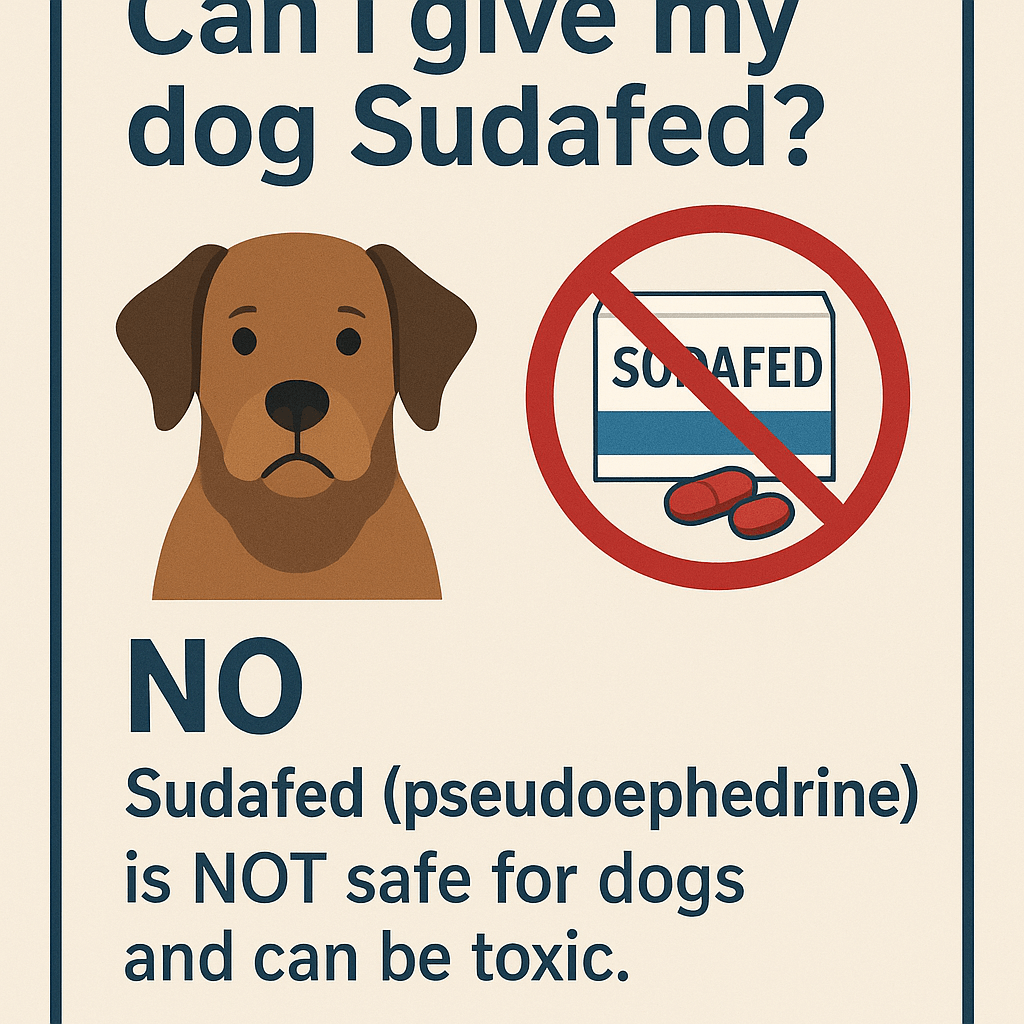

Can I Give My Dog Sudafed?
When your dog is showing signs of congestion, sneezing, or a runny nose, it’s natural to wonder if over-the-counter medications like Sudafed could help. Sudafed, commonly used by humans for cold and allergy relief, contains active ingredients such as pseudoephedrine that can alleviate nasal symptoms. However, giving human medications to dogs without proper guidance can be risky. Understanding the potential effects, risks, and alternatives is crucial before considering any treatment. In this blog post, we’ll explore whether Sudafed is safe for dogs, what precautions to take, and how to ensure your furry friend receives the best care possible.
Expert Insight: Understanding Anxiety in Dogs
“Anxiety—that feeling of nervousness, unease, or apprehension that we’re all familiar with—is at the heart of most behavioral problems in dogs. Sometimes anxiety is perfectly normal, but it becomes a problem when it is severe or frequent enough to have an adverse effect on the dog’s or owner’s quality of life.”
Is Sudafed Safe for Dogs? Key Considerations
While Sudafed is sometimes prescribed by veterinarians in specific cases, it’s not universally safe for all dogs. Several factors determine whether Sudafed can be administered safely.
Pseudoephedrine Sensitivity:
Pseudoephedrine, the active ingredient in Sudafed, can cause adverse reactions in dogs, including increased heart rate and agitation.Dosage Matters:
The wrong dosage can lead to toxicity, which may result in seizures, high blood pressure, or even death. Always consult a vet for precise dosing.Underlying Health Conditions:
Dogs with heart conditions, hypertension, or hyperthyroidism are at higher risk of complications from Sudafed.Breed-Specific Risks:
Certain breeds, especially small or brachycephalic (flat-faced) dogs, may be more sensitive to the drug’s effects.Not a Cure-All Solution:
Sudafed may address symptoms but won’t treat underlying causes like infections or allergies. A vet diagnosis is essential.
Before giving Sudafed to your dog, always seek professional advice to avoid potential harm.
Signs Your Dog May Need Medical Attention Instead of Sudafed
If your dog is exhibiting respiratory symptoms, it’s important to determine whether Sudafed is appropriate or if veterinary care is needed. Here are signs that indicate a trip to the vet is necessary.
Persistent Sneezing or Coughing:
Frequent sneezing or coughing could signal an infection, foreign object, or serious condition requiring medical attention.Difficulty Breathing:
Labored breathing or wheezing is a red flag and should never be treated with over-the-counter medications.Nasal Discharge:
Thick, yellow, or green discharge may indicate a bacterial infection that Sudafed cannot resolve.Lethargy or Loss of Appetite:
These symptoms often accompany illnesses that require professional diagnosis and treatment.Behavioral Changes:
Unusual aggression, confusion, or restlessness may suggest discomfort or pain beyond simple congestion.
Recognizing these signs ensures your dog receives timely and appropriate care rather than relying on potentially harmful home remedies.
Check this guide 👉Can I Give My Dog Benadryl for Fireworks? Best 7 Tips!
Check this guide 👉How Much Ibuprofen Can I Give My Dog? Best 7 Expert Tips!
Check this guide 👉Can I Give My Dog Human Probiotics? Best 7 Expert Tips!
Risks of Giving Sudafed to Dogs | Safer Alternatives for Congestion |
|---|---|
Increased heart rate and blood pressure | Saline nasal sprays (veterinary-approved) |
Risk of seizures or tremors | Humidifiers to ease breathing |
Potential kidney or liver damage | Allergy shots or antihistamines (vet-prescribed) |
Adverse reactions in sensitive breeds | Steam therapy in a safe environment |
Misdiagnosis of underlying conditions | Regular vet check-ups for chronic issues |
How to Administer Medication Safely If Prescribed by a Vet
If your veterinarian determines that Sudafed is appropriate for your dog, following their instructions carefully is critical for safety and effectiveness.
Use Exact Dosage Recommendations:
Never estimate or adjust the dosage; stick strictly to the amount prescribed by your vet.Monitor for Side Effects:
Watch for signs of adverse reactions, such as restlessness, vomiting, or rapid breathing, and contact your vet immediately if they occur.Administer with Food:
Some vets recommend giving Sudafed with food to reduce stomach upset and improve absorption.Avoid Mixing with Other Medications:
Combining Sudafed with other drugs can increase the risk of interactions or toxicity. Inform your vet of any current medications.Keep the Drug Out of Reach:
Store Sudafed securely to prevent accidental ingestion, which could lead to overdose.
By adhering to these guidelines, you can minimize risks while ensuring your dog receives the intended benefits of the medication.
Preventative Measures to Avoid Respiratory Issues in Dogs
Prevention is always better than cure when it comes to your dog’s health. Taking proactive steps can reduce the likelihood of respiratory problems that might tempt you to use medications like Sudafed.
Maintain a Clean Environment:
Regularly clean your home to minimize dust, mold, and allergens that can irritate your dog’s respiratory system.Limit Exposure to Irritants:
Keep your dog away from cigarette smoke, strong perfumes, and chemical cleaners that can trigger breathing difficulties.Provide Proper Nutrition:
A balanced diet supports a strong immune system, helping your dog fight off infections and allergies.Exercise Moderately:
Avoid overexertion, especially in extreme temperatures, to prevent strain on your dog’s lungs and airways.Schedule Routine Vet Visits:
Regular check-ups allow early detection of potential health issues before they escalate into serious problems.
These preventative measures can help keep your dog healthy and reduce the need for medications like Sudafed.
Common Mistakes When Treating Dog Congestion
Treating your dog’s congestion without professional guidance can lead to mistakes that compromise their health. Avoiding these errors ensures your pet stays safe and comfortable.
Self-Diagnosing Without Expert Help:
Assuming your dog’s symptoms are harmless can delay proper treatment for serious conditions.Using Human Medications Freely:
Many human drugs, including Sudafed, are unsafe for dogs unless specifically prescribed by a vet.Ignoring Dosage Instructions:
Even small deviations in dosage can have severe consequences for your dog’s health.Skipping Vet Check-Ups:
Regular visits help catch underlying issues early, preventing reliance on inappropriate treatments.Overlooking Environmental Triggers:
Failing to address allergens or irritants in your home can prolong or worsen your dog’s symptoms.
By avoiding these mistakes, you can protect your dog from unnecessary harm and ensure they receive appropriate care.
Benefits of Consulting a Veterinarian
When it comes to your dog’s health, consulting a veterinarian offers numerous advantages over attempting home remedies. Their expertise ensures accurate diagnosis and safe treatment plans.
Personalized Treatment Plans:
Vets tailor solutions based on your dog’s breed, size, age, and medical history, ensuring optimal results.Access to Diagnostic Tools:
X-rays, blood tests, and other diagnostics help pinpoint the root cause of symptoms, leading to effective treatments.Prescription Medications:
Vets can prescribe safer alternatives to over-the-counter drugs, minimizing risks of adverse reactions.Guidance on Long-Term Care:
For chronic conditions, vets provide ongoing support and management strategies to improve your dog’s quality of life.Peace of Mind for Owners:
Knowing your dog is receiving professional care alleviates stress and uncertainty about their well-being.
Consulting a vet is always the safest and most reliable option for addressing your dog’s health concerns.
Signs Your Dog Is Responding Well to Treatment
Once your dog begins treatment for respiratory issues, monitoring their response helps gauge its effectiveness. Positive signs indicate recovery, while negative changes warrant immediate attention.
Improved Energy Levels:
A noticeable increase in activity suggests your dog is feeling better and regaining strength.Reduced Nasal Discharge:
Clearer or less frequent discharge indicates improvement in respiratory function.Normal Breathing Patterns:
Steady, unlabored breathing shows that airways are clearing and inflammation is subsiding.Restored Appetite:
Eating and drinking normally demonstrate overall recovery and comfort.Decreased Irritability:
Calmer behavior reflects reduced discomfort and improved mood.
Tracking these signs helps confirm whether the treatment is working or if adjustments are needed under veterinary supervision.
Frequently Asked Questions About Giving Sudafed to Dogs
Can I give my dog Sudafed without consulting a vet?
No, Sudafed can be toxic to dogs if given incorrectly. Always consult a vet before administering any medication.
What are the symptoms of Sudafed toxicity in dogs?
Symptoms include vomiting, seizures, rapid heartbeat, and difficulty breathing. Seek emergency care if you notice these signs.
Are there alternative treatments for dog allergies?
Yes, veterinarians may recommend antihistamines, steroids, or allergy shots tailored to your dog’s needs.
How do I know if my dog has a cold or allergies?
Cold symptoms typically include sneezing, coughing, and lethargy, while allergies often cause itching, redness, or skin irritation.
Can Sudafed interact with other medications?
Yes, Sudafed can interact with certain drugs, so always inform your vet of any medications your dog is currently taking.
Prioritizing Your Dog’s Health Over Home Remedies
While Sudafed may seem like a convenient solution for your dog’s respiratory symptoms, its potential risks far outweigh the benefits without proper veterinary oversight. Understanding your dog’s unique needs, recognizing warning signs, and exploring safer alternatives are vital steps in ensuring their well-being. Always prioritize professional advice over self-treatment to safeguard your furry companion’s health. By staying informed and proactive, you can provide the best care possible and enjoy many happy, healthy years together.
Can I Give My Cat Midol? Best 7 Expert Tips! – Learn the risks, symptoms, and safe alternatives to keep your cat healthy and avoid toxic reactions.
Can I Give My Dog Midol? Best 7 Expert Tips! – Discover the risks, safe alternatives, and expert advice to keep your dog safe from accidental poisoning.

Maximum Weight for Cats on Planes: Best 7 Expert Tips! – Learn airline policies, tips to stay compliant, and ensure safe travels for your feline friend.

Max Weight for Dogs on Planes: Best 7 Expert Tips! – Discover airline weight limits, safe travel tips, and solutions for flying with your dog stress-free.