
Can I Give My Dog Pumpkin Every Day?
Pumpkin is often praised as a superfood for dogs, offering digestive benefits and a rich source of vitamins. While it can be a healthy addition to your dog’s diet, moderation and preparation are key to avoiding potential downsides. Understanding how much and how often to feed pumpkin ensures your furry friend reaps the benefits without overdoing it.
Nutritional Benefits of Pumpkin for Dogs
Pumpkin is more than just a seasonal treat—it’s packed with nutrients that can support your dog’s overall health. Rich in fiber, vitamins, and antioxidants, it offers numerous benefits when fed in appropriate amounts. However, understanding its nutritional profile helps you make informed decisions about incorporating it into your dog’s diet.
- High Fiber Content:
Pumpkin contains both soluble and insoluble fiber, which aids digestion by regulating bowel movements and preventing constipation or diarrhea. The fiber also promotes a feeling of fullness, making it useful for weight management. - Rich in Vitamin A:
Vitamin A supports eye health, immune function, and skin condition. It also plays a role in maintaining healthy coat quality, ensuring your dog looks and feels their best. - Low in Calories:
With only about 30 calories per cup, pumpkin is a low-calorie option that won’t contribute to weight gain, even when fed daily in moderation. This makes it ideal for dogs on calorie-controlled diets. - Hydration Boost:
Fresh or canned pumpkin (unsweetened) has a high water content, helping keep your dog hydrated, especially if they struggle to drink enough water during the day. - Antioxidant Properties:
Pumpkin contains antioxidants like beta-carotene, which combat free radicals and reduce oxidative stress, potentially lowering the risk of chronic diseases.
Incorporating pumpkin into your dog’s diet provides a nutrient-dense boost, but balance remains essential to avoid overloading specific nutrients like vitamin A.
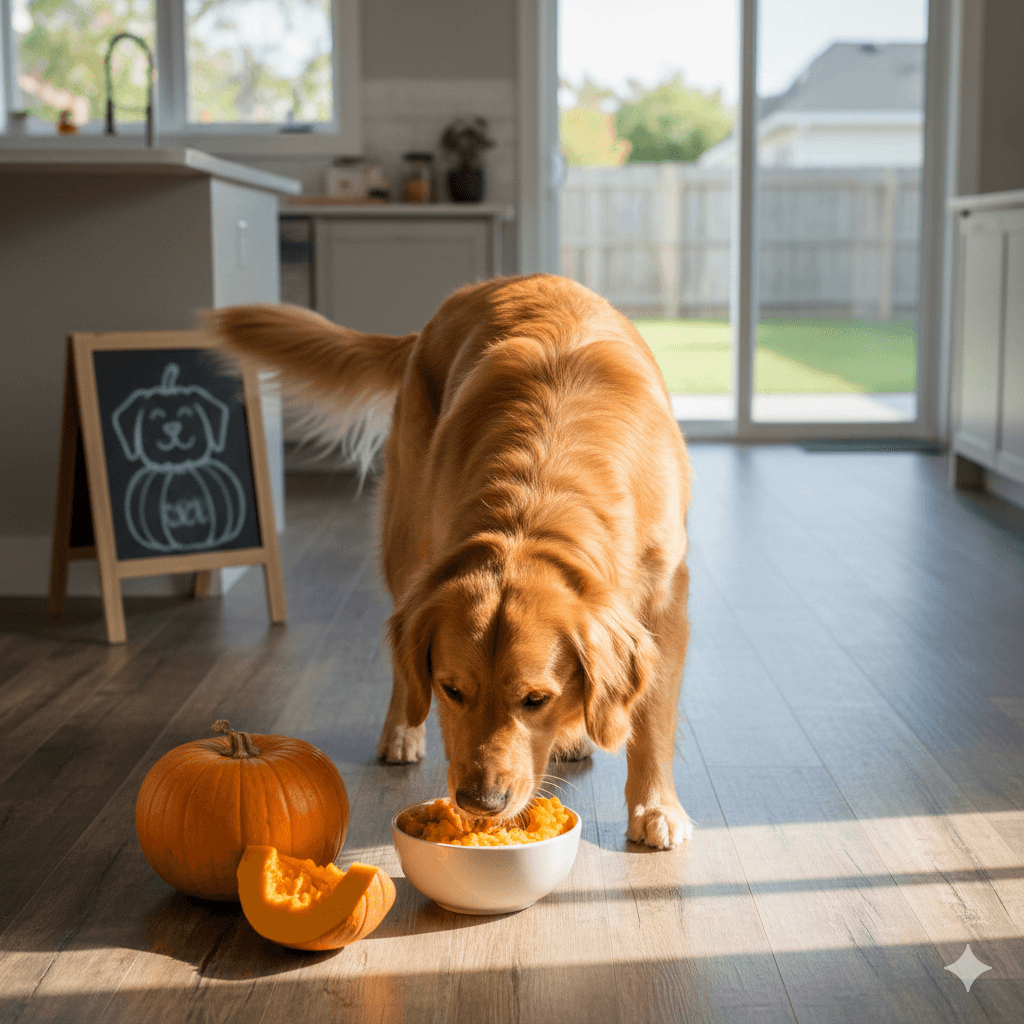
How Much Pumpkin Can You Feed Daily?
While pumpkin is safe for most dogs, portion control is crucial to prevent digestive upset or nutrient imbalances. Feeding too much can lead to loose stools or other complications, so knowing the right amount ensures safety and effectiveness.
- Small Dogs (under 20 lbs):
Limit pumpkin intake to 1–2 teaspoons per day; this amount supports digestion without overwhelming their small systems. - Medium Dogs (20–50 lbs):
A tablespoon (approximately 15 grams) of pumpkin per day is sufficient to provide benefits without risking overconsumption. - Large Dogs (over 50 lbs):
Larger breeds can tolerate up to 2–3 tablespoons daily, depending on their activity level and dietary needs. - Canned vs. Fresh Pumpkin:
Canned pumpkin (plain, unsweetened) is convenient and easier to digest, while fresh pumpkin requires cooking to soften and remove seeds. Both options are safe when prepared correctly. - Frequency Matters:
Even with proper portions, feeding pumpkin every single day may not be necessary unless addressing specific issues like constipation or diarrhea. Rotate it with other healthy foods for variety.
Moderation and tailored serving sizes ensure your dog enjoys pumpkin’s benefits without adverse effects.
Check this guide 👉Pumpkin Dog Treats Recipe: Best 7 Expert Tips!
Check this guide 👉Can I Freeze Pumpkin Puree for My Dog? Best 7 Expert Tips!
Check this guide 👉Frozen Pumpkin Dog Treats: Best 7 Expert Tips!
Benefits of Feeding Pumpkin | Risks of Overfeeding Pumpkin |
|---|---|
Promotes healthy digestion | Causes diarrhea or loose stools |
Supports weight management | Leads to nutrient imbalances |
Rich in vitamins and antioxidants | May cause gas or bloating |
Hydrates due to high water content | Potential allergic reactions in rare cases |
Affordable and easy to prepare | Risk of dependency on pumpkin as a treat |
Potential Risks of Feeding Pumpkin Daily
Though pumpkin is generally safe, feeding it daily without considering potential risks could lead to unintended consequences. Awareness of these risks allows you to use pumpkin responsibly in your dog’s diet.
- Excessive Fiber Intake:
Too much fiber can disrupt digestion, causing gas, bloating, or diarrhea, especially if your dog isn’t accustomed to high-fiber foods. - Nutrient Imbalance:
Over-reliance on pumpkin might displace other essential nutrients in your dog’s diet, leading to deficiencies over time. Variety is key to balanced nutrition. - Allergic Reactions:
While rare, some dogs may develop sensitivities or allergies to pumpkin, resulting in itching, vomiting, or gastrointestinal distress. - Weight Gain from Sweetened Varieties:
Canned pumpkin labeled “pie filling” often contains added sugars, which can contribute to obesity and dental issues if fed regularly. - Underlying Health Conditions:
Dogs with diabetes or kidney disease require careful monitoring, as pumpkin’s carbohydrate content or potassium levels could affect their condition.
Understanding these risks ensures you feed pumpkin safely and avoid complications that could arise from overuse.
Best Ways to Prepare Pumpkin for Your Dog
Preparing pumpkin properly maximizes its nutritional value and minimizes potential hazards. Whether using fresh or canned pumpkin, following safe preparation methods keeps your dog healthy and happy.
- Cooking Fresh Pumpkin:
Bake or boil fresh pumpkin until soft, then puree it to create a smooth consistency that’s easy for dogs to digest. Avoid adding spices or sugar. - Choosing Canned Pumpkin:
Opt for plain, unsweetened canned pumpkin labeled “100% pure pumpkin.” Avoid products with additives, preservatives, or flavorings. - Freezing Pumpkin Treats:
Mix pumpkin puree with dog-safe ingredients like peanut butter (xylitol-free) and freeze it into bite-sized treats for a refreshing snack. - Adding to Meals:
Stir a small amount of pumpkin into your dog’s regular food to enhance flavor and provide a nutrient boost without drastically altering their diet. - Homemade Pumpkin Biscuits:
Combine pumpkin puree, whole wheat flour, and eggs to bake homemade biscuits, offering a healthy alternative to store-bought treats.
Proper preparation ensures your dog enjoys pumpkin’s benefits while minimizing risks associated with improper handling.
Signs Your Dog Loves Pumpkin Too Much
Some dogs take an immediate liking to pumpkin, but excessive enthusiasm can sometimes signal underlying issues. Monitoring your dog’s behavior around pumpkin helps you identify potential problems early.
- Obsessive Begging Behavior:
If your dog constantly begs for pumpkin, it may indicate a preference bordering on dependency, which could disrupt their regular diet. - Changes in Stool Consistency:
Loose stools or diarrhea after eating pumpkin suggests your dog may be consuming too much fiber or struggling to digest it properly. - Weight Fluctuations:
Increased calorie intake from frequent pumpkin snacks might cause weight gain, especially in less active dogs. - Loss of Interest in Regular Food:
Dogs who prefer pumpkin over their usual meals may miss out on essential nutrients found in commercially balanced dog foods. - Gastrointestinal Upset:
Persistent gas, bloating, or vomiting indicates your dog’s system isn’t tolerating pumpkin well, warranting a reduction or temporary elimination.
Recognizing these signs allows you to adjust portion sizes or frequency to maintain a healthy balance in your dog’s diet.
Alternatives to Pumpkin for Everyday Feeding
While pumpkin is nutritious, relying solely on one ingredient limits dietary diversity. Incorporating alternatives ensures your dog receives a wide range of nutrients for optimal health.
- Sweet Potatoes:
Like pumpkin, sweet potatoes are rich in fiber and vitamins, making them an excellent occasional substitute for digestive support. - Green Beans:
Low in calories and high in fiber, green beans provide similar benefits to pumpkin while adding variety to your dog’s meals. - Carrots:
Raw or cooked carrots offer fiber, beta-carotene, and a satisfying crunch, promoting dental health alongside digestion. - Zucchini:
This low-calorie vegetable is hydrating and gentle on the stomach, making it a great option for dogs prone to digestive issues. - Blueberries:
Packed with antioxidants, blueberries serve as a tasty, nutrient-rich treat that complements pumpkin’s benefits.
Rotating these alternatives prevents boredom and ensures your dog’s diet remains balanced and exciting.
Long-Term Effects of Daily Pumpkin Consumption
Feeding pumpkin daily over extended periods can have both positive and negative long-term effects. Balancing its inclusion with other foods ensures sustained health and prevents potential drawbacks.
- Improved Digestive Health:
Regular, moderate pumpkin consumption can maintain consistent bowel movements and reduce the risk of chronic constipation or diarrhea. - Potential Nutrient Deficiencies:
Over-reliance on pumpkin may lead to deficiencies in essential fatty acids, proteins, or other nutrients not found abundantly in pumpkin itself. - Weight Management Challenges:
If improperly portioned, daily pumpkin snacks could contribute to weight gain, particularly in less active or senior dogs. - Reduced Palatability of Other Foods:
Dogs accustomed to pumpkin’s taste may reject other healthy options, limiting their willingness to eat a varied diet. - Kidney or Liver Strain:
For dogs with preexisting conditions, the potassium content in pumpkin may exacerbate symptoms, requiring veterinary supervision.
Balancing pumpkin with other nutritious foods ensures long-term benefits without compromising your dog’s overall health.
“Adding a small amount, such as 1 to 4 tablespoons a day of plain pumpkin to your dog’s food can help with digestion due to its high fiber content.”
— Dial A Vet Veterinary Team
Frequently Asked Questions About Feeding Pumpkin to Dogs
Can pumpkin help with my dog’s constipation?
Yes, pumpkin’s high fiber content can soften stools and promote regular bowel movements, making it an effective remedy for mild constipation.
Is canned pumpkin safe for dogs?
Plain, unsweetened canned pumpkin is safe and often easier to digest than fresh pumpkin. Avoid varieties with added sugars or spices.
How much pumpkin should I feed my small dog?
For small dogs (under 20 lbs), limit pumpkin intake to 1–2 teaspoons per day to avoid digestive upset or nutrient imbalances.
Can too much pumpkin harm my dog?
Yes, excessive pumpkin can cause diarrhea, gas, or nutrient imbalances. Always feed in moderation and monitor your dog’s response.
Can pumpkin replace my dog’s regular food?
No, pumpkin should supplement—not replace—your dog’s balanced diet, as it lacks essential nutrients like protein and fats found in complete dog foods.
A Balanced Approach to Pumpkin in Your Dog’s Diet
Feeding pumpkin to your dog can be a wonderful way to boost their nutrition and support digestive health—but balance and moderation are key. By understanding the benefits, risks, and proper preparation methods, you ensure your furry friend enjoys pumpkin safely as part of a varied diet. Remember, no single food should dominate your dog’s meals; instead, focus on providing a mix of wholesome ingredients tailored to their unique needs. With thoughtful inclusion, pumpkin becomes a delightful and nutritious addition that keeps your dog happy, healthy, and thriving for years to come.

Is Rawhide Bad for Cats? Best 7 Expert Tips! – Discover the risks, safe alternatives, and expert advice to keep your feline friend healthy and happy.

Is Rawhide Bad for Dogs? Best 7 Expert Tips! – Discover the risks, benefits, and safer alternatives to rawhides for your dog’s chewing needs.

Understanding Anorexia in Cats: Best 7 Expert Tips! – Learn why cats stop eating, spot warning signs, and discover how to help your feline regain appetite safely.

Understanding Anorexia in Dogs: Best 7 Expert Tips! – Learn causes, symptoms, and solutions to help your dog regain appetite and stay healthy.