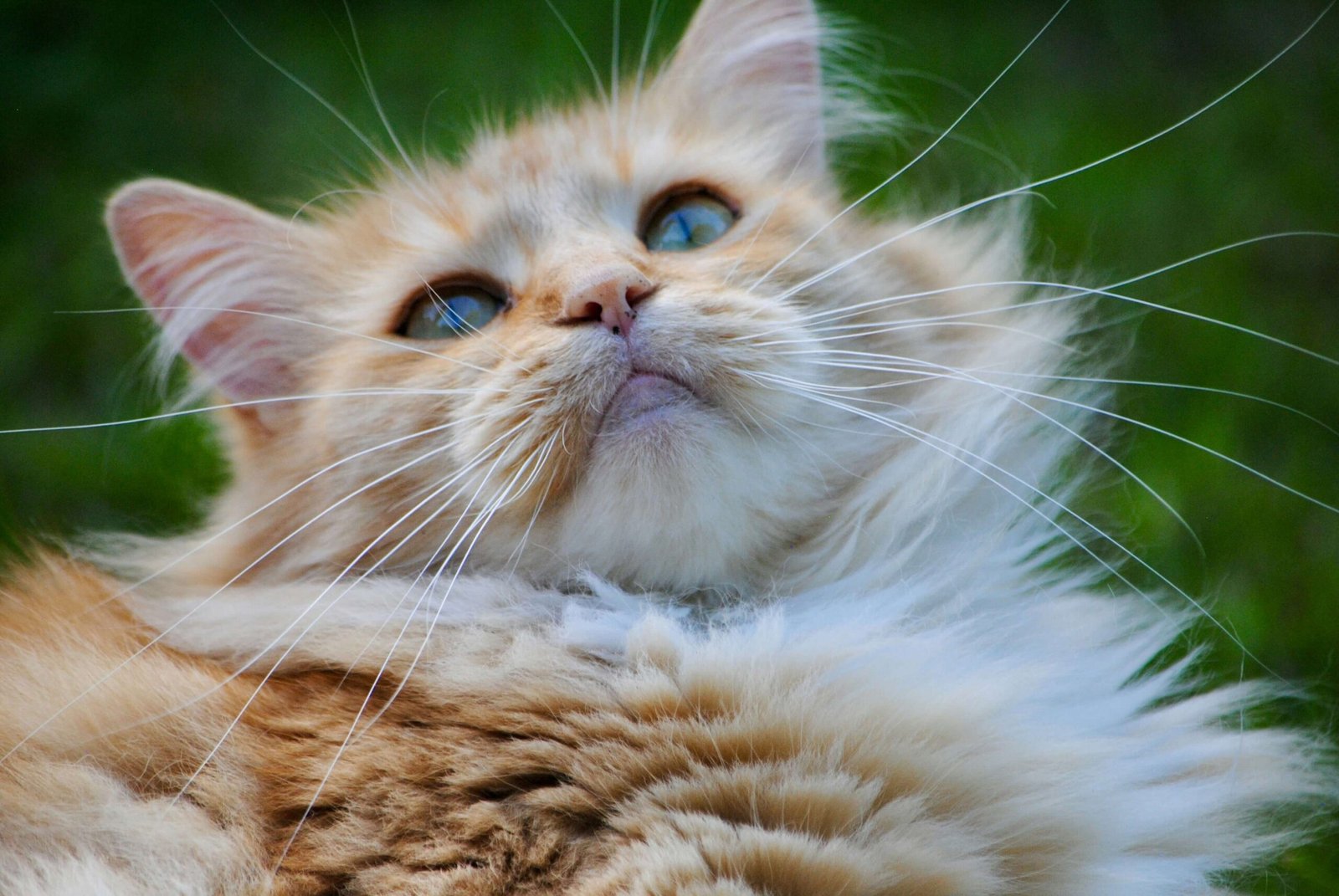

Can I Give My Cat Yogurt? Best 7 Expert Tips!

Can I Give My Cat Yogurt? Best 7 Expert Tips!

Can I Give My Cat Yogurt? Everything You Need to Know

If you’ve ever wondered whether yogurt is safe for your feline friend, you’re not alone. Many cat owners consider sharing human foods with their pets, but it’s essential to ensure that these foods are both safe and beneficial. Yogurt, a popular dairy product, often raises questions among pet parents due to its probiotic properties and creamy texture. While cats are obligate carnivores and don’t require dairy in their diet, some may tolerate yogurt well in moderation. In this blog post, we’ll explore whether you can give your cat yogurt, the potential benefits and risks, and how to introduce it safely into their diet.

Benefits of Giving Yogurt to Cats

When given in small amounts, yogurt can offer certain benefits to cats, particularly those with digestive issues. Here’s what makes yogurt a potentially helpful treat:

 
  • Probiotics for Gut Health
    The live cultures in plain yogurt can support healthy gut bacteria, aiding digestion in cats with upset stomachs.

  • Source of Calcium
    Yogurt contains calcium, which is essential for maintaining strong bones and teeth in cats.

  • Hydration Boost
    The moisture content in yogurt can help keep your cat hydrated, especially if they don’t drink enough water.

  • Calming Effect
    Some cats may find the creamy texture soothing, particularly during stressful situations like vet visits.

  • Low Lactose Content
    Compared to milk, yogurt has lower lactose levels, making it easier to digest for many cats.


While yogurt isn’t a dietary necessity for cats, it can provide occasional health benefits when offered responsibly.

Risks of Feeding Yogurt to Cats

Although yogurt can be safe for some cats, there are risks to consider before introducing it into their diet. Here’s what you need to watch out for:

 
  • Lactose Intolerance
    Many cats are lactose intolerant, meaning they lack the enzyme needed to break down lactose, leading to digestive upset.

  • Added Sugars and Flavors
    Sweetened or flavored yogurts can harm your cat’s health, causing obesity or even diabetes over time.

  • Allergic Reactions
    Some cats may develop allergies to dairy products, resulting in symptoms like itching or vomiting.

  • Overfeeding Risks
    Too much yogurt can disrupt your cat’s balanced diet, leading to nutritional imbalances.

  • Artificial Ingredients
    Yogurts with artificial additives or preservatives can irritate your cat’s digestive system.


Understanding these risks ensures that you make informed decisions about feeding yogurt to your cat.

Can I Give My Cat Yogurt? Best 7 Expert Tips!
Type of Yogurt
Suitability for Cats
Plain, Unsweetened Yogurt
Safe in small amounts; beneficial for digestion
Greek Yogurt
High protein; okay occasionally
Flavored Yogurt
Avoid due to added sugars and artificial flavors
Low-Fat Yogurt
Generally safe but less beneficial than full-fat
Dairy-Free Yogurt
May be an option for lactose-intolerant cats

How to Introduce Yogurt Safely

If you decide to give your cat yogurt, it’s crucial to do so carefully. Follow these steps to ensure a smooth introduction:

 
  • Start with Small Portions
    Offer just a teaspoon of plain yogurt to see how your cat reacts before increasing the amount.

  • Choose Plain Varieties Only
    Always opt for unsweetened, unflavored yogurt free from additives or artificial ingredients.

  • Monitor for Digestive Issues
    Watch for signs of diarrhea, vomiting, or gas after feeding yogurt, as these indicate intolerance.

  • Mix with Food
    Blend a small amount of yogurt with your cat’s regular food to make it more appealing.

  • Consult Your Veterinarian
    If your cat has underlying health conditions, seek professional advice before offering yogurt.


By following these guidelines, you can minimize risks and maximize the potential benefits of yogurt for your cat.

Alternatives to Yogurt for Cats

If yogurt isn’t suitable for your cat, there are other ways to support their digestive health and overall well-being. Consider these alternatives:

 
  • Pumpkin Puree
    Canned pumpkin (unsweetened) is rich in fiber and helps regulate digestion in cats.

  • Cat-Safe Probiotics
    Specially formulated probiotics for pets can promote gut health without the risks associated with dairy.

  • Cooked Chicken or Turkey
    Lean meats are excellent sources of protein and can aid recovery from digestive issues.

  • Bone Broth
    Low-sodium bone broth is hydrating and packed with nutrients, making it a great treat for cats.

  • Herbal Supplements
    Certain herbs, like slippery elm, can soothe digestive discomfort under veterinary guidance.


These alternatives ensure your cat receives the care they need without relying on yogurt.

Signs Your Cat May Benefit from Yogurt

While yogurt isn’t essential for every cat, certain signs may indicate that it could be helpful for your feline friend. Here’s what to look for:

 
  • Frequent Hairballs
    If your cat frequently coughs up hairballs, the probiotics in yogurt may help improve digestion and reduce their occurrence.

  • Digestive Upset
    Diarrhea or constipation can sometimes be alleviated by the gentle effects of plain yogurt on the gut.

  • Stress-Related Behaviors
    Cats experiencing stress, such as during travel or vet visits, may find comfort in the soothing texture of yogurt.

  • Poor Appetite
    A cat with a reduced appetite might be enticed to eat if yogurt is mixed with their regular food.

  • Recent Antibiotic Use
    Antibiotics can disrupt gut flora, and yogurt may help restore balance with its probiotic content.


If you notice any of these signs, yogurt might be worth considering—but always consult your vet first to ensure it’s appropriate for your cat.

Common Mistakes When Feeding Yogurt to Cats

Even well-meaning pet owners can make mistakes when introducing yogurt to their cat’s diet. Avoid these common pitfalls to keep your cat safe:

 
  • Feeding Flavored Yogurt
    Flavored yogurts often contain sugars and artificial ingredients that can harm your cat’s health.

  • Overfeeding
    Giving too much yogurt can lead to digestive upset or nutritional imbalances in your cat’s diet.

  • Ignoring Lactose Intolerance
    Assuming all cats can digest yogurt without issue is a mistake; many are lactose intolerant.

  • Using Expired Yogurt
    Always check the expiration date to avoid feeding spoiled food, which can cause illness.

  • Skipping Veterinary Advice
    Failing to consult your vet before introducing new foods can lead to unintended consequences.


By avoiding these mistakes, you can ensure that yogurt remains a safe and enjoyable treat for your cat.


Fun Ways to Serve Yogurt to Cats

If your cat enjoys yogurt, there are creative ways to serve it that make the experience even more enjoyable. Here are some fun ideas:

 
  • Yogurt Ice Cubes
    Freeze small portions of yogurt into ice cubes for a refreshing summer treat.

  • Yogurt Topped with Pumpkin
    Mix a dollop of yogurt with a bit of pumpkin puree for added flavor and fiber.

  • DIY Yogurt Popsicles
    Blend yogurt with water or bone broth and freeze it in molds for a fun, lickable snack.

  • Yogurt Puzzle Feeders
    Spread yogurt inside a puzzle feeder to encourage mental stimulation while eating.

  • Sprinkled with Catnip
    Add a pinch of catnip to the yogurt for an extra enticing treat that your cat will love.


These creative serving ideas not only make yogurt more appealing but also add variety to your cat’s routine.

Frequently Asked Questions About Feeding Yogurt to Cats

Can kittens eat yogurt?

Kittens have sensitive digestive systems, so it’s best to avoid yogurt unless advised by a veterinarian.

Limit yogurt to one teaspoon per serving, no more than once or twice a week.

Stop offering yogurt immediately and consult your vet to rule out lactose intolerance or allergies.

Greek yogurt is higher in protein but still contains lactose, so it should only be given sparingly.

The probiotics in yogurt may improve digestion, indirectly reducing hairball formation in some cats.

Final Thoughts on Feeding Yogurt to Cats

Feeding yogurt to your cat can be a safe and enjoyable experience if done correctly. While it offers potential benefits like improved digestion and hydration, it’s important to proceed with caution and prioritize your cat’s individual needs. Always choose plain, unsweetened yogurt, monitor for adverse reactions, and consult your veterinarian if you’re unsure. Remember, yogurt should complement—not replace—a balanced diet tailored to your cat’s nutritional requirements. By staying informed and attentive, you can ensure that your feline friend enjoys treats safely while maintaining optimal health.

Dog Seizure Symptoms: Best 7 Expert Tips!

Dog Seizure Symptoms: Best 7 Expert Tips! – Learn to spot signs, respond effectively, and manage seizures in dogs for a healthier, happier life.

Carprofen Dosage for Cats: Best 7 Expert Tips!

Carprofen Dosage for Cats: Best 7 Expert Tips! – Learn safe dosing, risks, and alternatives to manage pain and inflammation in cats effectively.

Africanis Dog Breed: Best 7 Expert Tips!

Africanis Dog Breed: Best 7 Expert Tips! – Explore the resilience, loyalty, and adaptability of this ancient African breed, perfect for diverse lifestyles.

Cruciate Ligament Injury Symptoms in Dogs: Best 7 Tips!

Cruciate Ligament Injury Symptoms in Dogs: Best 7 Tips! – Discover key signs like limping, swelling, and joint instability to ensure prompt treatment.

Leave a Reply

Your email address will not be published. Required fields are marked *

Post Category